Makeup for Your Face Shape: The Complete Guide to Flattering Contour, Blush & Brows
Master makeup for your face shape with expert tips on contour, blush, brows, and more. Discover how to identify your face shape and enhance your best features.

Estimated reading time: 15 min
Key Takeaways
- Determining your face shape can be a helpful foundation for personalized makeup application, guiding contouring, blush, brows, and eye makeup.
- Contouring, blush placement, and brow shaping often vary by face shape to enhance balance and highlight your features.
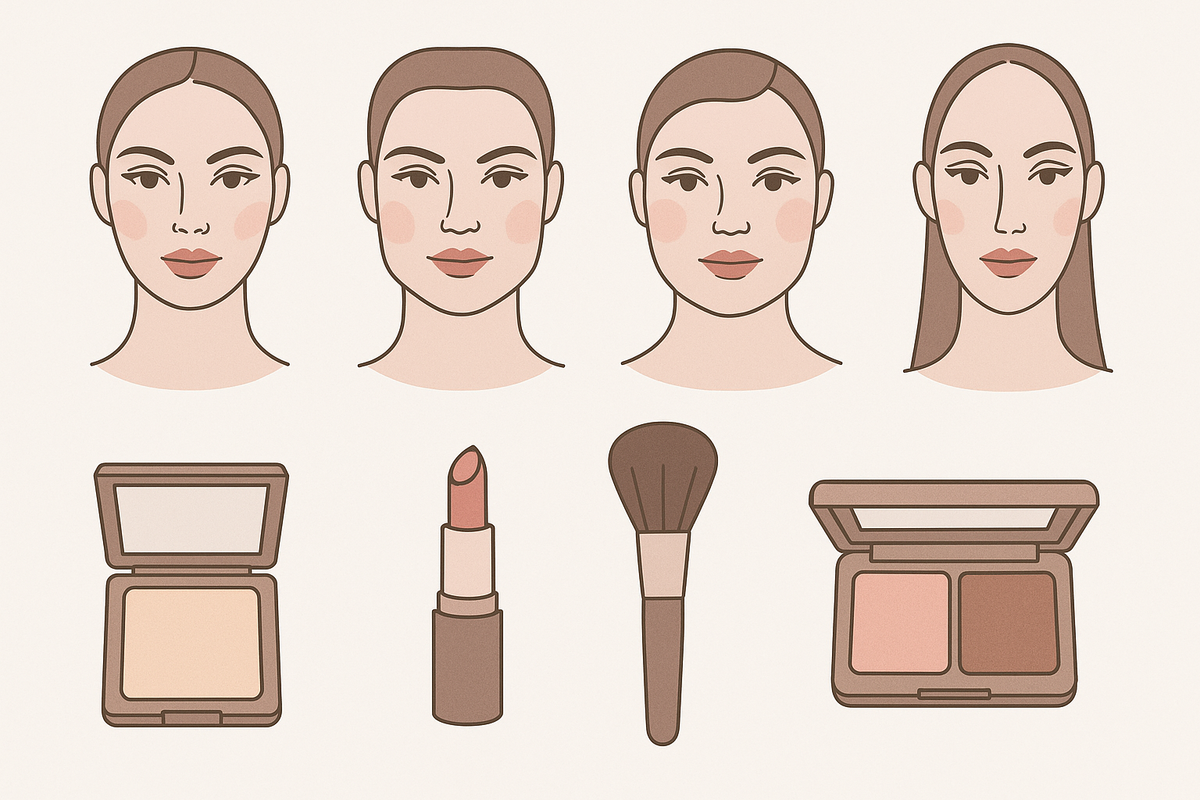
- Each face shape—oval, round, square, heart, diamond, oblong, and rectangular—has makeup strategies that may optimize harmony and proportion.
- Makeup Check AI offers AI-powered guides and personalized plans for makeup tailored to your face shape and skin tone.
- Adjust eye makeup, foundation, and concealer techniques thoughtfully to complement your face shape for a cohesive look.
Table of Contents
- Section 1: How to Determine Your Face Shape Accurately
- Section 2: Contour Placement by Face Shape for Perfect Definition
- Section 3: Blush Placement by Face Shape to Enhance Features
- Section 4: Brow Shape for Your Face: Styling Tips per Face Shape
- Section 5: Eye Makeup and Foundation Techniques Adapted to Face Shapes
- Section 6: Makeup for Each Major Face Shape: Quick Overviews
- Conclusion
- FAQ
Section 1: How to Determine Your Face Shape Accurately
Understanding Face Shape Essentials
Makeup for your face shape often starts with identifying your unique facial structure. The main face shapes commonly referenced are oval, round, square, heart, diamond, oblong (long), and rectangular. Determining your face shape can help you apply makeup—especially contour, blush, and brows—in a way that accentuates your features and balances proportions.
Key Measurements to Take
- Forehead width: Measure across the widest part of your forehead, usually halfway between your eyebrows and hairline. This measurement helps distinguish shapes like heart and diamond.
- Cheekbones width: Measure across the highest points of your cheekbones, starting and ending just past the outer corner of each eye. This is often the widest part of the face and useful for identifying diamond and oval shapes.
- Jawline width: Measure across the widest point of your jawline, from one edge to the other, usually just below the ears. This measurement helps differentiate square and oblong face shapes.
- Face length: Measure from the center of your hairline straight down to the tip of your chin. This helps identify longer face shapes such as oblong or rectangular.
Use a soft measuring tape or a flexible ruler and stand in front of a well-lit mirror for accuracy. Take each measurement twice to confirm consistency, and write down the numbers to compare.
Identifying Your Face Shape
Once you have your measurements, compare them using these general guidelines:
- Oval: Face length is about 1.5 times the width, with forehead slightly wider than jawline. Cheekbones are prominent, and jawline softly rounded.
- Round: Cheekbones and face length are approximately equal; jawline is soft and rounded without sharp angles.
- Square: Forehead, cheekbones, and jawline widths are roughly equal. Jawline is angular and well-defined.
- Heart: Forehead is the widest measurement; chin is narrow and pointed, with high cheekbones.
- Diamond: Cheekbones are the widest part; forehead and jawline are narrow and roughly equal.
- Oblong/Long: Face length is noticeably longer than width. Forehead, cheekbones, and jawline widths are similar.
- Rectangular: Similar to oblong but with a more squared, angular jawline and sometimes a longer forehead.
For a detailed, step-by-step guide on this, including visual aids and measurement tips, visit How to Determine Your Face Shape: Step-by-Step Guide & Makeup Tips. This resource also offers printable worksheets to help you track your measurements and conclusions.
Section 2: Contour Placement by Face Shape for Perfect Definition
Why Contour by Face Shape?
Contouring sculpts your face to enhance or soften features by using shading and highlighting techniques that create the illusion of depth and dimension. However, the placement of dark (contour) and light (highlight) shades often varies depending on your face shape to add definition, balance proportions, or minimize perceived width or length.
Applying contour incorrectly can draw unwanted attention to certain areas or create an unbalanced look. Tailoring your contouring technique can help your makeup feel natural and flattering.
Contour Tips for Common Face Shapes
- Oval: Since oval faces are already balanced, use a light contour just under cheekbones to define and a slight contour on the temples to frame the face without shortening it. Avoid heavy contouring on the jawline to maintain natural softness.
- Round: Contour the sides of the face, starting from the temples down through the hollows of the cheeks to create a slimming effect. Also contour under cheekbones and along the jawline to sharpen and elongate the face visually. Blend well to avoid harsh lines.
- Square: To soften the prominent jawline and angular features, contour the jawline along the edges, and add contour to the temples. This minimizes the square effect and adds subtle curves. Avoid contouring the middle of the forehead which can add length.
- Heart: Focus contour on the sides of the forehead and upper cheeks to reduce the width of a wider forehead. A slight contour on the chin area can add balance to a narrower chin. This helps create a more oval appearance.
- Diamond: Contour along the widest part of the cheekbones and jawline to visually narrow the mid-face width. Highlight the forehead center and chin to draw attention away from the cheeks.
- Oblong/Long: To shorten the appearance of the face length, contour the top of the forehead near the hairline and the bottom of the chin. Light contouring on the sides of the face can add subtle width but avoid elongating the cheeks.
- Rectangular: Similar to oblong, but focus more contour on the jawline to soften the strong edges. Contour the forehead and chin for length reduction. This balances the overall shape and adds dimension.
Blending and Highlighting
Blending contour seamlessly into your foundation is essential for a natural finish. Use a damp makeup sponge or a dense contour brush to blend out harsh lines, ensuring there are no obvious patches or streaks.
Highlight the high points of your face to contrast contour and bring forward features: these areas include the tops of cheekbones, bridge of the nose, center of forehead, brow bones, and chin. Use a highlighter with a subtle glow for daytime and a more intense shimmer for evening looks.
To avoid a cakey appearance, apply contour and highlight in thin layers, building intensity gradually. Set with a translucent powder or setting spray to prolong wear.
Learn more with the detailed guide How to Contour by Face Shape: Step-by-Step Guide for Flawless Makeup, which includes video tutorials and product recommendations based on your skin type and tone.
Section 3: Blush Placement by Face Shape to Enhance Features
Why Blush Placement Matters
Blush adds color, warmth, and life to your face but where you apply it can shift the perceived shape and expression of your face. Correct placement can lift the face, create the illusion of width or length, soften angles, or add youthful brightness.
Blush can also be used to subtly sculpt the face when combined with contouring and highlighting.
Blush Placement Strategies
- Oval: Smile gently and apply blush on the apples of your cheeks, then blend upwards along the cheekbones toward the temples. This enhances the natural symmetry and gives a healthy flush.
- Round: To elongate the face, apply blush slightly higher on the cheekbones, just under the eye, and blend outward toward the temples. Avoid placing blush too low as it can add roundness.
- Square: Focus blush placement on the apples of the cheeks with a gentle upward sweep toward the temples. This softens the angular jawline and balances the face.
- Heart: Apply blush on the cheeks and sweep slightly toward the temples to balance the wider forehead and narrow chin, creating a harmonious oval effect.
- Diamond: Apply blush on the apples of the cheeks and blend softly toward the temples. This helps widen the cheek area visually and softens the mid-face width.
- Oblong/Long: Apply blush horizontally on the apples of the cheeks with a side-to-side swipe rather than upward. This adds width and reduces the appearance of length.
- Rectangular: Similar to oblong, but blend blush slightly downward toward the jawline to soften sharp edges and add balance.
Blush Color and Finish
Choose blush colors that complement your skin tone: peachy and coral tones often suit warmer complexions, while pinks and berries tend to flatter cooler tones. For neutral skin tones, soft mauves and rose shades are versatile.
Finish options include:
- Matte blushes: Ideal for daytime or oily skin to avoid shine.
- Satin or semi-matte: Adds a natural glow without shimmer.
- Shimmer blushes: Great for evening or special occasions to add luminosity.
When applying blush, start with a light hand and build gradually, blending well to avoid harsh lines. Use brushes suited for your desired intensity: fluffy brushes for soft application, angled brushes for precise placement.
Section 4: Brow Shape for Your Face: Styling Tips per Face Shape
The Role of Brows in Face Framing
Eyebrows frame your eyes and balance overall facial proportions. The right brow shape can soften harsh angles, add definition, or create symmetry where needed, profoundly impacting your overall appearance.
Consider the natural density and growth pattern of your brows when shaping to maintain a natural look.
Brow Shapes per Face Shape
- Oval: Softly arched brows that follow your natural brow line enhance symmetry and maintain the face’s balanced proportions. Avoid overly dramatic arches as they can disrupt harmony.
- Round: High arched brows add vertical lift and elongate the face, creating the illusion of length. Keep the arch clean and defined but avoid overly thin brows to preserve softness.
- Square: Slightly curved brows soften the strong jawline and angular features, making the face appear less harsh. Avoid too sharp or angled brows which can accentuate squareness.
- Heart: Rounded brows minimize forehead width and soften the pointed chin, balancing the face. Avoid overly arched or straight brows which can exaggerate proportions.
- Diamond: Angular brows balance wide cheekbones and add structure. A defined arch that peaks slightly beyond the outer edge of the iris works well.
- Oblong/Long: Flat brows reduce perceived face length by drawing attention horizontally. Keep the brows thicker rather than thin to add balance.
- Rectangular: Softly rounded brows help to soften angular jawline and forehead edges, creating a more balanced overall appearance.
Brow Grooming and Products
Use brow pencils to fill sparse areas with hairlike strokes, powders to create soft fullness, and gels to set hairs in place and add texture. Choose products in shades one or two tones lighter or darker than your natural hair color depending on desired effect.
For grooming, tweezing stray hairs beneath the brow line and trimming excessively long hairs helps maintain shape. For fuller brows, consider tinting or microblading if desired.
Explore the comprehensive guide Brow Shape for Your Face: The Complete Guide for Every Face Shape for detailed styling advice, diagrams, and recommended products for different brow types.
Section 5: Eye Makeup and Foundation Techniques Adapted to Face Shapes
Eye Makeup Adjustments by Face Shape
Eye makeup placement—liner, shadow, wing shapes—can visually adjust face proportions and complement your face shape when done thoughtfully.
- Round faces: Winged eyeliner that extends outward can create the illusion of elongated eyes, balancing the natural width of a round face. Applying eyeshadow in a gradient, darker on outer corners, can add definition.
- Square faces: Soft, smudged eyeliner and blended eyeshadow can soften strong facial angles. Avoid harsh lines; instead, use smoky techniques to create a gentle eye shape.
- Heart faces: Focusing eyeshadow on the outer corners of the eyes, using darker shades, may balance the narrow chin and wider forehead. Highlighting the inner corners and brow bone adds brightness.
- Oblong faces: Emphasizing the lower lash line with liner and shadow can visually shorten the face length. Using a softer, more rounded eye makeup style helps balance proportions.
- Oval and diamond faces: Most eye makeup styles work well due to balanced features, but emphasizing the crease and outer V can add depth and dimension.
Foundation and Concealer Tips
Foundation should be evenly blended and precisely matched to your skin tone to create a flawless base. When applying foundation, use tools like damp sponges or brushes for smooth, streak-free coverage.
Use concealer strategically to highlight and correct:
- Under the eyes to brighten and counteract dark circles.
- Center of the forehead and chin to draw light to the middle of the face.
- Along the bridge of the nose to enhance its shape.
Avoid applying heavy foundation over contour areas to maintain natural dimension and prevent a flat appearance.
Using a setting powder helps prevent creasing and extends wear, especially in oily areas.
Personalized Makeup Plans with AI
Apps like Makeup Check AI analyze your face shape, skin tone, and features using AI algorithms. They provide tailored tutorials, step-by-step guidance, and product recommendations that suit your unique features.
This technology can help reduce guesswork and experimentation, saving time and supporting professional-looking results. You can virtually try on many looks and receive personalized feedback to improve your technique.
Section 6: Makeup for Each Major Face Shape: Quick Overviews
Oval Face
Oval faces are balanced and versatile, often considered ideal because of their harmonious proportions. Focus on enhancing natural symmetry with soft contouring under cheekbones and slight temple shading. Apply blush on the apples of the cheeks, blending upwards to maintain lift. Opt for natural-arched brows that follow your brow bone shape to preserve elegance. Avoid heavy contouring that shortens face length or overly dramatic brows.
For detailed techniques and AI-powered looks tailored to oval faces, see Makeup for an Oval Face Shape: Expert Tips & AI-Powered Looks.
Round Face
Makeup for a round face often aims to slim and elongate. Contour the sides of the cheeks and jawline to create shadows that visually narrow the face. Apply blush higher on the cheekbones, blending outward toward temples, which lifts and lengthens. Use high-arched brows to add vertical dimension. Winged liner extends the eyes, balancing face width. Avoid heavy blush on apples or low contouring that can emphasize roundness.
Explore the full guide at Makeup for a Round Face: The Complete Guide by Face Shape.
Square Face
For square faces, soften angular jawlines with contour on temples and jaw edges. Blush focuses on the apples with an upward sweep to soften the jawline edges. Rounded brows and soft eye makeup reduce harshness and add femininity. Avoid overly sharp brows or heavy contouring on the center of the face, which can emphasize squareness.
Learn more in Makeup for a Square Face: The Complete Face Shape Makeup Guide.
Heart-Shaped Face
Balance a wide forehead and narrow chin with contour on the forehead sides and upper cheeks. Blush sweeps toward the temples to balance proportions. Rounded brows minimize forehead width and soften the face. Eye makeup focusing on outer corners further balances the shape. Avoid heavy contouring on the chin to prevent making it look narrower.
Visit Makeup for a Heart-Shaped Face: Complete Guide to Face Shape Makeup for detailed steps and tutorials.
Diamond Face
Focus on contouring cheekbones and jawline to narrow wide cheeks. Apply blush on the apples to soften mid-face width, blending softly toward the temples. Angular brows add balance and structure, while highlighting the forehead center and chin draws attention away from the widest points.
Oblong/Long Face
Contour forehead and chin to shorten face length. Apply blush horizontally on apples to add visual width and reduce length appearance. Flat brows reduce perceived face length. Emphasize the lower lash line with eye makeup to balance vertical proportions. Avoid heavy contouring on cheeks that elongates the face further.
Rectangular Face
Similar to oblong but contour jawline more distinctly to soften sharp edges. Rounded brows and downward blush blending help reduce angularity. Use eye makeup to create softness around the eyes, avoiding harsh lines that emphasize length.
For personalized makeup plans targeting your face shape, Makeup Check AI offers AI-driven recommendations and tutorials to elevate your beauty routine with many looks to try on virtually.

Conclusion
Mastering makeup for your face shape can help highlight your best features and harmonize your overall look. From accurately determining your face shape using measurements to applying contour, blush, and brows tailored to it, every step refines your beauty routine with intention and personalization. Eye makeup and foundation techniques also adapt to your facial proportions, supporting balance and cohesion.
With innovative tools like Makeup Check AI, you can access personalized AI-powered guidance, try on many makeup looks virtually, and follow step-by-step tutorials that make applying makeup by face shape approachable, effective, and enjoyable. Whether you have an oval, round, square, heart, diamond, oblong, or rectangular face, the right makeup can enhance your confidence and style, helping you put your best face forward every day.
FAQ
Q: How do I know what my face shape is?
A: Measure your forehead, cheekbones, jawline, and face length with a soft tape or ruler, preferably in front of a mirror for accuracy. Compare these measurements to common face shape characteristics such as oval (balanced length and width), round (equal width and length with soft jaw), square (equal width with angular jaw), heart (wide forehead, narrow chin), diamond (wide cheekbones), oblong (longer face length), or rectangular (long with squared jawline). For detailed steps with visual aids, visit this guide.
Q: Where should I put contour for my face shape?
A: Contour placement depends on your face shape. For example, round faces often benefit from contouring the sides of the cheeks and jawline to slim the face, while heart-shaped faces contour the forehead sides and upper cheeks to balance the chin. Oval faces usually require more subtle contouring under cheekbones and temples. Always blend well for natural-looking definition. See How to Contour by Face Shape for full details and tutorials.
Q: What blush placement works best for a round face?
A: For round faces, applying blush slightly higher on the cheekbones, just under the eyes, blending outward toward the temples can visually elongate and slim the face. Avoid placing blush too low on the apples of the cheeks, as it may emphasize roundness and widen the face.
Q: What makeup suits an oblong or long face shape?
A: To balance an oblong face, contouring the forehead near the hairline and the chin can visually shorten face length. Applying blush horizontally on the apples of the cheeks adds width. Flat brows and emphasizing the lower lash line with eye makeup can help reduce the appearance of length. Avoid contouring cheeks vertically as it may elongate the face further.
Q: How do I choose the best eyebrow shape for my face shape?
A: Eyebrow shapes complement your face shape by balancing proportions. For example, high arched brows suit round faces by adding vertical length, softly curved brows soften square faces, and flat brows help oblong faces appear shorter. Consider your natural brow density and growth while shaping. You can find a detailed guide with styling tips and product recommendations at Brow Shape for Your Face.
Q: Should I change my eye makeup based on my face shape?
A: Yes, adjusting your eye makeup can enhance your face shape. For instance, winged liner can elongate round faces, smudged liner can soften square faces, and focusing shadow on outer corners can balance heart shapes. Tailoring eye makeup placement and styles helps maintain overall facial harmony and highlights your eyes in a flattering way.