
Foundation for Cool Undertones: Step-by-Step Shade Guide & Tips
Discover how to choose and apply foundation for cool undertones with expert tips on shade, formula, setting, and makeup pairings to enhance your look.

Estimated reading time: 15 min
Key Takeaways
- Identifying cool undertones involves vein color, jewelry test, and sun reaction analysis, each providing clues that can help with undertone determination.
- Choose foundation shades labeled C, cool, pink, rose, porcelain, or ivory for cool undertones, paying close attention to the depth to match your skin tone as accurately as possible.
- Test foundation on the jawline in natural light to avoid mismatches and oxidation issues, and observe the foundation over time to detect any color shifts.
- Matte, satin, and glow finishes can suit cool undertones; set with translucent or lavender powder to help maintain color integrity without warming the complexion.
- Use mixers and color correctors to adjust foundation tones and coordinate makeup shades for a harmonious look, enhancing your natural cool undertone without overpowering it.
Table of Contents
- Section 1: Identifying Cool Undertones Accurately
- Section 2: Best Foundation Shades for Cool Undertones by Depth
- Section 3: How to Test and Apply Foundation Correctly
- Section 4: Understanding Oxidation and Formula Choices
- Section 5: Setting Cool-Toned Foundation Without Warming It Up
- Section 6: Using Mixers and Color Correctors for Perfect Tone
- Section 7: Makeup Shade Pairings that Complement Cool Undertones
Section 1: Identifying Cool Undertones Accurately
Vein Color Test
One common method to identify if you have cool undertones is by examining the veins on the inside of your wrist under natural daylight. This method can provide insight into the underlying hues of your skin’s pigmentation. When you look at your veins in natural light, if they appear predominantly blue or purple, it may indicate cool undertones. This is due to the way the skin’s surface interacts with light and the oxygenated blood beneath. In contrast, if your veins tend to look greenish, this suggests warm undertones, as the yellowish tones of your skin mix with the blue of the veins to create a greenish appearance.
For a practical example, try this test in the morning near a window, ensuring no artificial light interferes. If you notice a mixture of blue and green veins, your undertone might be neutral, meaning you can likely wear both cool and warm shades, but for cool undertones, blue or purple veins are often considered key indicators.
Jewelry Test
The jewelry test is a classic and easy way to assess undertones by observing how different metals sit against your skin. Cool undertones tend to be flattered by silver, platinum, or white gold jewelry, which can enhance the pink or blue hues in your skin, making your complexion appear more vibrant and fresh. Conversely, if yellow gold or rose gold complements your skin better, you may be warm-toned.
To perform this test, hold pieces of silver and gold jewelry next to your face in natural light. Take note of which metal makes your skin glow without casting shadows or making it look dull. If silver enhances your complexion noticeably more, it’s a possible sign of cool undertones.
Sun Reaction Observation
How your skin reacts to sun exposure can be an indicator. People with cool undertones often burn more easily and may rarely develop a deep tan. When exposed to sunlight, their skin may develop a pink or rosy flush rather than a golden or olive coloration. This is largely due to the type and amount of melanin predominant in cooler skin types.
For example, if after spending time outdoors your skin turns red or pink and peeling occurs rather than a tan, this suggests cool undertones. Those with warm undertones usually tan more easily and develop a golden glow. This factor can be especially useful if vein color or jewelry tests are inconclusive.
Understanding your undertones is helpful for choosing the right foundation shade and makeup palette, ensuring your look is natural and flattering. For personalized color-season analysis and tailored beauty advice, apps like Makeup Check AI use AI technology to scan your face and provide undertone detection based on data and color science, aiming to reduce guesswork in makeup selection.
Section 2: Best Foundation Shades for Cool Undertones by Depth
Shade Labels to Look For
Foundation brands commonly use undertone labels to guide consumers toward the best match for their skin. For individuals with cool undertones, look for foundation shades that include descriptors such as C, cool, pink, rose, porcelain, or ivory. These labels indicate that the foundation has a cooler base, usually incorporating pink, red, or blue undertones rather than yellow or golden hues.
These labels help narrow down choices, but it’s equally important to consider the shade’s depth — meaning whether the shade is fair, light, medium, tan, or deep — as cool undertones appear across the full spectrum of skin colors. Brands like MAC, Fenty Beauty, and Estée Lauder offer comprehensive shade ranges with multiple cool options.
Foundation Shades by Depth
- Fair Cool Undertones: Choose shades such as porcelain or ivory with delicate pink undertones. These shades brighten very light skin without washing it out, and help prevent the complexion from looking too yellow or dull.
- Light Cool Undertones: Soft pinks or light beige shades with cool hints work well here. They add subtle warmth without overpowering the natural coolness of the skin.
- Medium Cool Undertones: Shades like cool beige, rose beige, or soft taupe with pink undertones are suitable. These balance the natural deeper hues of medium skin and keep the undertone consistent.
- Tan Cool Undertones: Cool honey, cool caramel, or muted rose gold tones provide depth without veering into orange or yellow territory.
- Deep Cool Undertones: For deeper complexions, seek out deep rose, plum, or cool espresso shades that avoid warmth and instead emphasize the coolness of the skin. These often have subtle berry or red undertones that complement rather than clash.
How to Identify Cool vs Warm Shades in Foundation
Visually, cool foundations carry subtle pink, red, or blue bases. When swatched on the skin, these foundations tend to have a rosy or slightly mauve tint. Warm foundations, in contrast, lean yellow, golden, or orange. A quick test is to compare the foundation swatch to your natural skin tone in natural light: if the foundation looks too yellow or makes the skin look sallow, it’s likely too warm.
To avoid purchasing the wrong undertone, try layering foundation shades on your jawline before committing. Look for foundations that blend invisibly into the skin, enhancing its natural hue without creating a noticeable color edge.
Brands like Fenty Beauty offer a wide spectrum of cool shades, such as their "C" labeled foundations in the Pro Filt’r line, which provide cool undertone matches across various depths. Similarly, MAC’s Studio Fix Fluid includes cool pink and rose undertones in their shade range, providing options even for very deep skin tones.
Section 3: How to Test and Apply Foundation Correctly
Testing Foundation on the Jawline
Testing foundation properly is important to achieving a natural and seamless finish. The best spot to test foundation is along your jawline, where the face meets the neck. This area reveals whether the foundation matches not only your facial skin but also your neck, helping to prevent the common "mask effect" where the face color is mismatched with the rest of the body.
To do this, apply a small strip of foundation on your jawline and blend it slightly. Then step back and observe the color in natural light. If the foundation disappears into your skin with no obvious lines or color differences, it’s a good match.
Natural Daylight is Essential
Artificial lighting, especially fluorescent or warm incandescent bulbs, can distort the perception of color and cause you to select a shade that looks off once you step outside. Natural daylight is the most reliable light source because it reveals the true color and undertone of foundation shades.
Try to test foundation near a window on a clear day. If that’s not possible, seek out stores with natural light bulbs or use a daylight lamp designed for makeup application. This helps ensure you select a shade that truly complements your undertones.
Watch for Oxidation
Oxidation is when foundation changes color after application, often darkening or turning slightly orange or yellow due to a reaction with oxygen or oils on the skin. This process can be particularly problematic for cool undertones if the foundation shifts toward warm tones, affecting the color harmony.
To test for oxidation, apply foundation on your jawline and observe it over 15 to 30 minutes. If you notice the shade darkening or becoming more orange, it’s possible that the formula oxidizes too much for your undertone. In such cases, look for foundations labeled as non-oxidizing or formulas known for stability over time.
Using an app like Makeup Check AI can assist you in analyzing foundation matches through AI-powered photo scanning. This technology evaluates undertone compatibility and oxidation tendencies by comparing your skin to the foundation shade, offering real-time feedback and personalized recommendations.
Section 4: Understanding Oxidation and Formula Choices
What Causes Foundation Oxidation?
Foundation oxidation occurs when ingredients in the formula react chemically with oxygen in the air or with oils and sweat produced by your skin. Iron oxides, which are pigments used to add color, are often involved in this reaction. When oxidized, foundations generally darken, become more orange, or shift away from their original undertone.
For individuals with cool undertones, oxidation can be a concern as it may alter the coolness of the foundation and produce an unnatural warm cast. This is why understanding your skin’s oiliness, the foundation’s ingredients, and how it wears over time is helpful.
Foundation Formulas Best for Cool Undertones
- Matte Formulas: These reduce excess shine and can help maintain the pure cool shade without reflective warmth. Matte formulas are particularly effective for oily or combination skin, helping the foundation stay true throughout the day.
- Satin and Glow Finishes: Foundations with subtle luminosity can enhance cool undertones by giving the skin a natural radiance. It’s important that these formulas do not contain warm yellow or golden pigments that would conflict with cool undertones.
- Full Coverage Foundations: These can neutralize redness or uneven tone common in cool undertones, especially those with rosacea or sensitivity. When applied with a light hand and blended well, full coverage foundations can look natural and flawless.
- BB and CC Creams: Lightweight tinted moisturizers often have a more natural finish and less pigment concentration, which can be beneficial if you want a sheer base that doesn’t overwhelm your cool undertones.
Ingredients to Avoid
When choosing foundation, avoid products with heavy yellow or orange pigments, which usually come from iron oxides or synthetic dyes. These can cause the foundation to clash with cool undertones or oxidize unfavorably. Mineral foundations can sometimes oxidize less due to their natural ingredients, but testing is still recommended.
Additionally, foundations with high oil content might accelerate oxidation, so individuals with oily skin or pronounced cool undertones might prefer oil-free or mattifying formulations.
Section 5: Setting Cool-Toned Foundation Without Warming It Up
Powder Choices
Setting powder is a crucial step for locking foundation in place and controlling shine, but it can also influence the undertone of your overall makeup look. For cool undertones, choose translucent powders or setting powders with a slight lavender tint. Lavender powders can help neutralize yellow and warm tones, preserving the coolness and brightness of your foundation.
Translucent powders that are truly colorless help set the makeup without adding any warmth or altering the shade. Avoid powders with yellow or golden hues, as these can shift your foundation’s cool tone into a warmer spectrum.
Application Tips
- Use a fluffy brush or a damp makeup sponge to apply powder lightly and evenly. Heavy or cakey application can disturb the foundation and create patchiness.
- Focus powder application on oily zones such as the T-zone (forehead, nose, chin) while leaving cheeks and other areas lighter to maintain a natural, cool-toned glow.
- Finish with a setting spray specifically formulated for cool skin tones or with a neutral tone to meld the powder and foundation seamlessly, preventing any powdery or chalky appearance.
Common Mistakes to Avoid
Many people inadvertently warm up their foundation by using yellow-toned setting powders or applying too much powder overall. This can create an unnatural, orange-tinted finish that detracts from your natural cool undertones. Also, avoid layering multiple products without blending, as this can alter the undertone balance.
Section 6: Using Mixers and Color Correctors for Perfect Tone
When to Use Mixers
Sometimes, even after careful selection, a foundation may lean slightly warm or dark for your cool undertones. In these cases, color mixers can be useful tools. Blue or lavender mixers can be added in small amounts to your foundation to cool down the tone, neutralizing unwanted warmth without changing the formula's texture or coverage.
These mixers come as concentrated drops and should be used sparingly. Start with a drop or two mixed into a small amount of foundation on the back of your hand or a palette, then test before mixing a full batch.
Color Correctors for Cool Skin
- Lavender Correctors: These can help neutralize dullness and yellow tones, brightening the complexion while complementing cool undertones.
- Pink Correctors: Ideal for adding a healthy flush to pale, cool-toned complexions that may appear washed out or tired.
- Green Correctors: Target redness, such as from rosacea or blemishes, without adding warmth that would clash with cool undertones.
How to Mix Correctors
To use color correctors effectively, blend a small amount into your foundation or apply them selectively before foundation application. Mixing on the back of your hand or palette allows you to control how much you add. Be sure to test the resulting tone on your jawline to confirm it balances well with your natural skin tone.
Using correctors and mixers can extend the usability of your foundation collection, allowing you to customize shades according to seasonal changes in skin tone or specific makeup looks.
Section 7: Makeup Shade Pairings that Complement Cool Undertones
Blush Shades
- Cool pinks, mauves, and soft berry tones often work well to enhance your natural flush without clashing with your cool undertones. For example, shades like dusty rose, plum, or soft raspberry add dimension and freshness.
- Avoid overly warm apricot, coral, or orange blushes, as they can create color disharmony and may make your complexion look uneven.
Lipstick Colors
- For lipsticks, berry, plum, wine, and cool reds with blue undertones tend to complement cool undertones. These shades bring out the natural pinks and reds in your lips and skin.
- Soft pinks and mauves provide versatile everyday options that harmonize with cool undertones and work well for both casual and professional settings.
Eyeshadow Choices
- Cool taupes, greys, plums, and jewel tones like sapphire blue and emerald green can be flattering for eyeshadows. These shades enhance cool undertones without overpowering the complexion.
- Shimmer finishes in silver, icy blues, or pale lilacs add dimension and brightness, creating an elegant and modern look without introducing warmth.
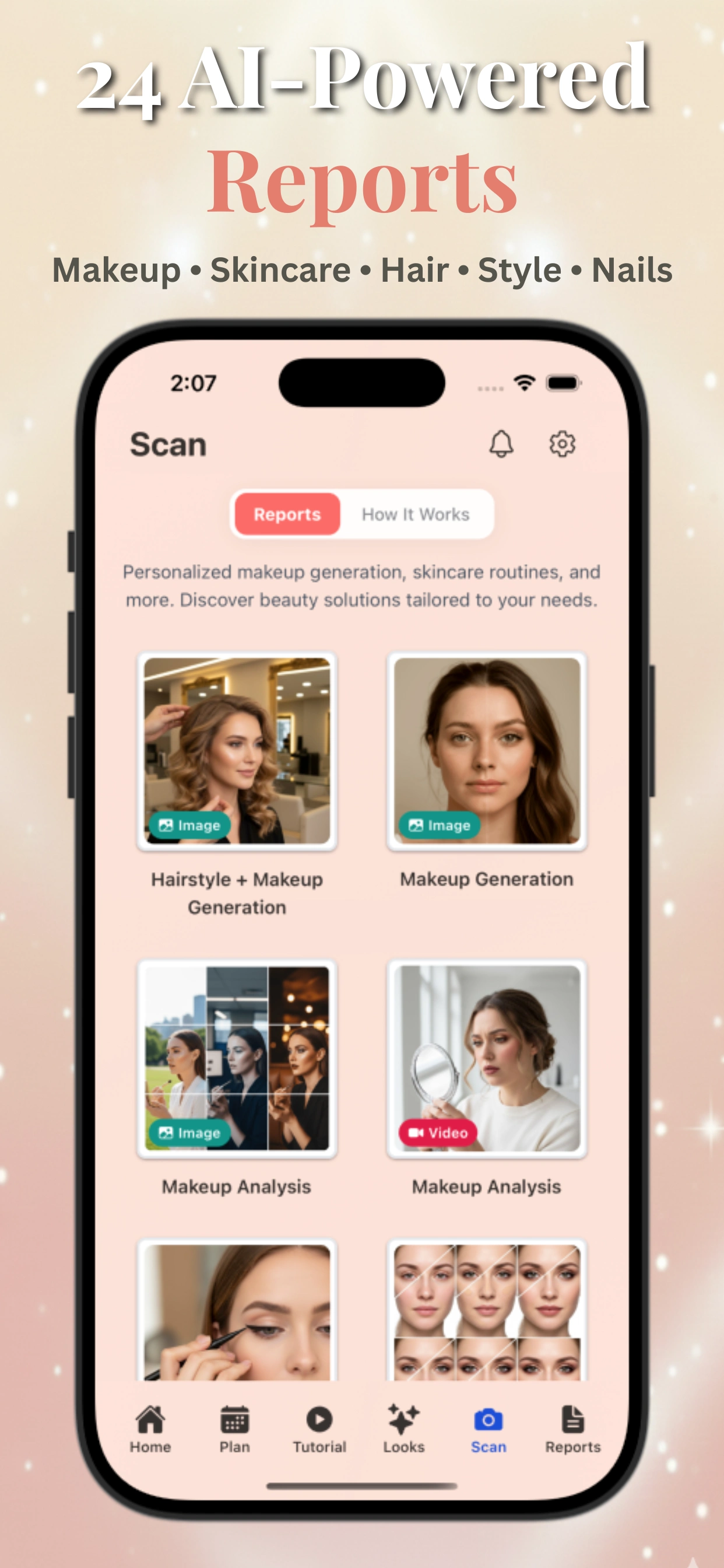
Pairing your foundation for cool undertones with harmonious makeup shades can create a cohesive, radiant look that brings your natural beauty forward. If you want to explore customized makeup tutorials and hundreds of looks tailored precisely to your undertones and preferences, check out Makeup Check AI. This app offers tutorials and AI-powered beauty guidance to help you experiment confidently.
Conclusion
Choosing the right foundation for cool undertones involves understanding your skin’s unique color characteristics and selecting shades labeled with cool, pink, or porcelain tones. Proper testing on the jawline in natural light and awareness of oxidation tendencies can help ensure a natural match. Matte, satin, and glow foundation formulas can suit cool skin well, especially when set with translucent or lavender powders to maintain coolness and avoid unwanted warmth.
When necessary, mixers and color correctors are effective tools to fine-tune foundation tones, allowing you to customize your makeup to your specific needs. Complement your base with makeup shades in cool pinks, berries, and jewel tones to complete your look with harmony and elegance, highlighting your natural beauty.
For a personalized, AI-driven approach to foundation selection, makeup tutorials, and beauty routines tailored to your undertone and style, consider exploring the capabilities of Makeup Check AI. This app acts as an AI beauty assistant, helping you look and feel your best every day with expert guidance.
FAQ
Q: How do I know if I have cool undertones?
A: Check your veins for blue or purple hues, see if silver jewelry suits your skin better than gold, and observe if you burn more easily instead of tanning in the sun. These signs can indicate cool undertones. Combining these tests may increase accuracy.
Q: What foundation shade should I choose for cool undertones?
A: Select shades labeled as cool, C, pink, rose, porcelain, or ivory. Match the depth of the shade (fair, light, medium, tan, deep) to your skin tone while ensuring the undertone is cool. Testing in natural light on your jawline is important.
Q: Is pink or yellow foundation better for cool skin?
A: Pink-based foundations are generally better for cool skin, as yellow tones can sometimes clash and make your complexion appear less natural. Pink tones tend to enhance your natural coolness and add radiance.
Q: How do I stop foundation from looking orange on cool undertones?
A: Test your foundation in natural daylight on your jawline, avoid foundations with heavy yellow/orange pigments, and consider using a blue or lavender mixer to neutralize warmth. Also, choose formulas known for minimal oxidation.
Q: What is the best foundation for fair skin with cool undertones?
A: Look for porcelain or ivory shades with pink undertones, and formulas that offer a matte or satin finish to complement fair cool skin, helping to maintain brightness without washing out.
Q: Can I use a blue mixer to make foundation more cool-toned?
A: Yes, blue or lavender mixers can help cool down warm foundations, assisting you in achieving a better match for your cool undertones. Use sparingly and test the final mixture before full application.
Free to start
Try the Makeup Check AI app
Everything in this guide, in your pocket.
Get it on iPhoneGet it on Android