Brow Shape for Your Face: The Complete Guide for Every Face Shape
Discover the perfect brow shape for your face. Learn how to map brows, match to face shape, and master makeup for round, oval, square, and heart-shaped faces.

Estimated reading time: 18 min
Key Takeaways
- Learn how to determine your face shape and why it matters for brow and makeup choices.
- Discover the ideal brow shape for your face—round, oval, square, heart, diamond, or long.
- Master brow mapping techniques for perfect arches, tails, and symmetry.
- Balance your brows with your eyes, jawline, and cheekbones for harmonious proportions.
- Find expert tips for safely reshaping brows and correcting common brow issues.
Table of Contents
- Section 1: How to Determine Your Face Shape
- Section 2: Brow Mapping—The Foundation of Perfect Brows
- Section 3: Matching Brow Shape to Your Face Shape
- Section 4: Brow Shape, Thickness & Density—Customizing for Your Features
- Section 5: Balancing Brows with Eye Shape and Facial Proportions
- Section 6: Correcting and Changing Your Brow Shape Safely
- Conclusion
- FAQ
Section 1: How to Determine Your Face Shape
Why Face Shape Matters in Beauty
Understanding your face shape is the starting point for customizing your makeup routine, especially when it comes to choosing the right brow shape for your face. Your facial contours influence how features like brows, blush, and contour are best applied for a balanced, harmonious look.
Measuring and Identifying Your Face Shape
To determine your face shape, grab a flexible tape measure and a mirror. Measure the following:
- Forehead Width: Widest point, usually halfway between hairline and eyebrows.
- Cheekbone Width: Across your upper cheeks, starting and ending at the highest points below the eye corners.
- Jawline Width: Edge of your jaw below your ears to the chin, then double if measuring one side.
- Face Length: From hairline at the center of your forehead to the tip of your chin.
Compare these measurements:
- Round Face: Cheekbones and face length are similar; jaw and forehead are also similar. Soft, rounded jawline.
- Oval Face: Face length is longer than the width of the cheekbones; forehead is slightly wider than the jawline. Jaw is softly rounded.
- Square Face: All measurements are similar. Jawline is sharp and angular.
- Heart-Shaped Face: Forehead is wider than the cheeks and jawline. Chin is pointed.
- Diamond Face: Face length is largest. Cheekbones are high and pronounced, with a narrow forehead and jawline.
- Long/Rectangle Face: Face length is notably longer than width. Jawline, cheekbones, and forehead are similar in width.
Use these guidelines to pinpoint your unique face structure. For more, visit our guide to smarter beauty routines for a deeper breakdown of face shapes and personalized routines.
Using Technology for Face Shape Analysis
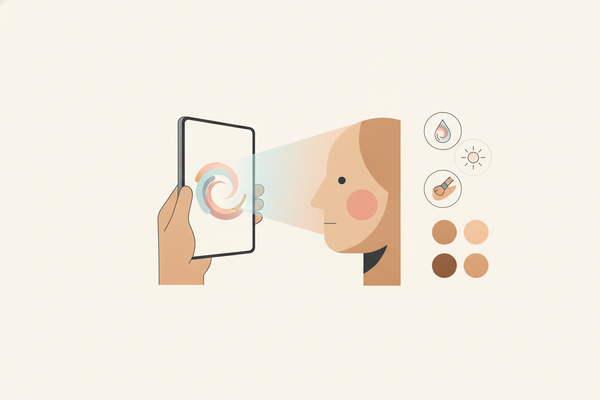
Modern apps like Makeup Check AI make face shape identification fast and precise. Simply scan your face, and the AI analyzes your proportions—no guesswork required. This forms the basis for personalized makeup, brow, and contour recommendations.

Section 2: Brow Mapping—The Foundation of Perfect Brows
What Is Brow Mapping?
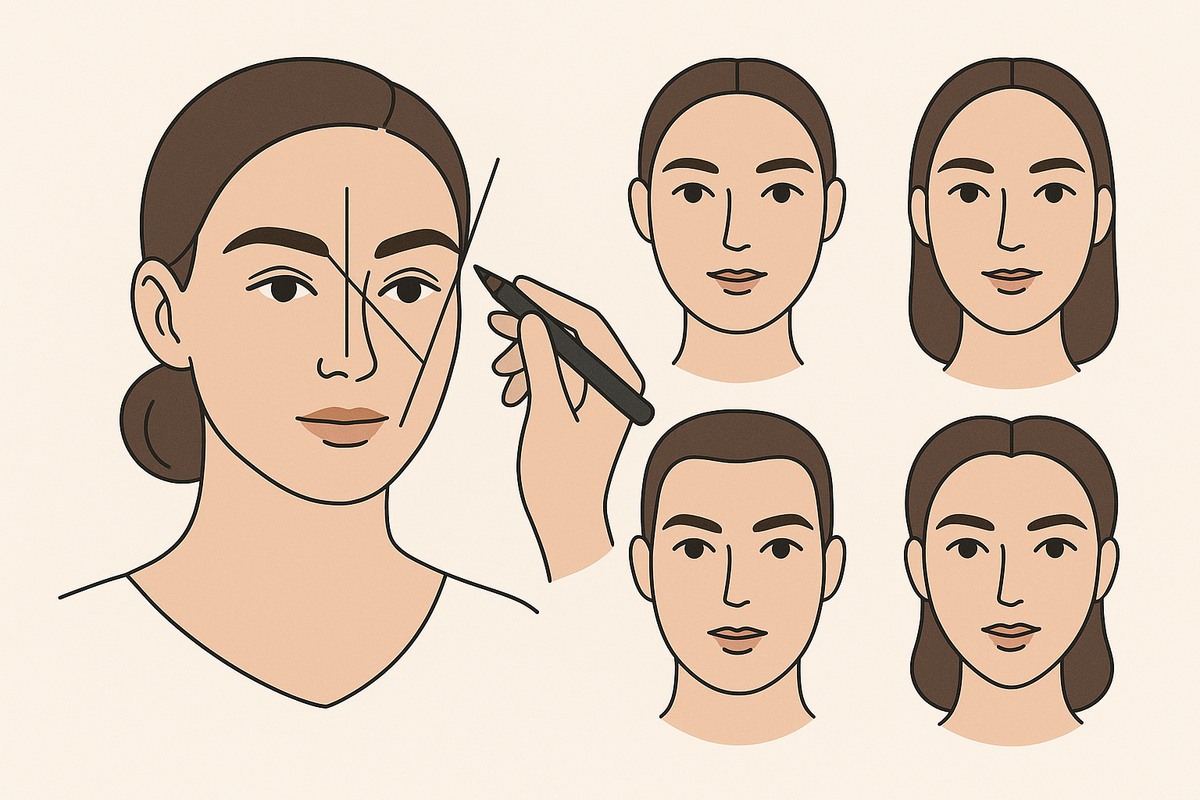
Brow mapping is a technique used to identify the ideal starting point, arch, and tail of your brows according to your unique bone structure. This ensures symmetry and proper alignment with your facial features, giving you the most flattering brow shape for your face.
Step-by-Step Brow Mapping Process
- Start: Hold a brow pencil vertically alongside the outer edge of your nostril. Where it meets your brow is the ideal starting point.
- Arch: Angle the pencil from your nostril through the center of your eye (the pupil). The point where it intersects your brow is where the highest point of your arch should be.
- Tail: Angle the pencil from your nostril to the outer corner of your eye. Where it crosses your brow is where the tail should end.
Mark these three points lightly with a brow pencil, then connect for a natural guide. This method helps avoid over-plucking and creates a brow that enhances your facial symmetry.
Tools and Technology for Brow Mapping
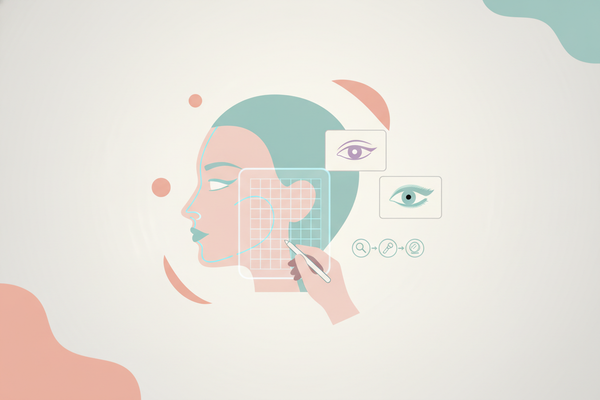
While traditional mapping uses pencils and rulers, AI-powered apps like Makeup Check AI analyze your facial structure digitally, overlaying guidance directly onto your selfie. This makes it easier than ever to get accurate, customized brow mapping at home.
Section 3: Matching Brow Shape to Your Face Shape
Brow Shapes Explained
- High Arch: Dramatically lifts the face and adds definition—best for round or heart-shaped faces.
- Soft Arch: Offers a gentle, natural lift—flattering for oval, diamond, and square faces.
- Straight: Minimal arch, creates width—ideal for long or rectangular faces.
- Rounded: Mimics the soft curves of a round face—providing a youthful look.
- Angled: Creates sharp definition, complements strong jawlines—perfect for square or diamond faces.
How to Choose Based on Face Shape
- Round Face: A high, sharp arch elongates and slims the face. Avoid rounded brows, which can exaggerate fullness.
- Oval Face: Soft arches work best for balance. This versatile face shape can pull off most brow styles.
- Square Face: A strong, angled brow offsets a prominent jawline. Avoid flat brows, which can make the face appear boxy.
- Heart-Shaped Face: Rounded or soft-arched brows soften a pointed chin and balance a wider forehead.
- Diamond Face: Curved brows with a soft arch help minimize width at the cheekbones.
- Long/Rectangle Face: Straight, horizontal brows visually shorten the face, adding width.
Personalizing Your Brow Shape
While these guidelines offer a starting point, always consider your natural brow growth and bone structure. Forcing a trendy shape can lead to over-plucking and imbalance. Apps like Makeup Check AI provide AI-generated brow recommendations tailored to your face shape and features, helping you visualize before making changes.
Section 4: Brow Shape, Thickness & Density—Customizing for Your Features
Choosing Brow Thickness
The ideal brow thickness depends on both your natural hair density and your facial proportions:
- Thicker brows can add youthfulness and boldness, especially flattering on larger or more angular faces.
- Slimmer brows work well for petite features or if your natural brow hair is fine—just avoid over-thinning, which can date your look.
For a modern, balanced result, enhance your brows' natural fullness. Use a tinted brow gel or micro-fine pencil to fill sparse areas rather than dramatically altering their width.
Density and Color Matching
- Match your brow pencil or powder to your natural brow color or go one shade lighter for a softer look (especially for blondes).
- For bold, defined brows, use a slightly darker shade, but avoid unnatural contrast.
- Consider your hair color, eye color, and overall makeup for harmonious results.
Makeup Check AI includes a free color analysis tool to help you find the perfect brow shade for your unique features.
Adapting to Brow Trends Safely
While brow trends change (from ultra-thin 90s lines to today’s bushy look), always adapt trends to suit your own bone structure and face shape. Prioritize your natural brow growth pattern for the healthiest, most flattering results.
Section 5: Balancing Brows with Eye Shape and Facial Proportions
How Eye Shape Affects Brow Design
Your eye shape plays a key role in determining the best brow style. Brow shape for your face should work in harmony with your eyes:
- Hooded Eyes: A higher arch opens up the eyelid space.
- Wide-Set Eyes: Extend the inner brow line slightly inward to bring eyes closer together.
- Close-Set Eyes: Start brows slightly farther from the bridge of the nose to create balance.
- Large Eyes: Fuller brows complement bigger eyes for balanced proportions.
- Small Eyes: Avoid heavy, dark brows that can overwhelm delicate eyes.
Facial Proportions: The Rule of Thirds
Visually divide your face into three horizontal sections: forehead to brow, brow to base of nose, and nose to chin. Well-shaped brows help keep these zones in harmony. For example, raising the arch can lengthen the mid-face visually, while a straighter brow can visually widen a long face.
Combining Brow, Contour, and Blush Placement
Integrated makeup techniques enhance your features holistically:
- How to contour by face shape: Use contour along the jawline, temples, and cheekbones to accentuate or minimize certain areas. For example, contouring the sides of a round face slims it, while highlighting the center elongates.
- Blush placement by face shape: For round faces, sweep blush slightly upward to lift the cheekbones. For long faces, apply blush horizontally to add width.
For step-by-step tutorials, see our AI Makeup Tutorial guide.
Section 6: Correcting and Changing Your Brow Shape Safely
Fixing Uneven Brows or Asymmetry
Most people have some natural asymmetry. Here’s how to address it:
- Use brow mapping to identify mismatches.
- Fill in sparse areas and gently extend tails with a brow pencil or powder, aiming for balance—not identical twins.
- Brush brows upward and trim only excess length, not bulk.
If one brow is higher, focus on lowering the arch with filling rather than over-plucking the higher side.
Changing Your Brow Shape Over Time
- Let over-plucked areas grow back naturally, resisting the urge to shape too soon.
- Use nourishing serums to promote hair growth if needed.
- Gradually adjust brow shape by tweezing only stray hairs outside your mapped guide.
For dramatic changes, consult a professional brow artist—especially for microblading or reshaping after years of over-tweezing.
DIY vs. Professional Brow Shaping
- DIY Shaping: Great for maintenance and minor adjustments. Use quality tools and good lighting.
- Professional: Essential for major shape corrections, first-time mapping, or if you want expert advice on the best brow shape for your face.
Apps like Makeup Check AI offer virtual try-ons and expert video tutorials, so you can preview new brow shapes before making changes. Learn from over 100+ tutorials and chat with your personal AI beauty assistant for 24/7 guidance.
Conclusion
Choosing the ideal brow shape for your face is one of the most impactful steps in creating a harmonious, beautiful look. By understanding your face shape, mastering brow mapping, and balancing brows with eyes and facial proportions, you’ll enhance your features—whether you have a round, oval, square, heart, diamond, or long face. Remember, trends come and go, but the best brows are those that respect your natural growth and unique structure.
Ready for a smarter, more personalized beauty routine? Try Makeup Check AI to scan your face, get instant recommendations, and unlock your complete AI-powered beauty team. For more tips, explore our guide to Makeup AI and learn how technology is revolutionizing beauty.
FAQ
Q: What eyebrow shape is best for a round face?
A: A high, defined arch is best for round faces. It adds length and creates a slimming effect, balancing the face's natural fullness.
Q: How do I know which eyebrow shape suits my face?
A: Determine your face shape by measuring your forehead, cheekbones, jawline, and face length. Then match your brow style—arched, straight, rounded, or angled—to complement your unique structure. AI tools like Makeup Check AI can help you find your perfect match.
Q: Should eyebrows match face shape or eye shape?
A: Ideally, your brow shape should harmonize with both your face and eye shape. Start with your face shape for the overall brow structure, then fine-tune details like arch height and tail length to enhance your eyes.
Q: How do I map my eyebrows correctly?
A: Use a straight tool to mark the start (aligned with your nostril), arch (through the pupil), and tail (outer corner of the eye). Connect these points for a natural, symmetrical brow shape.
Q: Can I change my brow shape if I have thin or uneven eyebrows?
A: Yes—focus on gradual adjustments, filling with brow pencils or powders, and letting natural hair regrow. Avoid over-tweezing. For major changes or microblading, consult a professional.
Q: What brow shape makes your face look slimmer or more lifted?
A: A higher arch or angled brow visually lifts and slims the face, especially effective for round or heart-shaped faces.