
How to Find Your Foundation Shade: The Complete Step-by-Step Guide
Learn how to find your foundation shade, test undertone, avoid oxidation, and use top foundation shade finder tools for a flawless match every time.

Estimated reading time: 12 min
Key Takeaways
- Identify your undertone using vein, jewelry, and flush tests to help guide foundation matching, aiming for a base that complements your natural hue.
- Test foundation shades on your jawline, not wrist, and compare multiple shades side by side under natural lighting to better discern subtle differences.
- Understand foundation oxidation — how it can alter your foundation's color over time — and learn strategies to minimize or accommodate it.
- Use AI-powered shade finders and personalized beauty apps to assist your foundation selection, leveraging technology to reduce guesswork and returns.
- Consider seasonal changes and skin type when choosing your foundation formula and shade, adapting your routine to environmental and physiological shifts.
Table of Contents
- Section 1: Understanding Undertones and Why They Matter
- Section 2: How to Find Your Foundation Shade with Tests and Tools
- Section 3: Proper Techniques for Testing Foundation Shade
- Section 4: Why Does Foundation Oxidize and How to Handle It
- Section 5: Matching Foundation to Skin Type and Seasonal Variations
- Section 6: Leveraging AI and Digital Tools for Perfect Shade Matching
Section 1: Understanding Undertones and Why They Matter
What Are Undertones?
Undertones are the subtle hues beneath your skin’s surface that affect how foundation and other makeup products appear. Unlike your skin tone—which can change slightly due to sun exposure, weather, or health fluctuations—undertones tend to remain relatively consistent throughout your life. They generally fall into three primary categories: warm, cool, and neutral. Understanding your undertone can be helpful for choosing a foundation that blends well with your skin, enhances your natural beauty, and avoids the mask or mismatched effect.
For example, two people with the same skin tone—for instance, light-medium—may have different undertones, meaning the ideal foundation for each may differ. A warm undertone wearer might select a foundation with a yellow or golden base, while a cool undertone wearer might opt for one with pink or rosy hues. Selecting a foundation that does not complement your undertone can sometimes make your skin look ashy, orange, or overly rosy, even if the shade depth is correct.
Warm, Cool, or Neutral Undertones Explained
- Warm undertones: Include golden, yellow, or peachy hues that can give the skin a sun-kissed, glowing appearance. Common in people with olive, tan, or darker complexions but can occur in lighter skins as well.
- Cool undertones: Feature pink, red, or blue hues and often come across as porcelain or rosy complexions. People with fair skin often have cool undertones, but they are present in all skin colors.
- Neutral undertones: A balanced mix of warm and cool, often described as olive, beige, or muted. This undertone is versatile and can wear a wider range of foundation shades.
Knowing your undertone can help avoid purchasing foundations based on skin tone alone, which may not harmonize well if undertones clash.
How to Identify Your Undertone: Simple Tests
Several practical methods can help you estimate your undertone:
- Vein Test: Examine the veins on the inside of your wrist in natural light. Blue or purple veins typically indicate cool undertones, greenish veins suggest warm undertones, and a mix or difficulty determining color points to neutral undertones.
- Jewelry Test: Note which type of jewelry flatters your skin more. Gold jewelry tends to complement warm undertones, while silver and platinum look better on cool undertones. If both suit you well, you might have neutral undertones.
- Flush Test: Observe your natural flush color when you blush or after exercise. A rosy or reddish flush aligns with cool undertones, and a peachy or golden flush corresponds with warm undertones.
- White Paper Test: Hold a piece of pure white paper next to your face in natural light. If your skin looks more yellowish or golden compared to the paper, you’re likely warm-toned. If it appears pink or rosy, you’re likely cool-toned. If neither stands out strongly, you may be neutral.
For an in-depth undertone identification, refer to our detailed guide on How to Find Your Undertone: The Complete Guide to Warm, Cool & Neutral, which covers these tests with visual examples and troubleshooting tips.
Section 2: How to Find Your Foundation Shade with Tests and Tools
The Importance of Matching Foundation to Skin
Matching your foundation to your skin tone and undertone helps achieve a natural look free from obvious lines or mismatches, which can otherwise age or dull your appearance. The challenge stems from the wide variety of foundation shades and formulas available—from ultra-light to deep tones, and finishes from matte to dewy. Additionally, lighting conditions in stores or homes can distort color perception, leading to poor matches.
Moreover, skin color isn’t uniform across the face and neck, and subtle undertone shifts can make foundation matching a nuanced task. It’s important to consider both color depth (lightness or darkness) and undertone to find a shade that blends well with your skin.
Foundation Shade Finder Basics
Foundation shade finders are tools that help narrow down your options based on your skin characteristics and preferences. They come in various forms:
- Online Quizzes: Simple question-based tools asking about your skin tone, undertone, and previous foundation matches.
- AI-powered Apps: Advanced apps use facial scanning, color analysis, and machine learning algorithms to analyze your skin and generate personalized foundation recommendations.
- In-store Devices: Some cosmetic brands offer color-matching devices that scan your skin to suggest the closest foundation shades.
Using a shade finder can save time, reduce frustration, and minimize costly product returns. The most effective finders incorporate undertone analysis and consider formula preferences (e.g., finish, coverage).
Some popular digital shade finders include:
- Makeup Check AI: Offers detailed skin analysis, personalized recommendations, virtual try-ons, and ongoing beauty plans.
- Sephora Color IQ: Scans your skin and matches to thousands of foundation options.
- Fenty Beauty Match Finder: Uses AI to recommend shades across their extensive range.
We recommend exploring the Foundation Shade Finder: How to Find Your Perfect Match Every Time for a comprehensive approach, including tips on how to use shade finders effectively and verify results.
Choosing Candidate Shades
Once you have an idea of your undertone, select 2–3 candidate foundation shades that correspond to your skin depth and undertone family. For instance:
- If you have a warm undertone and medium skin, pick shades labeled as medium with warm or golden undertones.
- If you have cool undertones and fair skin, try light shades with pink or rosy bases.
- Neutral undertones allow more flexibility; test shades that lean slightly warm or cool to see what blends best.
- Try these shades side by side on your jawline or lower cheek area to compare how they blend and meld with your natural skin color.
- Observe the swatches in different lighting scenarios—natural daylight, indoor (warm light), and fluorescent light—to catch subtle tonal shifts.
- If possible, wear the foundation for a few hours to observe any changes in color or texture.
For detailed steps, check our guide on How to Match Foundation to Skin: Step-by-Step Shade Finder Guide, which includes visuals and tips for specific skin concerns like hyperpigmentation or rosacea.
Section 3: Proper Techniques for Testing Foundation Shade
Why Test on the Jawline?
Testing foundation on the wrist or hand is a common error because these areas often differ in tone, texture, and undertone from your face and neck. The skin on the wrist is usually thinner, less exposed to sunlight, and may have different pigmentation, leading to misleading results.
The jawline is generally the ideal testing spot because it acts as a transition zone between the face and neck, which often differ slightly in color. Testing here helps ensure that your foundation blends well across these areas, avoiding the ‘mask’ effect or visible lines.
Step-by-Step Foundation Testing
- Step 1: Start with a clean, moisturized face to avoid oils or dirt influencing color perception.
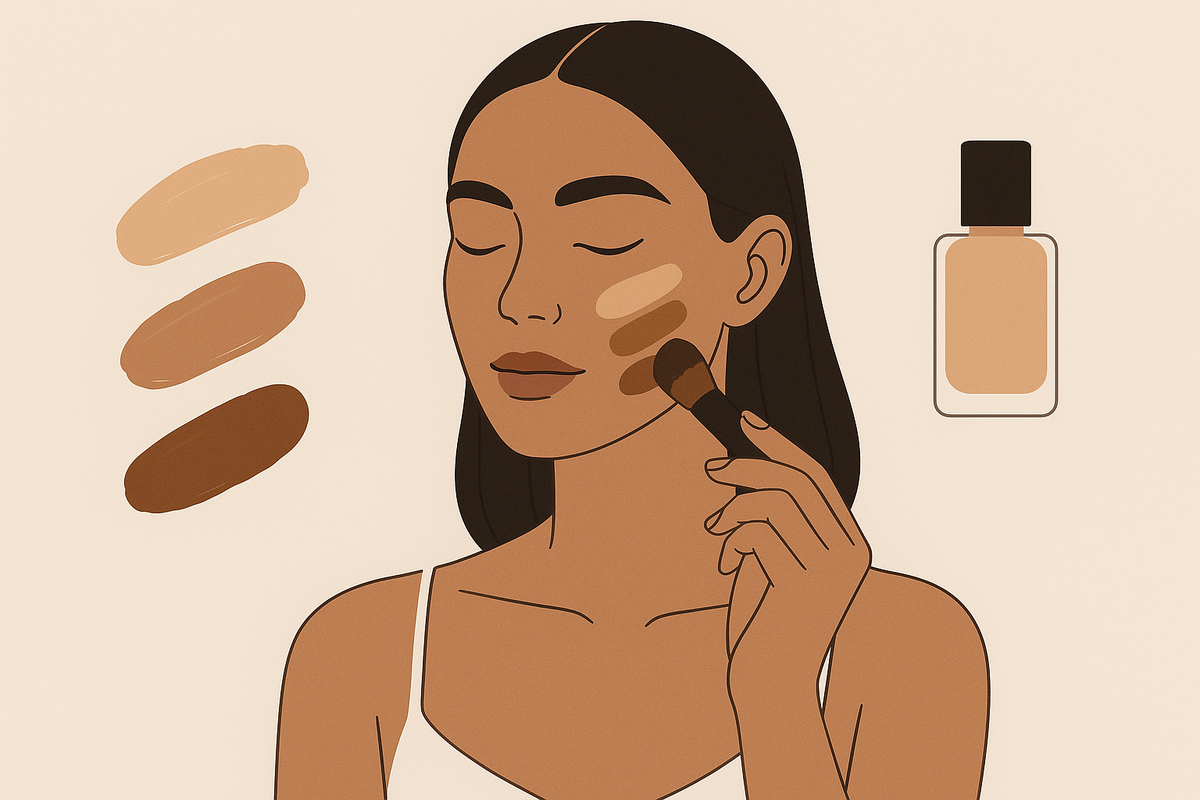
- Step 2: Apply small swatches (about 1-2 cm wide) of 2–3 candidate shades on your jawline, spaced apart.
- Step 3: Gently blend each swatch slightly, leaving the edges visible to compare how well each shade melts into your skin.
- Step 4: Examine the swatches outdoors in natural daylight. Avoid fluorescent or incandescent lighting, which can distort colors.
- Step 5: If possible, wear each shade for a few hours on different days (if you can remove the makeup easily) to observe any oxidation, texture changes, or discomfort.
- Step 6: Select the shade that blends best into your skin, leaving no obvious demarcation.
Consider Face and Neck Matching
Sometimes, your face and neck have slightly different shades, especially if you tan your face more, have hyperpigmentation, or uneven skin tone. In such cases:
- Choose a foundation that harmonizes both areas rather than perfectly matching one.
- Consider blending two foundation shades—one for the face, one for the neck—to create a custom match.
- Use bronzers or setting powders to even out any remaining discrepancies.
Consult How to Test Foundation Shade for a Perfect Skin Match for further insights on blending and testing techniques.
Section 4: Why Does Foundation Oxidize and How to Handle It
What Is Foundation Oxidation?
Oxidation is a chemical process where foundation may change color after application, often darkening or developing an orange or muddy tint. This can happen as the foundation reacts with oxygen in the air, your skin’s oils, sweat, or pH levels. Oxidation can transform an initially good shade match into something less flattering during the day.
Causes of Oxidation
- Formula Ingredients: Pigments like iron oxides can darken upon exposure to air.
- Skin Chemistry: The natural oils (sebum), sweat, and pH balance of your skin can influence oxidation.
- Environmental Factors: Heat, humidity, air pollution, and UV exposure can interact with foundation, causing color shifts.
How to Avoid or Mitigate Oxidation
- Test Foundations in Real Conditions: Wear candidate foundations for several hours during your typical day before purchasing to observe any color changes.
- Use Primers: Oil-controlling or mattifying primers can create a barrier between foundation and skin oils, potentially slowing oxidation.
- Set with Powder: Setting your foundation with translucent or color-correcting powders can reduce oil and prolong wear.
- Choose Formulas Wisely: Some brands formulate foundations specifically to minimize oxidation. Research reviews, check ingredient lists, and seek recommendations.
- Maintain Skin Health: Regular exfoliation and cleansing reduce excess oils and dead skin cells that may react with foundation.
- Consult Guides: Our Why Does Foundation Oxidize Orange? Complete Guide offers brand-specific tips and ingredient insights.
Section 5: Matching Foundation to Skin Type and Seasonal Variations
Best Foundation for Your Skin Type
Your skin type can influence which foundation formula and finish may work best, affecting longevity, comfort, and appearance.
- Oily skin: Matte or oil-control foundations with long-wearing formulas, often containing silica or clay to absorb excess oil, may work well. Look for labels such as "oil-free," "matte," or "long-lasting." Examples include Estée Lauder Double Wear or Fenty Beauty Pro Filt'r Matte.
- Dry skin: Hydrating, luminous, or dewy foundations enriched with moisturizing ingredients like hyaluronic acid, glycerin, or squalane are often preferred. Matte formulas that emphasize dryness or flaking may be less suitable. Examples include NARS Sheer Glow or Giorgio Armani Luminous Silk.
- Combination skin: Balanced formulas that control oil in the T-zone and hydrate the cheeks can be effective. Some people use two different foundations or mix a matte with a hydrating base. Products like IT Cosmetics Your Skin But Better CC+ Cream offer hybrid coverage.
- Sensitive skin: Hypoallergenic, fragrance-free foundations with minimal irritants may reduce the risk of redness or breakouts. Mineral foundations or those labeled "dermatologist-tested" are often suitable. Examples include Clinique Even Better or bareMinerals Original.
For an in-depth breakdown, see Best Foundation for Your Skin Type: How to Find Your Perfect Match, which includes tips on product ingredients and application methods for each type.
Seasonal Shade Changes
Skin tone can shift throughout the year due to sun exposure, dryness, or other environmental factors. Many people find they may need a slightly deeper foundation shade for summer and a lighter one for winter to maintain a natural, even complexion.
- Summer: Increased melanin production can lead to a warmer, darker skin tone. Consider foundations with a slightly warmer undertone and a deeper shade to accommodate this change.
- Winter: Skin may become paler or duller, especially if you spend less time outdoors. Lighter, more neutral or slightly cool-toned foundations can help brighten the complexion.
- Adjusting Shades: To avoid buying multiple full-size foundations, consider mixing your summer and winter shades or using foundation drops that adjust tone.
- Test Seasonally: When you notice a shift in your skin color, retest your foundation shade using the jawline method.
Handling Different Face and Body Shades
It’s common for your face and body to have different tones, especially if you tan or have hyperpigmentation. For a cohesive look:
- Find a foundation shade that blends well with both areas, prioritizing the face as it’s most visible.
- Use bronzers, self-tanners, or powders on your neck and chest to even out differences.
- Consider gradual self-tanners for the body to better match your facial tone during summer months.
- Blend foundation down your neck and onto the chest to avoid harsh color lines.
Section 6: Leveraging AI and Digital Tools for Perfect Shade Matching
How AI Enhances Foundation Shade Finding
AI-powered beauty apps like Makeup Check AI aim to assist foundation shade matching by employing facial scanning technology and advanced algorithms. These tools analyze your skin tone, undertone, texture, and even skin concerns like redness or hyperpigmentation to generate personalized foundation recommendations.
AI can reduce much of the trial-and-error traditionally associated with foundation shopping, offering virtual try-ons that simulate how a shade may look on your skin in real time. This technology can help reduce product waste, save money, and boost confidence in your choice.
Features of AI Beauty Apps
- AI Color-Season Analysis: Identifies undertones by analyzing multiple facial areas and lighting conditions, potentially surpassing subjective human perception.
- Extensive Makeup Libraries: Access to curated makeup looks and tutorials helps users learn application techniques suited to their skin and preferences.
- Personalized Beauty Plans: Daily reminders and tailored skincare routines help keep your skin optimized for makeup application.
- AI Chat Assistant: Access to beauty advice, product recommendations, and troubleshooting support.
- Integration with Retailers: Links to purchase recommended foundations directly, often with color-matched shade codes for different brands.
Using AI Shade Finders Effectively
While AI apps provide a strong starting point, combining their recommendations with physical testing yields the best results:
- Use AI tools to narrow your foundation shade options from many to a shortlist of 2–3 shades.
- Test these shades on your jawline in natural daylight to confirm the AI match.
- Use app features to simulate how shades look in different lighting and with various makeup finishes.
- Check AI-generated alerts about potential oxidation risks or skin formula compatibility.
- Leverage tutorials and expert tips within the app to learn optimal application techniques for your foundation type.
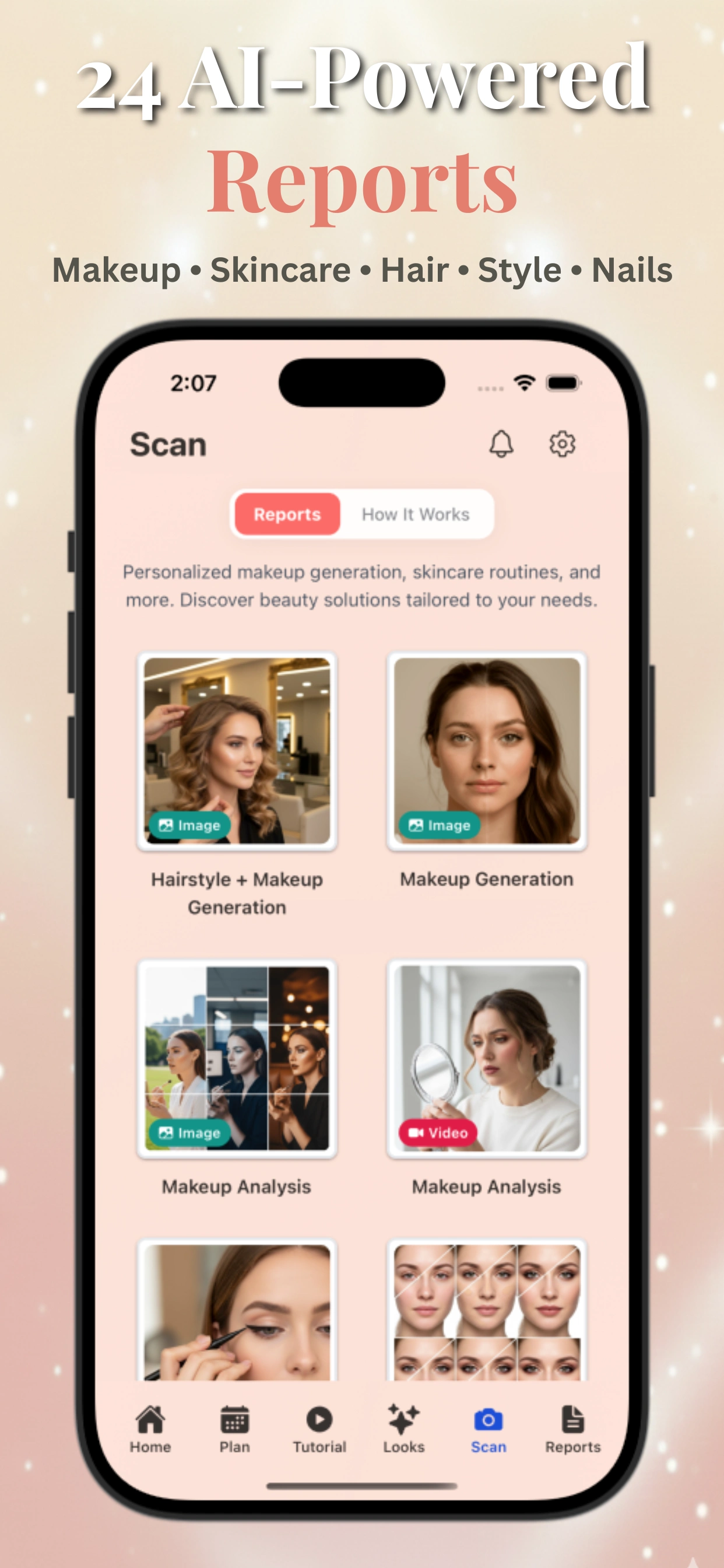
Explore Makeup Check AI’s Foundation Finder to start your personalized shade-matching journey backed by AI technology. The app’s detailed skin reports and virtual try-ons can empower you to make an informed, confident foundation choice from the comfort of your home.
Conclusion
Finding your foundation shade involves understanding your skin’s undertone, carefully selecting and testing candidate foundation shades on the jawline under natural light, and considering factors such as foundation oxidation, skin type, and seasonal variations. These steps can help your foundation blend well with your skin, enhancing your natural beauty without obvious mismatches or color shifts.
Advancements in AI-powered beauty technology, such as Makeup Check AI, have made this process more accessible, personalized, and efficient. By combining traditional testing methods with innovative digital tools, you can confidently select a foundation that looks natural and suits your unique skin characteristics. Embrace this blend of time-tested knowledge and modern technology to elevate your makeup routine and enjoy a radiant, natural finish every time you apply foundation.
FAQ
Q: How do I find my undertone for foundation?
A: Use tests like checking your wrist veins, jewelry preference (gold vs. silver), and your flush color. Warm undertones have yellow/golden hues, cool undertones pink/blue, and neutral undertones a balance of both. AI tools can also analyze your undertone by scanning your facial skin and evaluating color data under various lighting conditions.
Q: Should I test foundation on my jawline or wrist?
A: It is best to test foundation on your jawline because it bridges your face and neck tone. The wrist or hand often differs in color and undertone, so testing there can be misleading and cause a mismatch.
Q: Why does my foundation look different in daylight than in-store?
A: Lighting affects color perception significantly. Store lighting is often artificial and warm-toned, altering how foundation appears, while natural daylight shows the true color. Always check your foundation match in natural daylight to ensure accuracy.
Q: How many foundation shades should I try at once?
A: Test 2–3 candidate shades side by side on your jawline. This allows you to compare how each blends into your skin and which undertone suits you best.
Q: What is oxidation in foundation and how do I avoid it?
A: Oxidation is when foundation darkens or turns orange due to reaction with skin oils or air exposure. To avoid it, test foundation wear over several hours before buying, use primers and setting powders to control oil, and select formulas known for minimal oxidation.
Q: Do I need a different foundation shade in summer and winter?
A: Often yes, because your skin tone may darken with sun exposure in summer. Having two shades or mixing foundations can help maintain a good match year-round.