
Best Foundation for Your Skin Type: How to Find Your Perfect Match
Discover the best foundation for your skin type with expert tips on undertones, shade testing, and avoiding oxidation. Try Makeup Check AI for personalized matches.


Estimated reading time: 8 min
Key Takeaways
- Identify your skin type and undertone to select the best foundation formula and shade.
- Understand how foundation finishes and coverage levels can complement different skin types.
- Learn how to test foundation shades and why oxidation may occur.
- Use AI tools like Makeup Check AI for personalized shade matching and beauty plans.
Choosing the best foundation for your skin type can help achieve a natural-looking finish. From oily to dry skin, warm to cool undertones, and sheer to full coverage, selecting the right foundation involves multiple steps. This guide breaks down how to find your undertone, match foundation to your skin, and test shades effectively—plus insight into why some foundations may oxidize and how to reduce this. For a personalized experience, explore tools like Makeup Check AI, which offers AI-powered foundation shade finder and beauty recommendations tailored to you.
1. Identify Your Skin Type First
Understanding your skin type is important for choosing the best foundation. Common types include:
- Oily: Tends to shine and produce excess sebum.
- Dry: Feels tight and may flake or look dull.
- Combination: Oily in the T-zone (forehead, nose, chin) and dry or normal elsewhere.
- Sensitive: Easily irritated, redness-prone.
- Mature: Shows fine lines, wrinkles, and loss of elasticity.
- Acne-prone: Prone to breakouts and blemishes.
- Normal: Balanced, neither oily nor dry.
Each type may benefit from different foundation finishes and formulas, so identifying your skin type can help with comfort and wear.
2. Match Foundation Finish to Your Skin Type
The finish of your foundation affects how it looks and feels throughout the day:
- Matte: Often preferred for oily or acne-prone skin to reduce shine.
- Semi-matte: Can work well for combination skin balancing shine and glow.
- Satin: Natural finish for normal to dry skin, offering slight luminosity.
- Radiant/Dewy: Often chosen for dry or mature skin needing hydration and glow.
Choosing a finish that suits your skin’s needs can enhance your overall look.
3. Select Coverage Level Based on Skin Concerns
Coverage options range from sheer to full, allowing you to tailor your foundation to your preferences and skin needs:
- Sheer/light: For a natural look with minor imperfections.
- Medium: Balances coverage and natural appearance.
- Full/buildable: Covers redness, hyperpigmentation, and blemishes.
Consider your daily routine and skin concerns when choosing coverage.
4. Choose the Right Foundation Formula
The formula affects wearability and finish:
- Liquid: Versatile and suitable for many skin types; available in various finishes.
- Cream: Hydrating, often preferred for dry or mature skin.
- Powder: Controls shine, commonly used for oily or combination skin.
- Skin tint/serum foundation/CC cream: Lightweight, sometimes with skincare benefits.
Formula choice should align with skin type and lifestyle.
5. Find Your Foundation Undertone: Warm, Cool, or Neutral
Undertones are subtle hues beneath your skin’s surface affecting how foundation looks on you. To find your undertone:
- Vein test: Look at veins on your wrist—greenish veins may indicate warm undertone; bluish or purple veins suggest cool undertone; a mix may suggest neutral.
- Jewelry test: Gold jewelry tends to flatter warm undertones, silver suits cool, and both may look good on neutral.
- White paper test: Hold a white paper next to your face; if your skin looks yellowish, you may be warm; pinkish means cool; balanced means neutral.
Knowing your undertone can help avoid mismatched foundation shades that look ashy or orange.
6. How to Test Foundation Shade Properly
Testing foundation correctly helps you pick a shade that blends well:
- Apply a small amount on your jawline or neck rather than your hand.
- Check the foundation in natural daylight to see true color.
- Allow a few minutes for the foundation to settle and possibly oxidize slightly before judging the color match.
- Test multiple shades if unsure, picking the one that disappears into your skin.
Many brands offer sample sizes or testers—take advantage of these before buying.
7. Why Does Foundation Oxidize Orange?
Oxidation happens when foundation changes color due to exposure to air, skin oils, or ingredient reactions over time. This can result in an unwanted orange or darker tone. Possible causes include:
- Ingredients like certain silicones or oils reacting with your skin chemistry.
- Exposure to environmental pollutants or UV rays.
- Incompatible skincare products underneath foundation.
To minimize oxidation, choose foundations known for long-wear and stable formulas, and test wear time before committing.
8. Consider Ingredient and Wear Factors for Your Skin
Choosing foundations with ingredients suited to your skin can improve comfort and appearance:
- Oil-free or water-based: Often recommended for oily or acne-prone skin.
- Hydrating or serum foundations: May benefit dry or mature skin.
- Noncomedogenic: Designed to prevent pore clogging and breakouts.
- Longwear and waterproof: Useful for extended wear or humid climates.
Consult ingredient lists and reviews to find your preferred match.
9. Test Foundation with Primer and Setting Products
Foundation performance depends not only on shade and formula but also on your application routine:
- Use a primer that suits your skin type to improve foundation adherence.
- Blend foundation well with brushes, sponges, or fingers for a natural finish.
- Set foundation with powder if you have oily skin to help control shine.
- Patch test new products to check for irritation or breakouts.
These steps can help foundation last longer and look flawless.
10. Use AI Tools to Find Your Best Foundation Shade
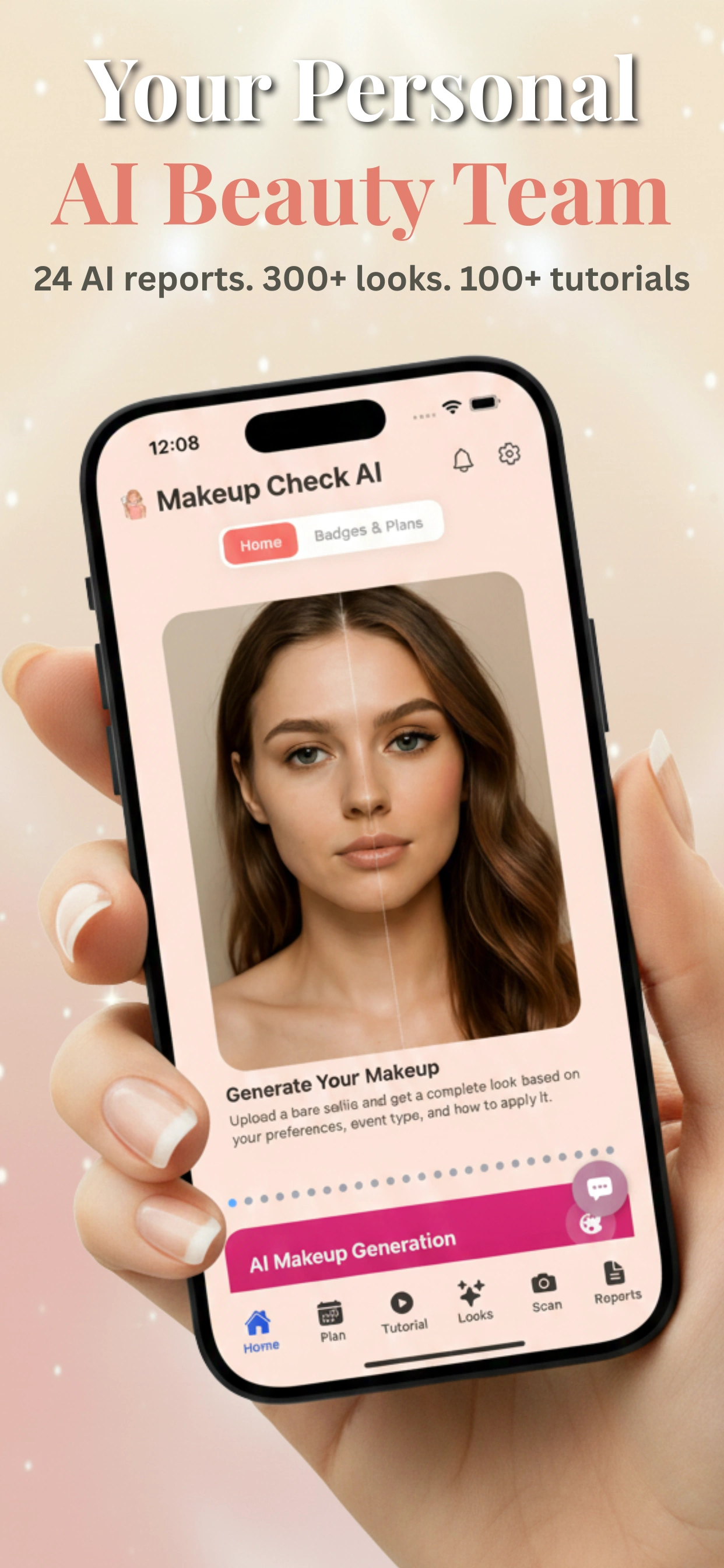
Modern AI beauty apps like Makeup Check AI can assist with foundation matching by analyzing your skin tone, type, and undertone. They provide:
- Personalized foundation shade finder matched to various brands.
- Undertone analysis through warm, cool, and neutral tests.
- Recommendations for formulas and finishes based on your skin concerns.
- Daily beauty plans and tutorials to support your makeup routine.
Explore AI-powered beauty tools to save time and reduce the chance of returns.
Conclusion
Finding the best foundation for your skin type involves skin type identification, undertone matching, formula selection, and shade testing. Understanding why foundation may oxidize and how to test in natural light can help you find a color match that works well. Leveraging AI tools like Makeup Check AI can support this process by offering personalized recommendations and making foundation shopping easier. With the right approach, your foundation can enhance your natural beauty with comfortable coverage.
FAQ
Q: What foundation is best for oily skin?
A: For oily skin, matte or semi-matte foundations with oil-free or water-based formulas are often recommended. Powder foundations or longwear liquid foundations that help control shine and minimize pore clogging may work well.
Q: What foundation is best for dry skin?
A: Dry skin often benefits from hydrating foundations with radiant or dewy finishes. Cream or serum foundations with moisturizing ingredients can help maintain skin's glow without emphasizing dry patches.
Q: How do I choose foundation for my skin type?
A: Start by identifying your skin type (oily, dry, combination, etc.), then pick a foundation formula and finish designed to complement it. Coverage level and undertone matching also influence the best choice.
Q: Should foundation be matte or dewy for combination skin?
A: Combination skin often looks good with semi-matte foundations that balance shine in oily areas and hydration in drier zones, providing a natural finish.
Q: How do I find my foundation undertone?
A: Use simple tests like checking your wrist veins, holding white paper next to your face, or seeing which jewelry (gold or silver) flatters your skin most to help determine if your undertone is warm, cool, or neutral.
Q: What foundation works best for acne-prone or sensitive skin?
A: Look for noncomedogenic, oil-free foundations with gentle ingredients. Mineral or water-based formulas can be soothing, and patch testing new products is important to avoid irritation.