Why Does Foundation Oxidize Orange? Complete Guide to Matching Foundation
Discover why foundation oxidizes orange, how to find your undertone, test shades, and choose the best foundation for your skin with expert tips and tools.


Estimated reading time: 15 min
Key Takeaways
- Foundation oxidation is a chemical change that can cause color shifts, sometimes resulting in shades appearing more orange after application, often occurring within a few hours.
- Understanding your undertone (warm, cool, neutral) is helpful for selecting the right foundation shade and may reduce issues related to oxidation exaggerating color mismatches.
- Skin oils, environmental factors such as humidity and pollution, and specific product formulations can influence foundation oxidation and its severity.
- Properly testing foundation shades before purchase—through multi-step observation methods—can help avoid mismatches and surprises from oxidation.
- Using primers suited to your skin type, setting powders, and choosing foundation formulas designed for your skin’s characteristics may reduce oxidation effects and prolong makeup wear.
Table of Contents
- Section 1: Understanding Foundation Oxidation and Its Causes
- Section 2: The Science Behind Foundation Turning Orange
- Section 3: Identifying Your Undertone: Warm, Cool, or Neutral
- Section 4: How to Match Foundation to Skin and Test Shades
- Section 5: Role of Skincare and Environmental Factors on Oxidation
- Section 6: Preventing and Managing Foundation Oxidation
Section 1: Understanding Foundation Oxidation and Its Causes
What Is Foundation Oxidation?
Foundation oxidation is a chemical process where the pigments and components within a liquid or cream foundation may react after application, potentially leading to a shift in color. Often, this results in the foundation darkening or adopting an orange or warmer tint compared to the initial shade seen in the bottle or upon first application. This phenomenon can occur due to the interaction of the foundation with oxygen in the air, your skin’s natural oils (sebum), sweat, and environmental elements such as humidity and pollution. The oxidation process can vary in speed and intensity based on these factors, sometimes becoming noticeable within 1-2 hours, but often within 2-4 hours post application.
Oxidation vs. Wrong Shade Match
It’s important to differentiate foundation oxidation from simply choosing the wrong shade. A wrong shade match is typically evident immediately after applying foundation — the color may be obviously too light, too dark, or the undertone may clash with your natural complexion, resulting in an unnatural or mismatched look. Oxidation, however, is a gradual color change that develops over several hours. For example, you may apply a foundation that appears to match your skin tone in the morning, but after a few hours, it may appear noticeably darker or warmer, sometimes shifting toward orange or reddish hues. This delayed change can cause confusion when selecting the right shade and may lead to frustration when a foundation initially looks suitable but then shifts undesirably.
Common Signs of Oxidation
- Foundation initially looks well-matched but darkens or acquires an orange or red tint after a few hours of wear.
- Oxidation tends to be more pronounced in areas of the face that produce more oil or sweat, such as the T-zone (forehead, nose, chin).
- Color change may appear patchy or uneven, corresponding with oilier skin zones, leading to a blotchy or inconsistent finish.
- The foundation texture might feel drier, cakey, or less smooth as it oxidizes, sometimes causing visible cracking or flaking.
- Makeup touch-ups may not fully reverse the oxidized look, indicating the foundation formula itself may be chemically changing.
Understanding foundation oxidation and its causes is a helpful step toward selecting products and routines that complement your unique skin chemistry, rather than working against it.
Section 2: The Science Behind Foundation Turning Orange
Role of Pigments and Iron Oxides
Foundation pigments primarily consist of iron oxides, which provide the earthy, warm tones ranging from yellow to red to brown. Iron oxides are generally stable pigments but can undergo chemical reactions when exposed to oxygen and oils. When the foundation is applied to skin, the iron oxides may undergo oxidation — a reaction in which the iron interacts with oxygen and other compounds, potentially intensifying the red and orange hues. This may explain why foundations with higher concentrations of iron oxides, especially those formulated to provide warm or medium-to-dark shades, can be more susceptible to turning orange over time.
Air Exposure and Solvent Evaporation
Foundations contain solvents such as water, alcohols, and silicones that evaporate after application to help the product set on the skin. As these solvents evaporate, the relative concentration of pigments and other solid components increases, which can deepen the color intensity. The longer the foundation remains exposed to air during this drying and setting process, the more pronounced this pigment concentration effect can be, potentially leading to a darker or warmer appearance. Additionally, the evaporation process can alter the chemical environment around the pigments, which may contribute to oxidation.
Impact of Skin Oils and Sebum
Skin oils, or sebum, secreted by sebaceous glands, can play a role in accelerating foundation oxidation. Oily skin types produce more sebum, which interacts with foundation ingredients, potentially breaking down emulsifiers and pigments, leading to chemical changes that cause color shifts. For example, sebum can cause pigments to clump or degrade unevenly, leading to patchy darkening. Additionally, environmental humidity and heat can increase sebum production and sweat, which may intensify oxidation. Some observations suggest that people in hot, humid climates may experience more rapid foundation color shifts due to increased skin oil output and moisture.
Formula Differences
- Oil-based foundations: These formulations suspend pigments in oils, which can sometimes slow oxidation by stabilizing pigment particles. However, the type of oil used matters — some oils oxidize themselves, potentially affecting the overall formula stability.
- Water-based or silicone-heavy foundations: These formulas rely on water or silicones as the main carrier solvents. Water-based foundations may oxidize faster if emulsifiers break down quickly. Silicone-heavy formulas can sometimes resist oxidation better but may also interact with primers or skin oils unpredictably.
- Antioxidant-enriched foundations: Some brands incorporate antioxidants such as vitamin E, green tea extracts, or anti-oxidation technologies designed to protect pigments from oxidation. These formulas may reduce color shifts, especially in oily or combination skin types.
Choosing a foundation formula that is compatible with your skin type and daily environment can help minimize oxidation and maintain color fidelity throughout the day.
Section 3: Identifying Your Undertone: Warm, Cool, or Neutral
Why Undertones Matter
Undertones are the subtle hues beneath the surface of your skin that influence how colors, including foundation shades, look on you. Correctly identifying your undertone can be helpful for selecting foundation shades that blend seamlessly, appear natural, and may minimize the risk of oxidation making your foundation look off. For example, a warm undertone foundation on cool undertone skin may exacerbate orange oxidation, making the mismatch more obvious.
How to Find Your Undertone
- Vein Test: Examine the veins on your inner wrist under natural daylight. Veins appearing distinctly blue or purple typically indicate cool undertones. If veins look greenish, your undertone is warm, as greenish veins are the result of blue veins seen through yellowish (warm) skin. If veins are hard to distinguish as blue or green, or appear a mix, you likely have a neutral undertone.
- Jewelry Test: Consider whether silver or gold jewelry flatters your complexion more. Silver tends to complement cool undertones, while gold enhances warm undertones. If both look equally flattering, you may have a neutral undertone.
- White Paper Test: Hold a plain white sheet of paper next to your face in natural light. If your skin looks rosy or pinkish by comparison, you are likely cool-toned. Yellowish or golden glows suggest warm undertones, while a beige or olive tone indicates neutrality.
- Sun Reaction: People with warm undertones often tan more easily, whereas those with cool undertones may burn or turn pink before tanning.
Warm, Cool, and Neutral Undertones Explained
- Warm Undertones: Skin tones with golden, peachy, or yellow hues. These undertones harmonize with earth tones, oranges, corals, and warm reds. Foundations for warm undertones often have yellow or golden bases.
- Cool Undertones: Skin shows pink, red, or blueish hues. Shades like blues, purples, and cool reds complement these undertones best. Foundations with pink or neutral bases suit cool undertones.
- Neutral Undertones: A balance between warm and cool, neutral undertones can wear a wider range of colors and foundation shades with more flexibility.
For those uncertain about their undertone, tools like the Free Color Analysis from Makeup Check AI use AI technology to analyze your skin tone and undertone, helping you make more informed foundation choices and reduce oxidation mismatches.
Section 4: How to Match Foundation to Skin and Test Shades
Choosing the Right Foundation Shade
Matching foundation shade correctly means aligning two main components: depth (how light or dark the shade is) and undertone (warm, cool, or neutral). A good match blends seamlessly into your natural skin tone without leaving visible lines or patches. This ensures a natural finish and may reduce the chance of oxidation making your foundation look off. For example, a foundation slightly too dark may oxidize further, creating an overly orange or muddy look. Conversely, a foundation with the wrong undertone may oxidize into a shade that clashes with your skin.
Testing Foundation for Oxidation Before Buying
- Swatch Test: Apply a small amount of foundation on your jawline or inner wrist to simulate the color’s appearance on your face. The jawline is ideal as it bridges your face and neck, ensuring better color continuity.
- Wait Time: Let the foundation settle for 15 to 30 minutes to allow any initial solvent evaporation and early oxidation to begin. Observe any darkening or color shifts.
- Lighting Check: Examine the swatch in different lighting conditions — natural daylight, indoor incandescent light, and fluorescent light. Each light source can alter perceived color, and oxidation effects may be more visible under certain lights.
- Wear Test: If possible, wear the foundation for several hours (ideally 4-6 hours) to observe how it holds on your skin and whether oxidation occurs. Some stores provide samples or testers for this purpose.
- Photograph Test: Take photos under natural light and compare to live appearance to detect subtle color changes that might not be obvious to the naked eye.
Foundation Shade Finder Tools
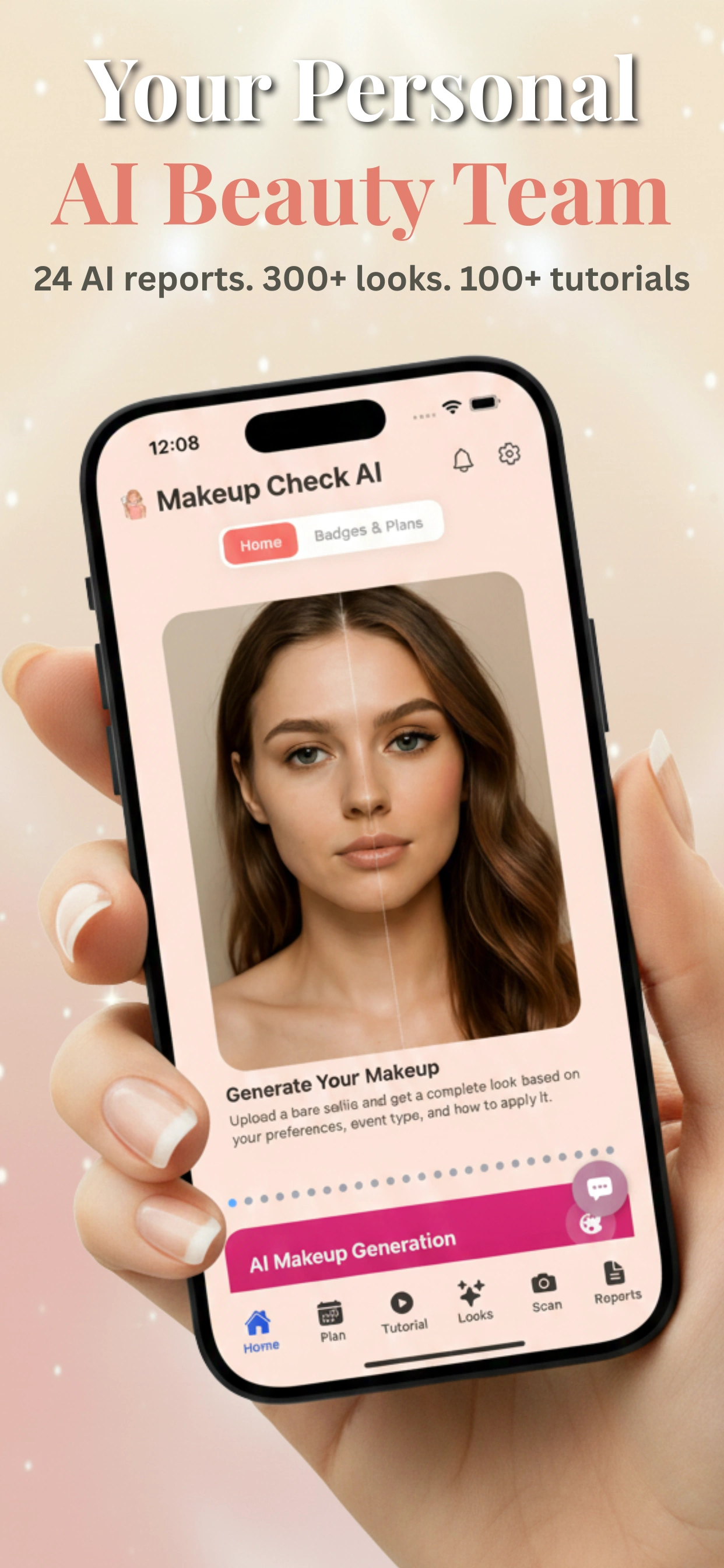
Technology has revolutionized shade matching. Tools like Makeup Check AI’s Foundation Shade Finder utilize AI algorithms to scan your face, analyze skin tone, texture, and undertone, and recommend foundation shades from multiple brands suited to your unique skin profile. These tools can reduce guesswork and help avoid oxidation surprises by guiding you to formulas and shades that complement your skin chemistry.
Beyond shade, your skin type should influence your foundation choice. For oily skin, matte or long-wear foundations with oil-controlling ingredients tend to resist oxidation better. Dry skin types benefit from hydrating or dewy-finish formulas that avoid clinging to dry patches or flaking. Combination skin requires balancing formulas or using different products on different face zones.
For more insights on leveraging technology in beauty, see our post on AI Makeup: The Future of Personalized Beauty Routines.
Section 5: Role of Skincare and Environmental Factors on Oxidation
How Skincare Products Affect Oxidation
Skincare products applied before foundation, such as moisturizers, primers, and sunscreens, can impact oxidation by interacting chemically or physically with foundation pigments. Ingredients in these products may alter the foundation’s pH, oil balance, or breakdown pigments, potentially accelerating or mitigating oxidation. For example, certain emollients or oils in moisturizers may increase foundation breakdown, while mattifying primers can reduce oil contact and oxidation.
Primer and Sunscreen Effects
- Primers: Silicone-based primers create a smooth barrier that reduces direct contact between skin oils and foundation, which may slow oxidation. For example, primers containing dimethicone or cyclopentasiloxane help lock foundation pigments in place. However, some primers containing oils or silicones incompatible with your foundation may cause separation or uneven oxidation.
- Sunscreens: Chemical sunscreens with active ingredients like avobenzone or oxybenzone may sometimes interact with foundation pigments or solvents, potentially increasing oxidation risk. Conversely, mineral sunscreens with zinc oxide or titanium dioxide are generally more inert and compatible, often reducing oxidation tendencies.
Environmental Influences
- Oily Skin: Skin that produces excess sebum increases the foundation’s exposure to oils, which can accelerate oxidation reactions.
- Heat and Humidity: High temperatures cause increased sweating and oil production, which may hasten pigment breakdown and color shifts.
- Pollution: Particulate matter in polluted environments can settle on skin and mix with makeup, potentially causing uneven oxidation, texture changes, or discoloration.
- Air Quality and UV Exposure: UV exposure can degrade pigments and formulas, sometimes promoting oxidation or fading.
Adjusting your skincare routine based on your skin type and local environmental conditions can be helpful in controlling foundation oxidation. For example, layering a mattifying primer followed by a translucent setting powder can help absorb excess oils and reduce pigment oxidation during the day.
Section 6: Preventing and Managing Foundation Oxidation
Choosing the Right Foundation Formula
Prevention starts with selecting foundations formulated specifically for your skin type and environment. Oil-free, long-wearing, and antioxidant-enriched foundations generally resist oxidation more effectively. When prone to oxidation, it may help to avoid formulas with excessive iron oxide pigment concentrations or those known for rapid color shifts. Brands often provide details on formulation chemistry and recommend products for oily, dry, or combination skin.
Use of Primers and Setting Powders
- Apply a mattifying or oil-controlling primer to establish a barrier between skin oils and foundation, reducing pigment breakdown.
- Use translucent setting powders, or powders with color-correcting properties (e.g., green or purple tints), to lock foundation in place and absorb excess oil that triggers oxidation.
- Throughout the day, reapply powder as needed, especially in the T-zone, to combat shine and slow oxidation.
- Consider blotting papers to remove excess surface oil without disturbing makeup.
Product Age and Storage
Foundation can oxidize inside its container over time due to prolonged exposure to air and ingredient degradation. For example, foundations past their shelf life (typically 6-12 months after opening) may exhibit altered color and texture. To reduce this risk, use fresh products, tightly close caps after use, and store foundations in cool, dry places away from direct sunlight or heat sources. Avoid shaking the bottle excessively, which can introduce additional air and potentially accelerate oxidation.
When to Accept Oxidation and When to Switch
If a foundation consistently oxidizes despite optimized skincare and application routines, it may be time to switch to a different formula or shade. Persistent oxidation can affect your overall look and confidence. Using AI-powered beauty apps like Makeup Check AI can help analyze your skin characteristics, recommend compatible products, and avoid oxidation-prone options. Additionally, exploring newer formulations with anti-oxidation technology or those designed for your specific skin type may improve your makeup experience.
Conclusion
Understanding why does foundation oxidize orange can help you achieve a natural makeup look that lasts throughout the day. Oxidation results from a complex interplay between pigments (especially iron oxides), skin oils, environmental factors, and product formulations. By identifying your undertone, carefully testing foundation shades before purchase, and choosing formulas suited to your skin type and environment, you can reduce the likelihood of unpleasant color shifts that disrupt your desired appearance. Integrating smart tools like AI-driven foundation shade finders and personalized beauty assistants, such as Makeup Check AI, empowers you to make informed, data-driven choices that enhance both your beauty routine and your confidence.
FAQ
Q: Why does my foundation turn orange after a few hours?
A: This can occur due to foundation oxidation — a chemical reaction involving oxygen in the air, skin oils, and environmental factors that may darken and warm pigments, especially iron oxides, causing an orange tint. The effect often becomes noticeable a few hours after application.
Q: Is my foundation oxidizing or is it just the wrong undertone?
A: If the foundation looks good immediately after application but changes color over time, it’s likely oxidation. If the color looks off right away — too pink, yellow, or dark — it’s more likely a wrong undertone or shade mismatch.
Q: How can I stop foundation from oxidizing on oily skin?
A: Use oil-controlling primers and mattifying setting powders to reduce oil interaction with foundation. Select oil-free or long-wearing foundation formulas with antioxidant properties. Throughout the day, blot excess oil to minimize oxidation.
Q: Does primer or sunscreen make foundation oxidize orange?
A: Some primers containing oils or silicones and certain chemical sunscreens may accelerate oxidation due to ingredient interactions. Silicone-based primers and mineral sunscreens tend to reduce oxidation by creating effective barriers or being chemically inert.
Q: How do I test a foundation for oxidation before I buy it?
A: Swatch foundation on your jawline or wrist, observe it in natural light, wait 15-30 minutes to check for color shifts, test under various lighting conditions, and if possible, wear it for several hours to monitor oxidation effects.
Q: Can foundation oxidize in the bottle over time?
A: Yes, foundation can oxidize within its container due to air exposure and ingredient breakdown, especially if stored improperly or kept beyond its shelf life. Using fresh products and proper storage can reduce this risk.