
How to Test Foundation Shade for a Perfect Skin Match
Learn how to test foundation shade, find your undertone, and avoid oxidation with this step-by-step guide and AI tools like Makeup Check AI.


Estimated reading time: 8 min
Key Takeaways
- Test foundation shade on your jawline for a more accurate match.
- Identify your undertone (warm, cool, or neutral) before choosing shades.
- Use natural daylight to evaluate foundation color and oxidation.
- Allow foundation to dry and oxidize before final judgment.
- Leverage AI tools like Makeup Check AI for personalized shade finder and color analysis.
Finding the right foundation shade can transform your makeup look, enhancing your natural beauty and creating a flawless finish. However, knowing how to test foundation shade correctly is important to avoid mismatches, oxidation, or harsh lines. This guide covers everything from identifying your undertone to testing foundation in the best lighting conditions, helping you pick a foundation that suits your skin type and tone.
Step 1: Understand Why Foundation Matching Matters
Matching foundation to your skin tone is not just about color but about blending seamlessly with your natural complexion, including your face and neck. A well-matched foundation evens out skin tone, hides imperfections, and looks natural in various lighting conditions.
Many makeup mishaps happen because the foundation is too light, too dark, or has the wrong undertone. Learning how to test foundation shade properly can help you avoid these issues and achieve a more natural base.
Step 2: Find Your Undertone – Warm, Cool, or Neutral
Your undertone is the subtle hue underneath your skin’s surface that influences what foundation shades will look natural on you. The three main undertones are:
- Warm: Yellow, golden, or peachy hues.
- Cool: Pink, red, or blue hues.
- Neutral: A balanced mix of warm and cool tones.
To find your undertone, try simple tests like looking at your wrist veins:
- If veins appear greenish, you may have a warm undertone.
- If veins look blue or purple, you may have a cool undertone.
- If it’s hard to tell, you might have a neutral undertone.
Knowing your undertone can help narrow down foundation shade options and avoid shades that look ashy, orange, or overly pink.
Step 3: Choose 2–3 Close Shade Candidates Before Swatching
Rather than picking just one foundation shade, select two or three shades close to your skin tone and undertone for testing. This increases your chances of finding a better match and allows you to compare subtle differences.
Many brands offer shade ranges that specify undertones, so look for those labels when selecting your candidates.
Step 4: Test Foundation on Your Jawline – The Best Spot
The most reliable area to test foundation shade is your jawline. This area bridges your face and neck, helping the foundation color blend naturally with both.
Avoid testing on your cheek or forehead alone, as these areas can differ in tone from your neck, potentially leading to mismatched foundation.
Apply small swatches of each shade side by side on your clean, moisturized jawline and blend them slightly.
Step 5: Use Natural Daylight or Window Light for Testing
Store lighting can distort how foundation looks because it often uses fluorescent or artificial bulbs that alter color perception. Instead, inspect your swatches in natural daylight or near a window.
Evaluating foundation in natural light reveals the true shade and helps you see if it disappears into your skin or stands out.
Step 6: Let Foundation Dry and Oxidize Before Deciding
Foundation can change color after application due to oxidation — a chemical reaction between the foundation ingredients and air or skin oils that can sometimes turn the product slightly orange or darker.
Wait at least 5–10 minutes after applying foundation on your jawline to see how it settles and oxidizes.
If you notice orange tones developing, that shade may not be the best match for you.
Step 7: Compare Foundation Shades Across Multiple Lighting Conditions
After the initial natural light check, view your foundation swatches in different lighting environments such as indoor lighting and shade. This helps you understand how the foundation will look throughout your day.
Remember, a foundation that looks perfect in one light but strange in another may not be an ideal match.
Step 8: Use the 'Disappears Into Skin' Rule to Pick Your Shade
The best foundation shade should blend into your skin without noticeable lines or patches. When you find the shade that blends seamlessly on your jawline and neck, you’ve likely found your match.
Don’t pick a foundation that just looks good on your hand or wrist — always test on your face area.
Step 9: Consider Seasonal Shade Changes for Summer and Winter
Your skin tone can change with seasons due to sun exposure or dryness, so it can be helpful to keep two foundation shades: one for summer (lighter or warmer) and one for winter (a bit deeper or neutral).
Rotate your foundation accordingly to maintain a natural look year-round.
Tips & Common Mistakes
Tips:
- Always start with clean, moisturized skin for the most accurate testing.
- Use a small brush or your finger to apply foundation swatches evenly.
- Check your undertone using online tools or apps like Makeup Check AI for additional guidance.
- Try virtual shade finder tools to narrow down your options before physical testing.
Common mistakes:
- Testing foundation solely on your hand or wrist, which can differ in tone from your face.
- Not allowing foundation to dry and oxidize before judging the color.
- Relying only on artificial or store lighting to pick shades.
- Ignoring undertone, which is important to avoid mismatched foundation.
Conclusion
Mastering how to test foundation shade can help you create a flawless makeup base that enhances your natural beauty. By understanding your undertone, choosing the right test area on your jawline, using natural lighting, and allowing foundation to oxidize, you can better pick a shade that suits you.
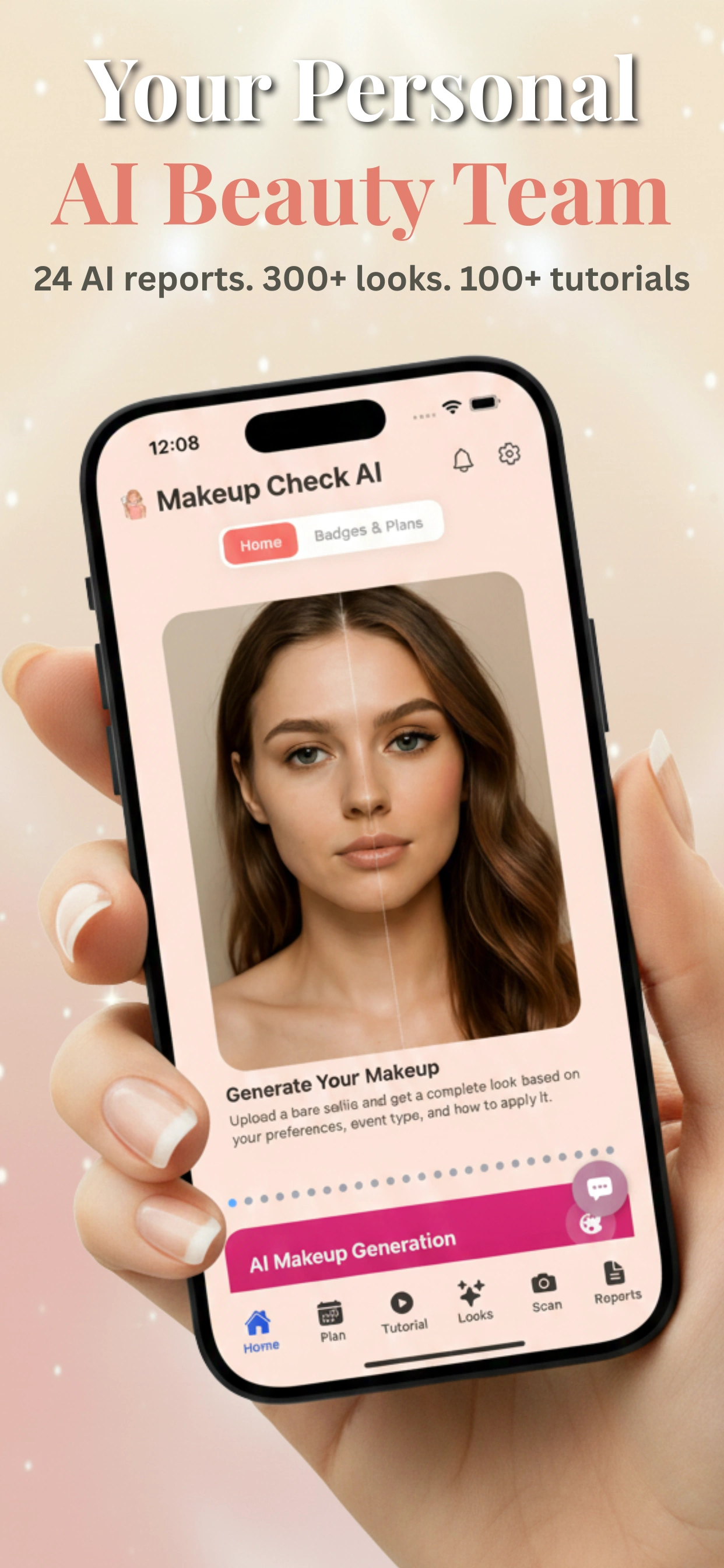
For a personalized, AI-driven approach to foundation shade matching and undertone analysis, explore tools like Makeup Check AI. This app offers detailed color-season analysis, foundation shade finders, and daily beauty plans tailored to your unique complexion.
FAQ
Where should you test foundation shade on your face?
The best place to test foundation shade is your jawline because it connects your face and neck, allowing for a seamless color match.
Should you test foundation on your jawline, cheek, or neck?
Test on the jawline primarily. While cheeks and neck can be used, the jawline gives a more accurate indication of how the foundation will blend with both your face and neck.
How do you know if foundation matches your skin tone?
A foundation matches your skin tone if it blends into your skin without leaving visible lines or color differences, especially on your jawline and neck.
Do you need to wait for foundation to oxidize before choosing a shade?
Yes, waiting 5–10 minutes after application allows the foundation to dry and oxidize. This helps avoid picking shades that may turn orange or darken over time.
How do you find your undertone for foundation matching?
You can find your undertone by checking your wrist veins, trying the warm, cool, or neutral undertone test, or using AI tools like Makeup Check AI’s color analysis.
What lighting is best for testing foundation shade?
Natural daylight or window light is best for testing foundation shade because it shows the true color without distortion from artificial lighting.