10 Makeup Photography Hacks to Elevate Your Beauty Shots
Discover 10 makeup photography hacks to enhance your beauty shots with effective lighting, gear, and editing techniques for stunning results.

Estimated reading time: 8 minutes
Key Takeaways
- Accurate Color starts with proper lighting and white balance.
- Lighting Setups like clamshell, softboxes, and ring lights reveal true texture.
- Right Gear – from macro lenses to tripods – ensures crisp detail.
- Composition techniques guide the viewer’s eye and highlight your focal points.
- Natural Editing preserves skin texture and avoids over-saturation.
- Bonus Hacks like DIY reflectors and colored gels add creative flair.
Table of Contents
- Understanding the Basics of Makeup Photography Hacks
- Essential Lighting Techniques for Makeup Photography Hacks
- Camera Gear and Settings Recommendations for Makeup Photography Hacks
- Composition and Background Tips for Makeup Photography Hacks
- Post-Processing and Editing Techniques for Makeup Photography Hacks
- Additional Makeup Photography Hacks
- Conclusion & Call-to-Action
Understanding the Basics of Makeup Photography Hacks
Define Makeup Photography
Makeup photography is the specialized art of capturing the true shade, finish, and texture of cosmetics. It focuses on accurate color, sharp detail, and clear representation of shimmer, matte, or satin products. In 2026, with the rise of hyperrealistic beauty content and AI-powered comparison tools, authenticity in makeup photography is more critical than ever.
Why It Matters
On platforms like Instagram and TikTok, high-quality makeup photos help creators and brands stand out in a crowded space. Good images build trust, drive engagement, and make products look real and desirable. A clear shot can mean more followers, clicks, and sales, especially as shopping features and AI-driven recommendations become standard.
Common Challenges
• True-to-life color capture – Poor lighting or wrong white balance can shift hues.
• Reflections and glare – Oily skin or glossy products cause bright hotspots.
• Detail loss – Fine shimmer or texture can blur if focus or light is off.
• AI detection – Over-edited or filtered images can now be flagged as "artificial" by some social platforms, reducing reach.
Real-World Example
A beauty influencer shared two Instagram posts: one in mixed daylight and one under a single softbox. The softbox shot showed every sparkle in the eyeshadow, boosting likes by 40%. In 2026, creators using AI-powered photo review apps like Makeup Check AI report up to 60% more engagement when following best practices for lighting and color accuracy.
Essential Lighting Techniques for Makeup Photography Hacks
Lighting can make or break your makeup photos. Mastering light turns good shots into great ones. In 2026, affordable smart lighting kits and app-controlled LEDs make pro setups more accessible than ever.
Natural Lighting
Use soft, indirect daylight. A north-facing window gives an even glow and true color. Avoid direct sun that creates harsh highlights and deep shadows. In 2026, smart window diffusers and portable daylight panels are widely available for under $50, making it easier to simulate perfect daylight indoors.
Artificial Lighting
- Softboxes & Beauty Dishes
Large diffused light sources soften shadows and reveal skin texture. LED softboxes now offer adjustable color temperature (2700K–6500K) for precise control. - Ring Lights
Circular LED lights wrap around your lens, highlighting facial features and reducing blemish shadows. Modern ring lights often include built-in RGB options and app controls for quick adjustments. - Diffusers & Reflectors
Diffuse light evenly and bounce fill light under the chin or cheeks with foam boards or V-flats. In 2026, collapsible reflectors with magnetic attachments are popular for quick setup.
Clamshell Lighting Setup
- Main light above and in front at a 45° angle.
- Fill light or reflector below the chin to soften shadows.
- Backdrop light or V-flats behind the subject for a clean white background.
Tips to Avoid Glare
• Angle lights slightly off-center to reduce hotspots.
• Attach a grid or snoot to focus the beam where you want it.
• Use polarizing filters on your camera lens to minimize unwanted reflections—now available for most smartphone cameras in 2026.
For advanced selfie lighting tricks, check out this guide.
Camera Gear and Settings Recommendations for Makeup Photography Hacks
Choosing the right tools sets the stage for clarity and detail. In 2026, camera technology—especially on smartphones—has advanced, but dedicated gear still makes a difference for pro results.
Cameras Overview
- Smartphone
Pros: Portable, built-in editing apps, advanced computational photography. Cons: Small sensors can still struggle in very low light. Top 2026 models (like the iPhone 18 Pro and Samsung Galaxy S26 Ultra) offer AI-powered macro modes and RAW capture. - DSLR
Pros: Large sensor, manual control, excellent for studio work. Cons: Bulkier, but now more affordable as mirrorless dominates the market. - Mirrorless
Pros: Compact, fast autofocus, real-time preview. Cons: Battery life is better in 2026, but still shorter than DSLRs for all-day shoots.
Lenses
- Macro lens (60–100mm)
Ideal for extreme close-ups of skin texture or shimmer. In 2026, smartphone clip-on macro lenses with multi-element glass deliver near-DSLR quality for under $80. - Prime 50mm f/1.8
Offers sharp clarity and soft background bokeh to isolate your subject. Many mirrorless starter kits now include this lens.
Detailed Settings Guide
- Aperture: f/2.8–f/5.6 for sharp focus on eyes or lips with blurred background. Smartphone "Portrait Mode" now allows manual aperture simulation in 2026.
- ISO: under 400 to keep digital noise low. Modern sensors allow ISO 800+ with minimal degradation, but lower is still best for skin detail.
- Shutter Speed: ≥1/100s to prevent blur. For handheld shots, use built-in stabilization or a tripod for sharpness.
- White Balance: Custom or preset to match your light source. 2026 smartphone cameras offer one-tap white balance cards in-app.
Stabilization Tools
- Tripod
Look for sturdy legs and adjustable height. Carbon-fiber tripods are more affordable in 2026 and favored for portability. - Smartphone Clamp or Mini-Tripod
Great for vlog-style demos or flat-lay setups. Many now include Bluetooth remote triggers for hands-free shooting.
Pro tip: In low light, a mirrorless camera at f/2.8 and ISO 200 produces sharper, more detailed shots compared to a smartphone, especially around eyelashes and glitter. However, 2026 flagship smartphones close the gap with multi-frame AI stacking for detail.
Composition and Background Tips for Makeup Photography Hacks
Good composition guides the viewer’s eye and makes your makeup pop. In 2026, AI-powered apps can suggest real-time framing and flag distracting elements, but understanding the basics is still key.
Composition Principles
- Rule of Thirds
Place eyes or lips on grid lines for a balanced frame. Most camera apps now offer overlay guides. - Leading Lines
Use brushes or arms angled toward the face to draw focus. - Negative Space
Leave blank areas around your subject for breathing room. AI cropping tools in 2026 can help you optimize this for each platform.
Background Selection
- Neutral Palettes
White, grey, or soft pastels keep focus on makeup. - Textured Backdrops
Marble, wood, or soft fabric adds context without stealing attention. In 2026, reusable vinyl backdrops with realistic textures are widely available for under $30.
Prop Usage
- Minimalist Props
Show a brush or open compact beside the face. Keep it simple to avoid clutter. For 2026, magnetic prop holders are popular for holding products in place during flat-lays.
Shot Styles with Purpose
- Extreme Close-Up
Highlights eyeshadow, glitter, or skin finish. - Before-and-After
Side-by-side shots with identical framing to show transformation. Some 2026 editing apps automate this layout for you. - Product & Application Tools
Show packaging or swatches on hand for a full product story. Use AI-based skin tone matching tools to ensure swatch accuracy.
Learn the best angles for makeup selfies and get professional photoshoot makeup advice.
Trust tip: Always check your background for stray hairs or lint. A clean frame builds credibility. In 2026, AI background cleanup tools can help, but manual checks are still best for authenticity.
Post-Processing and Editing Techniques for Makeup Photography Hacks
Edit with care. Enhance clarity and color but keep it real. In 2026, AI-powered editing tools can automate many steps, but manual adjustments keep your style unique.
Editing Goals
Maintain a natural look. Boost true-to-life color and crisp detail without going overboard. Social platforms now use AI to detect and demote over-edited or misleading beauty content, so authenticity matters more than ever.
Step-by-Step Editing Workflow
- Import RAW or highest-quality JPEG. Most 2026 smartphones support RAW DNG files.
- Adjust white balance to fix color cast. Use digital gray cards or in-app AI suggestions.
- Increase exposure or brightness to open shadows. Avoid crushing highlights.
- Subtly boost contrast and vibrance for punch. AI "beauty boost" filters can be helpful but use at low intensity.
- Apply sharpening (50–70% radius) to reveal fine makeup lines and shimmer. In 2026, use "texture" sliders for even finer control.
Recommended Tools
- Adobe Lightroom
Full control on desktop or mobile; great for batch editing. 2026 version includes AI masking for precise retouching. - Snapseed
Quick mobile edits with simple sliders and new AI retouch tools. - Facetune
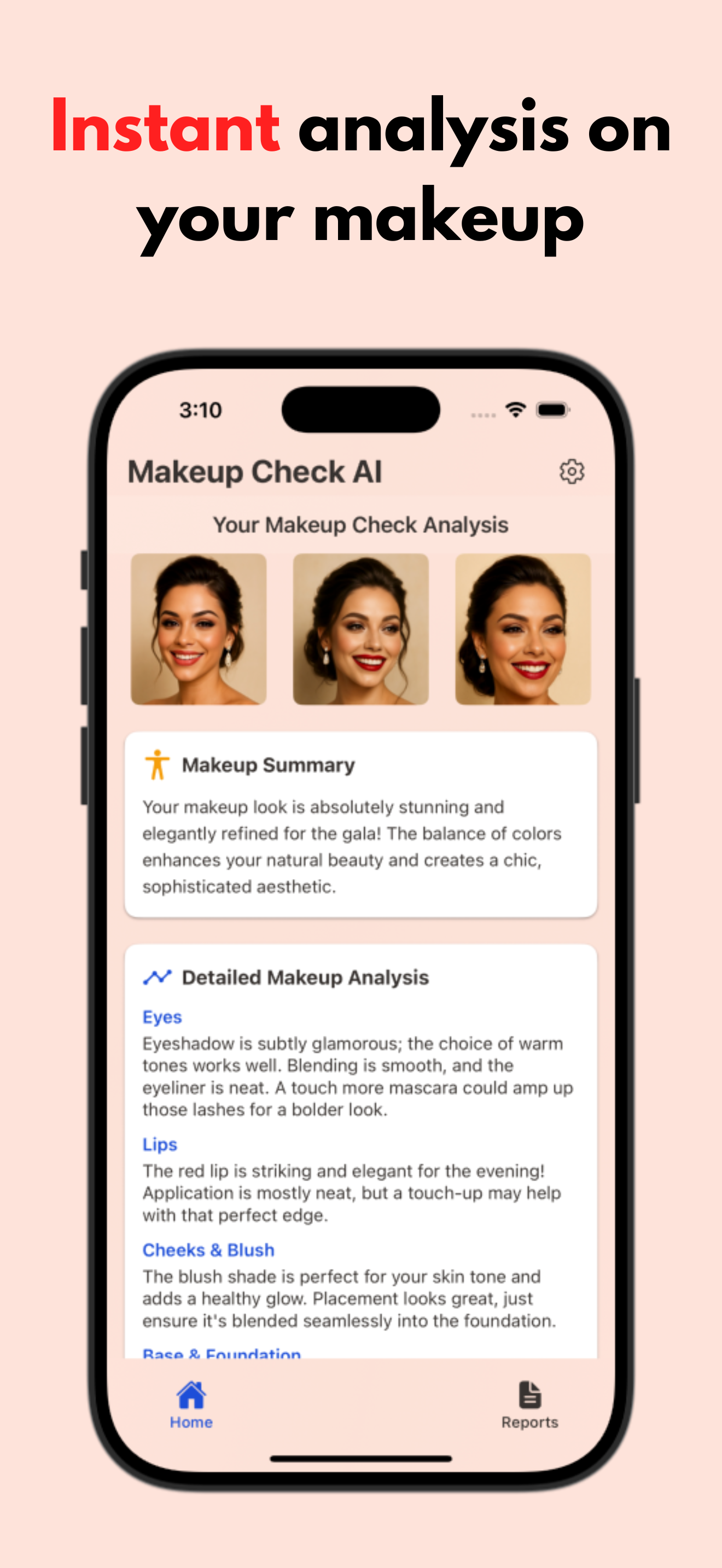
For light skin retouching; use sparingly to keep texture. 2026's "Real Skin" mode preserves natural pores. - Makeup Check AI
Upload your photo to get instant AI feedback on lighting, color accuracy, and editing realism.
Pitfalls to Avoid
- Over-saturation
Can turn lipstick or eyeshadow neon and fake. AI detectors in 2026 may flag this as "unrealistic" and reduce your post's visibility. - Skin Over-Smoothing
Loses natural pores and skin character. Social platforms now reward "real skin" images in beauty feeds.
Expert tip: Set up a custom preset in Lightroom for consistent brightness, contrast, and sharpness across all your shoots. In 2026, you can sync these presets across devices instantly via cloud.
Additional Makeup Photography Hacks
Add these quick tricks to take your beauty shots further. New in 2026: many of these can be automated or enhanced with AI-powered apps, but hands-on creativity still stands out.
DIY Reflector Hack
Use a white foam board or aluminum foil over cardboard to bounce fill light under the chin and brighten eyes. In 2026, foldable reflectors with adjustable color temperature surfaces are available for under $20.
Angle Experiments
- Overhead Shots
Lay brushes and palettes flat for styled flat-lay images. Use a phone gimbal or articulated arm for perfect alignment. - Side Angles
Emphasize cheekbone contours and highlight placement. AI-powered guides in camera apps can suggest flattering side angles in real time.
Creative Lighting Effects
- Colored Gels
Create mood shots with pink or lavender gels over your lights. In 2026, smart LED panels can reproduce any gel color at the touch of a button. - Patterned Gobos
Cast artistic shadows by shining light through lace or leaves. 3D-printed gobos are now easy to order online for custom effects.
Quick Fixes
- Blot Oily T-Zone
Use a tissue or translucent powder before shooting. In 2026, oil-absorbing blotting films are available in eco-friendly, compostable packaging. - Eyelash Mist
Spray a fine mist of water on lashes for a dewy texture in close-ups. Mini facial misters are a popular kit addition for makeup artists.
Trustworthy tip: Label and store your gels and reflectors in zip bags to avoid dust or scratches. In 2026, QR-coded storage pouches help you track your gear inventory.
For quick feedback on your beauty shot techniques, try Makeup Check AI, which analyzes your makeup photos and offers tailored tips using up-to-date 2026 standards for color accuracy and realism.
Conclusion & Call-to-Action
We’ve explored 10 makeup photography hacks across six key areas: basics, lighting, gear & settings, composition, editing, and bonus tips. Try at least one hack in your next shoot to see instant improvement. Share your before-and-after shots or ask questions in the comments below—let’s elevate our beauty shots together!
FAQ
Q: How do I achieve true color capture in makeup photography?
A: Use a custom white balance or preset that matches your light source and shoot in RAW to correct any shifts in post-processing. In 2026, you can use AI-powered color cards and in-app calibration for even more accuracy.
Q: What lighting setup is best for close-up detail?
A: A clamshell setup with a softbox above and a reflector below the chin provides soft, even light that reveals texture without harsh shadows. Smart LED softboxes and app-controlled reflectors make this setup easier than ever in 2026.
Q: How can I avoid over-editing skin texture?
A: Apply sharpening sparingly and avoid heavy skin-smoothing tools. Use "Real Skin" modes in modern editing apps to enhance details like shimmer while preserving natural pores. Social platforms now prioritize authentic skin texture in beauty content feeds.