
Foundation Matching: How to Find Your Perfect Shade with AI Precision
Discover expert foundation matching tips including undertones, swatching spots, oxidation effects, and AI tools for flawless makeup every time.


Estimated reading time: 15 min
Key Takeaways
- Understanding your skin undertone and depth can help with foundation matching, as it supports choosing a foundation that complements your natural complexion.
- Swatch foundation on key areas like the jawline and neck in natural light to better evaluate the true color and blendability.
- Foundation oxidation may darken or alter the shade after application—choosing a slightly lighter shade or non-oxidizing formula might help mitigate this.
- AI-powered foundation matching tools can provide personalized shade recommendations by analyzing your unique skin characteristics.
- Seasonal skin changes and brand formulation differences can affect foundation choice; sampling helps minimize mismatches and supports finding a versatile match year-round.
Table of Contents
- Section 1: Understanding Skin Undertone and Depth
- Section 2: Best Places to Swatch Foundation
- Section 3: The Importance of Natural Light and Oxidation
- Section 4: Using AI and Tools for Accurate Foundation Matching
- Section 5: Matching Foundation Across Brands and Shades
- Section 6: Seasonal Changes and Troubleshooting Mismatches
Conclusion
FAQ
Section 1: Understanding Skin Undertone and Depth
What Are Skin Undertones?
Skin undertones are the subtle hues that lie beneath the surface color of your skin. Unlike your surface skin tone—which can change due to sun exposure, redness, or irritation—undertones tend to remain relatively consistent and influence how makeup products appear on you. Recognizing your undertone can be helpful for foundation matching because it supports choosing a foundation that harmonizes with your natural complexion rather than creating an unnatural or mismatched effect.
The three primary categories of undertones are:
- Cool: These undertones exhibit pink, red, or bluish hues. People with cool undertones often notice their skin has a rosy or slightly bluish tint. Jewelry in silver, white gold, or platinum tends to complement cool undertones well.
- Warm: Warm undertones have yellow, golden, or peachy hues. Those with warm undertones often find that gold jewelry enhances their complexion. Their skin may have a sunny, golden, or olive tint.
- Neutral: Neutral undertones are a balanced blend of warm and cool. People with neutral undertones can often wear both silver and gold jewelry well and have skin tones that don’t strongly lean pink or yellow.
Choosing a foundation that matches your undertone can help prevent clashing colors such as a foundation that looks too orange on cool undertones or too ashy on warm tones.
How to Identify Your Undertone
Determining your undertone can be approached using a few simple tests, which are best done in natural light for accuracy:
- Vein Test: Examine the veins on the inside of your wrist. If they appear blue or purple, you may have cool undertones. Greenish veins suggest warm undertones. A combination or difficulty determining the color may indicate neutral undertones.
- Jewelry Test: Consider which jewelry tones flatter you most. Silver jewelry tends to complement cool undertones, while gold flatters warm undertones. If both look equally good, you may have neutral undertones.
- White Paper Test: Hold a plain white sheet of paper next to your face in natural light. If your skin appears rosy, pink, or bluish by contrast, you may have cool undertones. If your skin looks yellow or golden, you may have warm undertones. Neutral undertones won’t show a distinct pink or yellow tint.
- Sun Reaction: How your skin responds to sun exposure can also offer clues. Those who burn easily often have cool undertones, while those who tan more readily tend to have warm undertones.
Determining Skin Depth (Tone)
Skin depth refers to the overall darkness or lightness of your skin color. This can guide you in selecting the correct shade within your undertone category. For example, two people with warm undertones might require different shades if one has fair skin and the other has deep skin.
- Fair: The lightest skin shades, often with delicate undertones, such as porcelain or ivory. These skin tones may be more prone to redness and may have pink or peachy undertones.
- Light/Medium: Moderate pigmentation with clear undertones visible. This category includes shades often described as beige or light tan.
- Tan: Noticeably darker than medium skin, often with sun-kissed warmth and golden or olive undertones.
- Deep: Rich, dark skin tones with undertones that can be warm, cool, or neutral. Deep skin tones require foundations with enough depth and pigment to match without appearing ashy or muddy.
Understanding both undertone and depth can help narrow down your foundation options, reducing the trial-and-error process. For example, if you know you have a cool undertone and medium depth, you can focus on foundation lines that offer shades labeled as "cool beige" or "neutral medium" rather than warm or overly light shades.
Section 2: Best Places to Swatch Foundation
Why Placement Matters
Testing foundation in the correct location on your skin is important for achieving a natural-looking match. The color and texture of your skin can vary across your face due to sun exposure, natural shadows, redness, or dryness. If you swatch foundation only on one area, such as the cheek, you might miss how the color interacts with other parts of your face or neck.
Moreover, the goal is to find a foundation that blends seamlessly from your face onto your neck and chest, creating a uniform, natural look without visible lines or mismatched colors.
Top Swatching Spots
- Jawline: Considered the gold standard for foundation testing. The jawline bridges the face and neck, so matching here helps ensure the foundation color flows naturally between these areas. Swatching along the jawline helps prevent the "mask effect," where the face appears a different color from the neck.
- Neck: Some people prefer swatching along the neck because it often reflects the true skin tone of the body. Matching the neck is especially important if your face has redness, sun damage, or discoloration that can affect the match.
- Chest/Decolletage: Useful for people whose face tones vary due to acne scars, rosacea, or uneven pigmentation. The chest usually has a more consistent color and can help guide the foundation shade for a natural look extending beyond the face.
- Forehead: Less common but helpful if your skin tone is uniform and unaffected by sun damage or redness. However, since the forehead can sometimes be lighter or darker than other areas, it’s best paired with jawline swatching.
How to Swatch Correctly
Follow these steps for effective foundation swatching:
- Apply three small swatches of different foundation shades along your jawline, spaced evenly apart.
- Using clean fingers or a brush, gently blend each swatch into your skin without rubbing or smearing.
- Observe which shade visually disappears into your skin without leaving a noticeable edge or line.
- Wait at least 10-15 minutes after application to allow the foundation to settle and oxidize, if it does, before making a final judgment.
- Check your swatches in natural light, as artificial lighting can distort the foundation’s true shade.
Taking photos of your swatches next to your face in natural light can also help you compare later if you’re shopping online or consulting with beauty advisors.
Section 3: The Importance of Natural Light and Oxidation
Why Natural Light Is Essential
Lighting plays a pivotal role in how foundation color is perceived. Artificial lighting—such as fluorescent or incandescent bulbs—often casts color biases that can mislead your perception:
- Fluorescent lighting tends to emit a cool, bluish tone, which can make warm foundations look more muted or gray.
- Incandescent lighting emits a warm, yellow-orange tone, which may make cool foundations appear too pink or pale.
- Store lighting is often bright and mixed, sometimes with multiple light sources, making it challenging to judge undertones correctly.
Therefore, it’s best to test foundation near a window or outdoors during daylight hours, ideally mid-morning or late afternoon when the light is soft and balanced. This helps reveal the foundation’s true undertones and how it blends with your skin.
Natural light also makes it easier to detect imperfections in application, such as streakiness, patchiness, or uneven blending.
Understanding Oxidation
Oxidation is a chemical reaction that can occur when the pigments in foundation interact with the oils on your skin and exposure to air, sometimes causing the foundation to darken or change tone over time. This can transform a foundation that initially appeared to be a good match into a shade that looks orange, muddy, or too dark within minutes to hours after application.
Key points about oxidation:
- Ingredients such as iron oxides are common pigments that may oxidize on the skin.
- Skin type influences oxidation; oilier skin may promote faster or more noticeable oxidation.
- Oxidation varies between foundation formulas; some brands formulate their products to be more stable on the skin.
- Environmental factors like humidity, sweat, and pollution can also affect oxidation.
To properly test for oxidation, apply the foundation swatches and wait 10-15 minutes before evaluating the color. This waiting time gives the foundation a chance to interact with your skin’s chemistry and reveal any color changes.
Tips to Minimize Oxidation
- Use a mattifying or oil-control primer to reduce excess sebum, which can accelerate oxidation.
- Set your foundation with a translucent setting powder to lock in the color and minimize oil exposure.
- Throughout the day, use blotting papers to absorb excess oils without disturbing the foundation.
- Consider foundations with formulas designed to resist oxidation, often indicated on packaging or brand websites.
- Regularly cleanse your skin to remove buildup that can interact with foundation pigments.
Section 4: Using AI and Tools for Accurate Foundation Matching
The Rise of AI in Foundation Matching
Artificial intelligence (AI) has increasingly been used in the beauty industry to provide personalized foundation matches that consider nuances of skin tone, undertone, texture, and lighting conditions. Traditional methods rely heavily on subjective swatching and guesswork, which can sometimes lead to frustration and returns.
AI-powered tools analyze your skin in detail, offering recommendations that draw from databases of foundation shades across multiple brands and formulas.
How AI Foundation Matchers Work
- Face Scanning: Users upload selfies captured in natural light. AI algorithms map skin color, undertones, and sometimes texture or blemishes by analyzing pixel data and color distribution.
- Shade Recommendation: The AI compares your skin profile against many foundation shades, identifying close matches from a variety of brands, including drugstore and luxury lines.
- Virtual Try-On: Some AI tools provide augmented reality features allowing you to "try on" foundation shades digitally in real time, helping visualize the color before purchase.
- Personalized Reports: Detailed breakdowns of your undertone, skin depth, and compatibility with different formulations and finishes (matte, dewy, satin) can help guide your choice.
Benefits of AI-Powered Foundation Matching
- Personalized: AI considers subtle undertone variations and skin depth that may be missed by the naked eye.
- Cross-brand equivalencies: Helps discover matching shades across brands, facilitating product switching or shopping based on price and availability.
- Time and cost-saving: Can reduce the need for in-store trials, sample purchases, and returns due to mismatched shades.
- Educational: Some AI platforms include tutorials, skincare tips, and application advice tailored to your skin type and preferences.
- Convenience: Enables shopping from home, useful when visiting physical stores is limited.
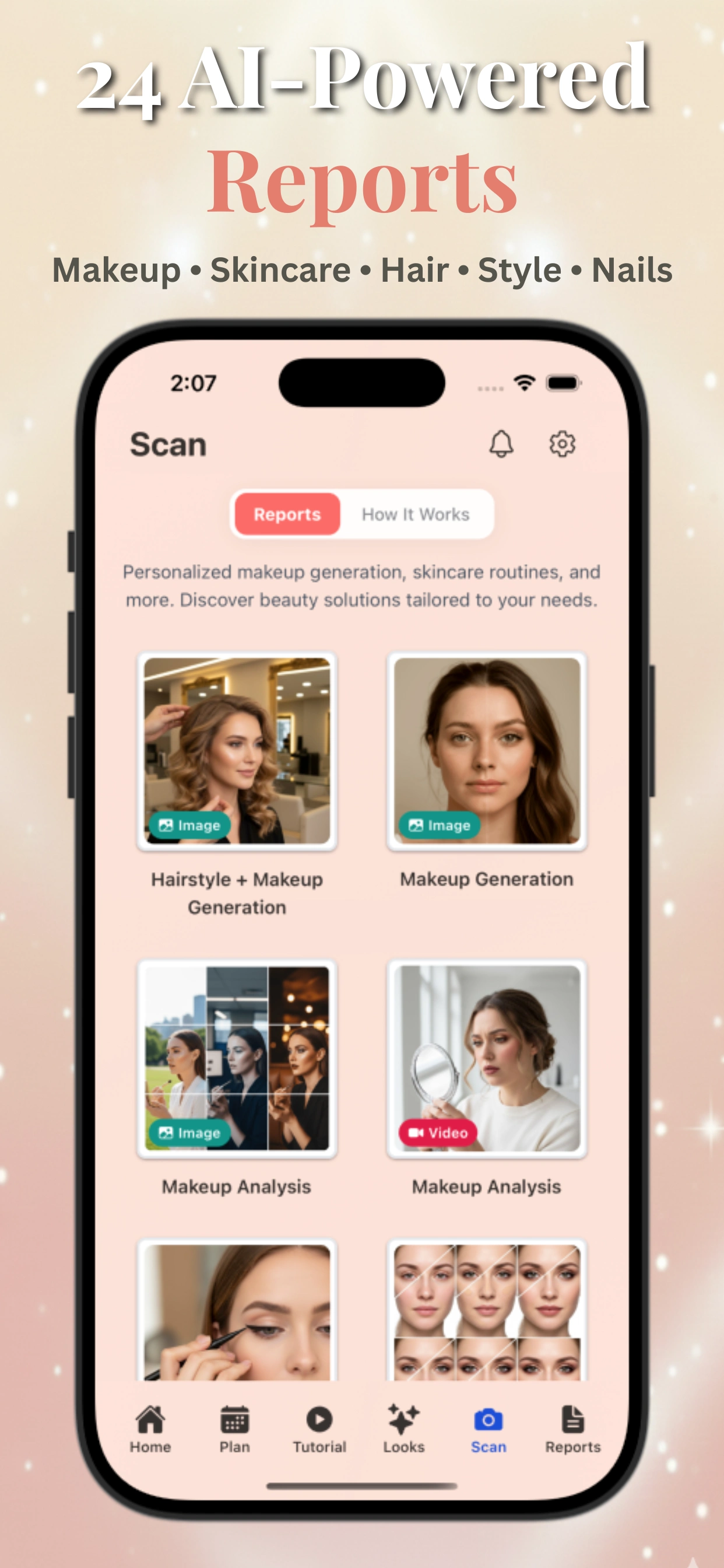
Applications like Makeup Check AI offer solutions including multiple AI-powered reports analyzing foundation and overall makeup application, plus access to tutorials designed to help users master their beauty routine with confidence.
Section 5: Matching Foundation Across Brands and Shades
Challenges in Cross-Brand Matching
One challenge in foundation shopping is the inconsistency between brands. Shade names and numbering systems vary greatly, which means your trusted shade in one brand may not correspond directly to another. For example, the popular MAC shade NC25 does not equate exactly to Fenty Beauty's 210 or Maybelline's 220.
Differences in formulation also affect appearance. Matte foundations may appear darker or more opaque than dewy or sheer formulas, even in the same shade number. Furthermore, brands interpret undertones differently, with some leaning more pink, yellow, or neutral in their shade offerings.
- Shade naming conventions: Some brands use alphanumeric codes (e.g., NC, NW in MAC), others use descriptive names (e.g., "Warm Beige"), and some use just numbers.
- Formulation differences: Coverage level, finish (matte, satin, dewy), and ingredients affect how a shade looks on the skin.
- Undertone interpretation: Brands may categorize undertones differently, so a "warm" shade in one brand might be neutral or cool in another.
Using Shade Finder Tools and Equivalents
To help with these challenges, many online shade finder tools and AI apps provide equivalency charts or calculators. By inputting a shade you already wear, these tools can suggest the closest matches in other brands, reducing guesswork.
- Input your known shade and brand to receive recommended matches across a wide range of brands.
- Use virtual try-on features to preview how these shades look on your skin before purchasing.
- Check for user reviews and photos to see how the shade performs in real life.
- Whenever possible, order samples or trial sizes of recommended shades to test in person.
Ordering Samples and Returnable Options
When shopping online, taking advantage of sample sizes or return policies can save money and reduce frustration:
- Look for brands or retailers offering sample kits, trial sizes, or miniatures. Some companies provide these for a nominal fee or free with purchase.
- Review the return and exchange policies carefully before ordering. Some brands offer refunds or exchanges if the shade doesn’t match, while others may have restrictions.
- If you’re unsure between two shades, order both to test and return the one that doesn’t work. This is especially helpful if you fall between two shades or have seasonal tone changes.
- Consider subscribing to foundation sample services or beauty boxes that send curated sample selections based on your skin profile.
Section 6: Seasonal Changes and Troubleshooting Mismatches
How Seasonal Skin Changes Affect Your Match
Skin tone can fluctuate with seasons due to sun exposure, humidity, dryness, and skin health. These changes can influence both the undertone visibility and depth, affecting how your foundation matches throughout the year.
- In summer, increased sun exposure can deepen your skin tone or bring out golden undertones, which may require a darker or warmer foundation shade.
- During winter, reduced sun exposure often lightens the skin and may reveal cooler undertones, which might necessitate a lighter or cooler foundation shade.
- Dryness in colder months can also change how foundation applies and settles, sometimes making the skin look patchy or dull.
- To accommodate these shifts, many people maintain two foundation shades—one for the warmer months and one for the cooler months—to help ensure a natural look year-round.
- Foundation mixers or adjusting coverage with tinted moisturizers can help fine-tune the shade if you prefer to use a single product.
- Some AI beauty apps can track skin changes over time by analyzing periodic selfies, recommending updated foundation matches as your skin tone evolves.
Troubleshooting Common Mismatches
If your foundation looks off, it’s helpful to identify the specific issue to correct it effectively:
- Orange Foundation: This can result from oxidation or selecting a shade that is too warm for your undertone. Switching to a cooler undertone shade or a non-oxidizing formula may help.
- Pink Foundation: Indicates a cool undertone mismatch or a foundation that is too light for your skin depth. Trying a slightly deeper or more neutral shade might improve the match.
- Ashy or Grayish Foundation: Often caused by using a shade that is too cool or a formula that does not complement your undertone, particularly common in deeper skin tones. Opting for warmer or neutral undertones and richer pigmentation can help.
- Mismatch in Color Between Face and Neck: May indicate incorrect swatching or uneven application. Blending foundation down the neck and chest can create a seamless transition.
Tips to Fix Mismatched Foundation
- Mix Foundations: Combine two shades to customize a better match, especially useful if your skin tone fluctuates or falls between shades.
- Use Color Correctors: Applying peach or orange correctors can neutralize ashy tones on deeper skin, while green correctors can counteract redness before foundation application.
- Adjust Application: Blend foundation carefully down the neck and chest to avoid harsh lines or mismatches.
- Layering: Use a tinted moisturizer or sheer foundation over a heavier base to adjust tone and coverage.
- Consult AI Tools: Upload updated photos to AI matching apps to receive current shade recommendations if your skin tone has changed.
Conclusion
Foundation matching involves understanding your unique skin undertone and depth, as well as external factors such as lighting and oxidation. By swatching foundation in strategic areas like the jawline and neck under natural light, you can increase the chances of finding a seamless, natural match that enhances your complexion.
The integration of AI-powered foundation matching tools, such as Makeup Check AI, can support this process by providing personalized, data-driven recommendations across a wide range of brands and formulas, potentially saving time, money, and frustration. These tools may also offer virtual try-ons, tutorials, and detailed reports to assist your makeup journey.
Additionally, recognizing seasonal skin tone changes and troubleshooting common mismatches with techniques like mixing shades or using correctors can help your foundation look more natural. Ultimately, foundation matching is about creating a harmonious canvas that lets your natural beauty shine through.
FAQ
Q: How do I find my undertone for foundation matching?
A: Identify your undertone by examining your wrist veins—blue or purple veins suggest cool undertones, green veins indicate warm undertones, and a mix points to neutral undertones. Additionally, test which jewelry (silver or gold) complements your skin best, and hold a white sheet of paper next to your face in natural light to see if your skin tone appears more pink (cool) or yellow (warm).
Q: Where should you swatch foundation for the best match?
A: The best places to swatch foundation are along your jawline and neck, as this area connects your face to your body and helps ensure a natural, seamless color transition without visible lines.
Q: Why does my foundation look orange, pink, or ashy?
A: Orange tones can result from oxidation or selecting a shade that is too warm for your undertone. Pink hues may indicate a cool undertone mismatch or foundation that is too light for your skin depth. Ashy or grayish appearance often means the foundation is too cool or doesn’t complement your undertone, especially common in deeper skin tones.
Q: How do I match foundation online without testing in store?
A: Use AI-powered foundation matching tools that analyze your skin tone and undertone from selfies, providing personalized shade recommendations across multiple brands. Also, order samples or products with return options and swatch them under natural light along your jawline before committing.
Q: Should foundation match my face, neck, or chest?
A: Foundation should primarily match your jawline and neck to avoid mismatched skin tones between your face and body. The chest can also be useful if your face has uneven pigmentation or redness.
Q: Does foundation get darker after oxidation?
A: Some foundations may oxidize after application, causing them to darken or change tone over 10-15 minutes. Testing the foundation and waiting before finalizing your shade choice can help prevent this issue.
Free to start
Try the Makeup Check AI app
Everything in this guide, in your pocket.
Get it on iPhoneGet it on Android