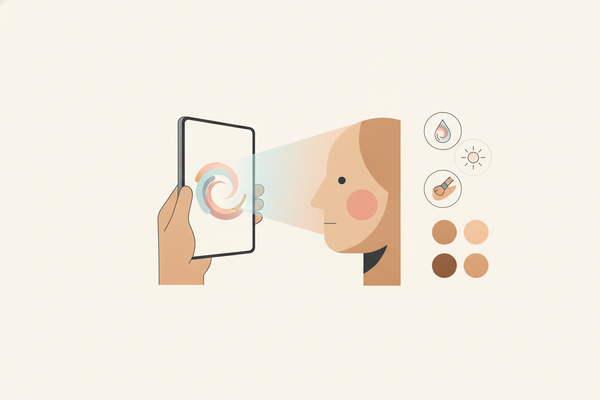
Color Analysis: Find Your Season, Undertone & Best Colors Instantly
Discover expert color analysis: what it is, how to find your color season & undertone at home, plus the 12 color seasons explained. Get your best colors today.

Estimated reading time: 15 min
Key Takeaways
- Color analysis helps identify colors that may complement your skin undertone, contrast, and season, enabling more personalized style and makeup choices.
- The 12-season system expands on the classic 4-season model for more nuanced and individualized color guidance that can better reflect subtle differences in coloring.
- Determining warm vs cool undertones can be helpful for selecting makeup, wardrobe, and accessories that harmonize with your natural features.
- Using natural light and fabric draping techniques at home can provide useful insight into your color season and help you understand how colors interact with your complexion.
- AI-powered tools like Makeup Check AI aim to make color analysis more accessible and precise, supporting integration into daily beauty and fashion routines.
Table of Contents
- Section 1: Understanding Color Analysis—Definition and Importance
- Section 2: How to Find Your Color Season at Home
- Section 3: Warm vs Cool Undertones—How to Tell the Difference
- Section 4: The 12 Color Seasons Explained
- Section 5: Color Analysis Applications in Makeup and Fashion
- Section 6: Common Mistakes and How to Avoid Them in Color Analysis
- FAQ
Conclusion
Section 1: Understanding Color Analysis—Definition and Importance
What Is Color Analysis?
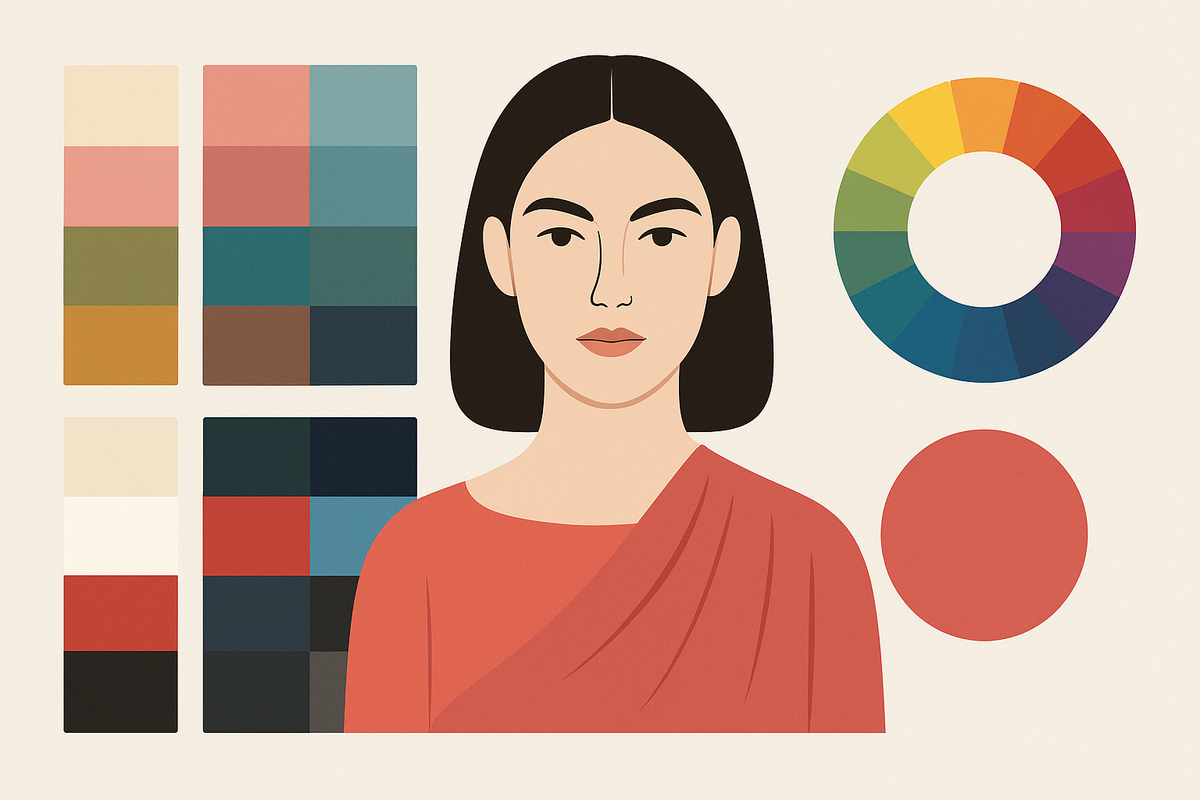
Color analysis is a systematic approach to discovering which colors may resonate best with your natural coloring—skin tone, hair color, and eye color. This personalized method is often referred to as seasonal color analysis because it sorts individuals into color palettes inspired by the four seasons: Spring, Summer, Autumn, and Winter. These categories are based primarily on factors such as your skin undertone, the contrast between your features, and the depth or intensity of your natural coloring.
The concept originated in the fashion and beauty industries to help people select clothing and makeup shades that enhance their natural beauty, rather than clashing or washing them out. By wearing colors that harmonize with your personal characteristics, you may create a balanced and vibrant appearance that boosts confidence and simplifies style decisions.
Why Is Color Analysis Important?
Choosing colors that suit your natural features can impact not only how you look but also how you feel. The right hues can:
- Brighten your face and eyes: Colors aligned with your undertone may make your skin glow and your eyes sparkle.
- Conceal flaws and uneven skin tone: Proper colors can visually minimize redness, sallowness, or discoloration without heavy makeup.
- Make makeup look more natural and complementary: Matching makeup colors to your palette can help prevent the “washed-out” or “overdone” look.
- Create a cohesive wardrobe that simplifies shopping: Sticking to your palette may reduce decision fatigue and keep your closet versatile.
Many people unknowingly wear colors that dull their complexion or clash with their undertones, which can make them appear tired or washed out. Understanding color analysis can help you avoid these pitfalls and empower you to make intentional, flattering color choices.
Core Components of Color Analysis
- Undertone: Your skin’s underlying hue, usually categorized as warm (yellow, golden, peachy), cool (pink, red, blue), or neutral (a balanced mixture of warm and cool).
- Contrast: The degree of difference between your hair color, skin tone, and eye color. High contrast individuals have stark differences (e.g., dark hair and very light skin), whereas low contrast individuals have more blended, similar tones.
- Color Depth: This refers to the lightness or darkness of your natural coloring. People may have light, medium, or deep/dark color depth, which influences the richness of the colors that suit them best.
These elements combine to help determine your seasonal palette, guiding you toward colors that harmonize with your unique complexion.
Section 2: How to Find Your Color Season at Home
Step 1: Determine Your Undertone
Identifying your undertone is the crucial first step in seasonal color analysis because it narrows down the palette of colors that will complement your skin. You can perform several simple tests at home to get a good sense of your undertone:
- Vein Test: Examine the veins on the inside of your wrist in natural light. If they appear blue or purple, you likely have a cool undertone. Greenish veins indicate a warm undertone. Veins that look a combination or are difficult to categorize may suggest a neutral undertone.
- Jewelry Test: Hold gold and silver jewelry near your face without makeup and in natural daylight. If gold jewelry brightens your skin and makes you look healthier, you likely have a warm undertone. If silver jewelry has this effect, you probably have a cool undertone.
- White Paper Test: Place a plain white sheet of paper next to your face in natural light. If your skin appears more yellow or golden beside the white, you have a warm undertone. If it looks rosy, pink, or slightly blue, your undertone is cool.
Remember to perform these tests in consistent, natural lighting to avoid false readings. For a thorough exploration of undertone identification, check out the complete undertone guide which includes detailed steps and visuals.
Step 2: Assess Contrast Level
Contrast plays a key role in defining your seasonal category. To assess your contrast level, observe the relationship between your hair color, skin tone, and eye color:
- High Contrast: A stark difference between features, such as deep black hair with very light skin and bright eyes. This contrast often corresponds with Winter and Spring palettes.
- Medium Contrast: Balanced differentiation, such as medium brown hair with light to medium skin and eyes. Many Summer and Autumn types fall into this group.
- Low Contrast: Hair, skin, and eyes are close in tone and depth, creating a soft overall appearance. This is common in Soft Summer and Soft Autumn seasons.
Knowing your contrast level helps refine your palette selection, ensuring the colors you choose don’t overpower or blend too much with your natural coloring.
Step 3: Test Colors Using Natural Light and Fabric Drapes
Once you have an idea of your undertone and contrast, hands-on testing with colored fabrics is a practical way to discover your season. Follow these tips:
- Use natural daylight: Conduct your test near a window during daylight hours or outdoors to avoid artificial light distortions.
- Use solid, matte fabrics: Choose scarves or swatches in a variety of colors relevant to different seasons (e.g., pastel pink for Spring, jewel tones for Winter).
- Drape fabrics near your face: Hold each fabric just below your chin and observe how your skin reacts—does it brighten, look dull, or show shadows?
- Focus on your face: The goal is to see which colors enhance your natural glow, reduce redness or sallowness, and make your eyes appear brighter.
Keep a notebook or take photos to compare how different fabrics affect your complexion. Over time, you may notice patterns that point to your best seasonal colors.
This hands-on approach can be effective for makeup and wardrobe planning, as it helps you intuitively feel which colors support your natural beauty.
Section 3: Warm vs Cool Undertones—How to Tell the Difference
What Are Warm and Cool Undertones?
Warm undertones have underlying hues of yellow, gold, or peach, imparting a sunny, glowing appearance to the skin. Cool undertones carry pink, red, or blue hues, often creating a rosy or porcelain-like effect. Knowing your undertone is fundamental because it guides the choice of colors that will look harmonious rather than clashing.
Practical Tips to Identify Your Undertone
- Sun Reaction: Observe how your skin responds to sun exposure. People with warm undertones tend to tan easily and rarely burn, whereas those with cool undertones typically burn quickly and tan minimally.
- Color Affinity: Notice which clothing colors you naturally gravitate toward or receive compliments on. Warm undertones often shine in earthy tones like oranges, rust, warm reds, and golden yellows, while cool undertones glow in jewel tones such as sapphire blue, emerald green, purples, and cool reds.
- Neutral Undertones: Some individuals have a balanced undertone that allows them to wear both warm and cool colors effectively. These neutral undertones may require more nuanced analysis to identify the best seasonal palette.
For a detailed, interactive approach, visit the warm cool or neutral undertone test, which helps you find foundation shades and colors tailored to your unique undertone.
Examples: Warm vs Cool in Makeup Choices
Knowing your undertone can improve your makeup results. Here are some examples:
- Warm Undertones: Coral and peach lipsticks, bronze and copper eyeshadows, warm gold highlighters, and peach or apricot blushes complement warm skin tones.
- Cool Undertones: Berry, plum, and wine lip colors, cool pink or mauve blushes, silver or icy blue highlighters, and eyeshadows in cool tones such as slate, navy, or lavender enhance cool complexions.
Choosing makeup aligned with your undertone can help your complexion appear fresh and vibrant, avoiding the washed-out or overly heavy effects that mismatched colors can cause.
Section 4: The 12 Color Seasons Explained
From 4 to 12 Seasons: Why the Expansion?
While the original 4-season system—Spring, Summer, Autumn, and Winter—provides a helpful starting point, many people find their coloring falls somewhere between these broad categories. The 12-season system refines this framework by dividing each season into three subcategories based on variations in warmth, depth (lightness or darkness), and contrast (softness or brightness). This expansion allows for more personalized and precise color recommendations, accommodating subtle nuances in individual coloring.
For example, two people might both be classified as “Summer” in the 4-season model, but one may have lighter, softer features (Light Summer) while the other has deeper, muted tones (Soft Summer). The 12-season approach recognizes these differences and tailors palettes accordingly.
The 12 Seasons at a Glance
- Spring: Light Spring, True Spring, Warm Spring – characterized by warm undertones with varying lightness and brightness.
- Summer: Light Summer, True Summer, Soft Summer – cool undertones with ranges from light and bright to muted.
- Autumn: Soft Autumn, True Autumn, Deep Autumn – warm undertones with variations in softness and depth.
- Winter: Deep Winter, True Winter, Cool Winter – cool undertones with differences in contrast and intensity.
Each subcategory has its own curated palette of colors that complement that specific combination of undertone, contrast, and depth.
Examples: Soft Summer vs Deep Winter
Consider the contrast between Soft Summer and Deep Winter palettes:
- Soft Summer: This sub-season features muted, cool, and light colors such as dusty rose, soft gray, lavender, and powder blue. The overall effect is gentle and understated, ideal for those with low contrast between features.
- Deep Winter: In contrast, Deep Winter thrives on high contrast and rich, cool colors like black, emerald green, deep plum, and icy white. This palette suits individuals with dark hair and eyes paired with pale skin.
Understanding such distinctions can enable you to select makeup shades, clothing, and accessories that create a flattering effect, enhancing your natural beauty rather than masking it.
For more expert insights, explore the detailed 12 color seasons guide and the Soft Summer vs Deep Winter comparison, which include visual examples and tailored recommendations.
Section 5: Color Analysis Applications in Makeup and Fashion
Applying Color Analysis to Makeup
Color analysis is a useful tool for makeup application, helping ensure that products—from foundation to lipstick—work harmoniously with your natural coloring. Here’s how to apply it:
- Foundation: Choose a foundation with undertones that match your skin to create a seamless, natural finish. For example, warm undertones may benefit from golden or yellow-based foundations, while cool undertones may require pink or neutral bases.
- Eyeshadow: Select shades from your seasonal palette that highlight your eye color and complement your undertone. For instance, warm Springs might choose peach and golds, while Winters opt for sapphire and charcoal.
- Blush and Lip Colors: Use blush and lipstick hues that align with your season to add healthy color without overpowering your natural complexion.
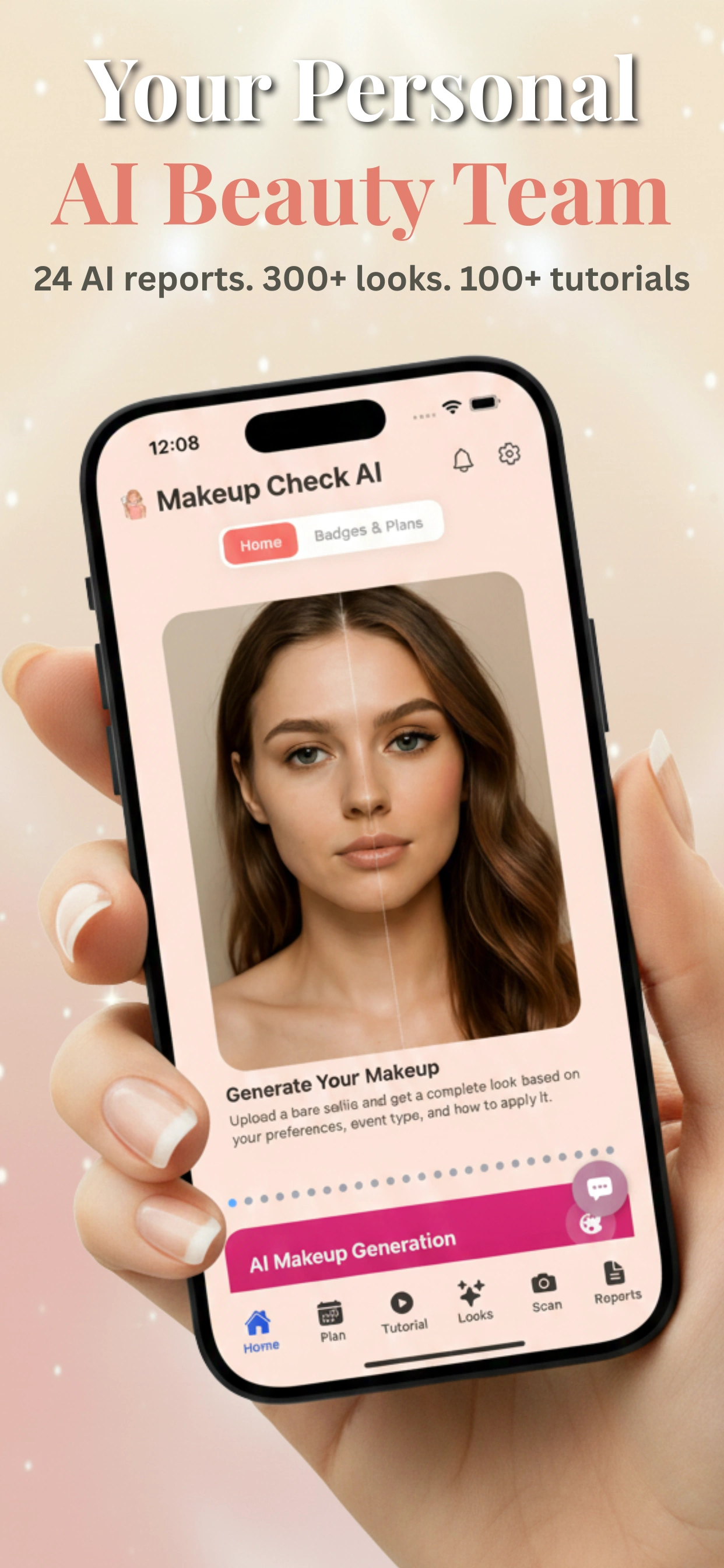
Makeup Check AI enhances this process by providing personalized makeup generation and tutorials based on your color season. The app analyzes your facial features and undertones, then recommends specific product shades and application techniques tailored uniquely to you. This technology aims to bridge expert color science with accessible, technology-driven beauty solutions.
Wardrobe Planning and Color Consistency
Adopting color analysis in your wardrobe offers practical benefits beyond aesthetics:
- Build a versatile wardrobe: Focus on core neutrals and accent colors from your palette to ensure easy mixing and matching, reducing decision fatigue and unnecessary purchases.
- Coordinate accessories and outerwear: Choose scarves, bags, shoes, and coats that fit your palette, creating a cohesive look from head to toe.
- Seasonal updates: Refresh your wardrobe with seasonal accent colors without disrupting your established color harmony, making shopping more efficient and enjoyable.
Apps such as Makeup Check AI’s color analysis tool use AI-driven insights to recommend wardrobe colors and combinations, helping you optimize your style effortlessly.
Hair and Eye Color Considerations
Your natural hair and eye colors are important clues in determining your seasonal category and can influence your color choices beyond skin undertones:
- Bright, cool-toned eyes and light or platinum hair: Often indicate a cool Winter palette, favoring bold, clear colors.
- Warm brown eyes and auburn or golden hair: Typically fall into Autumn palettes, which embrace warm, earthy tones.
- Medium brown hair and eyes with soft skin tone: May align with Soft Summer or Soft Autumn, where muted tones work best.
When considering hair color changes such as dyes or highlights, aim to maintain harmony with your season. For example, cool Winters might avoid overly warm or brassy tones, while warm Springs may benefit from golden highlights.
Section 6: Common Mistakes and How to Avoid Them in Color Analysis
Avoid Using Artificial Lights and Screen Filters
One of the most common errors in color analysis is conducting tests under artificial lighting or using photos with filters. Fluorescent, incandescent, and yellow-tinted lighting can alter the true appearance of your skin and fabric colors. Similarly, smartphone screens and editing apps often apply filters or adjust colors automatically, leading to inaccurate readings.
To ensure accuracy, perform all color tests and photo captures in bright, natural daylight without makeup or accessories that might interfere. This approach minimizes distortion and helps you see the real interaction of colors with your skin.
Don’t Rely Solely on Online Quizzes or Photos
While online quizzes and self-assessment photos can provide helpful starting points, they lack the precision of in-person or AI-assisted analysis that considers lighting, contrast, and subtle color nuances. Photos are subject to camera quality, exposure, and color balance, which can misrepresent your true coloring.
Using a color analysis app free like Makeup Check AI leverages advanced AI technology to analyze your face in real time, factoring in undertones, contrast levels, and color depth to deliver a more accurate and personalized color season assessment.
Test Colors Near Your Face, Not Just Clothing
Color perception changes depending on proximity. Testing colors on clothing or accessories away from your face may not reveal their true effect on your complexion. Always hold fabric swatches or makeup colors close to your face in natural light to observe their impact on your skin tone, eye brightness, and overall appearance.
Beware of Makeup Interference
Heavy foundation, blush, or colorful makeup can mask your natural skin undertones and depth, leading to incorrect seasonal categorization. For the most reliable results, perform color analysis on clean, makeup-free skin. If this is not possible, try to remove or minimize makeup, especially around the jawline and cheeks, where skin tone is most apparent.
Conclusion
Color analysis is a tool that can help you discover colors that naturally enhance your unique features. Whether you're a beginner or seeking deeper understanding, mastering concepts such as undertones, contrast, and the 12 color seasons can enrich your approach to makeup, wardrobe choices, and overall style confidence.
Simple home tests with natural light and fabric draping provide a solid foundation, while advanced AI tools like Makeup Check AI aim to elevate the process with precision and personalized recommendations. Embracing these techniques can empower you to curate a harmonious and radiant look that reflects your true self.
FAQ
Q: What are the four seasonal color analysis types?
A: The four main seasonal types are Spring, Summer, Autumn, and Winter. Each corresponds to specific undertones and contrasts — Spring and Autumn are warm seasons with yellow and golden hues, while Summer and Winter are cool seasons with pink and blue undertones. These broad categories help initiate color analysis before refining into subcategories.
Q: How do I know if I am warm or cool toned?
A: You can identify your undertone by checking your wrist veins (blue or purple veins indicate cool, green veins indicate warm), testing which jewelry metals suit you better (silver flatters cool tones, gold flatters warm), and observing your skin’s reaction to sunlight (warm undertones tan easily, cool undertones burn faster).
Q: Can you do color analysis from a photo or online quiz?
A: While photos and online quizzes provide initial guidance, they often lack accuracy due to lighting conditions, camera settings, and color distortions. AI-powered apps like Makeup Check AI offer more precise analysis by using facial scanning combined with color science to deliver personalized and reliable results.
Q: What is the difference between 4-season and 12-season color analysis?
A: The 4-season system groups people into broad categories based on undertone and contrast, offering a foundational understanding. The 12-season system subdivides these groups further by considering variations in warmth, depth, and softness, allowing for more personalized and nuanced color recommendations.
Q: How do I find my color season at home?
A: Use natural light and fabric swatches draped near your face to observe which colors brighten your complexion. Perform undertone tests such as the vein or jewelry test to determine warm or cool undertones. For greater accuracy, AI-driven apps like Makeup Check AI provide comprehensive color analysis from home.
Q: What makeup colors suit my color season?
A: Makeup colors should complement your undertone and seasonal palette. Warm seasons often look great in earthy tones, corals, and golds, while cool seasons may shine in jewel tones, berry shades, and silver. Detailed seasonal guides and AI beauty apps offer personalized product shade recommendations tailored to your unique coloring.