The 12 Color Seasons Explained: Your Guide to Personalized Color Analysis
The 12 color seasons explained with how to find your color season, warm vs cool undertones, and best colors for your skin tone using AI tools.


Estimated reading time: 7 min
"The 12 color seasons explained" refers to a refined personal color analysis system that categorizes individuals into 12 distinct seasonal palettes based on their skin undertone, depth, and chroma. This approach expands the traditional four-season model (Spring, Summer, Autumn, Winter) to help you explore colors in clothing, makeup, and accessories that may harmonize with your natural coloring.
Key Takeaways
- Color analysis classifies your natural coloring into 12 nuanced seasons using undertone, value (depth), and chroma (intensity).
- Warm vs cool undertones are a foundational step in finding your season.
- The 12 seasons group into four parent categories: Spring, Summer, Autumn, Winter, each with three sub-seasons reflecting light, true, and deep or muted variants.
- Knowing your color season can help guide choices in makeup, clothing, and hair colors to complement your natural features.
What Is Color Analysis?
Color analysis is a method used in fashion and beauty to explore which hues may best complement an individual’s natural features—skin tone, hair color, and eye color. By examining these traits, the system identifies your undertone (warm, cool, or neutral), depth (light to dark), and chroma (soft to bright). This can help guide choices for clothing, makeup, and accessories that enhance your appearance rather than clash or wash you out.
Originally based on the classic 4-season model, color analysis has evolved to recognize more subtle distinctions through the 12-season system, aiming to provide a more personalized and nuanced color palette.
How to Find Your Color Season at Home
To find your color season yourself, start by identifying your undertone. This is the natural hue beneath your skin's surface and can be warm (yellow/golden), cool (pink/blue), or neutral.
- Warm undertones: Your veins may appear greenish, gold jewelry often looks better than silver, and you may tan more easily.
- Cool undertones: Your veins may look blue or purple, silver jewelry may be more flattering, and you might burn before tanning.
- Neutral undertones: You may see a mix of both or find it hard to determine.
Next, assess your depth (light, medium, deep) by comparing how light or dark your skin, hair, and eyes are. Finally, consider chroma or intensity—whether your coloring is soft/muted or bright/clear.
Using these three dimensions, you can identify your broad season:
- Spring: Warm undertones, light to medium depth, often clear or bright coloring.
- Summer: Cool undertones, light to medium depth, soft or muted tones.
- Autumn: Warm undertones, medium to deep depth, often muted or rich colors.
- Winter: Cool undertones, medium to deep depth, bright or deep coloring.
Then refine your season by identifying your sub-season based on subtle variations in lightness and chroma.
For a modern and easy approach, Makeup Check AI’s free color analysis tool uses AI to scan your face and provide a personalized palette suggestion.
The 12 Color Seasons Explained in Detail
The 12-season system breaks each parent season into three sub-seasons with unique color characteristics:
- Spring
- Light Spring: Warm, light, and clear tones; think soft peach and light coral.
- True Spring: Warm, clear, and vibrant; bright yellows, true greens.
- Bright Spring: Warm and very bright; vivid turquoise, bright pinks.
- Summer
- Light Summer: Cool, light, and soft; pastel blues and lavenders.
- True Summer: Cool and muted; soft rose, dusty blue.
- Soft Summer: Cool and muted with some warmth; gentle taupes and muted greens.
- Autumn
- Soft Autumn: Warm and muted; olive greens, soft browns.
- True Autumn: Warm and rich; burnt orange, mustard yellow.
- Deep Autumn: Warm and deep; dark olive, chocolate brown.
- Winter
- Bright Winter: Cool and bright; icy blues, bright fuchsias.
- True Winter: Cool and clear; stark black, pure white, royal blue.
- Deep Winter: Cool and deep; deep navy, charcoal gray.
For example, Soft Summer vs Deep Winter differ primarily in intensity and depth: Soft Summer features muted, gentle colors, while Deep Winter embraces intense, dark shades. Recognizing these differences can help you select makeup and clothing that may highlight your natural features.
Why Warm vs Cool Undertones Matter
Warm and cool undertones form the foundation of color analysis. The right undertone identification can guide the choice of flattering colors:
- Warm undertones often harmonize with colors like peach, gold, orange, and warm greens.
- Cool undertones tend to pair well with blues, pinks, purples, and jewel tones.
Getting this right can help your makeup and wardrobe enhance your natural glow rather than overpower it.
How the 12-Season System Differs From 16-Season Analysis
While some color systems expand to 16 seasons by splitting subcategories further, the 12-season model focuses on undertone, depth, and chroma without overcomplicating. It provides clear, actionable palettes that are easier to remember and apply for many people.
Practical Applications: Using Your Season for Makeup and Style
Knowing your season can help you shop smarter and apply makeup that complements your natural coloring. For instance, if you’re a Soft Summer, you might opt for muted mauves and dusty pink lipsticks, while a Deep Winter might choose bold berry shades.
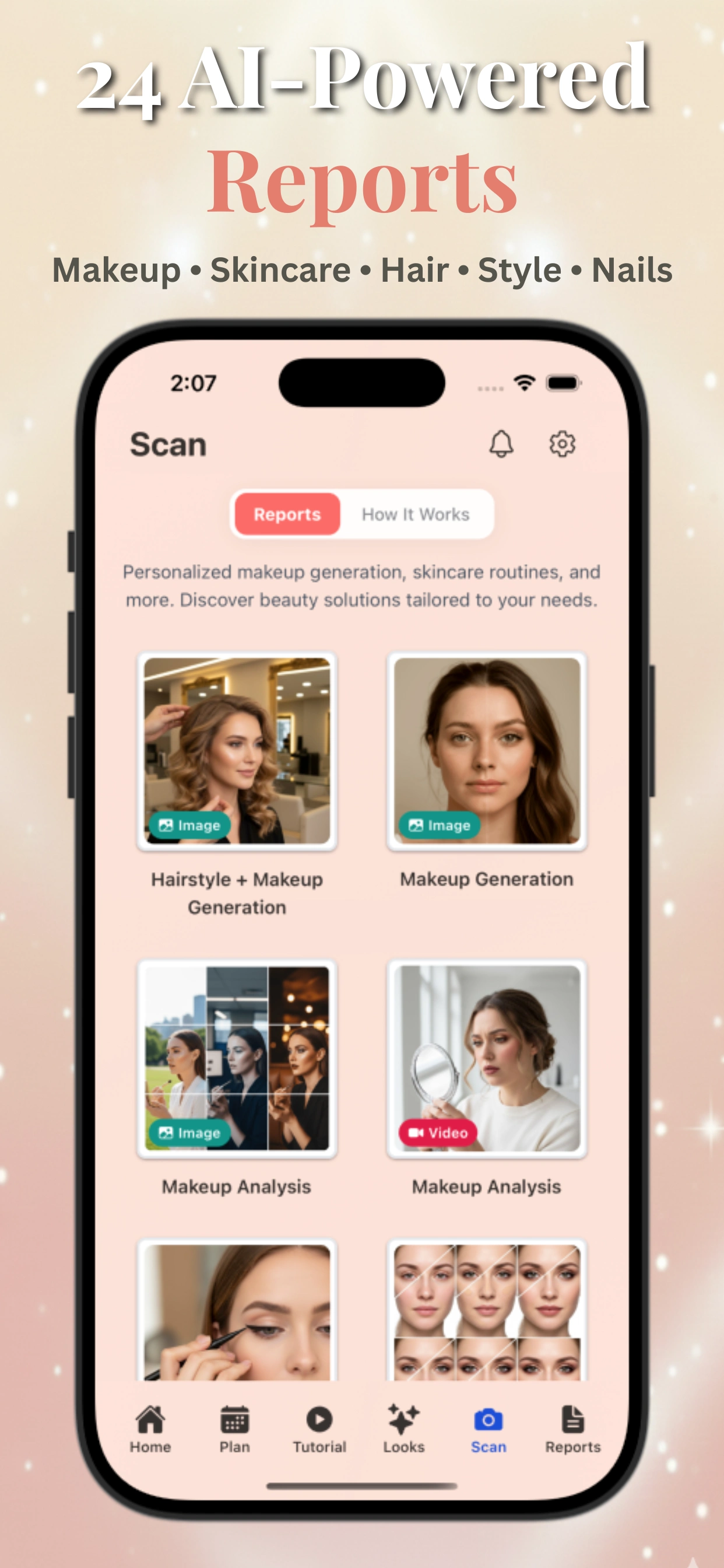
Makeup Check AI offers an intuitive platform to explore your season with 300+ looks and personalized tutorials, making it easy to experiment and refine your style. Check out their site to start your personalized beauty journey.
FAQ
Q: What are the 12 color seasons?
A: The 12 color seasons are an expanded system of personal color analysis dividing people into 12 groups based on undertone (warm/cool), depth (light/deep), and chroma (soft/bright) to help find colors that may suit their natural coloring.
Q: How do I know if I am a Spring, Summer, Autumn, or Winter?
A: Identify your undertone first (warm or cool), then assess your skin, hair, and eye color for depth and intensity. Warm undertones often fall into Spring or Autumn, while cool undertones are Summer or Winter. Further refinement finds your exact sub-season.
Q: What is the difference between True Spring and Bright Spring?
A: True Spring has warm, clear, and vibrant colors; Bright Spring is warmer and often more vivid with higher chroma, featuring brighter and more intense hues.
Q: What is the difference between True Winter and Deep Winter?
A: True Winter has cool, clear, and bright colors with high contrast, while Deep Winter shares the cool undertone but has deeper, darker colors with less brightness.
Q: How do undertone, depth, and chroma determine your season?
A: Undertone categorizes warm vs cool, depth measures lightness or darkness, and chroma assesses color intensity or softness; together, they help identify your 12-color season.
Q: Is 12-season color analysis better than 16-season analysis?
A: The 12-season system offers a balanced, practical approach with clear, manageable palettes, while 16-season analysis further subdivides categories, which can be more complex but also more precise for some individuals.