Soft Summer vs Deep Winter: Definitive Color Analysis Comparison
Compare Soft Summer vs Deep Winter color seasons. Learn undertones, best colors, makeup tips, and how to find your season with AI beauty tools.


Estimated reading time: 10 min
Key Takeaways
- Soft Summer and Deep Winter are distinct cool color seasons with different undertones and contrast levels.
- Soft Summer features cool-neutral, muted tones with light-medium depth; Deep Winter generally has cool, deep, high-contrast colors.
- Best colors for Soft Summer tend to be dusty, soft, and muted, while Deep Winter often suits jewel tones and stark contrasts.
- Use skin, hair, eye color, and overall contrast to help determine your season at home or with a color analysis app free.
- Bottom line: Choose Soft Summer if you have softer, muted features and Deep Winter if you have sharper, high-contrast coloring.
Understanding the differences between Soft Summer vs Deep Winter can be helpful for seasonal color analysis. This guide covers what color analysis is, how to find your color season and undertone at home, and the nuances between these two cool-toned palettes. We also explain the 12 color seasons to help you narrow down your color palette for makeup, hair, and wardrobe. If you want an effortless personalized beauty experience, check out Makeup Check AI, which offers AI-powered color analysis and tailored makeup advice.
Quick Comparison
| Dimension | Soft Summer | Deep Winter |
|---|---|---|
| Undertone | Cool-neutral, muted | Cool, clear, deep |
| Contrast Level | Soft, low to medium contrast | High contrast, sharp |
| Skin Tone | Light to medium, often ash-toned or rosy | Medium to dark, porcelain to deep with cool undertones |
| Hair Color | Soft ash blondes, light browns, muted shades | Dark brown to black, cool undertones |
| Eye Color | Gray-blue, soft hazel, muted green | Deep brown, cool blue, dark hazel |
| Best Colors | Dusty rose, mauve, soft blues, lavender, muted teal | True black, icy white, emerald, cobalt blue, magenta |
| Colors to Avoid | Harsh black, bright warm tones, pure white | Muted pastels, warm earth tones, beige |
| Makeup Tips | Soft, blended looks with muted shades | Bold, defined makeup emphasizing contrast |
What Is Color Analysis and How to Find Your Season
Color analysis is a method used to identify colors that may complement your natural complexion, hair, and eyes. The goal is to find your "season" from the 12 color seasons, which are grouped by undertones (warm vs cool), depth (light to deep), and contrast (soft to clear). Knowing your season can help guide your choices in makeup, clothing, and hair colors that enhance your natural appearance.
To find your color season at home, consider:
- Undertone: Cool undertones often have a pink, red, or blue base; warm undertones lean yellow or golden.
- Depth: The lightness or darkness of your hair, skin, and eyes.
- Contrast: The difference between your hair, skin, and eye colors.
For example, Soft Summer and Deep Winter both have cool undertones but differ in depth and contrast, which influences their color palettes. Using tools like a seasonal color analysis quiz or the Makeup Check AI app can provide helpful insights and personalized reports.
Soft Summer vs Deep Winter: Undertone and Contrast
The primary difference lies in undertone neutrality and contrast:
- Soft Summer: Cool-neutral undertones with muted, soft colors. The overall look tends to be gentle, with low to medium contrast between features.
- Deep Winter: Cool undertones with clear, deep hues. Features often show high contrast — for example, dark hair against lighter skin.
Soft Summer’s muted undertones mean colors appear dusty or softened, while Deep Winter’s palette is often crisp and vibrant with jewel tones and stark contrasts. This affects not only color choices but also makeup intensity and hairstyle shading.
Best Colors for Soft Summer and Deep Winter
Choosing colors aligned with your season can enhance your natural radiance:
Soft Summer Best Colors
- Muted rose, mauve, dusty pinks
- Soft blues, lavender, dusty teal
- Cool greys and taupe shades
- Soft plum and muted greens
Deep Winter Best Colors
- True black and icy white
- Emerald green, royal blue, deep teal
- Magenta, fuchsia, and bright berry hues
- Cool reds and purples with high saturation
Both palettes generally avoid warm, orange-based colors, but Soft Summer typically avoids overly bright or harsh tones, while Deep Winter often avoids muted pastels and earth tones that may wash out their strong contrast.
How to Tell If You Are Soft Summer or Deep Winter
Determining your season involves observing your natural coloring:
- Skin: Soft Summers tend to have cooler, slightly muted skin tones with a gentle rosy or ashen cast. Deep Winters often have porcelain to dark cool-toned skin with a clearer, brighter appearance.
- Hair: Soft Summers often have ash blondes, light browns, or muted medium browns. Deep Winters typically have dark brown to black hair with cool undertones.
- Eyes: Soft Summer eyes are often muted blue-gray, soft hazel, or muted green. Deep Winter eyes are often deep brown, cool blue, or dark hazel with higher contrast.
- Contrast: Soft Summer has low to medium contrast between hair, eyes, and skin; Deep Winter usually shows strong contrast.
Using an AI-powered color analysis tool like Makeup Check AI can simplify this process by scanning your face and providing a suggested season along with tailored makeup, skincare, and fashion advice.
Soft Summer vs Deep Winter Makeup, Hair, and Jewelry Guidance
Once you know your season, your beauty routine can align with your natural coloring:
Soft Summer Makeup
- Use muted, blended eyeshadows in soft mauves, taupes, and dusty blues.
- Opt for rosy blushes and soft lip colors in muted rose or berry.
- Choose hair colors with ash tones to maintain softness.
- Jewelry in silver, white gold, or muted metals complements Soft Summer’s cool-neutral palette.
Deep Winter Makeup
- Bold, defined eye makeup with black eyeliner and deep shades like emerald or navy.
- Bright lip colors in true red, fuchsia, or berry tones.
- Hair colors that are rich and dark, such as deep brown or black with cool undertones.
- Jewelry in silver, platinum, or white gold with high shine contrasts well.
Common Misclassifications and Adjacent Seasons
People sometimes confuse Soft Summer with Soft Winter or True Summer, and Deep Winter with Deep Autumn or Cool Winter. Key distinctions include:
- Soft Summer vs Soft Winter: Soft Winter tends to have cooler, clearer tones and slightly more contrast.
- Soft Summer vs True Summer: True Summer colors are often cooler and less muted, with more blue undertones.
- Deep Winter vs Deep Autumn: Deep Autumn has warm undertones with rich, earthy colors.
- Deep Winter vs Cool Winter: Cool Winter may have slightly less depth but similar cool undertones.
Accurate identification can be challenging without professional help or AI tools. The Makeup Check AI color analysis app free offers a user-friendly, science-backed approach to help you find your true season.
Which Should You Choose?
If you’re still unsure whether you are Soft Summer or Deep Winter, consider your natural contrast and undertones carefully. Here’s who each season generally suits best:
- Choose Soft Summer if: Your features are gentle, muted, and low contrast. You have cool-neutral undertones and prefer soft, blended makeup looks and dusty colors. Soft Summer often works well for those with ashier hair shades and softer eye colors.
- Choose Deep Winter if: You have striking, high-contrast features with cool undertones. You may look best in bold, jewel tones and dramatic makeup. Deep Winter often suits darker hair and eyes with a bright, crisp complexion.
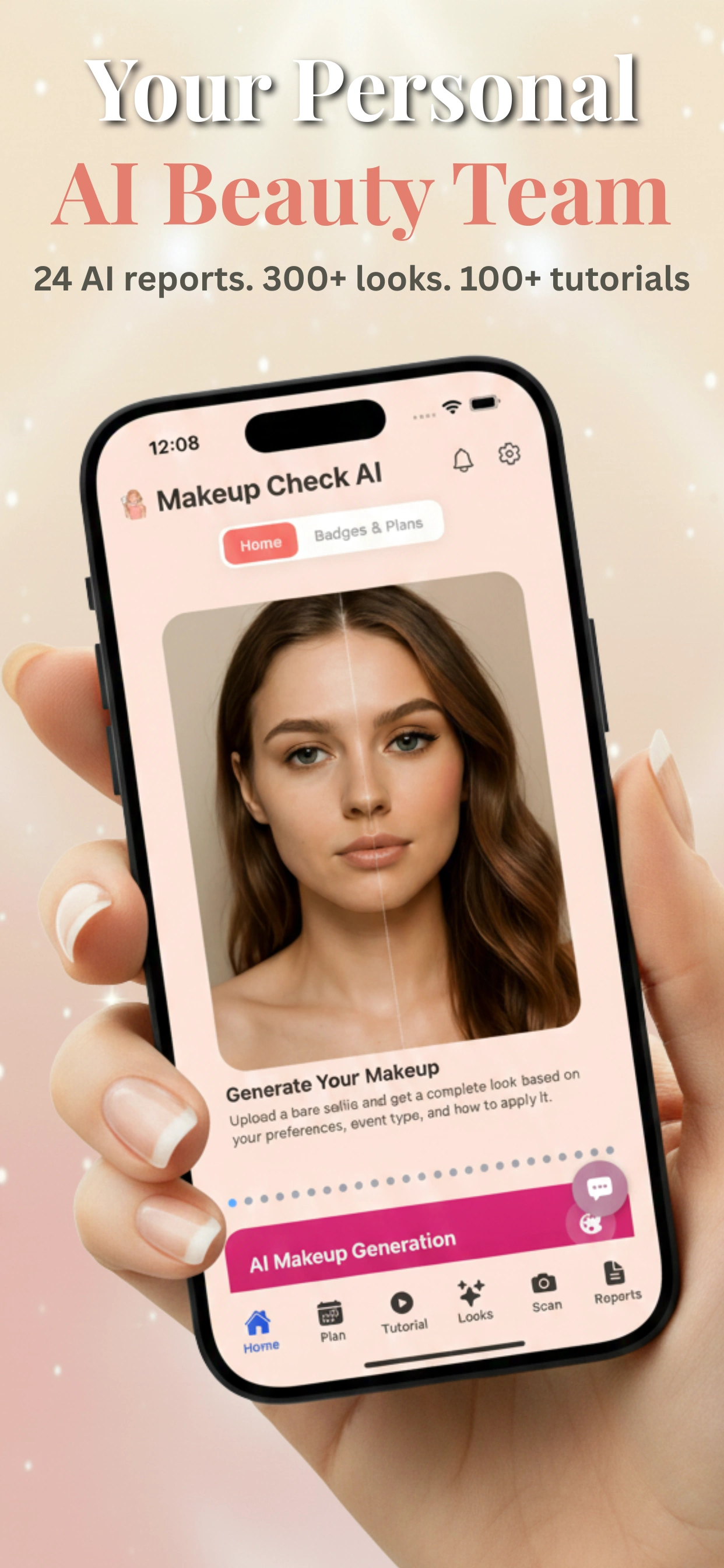
For a helpful way to decide, try the seasonal color analysis quiz or use Makeup Check AI to scan your face and receive personalized insights and 24/7 AI beauty assistance. This app also provides over 300 makeup looks and 100+ tutorials tailored to your season, helping you master your style with confidence.
FAQ
What is the difference between Soft Summer and Deep Winter?
Soft Summer features cool-neutral, muted undertones with low to medium contrast, while Deep Winter generally has cool, clear undertones with high contrast. Their best color palettes differ accordingly.
How do I know if I’m Soft Summer or Deep Winter?
Assess your skin undertone, hair and eye color, and overall contrast. Soft Summers tend to be softer and muted; Deep Winters tend to be sharper and more contrasting. AI color analysis apps like Makeup Check AI can help.
Can Soft Summer wear Deep Winter colors?
Generally, Deep Winter colors may be too intense and high contrast for Soft Summers, who often look better in muted, softer shades.
What colors look best on Soft Summer vs Deep Winter?
Soft Summer suits dusty roses, muted blues, and soft greys. Deep Winter often shines in black, icy white, jewel tones like emerald and cobalt, and bright berry colors.
Is Soft Summer closer to Winter or Autumn?
Soft Summer is generally closer to Winter in the cool undertone family but leans more neutral and muted, unlike the deeper, more saturated colors of Winter.
What are the biggest mistakes when distinguishing Soft Summer from Deep Winter?
Common errors include confusing mutedness with warmth, misjudging contrast levels, and assuming all cool tones fit both seasons. Using AI tools or professional analysis can reduce mistakes.