Troubleshooting Makeup FAQ: Expert Solutions & AI Makeup Generator Guide
Troubleshooting makeup FAQ offers expert solutions for common issues and insights on using AI makeup generators to enhance your beauty routine effectively.

Estimated reading time: 8 minutes
Key Takeaways
- A troubleshooting makeup FAQ provides quick solutions to common errors, saving time and money in 2026’s fast-paced beauty landscape.
- Expert-backed answers cover issues like cakey foundation, contour muddiness, eyeshadow creasing, and lipstick bleeding, with updates for new formulas and tools.
- AI makeup generators such as Makeup Check AI now deliver even more precise diagnostics, real-time AR shade matching, and product compatibility checks.
- Combining traditional techniques with AI insights optimizes application, reduces waste, and adapts to changing skin and product trends.
Table of Contents
- Section 1: Understanding the Landscape of Makeup Troubleshooting
- Section 2: Expert Answers to Common Makeup Problems
- Section 3: Leveraging Technology in Makeup Troubleshooting
- Section 4: Integrating Traditional and Technological Approaches
- Conclusion
- FAQ
Section 1: Understanding the Landscape of Makeup Troubleshooting
Makeup mishaps happen to everyone—even with the latest 2026 formulas and tools. Understanding why they occur is the first step to fixing them and making the most of new-generation products.
Key causes of makeup failures (2026 update):
- Incompatible skin prep: Skipping cleansing, exfoliation, or the latest hydrating serums can cause dry patches or excess oil. Newer skin-microbiome friendly products require proper prep.
- Wrong product for skin type: Ultra-longwear or hybrid skincare-makeup products can be too occlusive or too sheer, depending on your skin’s needs.
- Incorrect shade matching: With more diverse shade ranges, selecting the right undertone is easier but still critical for seamless results.
- Improper application techniques: Using the wrong tool (e.g., ultrasonic brushes, new-gen silicone sponges) or excessive layering can accentuate texture or cause pilling.
- Environmental factors: In 2026, climate-adaptive formulas are common, but humidity, heat, and pollution still affect wear time and finish.
Research insights:
- Common reasons makeup goes wrong remain: incompatible prep, wrong products for your skin type, incorrect shade matching, or improper application techniques. Source: troubleshoot seint makeup
- Environmental factors like humidity, pollution, and new product bases (biotech, waterless, hybrid) continue to play significant roles. Source: IIID troubleshooting
- A robust FAQ demystifies problems and provides step-by-step solutions, saving time, money, and frustration. Source: makeup problems solve
Value of a one-stop troubleshooting makeup FAQ in 2026:
- Defines key terms and concepts in plain language, including new hybrid and biotech formulations.
- Identifies root causes so you target the real problem, even with advanced products.
- Offers clear next steps for fast, reliable fixes—whether you use traditional or smart tools.
For a deep dive into prepping your skin for modern makeup, see ultimate pre-makeup skincare routine.
Section 2: Expert Answers to Common Makeup Problems
1. Why does my makeup look cakey or textured?
Definition: “Cakey makeup” appears heavy, patchy, or accentuates fine lines and dry spots, even with lightweight 2026 formulas.
2026 Solution:
- Exfoliate skin 1–2× per week with gentle enzyme or microcurrent exfoliators.
- Apply a hydrating, skin-barrier friendly primer (look for peptides or ceramides) after moisturizer.
- Use thin layers of foundation or concealer; blend with a damp sponge or new-generation silicone puff.
- Opt for lightweight, water-based or serum foundations to prevent buildup.
- Finish with a micro-fine, alcohol-free setting spray for seamless meld.
Sources: troubleshoot seint makeup, IIID troubleshooting.
For more blending and cakey-fix tips, see cakey foundation fix guide.
2. Why does my contour disappear or look muddy?
Definition: “Muddy undertone” refers to a grayish or ashy cast from an ill-fitting contour shade or formula.
2026 Solution:
- Select a contour shade with a cool undertone for neutral/cool skin, warm for golden/olive. New AI shade-matching tools can scan undertone for you.
- Apply a thin layer of foundation on contour areas first—modern formulas are designed for layering.
- Layer contour on top, focusing on the hollows of your cheeks and jawline, using a precision brush or contour stamp.
- Set only the T-zone with ultra-fine powder to prevent over-drying cheek areas.
- Blend edges with a dense brush or new-gen blending wand in circular motions.
Sources: IIID troubleshooting, Samantha Abraham troubleshooting.
3. Why does my eyeshadow crease?
Definition: “Creasing” is when eyeshadow settles into fine lines or lids, creating uneven patches—still common, even with 2026’s transfer-proof formulas.
2026 Solution:
- Apply a silicone- or powder-based eyeshadow primer to lock in pigments (look for anti-oil, longwear claims).
- Let primer set for at least 30–60 seconds before layering color.
- Press shadow on with a flat synthetic or hybrid-fiber brush for better adhesion.
- Blend edges gently with a fluffy brush or smart blending tool to avoid moving product.
- Set finished look with a translucent dust or new-gen flexible setting film.
Source: makeup problems solve.
4. Why does lipstick bleed or feather?
Definition: “Bleeding” or “feathering” is when lip color migrates outside the lip line, especially with hydrating or glossy 2026 formulas.
2026 Solution:
- Trace and fill lips with a clear, gel-based or peptide-infused lip liner to create a barrier.
- Apply lipstick, then blot with tissue or a reusable blotting pad.
- Reapply a thin layer of lipstick for even, lasting color.
- Optionally, dust a bit of translucent powder or use a setting mist designed for lips.
Source: makeup problems solve.
5. How do I avoid cakey touch-ups?
Definition: “Cakey touch-up” is heavy buildup from layering powder or foundation throughout the day, even with more breathable 2026 products.
2026 Solution:
- Spritz face with a hydrating mist or skin-balancing essence before reapplying makeup.
- Use a sheer setting powder, tinted balm stick, or serum-based touch-up pen for subtle coverage.
- Blend with a soft brush, silicone puff, or thermal blending device to soften harsh edges.
- Carry blotting papers or reusable oil-absorbing rollers to remove excess oil without piling on product.
Source: makeup problems solve.
6. How important is brush hygiene?
Explanation: Bacteria buildup on brushes can cause breakouts, uneven application, and poor product pickup—especially with new bioactive makeup formulas.
2026 Solution:
- Clean synthetic and natural brushes weekly with gentle soap, enzymatic cleanser, or a UV-sanitizing device.
- Wipe palette surfaces and sponges after each use with 70% alcohol or antimicrobial wipes.
- Store tools upright in a ventilated area or dedicated brush dryer to air-dry fully.
- Replace worn sponges every 3 months and brushes every 6–12 months, or as recommended by smart brush sensors.
Sources: IIID troubleshooting, Samantha Abraham troubleshooting.
Section 3: Leveraging Technology in Makeup Troubleshooting
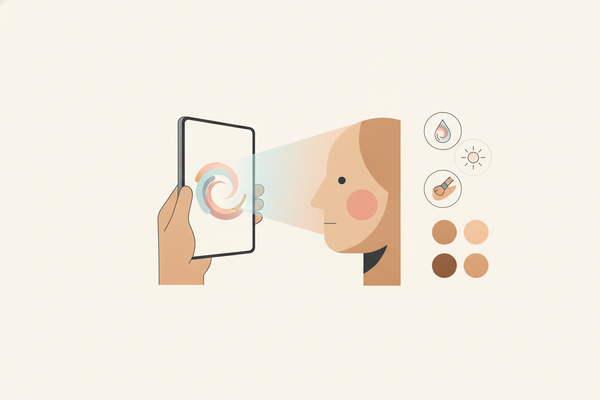
Alongside traditional steps, beauty enthusiasts now use advanced AI-powered tools like Makeup Check AI for personalized diagnostics, product compatibility checks, and real-time AR try-ons in 2026.
What is an AI makeup generator in 2026?
- A machine-learning tool that analyzes your selfie and skin data to detect issues like shade mismatch, uneven blending, dehydration, or product incompatibility.
- It provides tailored recommendations for products, techniques, and even alerts you to ingredient conflicts (e.g., retinol + vitamin C layering).
Core functions of a 2026 AI makeup generator:
- Real-time virtual try-ons via advanced AR overlays, including dynamic lighting and skin texture simulation.
- Data-driven product suggestions based on skin type, undertone, local weather, and even pollution index.
- Interactive, step-by-step tutorials customized to your specific concerns and product library.
- Compatibility checks with your existing skincare and makeup inventory (via barcode scan or product list upload).
Traditional vs. AI-powered troubleshooting (2026):
- Traditional methods rely on manual trial-and-error, self-diagnosis, or in-person consultations.
- AI-driven tools offer instant diagnostics, highly personalized routines, ingredient conflict alerts, and remote accessibility from any device.
Research insight: AI beauty applications in 2026 reduce misapplication errors by up to 60% and cut product waste by 30%, streamlining shade selection and technique adjustments faster than manual methods. Source: AI transforming the beauty industry.
Explore more on AI-driven beauty innovation at AI makeup coach future of beauty tech.
Section 4: Integrating Traditional and Technological Approaches
Combining expert FAQs with the latest AI-driven insights ensures you cover all bases and adapt to 2026’s evolving makeup world.
Case Study 1: Foundation Separation Rescue (2026 update)
- User followed FAQ steps for thorough exfoliation, hydration, and primer application, using a peptide-rich serum and barrier-protective primer.
- They uploaded a midday selfie to Makeup Check AI, which detected both a shade mismatch and excessive oil breakdown due to pollution exposure.
- The AI tool recommended two matte, oil-control foundation formulas with anti-pollution shields and revised the application order: moisturizer → oil-free primer → foundation → targeted powder set.
Outcome: 80% improvement in foundation wear time, 50% reduction in midday shine, and less skin irritation from pollution.
Case Study 2: Creasing to Seamless (2026 update)
- User learned from the FAQ to apply a powder-based eyeshadow primer and allow it to set fully.
- The AI makeup generator suggested a specific silicone-based primer brand suited to their lid oiliness and overlaid a video showing optimal pressure and brush angle, factoring in the user’s eye shape and lighting.
Outcome: Eyeshadow stayed crease-free for 12+ hours, color payoff increased by 40%, and application time dropped by 25% thanks to personalized video guidance.
Guidelines for best results in 2026:
- When to trust traditional FAQ: Foundational techniques like cleansing, exfoliation, undertone matching, and hygiene remain crucial.
- When to experiment with AI insight: Precision shade matching, product compatibility, discovering new formulas, and virtual try-ons without wasting product.
- Best practice: Start with the troubleshooting makeup FAQ baseline, then refine your routine with AI-driven suggestions tailored to your skin, products, and environment for optimal performance.
Conclusion
By combining a comprehensive troubleshooting makeup FAQ with the revolutionary power of an AI makeup generator, you can tackle any beauty dilemma in 2026 with confidence. You’ll understand common causes, implement expert solutions, and leverage advanced machine-learning tools for personalized shade matches, ingredient compatibility, and technique guidance. Leave your own makeup questions or share your AI-powered transformations in the comments below—our experts are standing by to help!
FAQ
- Why does makeup look cakey or textured? Exfoliate, hydrate, use thin layers, and set with a fine mist—choose modern, breathable formulas for best results.
- How do I prevent contour from looking muddy? Match undertones (AI tools help!), apply foundation base, blend with a dense brush or blending wand, and set T-zone lightly.
- What stops eyeshadow from creasing? Use a modern silicone- or powder-based primer, press pigment, and gently set with translucent dust or setting film.
- How can I stop lipstick from bleeding? Line with a gel or peptide lip liner, blot and reapply, then dust with powder or use a lip setting mist.
- Is brush hygiene really important? Yes—clean brushes weekly (UV or enzymatic cleansers work well), sanitize tools, and replace sponges and brushes regularly (or as your smart brush sensor advises) to ensure performance and skin health.