The Ultimate Pre-Makeup Skincare Routine for a Flawless Foundation
Discover the ultimate pre-makeup skincare routine to hydrate, exfoliate, and prime for a flawless foundation. Achieve even, long-lasting results.

Estimated reading time: 7 minutes
Key Takeaways
- Skin prep is essential: A structured routine ensures smooth, long-lasting foundation.
- Hydration is key: Plumps skin, prevents dry patches and supports the moisture barrier.
- Gentle exfoliation: Removes dead cells for an even canvas.
- Right moisturizers: Choose non-comedogenic, fast-absorbing formulas for your skin type.
- Layer wisely: Serums, moisturizers and primers work best in a specific order for optimal finish.
- Follow the plan: Cleanse, tone, exfoliate, serum, moisturize, prime, then foundation.
Table of Contents
- Introduction
- Why You Need to Hydrate Skin Before Makeup
- How to Exfoliate Before Makeup for a Smooth Canvas
- Choosing the Best Moisturizers Under Makeup
- Serums, Primers and Complementary Products
- Step-by-Step Skincare Routine for a Flawless Foundation
- Conclusion
- FAQ
Introduction
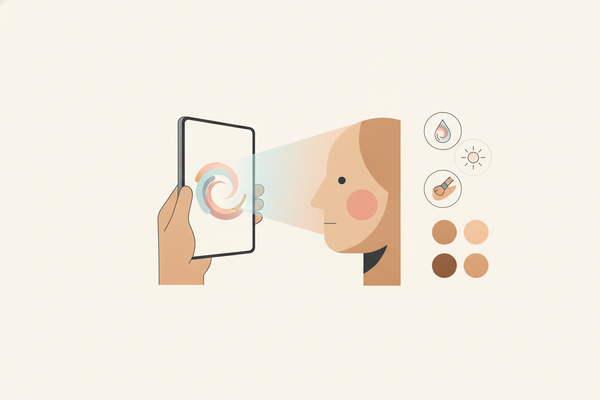
A pre-makeup skincare routine is the intentional sequence of cleansing, treating, hydrating and priming the face before makeup application to create a smooth, even canvas. In 2026, prepping your skin means you hydrate skin before makeup and layer products so your foundation glides on flawlessly. With the rise of AI-powered skin diagnostic tools (like Makeup Check AI’s real-time skin analyzer), users can now personalize their pre-makeup routine more precisely than ever. When you follow a full skin prep, makeup adheres better, goes on more evenly, resists creasing or patchiness and lasts longer—giving you a skincare for flawless foundation every time.
Real-world makeup artists and dermatologists agree that a structured skin ritual is just as important as the makeup you choose. By investing five minutes in targeted hydration, gentle exfoliation and the right primer, you protect your skin barrier, boost radiance and ensure your foundation sits beautifully. In 2026, virtual consultations and skin health apps have made it easier to get personalized recommendations for every skin type and concern.
Sources: Lancôme, Depology, Charlotte Tilbury.
Why You Need to Hydrate Skin Before Makeup
Hydration is the process of binding water to the skin’s outer layers. Well-hydrated skin:
- Plumps cells for a firmer, dewy look.
- Prevents foundation from clinging to dry patches.
- Supports the lipid barrier, reducing sensitivity under makeup.
- Helps makeup glide on smoothly, avoiding cakey or patchy finish. See our cakey foundation fix guide.
Key benefits of hydration:
- Radiance: Skin looks brighter and more youthful when properly moisturized.
- Even texture: Hydrated cells create a uniform surface, so foundation spreads evenly.
- Barrier support: Ingredients like ceramides and squalane lock in moisture and protect against pollution and irritation.
Technical tip:
- Use humectants (hyaluronic acid, glycerin, polyglutamic acid) to attract moisture to the skin.
- Follow with occlusives (squalane, plant-derived oils, ceramides) to seal hydration.
- Choose a moisturizer labelled “non-comedogenic” to avoid clogged pores.
Experience note: In 2026, makeup artists recommend applying moisturizer while skin is slightly damp to maximize absorption. Newer formulas with multi-weight hyaluronic acid and polyglutamic acid increase water retention and skin bounce. A study by the National Center for Biotechnology Information confirms that hyaluronic acid can increase skin moisture by up to 96% within 24 hours.
Sources: Lancôme, IT Cosmetics.
How to Exfoliate Before Makeup for a Smooth Canvas
Exfoliation removes dead surface cells for fresh, smooth skin. In 2026, gentle exfoliation is prioritized to maintain barrier health, with more users choosing enzyme-based and low-irritation acid formulas. Two main methods:
- Manual exfoliation
- Use gentle scrubs with spherical jojoba beads or a konjac sponge.
- Ideal for normal to combination skin once or twice a week.
- Chemical exfoliation
- AHA (glycolic acid 5–10% or lactic acid 5–8%): Brightens and smooths texture.
- BHA (salicylic acid 1–2%): Penetrates oil-laden pores—best for oily or acne-prone skin.
- Enzyme exfoliants (from papaya, pumpkin, or pineapple): Offer very gentle resurfacing for sensitive skin.
Frequency guidelines (2026 update):
- Normal/combination skin: 1–2× weekly.
- Oily/acne-prone skin: Up to 3× weekly with low-strength BHA or enzyme exfoliant.
- Dry/sensitive skin: Once every 10–14 days; opt for mild AHA or enzyme peels.
Benefits:
- Removes flaky patches for seamless blending.
- Softens fine lines where foundation can settle.
- Extends makeup wear by preventing product buildup.
Expert tip: Always patch-test new acids and follow with SPF in the morning. Over-exfoliation can weaken the skin barrier, so listen to your skin’s response. In 2026, many exfoliants now include barrier-repairing ingredients like panthenol and beta-glucan to minimize irritation.
Source: Lancôme.
Choosing the Best Moisturizers Under Makeup
Selecting the right moisturizer ensures your base stays smooth and your finish flawless. In 2026, formulas are more advanced—many combine hydration, barrier support, and lightweight textures suitable for layering under makeup. Look for:
- Lightweight, fast-absorbing textures (gel-creams, water-based lotions, micro-emulsion formulas).
- Non-comedogenic to prevent breakouts.
- Non-pilling formulas that won’t ball up under foundation.
- Key ingredients: multi-weight hyaluronic acid, glycerin, ceramides, squalane, polyglutamic acid.
Skin-type recommendations:
- Dry skin: Richer, emollient creams or balm-to-oil formulas that melt into skin. Look for added ceramides and shea butter for barrier support.
- Oily/combination skin: Oil-free gel moisturizers with mattifying agents like niacinamide or zinc PCA.
- Sensitive skin: Fragrance-free, barrier-repairing formulas with soothing panthenol, oat extract, and centella asiatica.
Real-world example: In 2026, makeup artists commonly use hydrating mists containing electrolytes and peptides after moisturizer to boost glow before airbrushing foundation. A quick light layer of water-based gel keeps the skin dewy without slipping, and some pros use AI-powered skin analysis apps to confirm hydration levels before makeup.
Sources: Lancôme, IT Cosmetics.
Serums, Primers and Complementary Products
Layering the right products elevates your finish and wear time. In 2026, hybrid products—such as serum-primers and moisturizer-SPF-primers—have become popular for streamlining routines. Follow this order:
- Toner (optional): Hydrating, pH-balancing mist, sometimes with prebiotics or peptides.
- Serum:
- Hydration boost (multi-weight hyaluronic acid, polyglutamic acid).
- Brightening (stabilized vitamin C, niacinamide).
- Calming (niacinamide, centella asiatica, green tea extract).
- Moisturizer: Seal hydration (see previous section).
- Primer:
- Silicone-based to blur pores and fine lines.
- Mattifying primers infused with salicylic acid or zinc for oily zones.
- Hydrating primers with glycerin, squalane, or peptides for dry skin.
- Hybrid serum-primers (2026 trend) for a streamlined routine and extra skin benefits.
Layering tips:
- Wait 30–60 seconds between steps to ensure full absorption.
- Use pea-sized amounts—overloading can cause pilling.
- For extra glow, mix a drop of illuminating serum or liquid highlighter into your primer.
Authority note: Dermatologists at the Skin Health Institute stress that a balanced layering order helps each product work at its best, reducing the risk of interaction or barrier disruption. In 2026, AI-powered apps can now scan your product lineup for ingredient conflicts and recommend optimal layering.
Sources: Lancôme, IT Cosmetics.
Step-by-Step Skincare Routine for a Flawless Foundation
- Cleanse (1–2 minutes): Use a gentle, pH-balanced cleanser to remove oil, dirt and makeup residue. Double-cleanse if you wore heavy sunscreen or makeup the day before. In 2026, microfoam and enzyme-based cleansers are popular for deep yet gentle cleansing.
- Tone (optional, 30 seconds): Apply an alcohol-free, hydrating toner on a cotton pad or spray directly. Balances pH and preps skin for active treatments. Prebiotic toners are trending for barrier support.
- Exfoliate (1–2× weekly, 2 minutes): Choose a chemical exfoliant (AHA/BHA) or gentle physical scrub. Avoid over-scrubbing—stop if skin feels tight or itchy. Enzyme exfoliants are ideal for sensitive or reactive skin.
- Apply Serum (1 minute): Pat in targeted treatments:
- Multi-weight hyaluronic acid or polyglutamic acid for deep hydration.
- Vitamin C (ascorbyl glucoside or THD ascorbate for stability) for daytime brightness.
- Niacinamide or centella asiatica to calm redness and refine pores.
- Moisturize (1–2 minutes): Select the best moisturizer under makeup for your skin type. Gently massage in upward strokes; let sink in for 60 seconds.
- Prime (30 seconds): Choose a primer to address your main concern:Press primer into skin with fingertips.
- Silicone-based to fill in pores.
- Mattifying for oily areas (with salicylic acid or zinc PCA).
- Hydrating for dry skin (with squalane or peptides).
- Hybrid serum-primers for all-in-one benefits.
- Apply Foundation (2–3 minutes): Work within 1–2 minutes of primer application for optimal grip. Use a damp sponge or brush for an even, buildable finish. For perfect foundation shade matching, try this guide or use Makeup Check AI’s updated 2026 skin analyzer tool for real-time matching.
Additional expert tips:
- Hydrating mist: Keep a facial mist with electrolytes or peptides on hand to reactivate products and refresh skin throughout the day.
- Weekly masks: Use sheet masks or overnight sleeping masks 1–2× per week to reinforce moisture and barrier health. Hydrogel masks are especially popular in 2026 for their cooling, plumping effect.
- Sun protection: Finish with at least SPF 50 for daytime wear, even under makeup. Many 2026 moisturizers and primers now include invisible, broad-spectrum SPF for added convenience.
Conclusion
A consistent pre-makeup skincare routine is your secret weapon for a skincare for flawless foundation. By focusing on hydration, gentle exfoliation, targeted moisturization and the right primer, you give your foundation the best possible canvas. This approach extends wear, prevents patchiness and protects long-term skin health. Tailor each step—cleanser, hydrator, exfoliant, serum, moisturizer and primer—to your skin type and daily needs. With this ritual, you’ll achieve an even, radiant base that makes every makeup look stand out. In 2026, leveraging personalized skin analysis tools and hybrid products makes it easier than ever to get pro-level results at home.
FAQ
- How long should I wait between moisturizer and primer?
Allow about 60 seconds for your moisturizer to fully absorb before applying primer to prevent pilling and ensure smooth application. Some 2026 hybrid formulas allow for shorter wait times—check product instructions. - Can I skip exfoliation if my skin is sensitive?
You can limit exfoliation to once every 10–14 days and opt for very mild AHAs, enzyme-based peels, or micro-exfoliating toners to avoid irritation. Always patch test new products, especially with sensitive skin, and consult an AI skin analysis tool for tailored recommendations. - Which primer is best for oily skin?
Look for a mattifying primer with salicylic acid, silica, or zinc PCA to control shine and blur pores. In 2026, hybrid serum-primers for oily skin are widely available, combining oil control with barrier support.