User Habit Formation Makeup Check: Transforming App Engagement with AI
Learn how user habit formation through makeup checks can increase app engagement and retention by using AI for behavior analysis and personalization.

Estimated reading time: 8 minutes
Key Takeaways
- Habit loops—cue, routine, reward—are essential for driving daily makeup check behaviors.
- AI personalization leverages behavior analysis, timely notifications, and recommendations to embed apps into users’ routines.
- Engagement tactics like gamification, social features, and smart UI design boost retention and reduce friction.
- Continuous measurement of metrics and iterative AI model updates ensure habit loops remain effective over time.
Table of Contents
- Introduction
- Defining Key Concepts
- The Role of AI in Makeup Apps
- Strategies for Optimizing Engagement and Retention
- Best Practices and Design Considerations
- Measuring and Iterating for Success
- Conclusion
Introduction
“User habit formation makeup check” is the process of using makeup app features to turn occasional use into daily, automatic routines. User habit formation refers to the transition from deliberate actions to automatic behaviors via repetition, prompts, and rewards (Focus Keeper). In the beauty-tech space, building habits around makeup checks drives sustained engagement and long-term retention amid fierce competition (Glance; Chameleon).
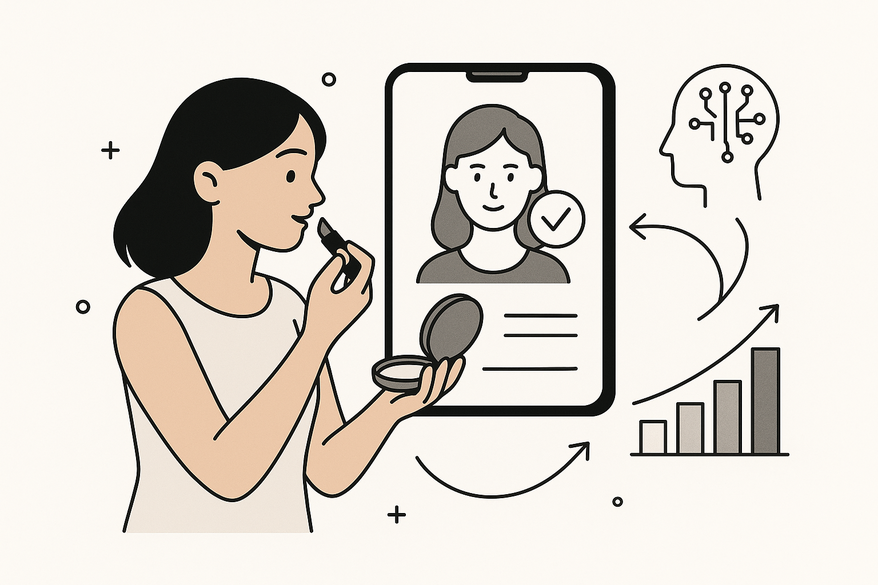
By prompting users to self-assess looks, try new virtual styles, and earn feedback, makeup apps embed themselves into morning and evening rituals. AI underpins this evolution—machine learning and behavior analysis personalize notifications, recommendations, and interactive features to optimize habit loops (learn more). As a result, occasional users become daily active users.
In practical terms, tools like Makeup Check AI use personalized notifications and AI-driven feedback to embed makeup checks into daily routines.
Defining Key Concepts
A clear framework around habit formation, makeup check, habit loops, and behavioral psychology guides feature design and user experience.
User Habit Formation
User habit formation is the transition from deliberate actions to automatic behaviors via repetition, prompts, and rewards. It draws on behavioral psychology principles to create stickiness.
Three stages of the habit loop:
- Cue: A trigger that prompts action (e.g., a push notification reminding a user to do a makeup check).
- Routine: The action itself (opening the app, scanning a selfie, performing a makeup check).
- Reward: The immediate benefit (AI-powered tip, personalized recommendation, sense of progress).
Makeup Check
A makeup check is an app-driven self-assessment session where users:
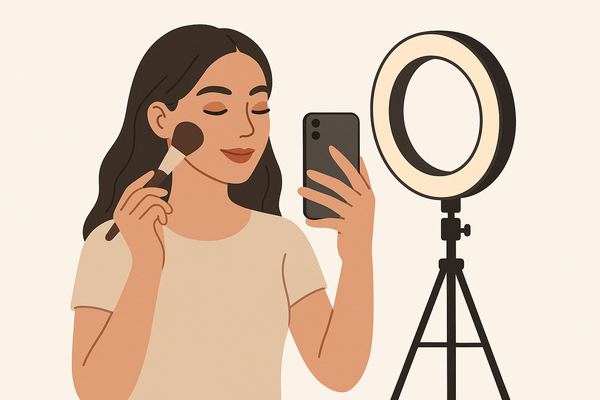
- Assess their current makeup look via a live camera scan or selfie.
- Virtually try on new styles using AR filters and overlays.
- Receive AI-powered recommendations on products, techniques, or color palettes.
Regular makeup checks serve as behavioral cues. By making the self-assessment routine, apps encourage daily visits and build a continuous feedback loop. Augmented reality and deep learning deliver hyper-realistic virtual try-ons and personalized beauty advice.
The Role of AI in Makeup Apps
Behavior Analysis
- Tracks session times, feature usage, makeup check frequency, and preferred styles.
- Segments users into cohorts (e.g., novice, trend-seeker, routine-driven) based on patterns.
- Feeds behavioral data back into the AI engine to refine future cues.
Personalized Recommendations
- Uses collaborative and content-based filtering to suggest products, tutorials, and color combos.
- Clusters users by skin tone, style preference, and engagement habits.
- Reinforces routines by delivering content that feels uniquely relevant.
Timely Notifications
- Predicts optimal times for prompts using time-series analysis of user activity.
- Tailors push notifications around morning routines, lunch breaks, or pre-evening events.
- Boosts open rates and click-throughs by delivering reminders when users are most receptive.
Interactive & Adaptive Features
- AR try-ons adjust in real time to user movements, lighting, and facial features.
- Daily style challenges and quizzes adapt difficulty based on achievement streaks.
- Novelty features (virtual events, influencer-led sessions) sustain exploratory behavior.
Strategies for Optimizing Engagement and Retention
Personalized Recommendations
- Continuously feed user history (past purchases, makeup checks, tutorial completions) into ML models.
- Use reinforcement learning to adjust suggestions as preferences evolve.
- Highlight seasonal or trending items aligned with user style profiles.
Gamification Elements
- Streak counts for consecutive makeup checks drive loss-aversion and reward anticipation.
- Badges and achievement tiers celebrate milestones (e.g., “7-Day Glam Master”).
- Point systems redeemable for discounts or exclusive content tap into extrinsic motivation.
Social & Community Features
- Enable look-sharing on in-app feeds and social platforms for peer feedback and social proof.
- Friend challenges and group leaderboards leverage social comparison to boost accountability.
- Community boards encourage user-generated content, driving a sense of belonging.
Regular Makeup Checks as Habit Triggers
- Position makeup checks as the daily cue within morning/evening routines.
- Pair checks with immediate, visible rewards (e.g., a customized evolving avatar or unlockable tip).
- Encourage scheduling checks at consistent times via calendar integrations or reminders.
Best Practices and Design Considerations
Intuitive User Interface
- Place the makeup check icon front-and-center on the home screen to reduce friction.
- Use clear, recognizable icons (mirror, camera, checkmark) unified by a consistent design system.
- Apply progressive disclosure so new users are guided step-by-step, then allowed deeper exploration.
Smart Notifications
- Personalize notification frequency, timing, and content based on individual engagement data.
- Provide in-app controls for users to adjust reminder cadence to their comfort level.
- A/B test message styles (tip vs. challenge vs. offer) to identify high-impact formats.
Transparent & Desirable AI Recommendations
- Display rationale for suggestions (e.g., “Because you liked coral lipstick, here’s a matching blush”).
- Highlight the tangible benefit of each tip—improved technique, time saved, or cost-effectiveness.
- Use sentiment analysis to detect user satisfaction and adapt recommendation styles.
Avoiding Notification Fatigue
- Set cap limits on daily or weekly push notifications to prevent annoyance.
- Rotate message types—tips, challenges, tutorials—to maintain novelty.
- Employ anomaly detection to identify when users begin ignoring prompts and dynamically reduce frequency.
Measuring and Iterating for Success
Key Performance Metrics
- Engagement Rate: session length, number of app opens, depth of makeup check interactions.
- Retention Rate: cohort analysis of returning users after 7, 30, and 90 days.
- Streak Frequency: count of consecutive days performing makeup checks and highest streak achieved.
- User Satisfaction: in-app surveys, star ratings, NPS scores, and app store reviews.
Continuous AI Model Updates
- Retrain machine learning models weekly or monthly with fresh user behavior data.
- Use A/B testing to pit different notification schedules, gamification mechanics, and UI layouts against each other.
- Incorporate direct user feedback loops—surveys and focus groups—into the product roadmap.
Conclusion
User habit formation makeup check is the linchpin for driving daily engagement and long-term retention in makeup apps. By leveraging AI for behavior analysis, personalization, and adaptive interactive features, apps can transform one-off users into daily routine enthusiasts. Strategies like gamification, social features, smart notifications, and transparent AI recommendations ensure beauty apps remain integral to users’ self-care rituals. Continuous measurement and data-driven iteration will keep habit loops fresh and effective. Embrace AI-powered habit formation to make every makeup check a step toward deeper engagement and loyalty.
FAQ
-
What is a habit formation makeup check?
It’s a process that uses cues, routines, and rewards in a makeup app to turn occasional checks into daily, automatic behaviors.
-
How does AI enhance engagement in makeup apps?
AI analyzes user behavior, personalizes recommendations, predicts optimal notification times, and adapts interactive features to keep users coming back.
-
What strategies help maintain long-term retention?
Combine gamification (streaks, badges), social features (sharing, challenges), and smart notifications, while avoiding fatigue through message rotation and caps.
-
Which metrics should I track to measure success?
Monitor engagement rate, retention cohorts, streak frequency, and user satisfaction scores to assess the impact of habit-forming features.