Selfie Lighting Techniques Tips: Capture Your Best Look
Discover expert selfie lighting techniques tips for flawless photos. Elevate your makeup selfies with these practical, easy-to-follow lighting strategies.

Estimated reading time: 6 min
Key Takeaways
- Mastering selfie lighting techniques tips ensures more flattering, professional-looking photos.
- Natural light is your best friend for even, soft skin tones.
- Artificial lighting can mimic studio effects—if you know how to use it right.
- Makeup Check AI can help you analyze and improve both your makeup and lighting game.
Table of Contents
- Section 1: Why Lighting Matters in Selfies
- Section 2: Natural Lighting Techniques
- Section 3: Mastering Artificial Selfie Lighting
- Section 4: Pro Tips for Makeup and Lighting
- Section 5: Using AI for Flawless Selfies
- Conclusion
- FAQ
Section 1: Why Lighting Matters in Selfies
The Foundation of a Great Selfie
When it comes to taking a stunning selfie, lighting is everything. Even the best makeup and camera won't save a photo ruined by harsh shadows or yellow tones. Proper selfie lighting techniques tips can:
- Highlight your features and makeup details
- Minimize skin imperfections
- Create even skin tone and reduce glare
- Make colors pop naturally
No editing app can fully correct poor lighting, so getting it right in the moment is key for authentic, beautiful results.
Section 2: Natural Lighting Techniques
Finding the Best Light at Home
Natural light is the gold standard for selfies—it's soft, flattering, and free. Here’s how to make the most of it:
- Face the window: Position yourself so the window light hits your face directly or at a slight angle. This provides even illumination and minimizes shadows.
- Avoid direct sunlight: Harsh midday sun can create sharp shadows and highlight skin texture. Aim for early morning or late afternoon (the "golden hour") for the softest glow.
- Use sheer curtains: Diffuse bright light with a thin curtain. This reduces harshness and creates a gentle, radiant effect.
- Turn off overhead lights: Mixing artificial and natural light can result in odd color casts. Stick to one source for consistency.
Outdoor Selfie Lighting Tips
Shooting outside? Position yourself with the sun behind you for a subtle backlight, or step into open shade for a balanced, shadow-free look.
Section 3: Mastering Artificial Selfie Lighting
Ring Lights and Beyond
When natural light isn’t available, artificial lighting becomes essential. Here’s how to use it for pro-level selfies:
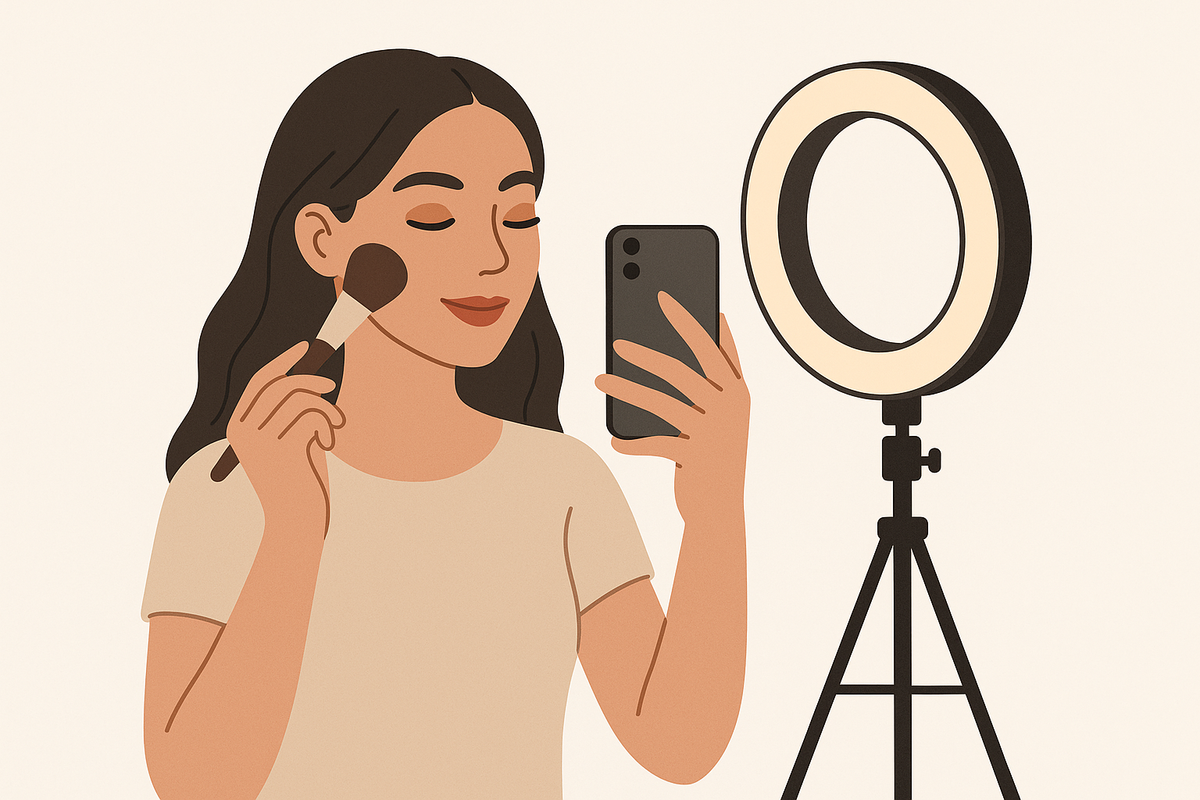
- Invest in a ring light: These provide 360-degree illumination, reducing shadows and enhancing makeup details.
- Use soft white bulbs: Warm or yellow bulbs can distort skin tone. Look for daylight-balanced (around 5000K) options.
- Position your light source at eye level: Lighting from below or above creates unflattering shadows. Aim for direct, level light.
- Experiment with reflectors: White poster board or a dedicated reflector can bounce light onto your face and fill in shadows.
Smartphone Flash: Friend or Foe?
Phone flashes are usually too harsh for close-up selfies. Avoid them if possible, or use a selfie ring light attachment for a softer effect.
Section 4: Pro Tips for Makeup and Lighting
How Lighting Changes Your Makeup Look
Lighting affects how your makeup is perceived. For example, highlighter shines more under direct light, while contouring can look muddy in low light. Some tips:
- Check your makeup in the lighting you’ll use for selfies—adjust blush, foundation, and shimmer as needed.
- Matte finishes often photograph better in strong lighting; dewy looks shine in softer, natural light.
- If you want to see how your makeup translates on camera, use an app like Makeup Check AI to analyze your look and get personalized feedback.
Practical Posing and Framing
- Hold your camera slightly above eye level for a more flattering angle.
- Center your face in the brightest spot of your frame.
- Take multiple shots and review them to see how small lighting tweaks change the outcome.
Section 5: Using AI for Flawless Selfies
How AI Can Elevate Your Selfie Game
Not sure if you've nailed your lighting or makeup? AI beauty apps now offer instant analysis and improvement tips. Makeup Check AI lets you scan your selfie, generate personalized makeup suggestions, and get lighting feedback based on your current environment.
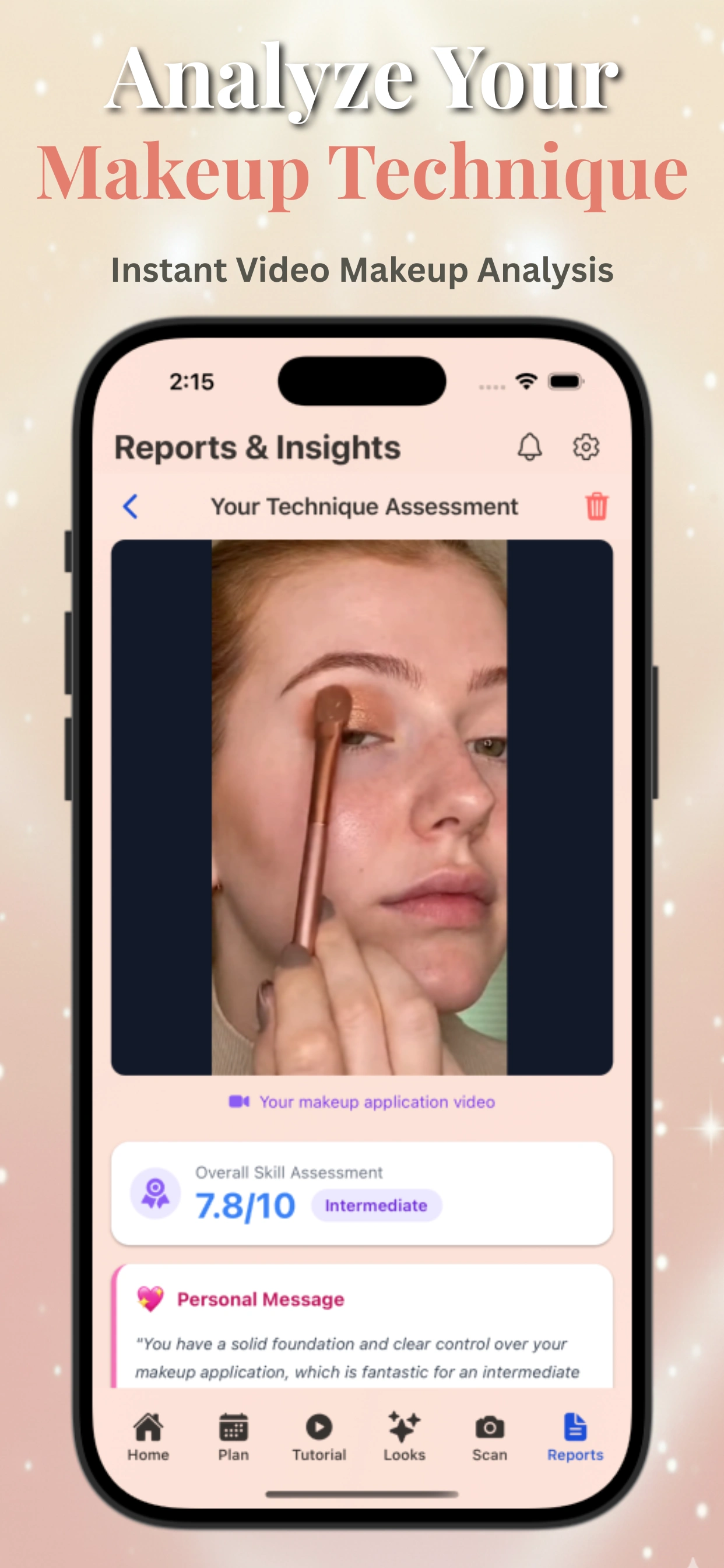
This technology helps you:
- Identify lighting issues like shadows or color cast
- Get step-by-step makeup tutorials tailored to your lighting conditions
- Try on 300+ looks virtually, ensuring your favorite style works in any light
For more on how AI is revolutionizing beauty, see our deep dive in Makeup AI: Revolutionizing Beauty with Personalized Technology.
Conclusion
Mastering selfie lighting techniques tips transforms the quality of your photos—and your confidence. Start with natural light, add artificial tools as needed, and don’t forget the power of AI to refine your routine. With a little practice and the right tools, every selfie can be your best.
FAQ
Q: What is the best time of day for natural light selfies?
A: Early morning and late afternoon (the "golden hour") provide the softest, most flattering light for selfies.
Q: How can I avoid harsh shadows in selfies?
A: Face your light source directly, use diffusers like sheer curtains, or opt for ring lights and reflectors to soften shadows.
Q: Can Makeup Check AI help me improve my selfie lighting?
A: Yes, Makeup Check AI analyzes your selfie for lighting quality and suggests improvements for both makeup and lighting setup.
Q: Do I need expensive equipment for great selfie lighting?
A: No—natural window light and simple tools like white poster boards or affordable ring lights can dramatically improve your selfies.
Antes de escoger una camiseta de selección, puede ser práctico comprobar medidas, cuidados de lavado y comodidad. Una referencia como camiseta Espana puede servir para revisar opciones generales sin depender de una sola característica. También conviene revisar las condiciones descritas para evitar confundir estilo, talla y comodidad.