AI for Cosmetics Formulation: Transforming Beauty Innovation
Discover how AI for cosmetics formulation is revolutionizing beauty, enabling personalized products, faster development, and smarter routines.

Estimated reading time: 7 min
Key Takeaways
- AI for cosmetics formulation accelerates product innovation and personalization.
- Machine learning optimizes ingredient combinations and predicts outcomes.
- AI-driven apps like Makeup Check AI offer tailored routines and looks.
- Data-driven insights from AI improve safety and efficacy in cosmetic products.
- AI empowers consumers to make informed beauty decisions faster.
Table of Contents
- Section 1: What is AI for Cosmetics Formulation?
- Section 2: How AI Accelerates Cosmetics Innovation
- Section 3: Personalization and Consumer Benefits
- Section 4: AI-Powered Beauty Apps in Practice
- Section 5: The Future of AI in Cosmetics
- Conclusion
- FAQ
Section 1: What is AI for Cosmetics Formulation?
Defining AI in Beauty Product Development
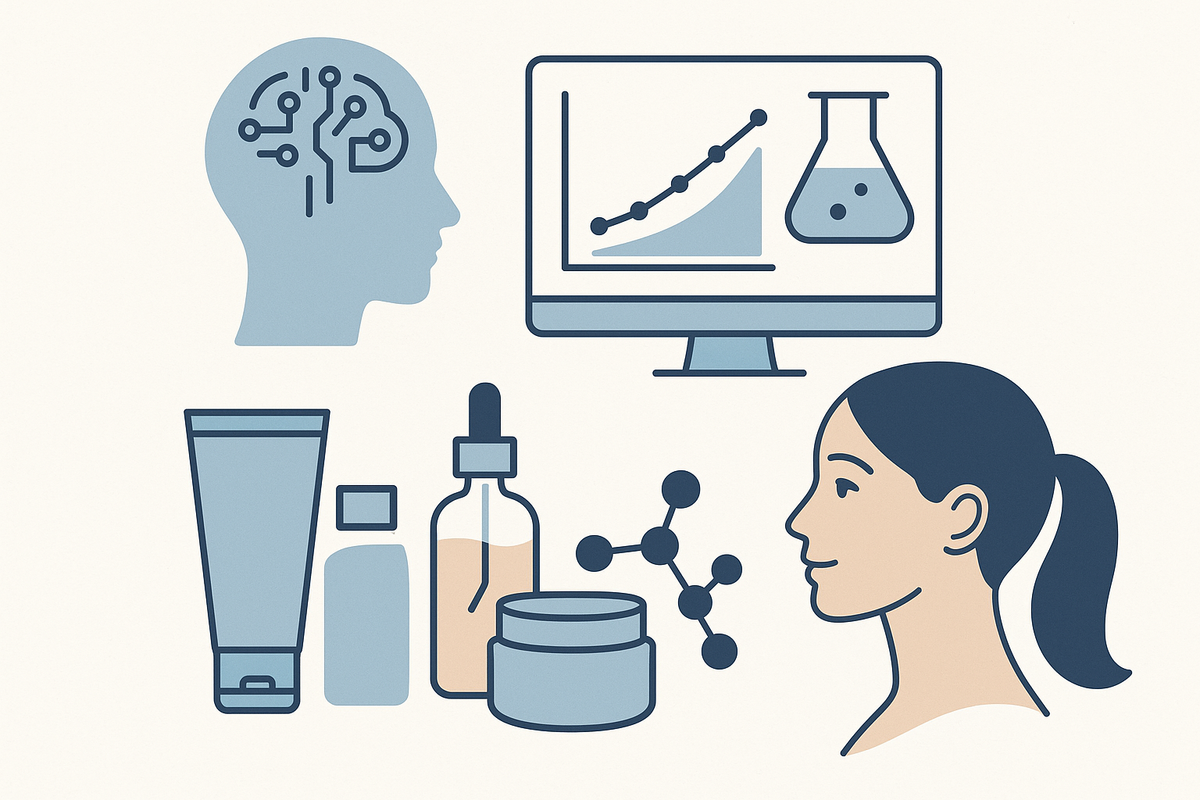
AI for cosmetics formulation refers to the use of artificial intelligence—particularly machine learning and data analytics—to design and optimize beauty products. This technology analyzes massive datasets, including ingredient properties, skin types, and customer preferences.
- AI predicts ingredient compatibility and efficacy.
- Algorithms suggest new formulations based on trend analysis.
- Big data enables safer and more effective product development.
Key Technologies Used
Several AI techniques are integral to cosmetics formulation:
- Machine learning for pattern recognition and prediction.
- Natural language processing to analyze consumer reviews and trends.
- Computer vision for skin analysis and product matching.
Section 2: How AI Accelerates Cosmetics Innovation
Speeding Up R&D
Traditionally, developing a new cosmetic product could take years. AI streamlines this by quickly scanning ingredient libraries, simulating combinations, and predicting results. This enables:
- Faster prototyping and testing cycles.
- Reduced trial-and-error in the lab.
- Rapid adaptation to emerging beauty trends.
Improving Product Safety and Efficacy
AI models assess potential allergic reactions, irritants, and long-term effects by comparing new formulas against vast databases of clinical data. This leads to:
- Safer formulations for sensitive skin types.
- Enhanced performance backed by scientific evidence.
- Regulatory compliance at early stages of development.
To see how AI transforms beauty on the consumer side, explore how Makeup AI is revolutionizing beauty with personalized technology.
Section 3: Personalization and Consumer Benefits
Tailored Beauty Routines
AI for cosmetics formulation doesn't just help brands—it empowers consumers. By analyzing individual skin concerns, preferences, and even local climate data, AI platforms recommend:
- Custom skincare routines for morning and night.
- Makeup shades that match unique undertones and color seasons.
- Personalized ingredient lists to avoid allergens.
Smarter Shopping and Trying-On
Advanced apps like Makeup Check AI use AI-driven analysis to recommend products and looks tailored to your facial features and lifestyle. Users benefit from:
- Virtual try-on of 300+ makeup looks.
- On-demand tutorials with video feedback.
- Daily reminders and progress tracking for beauty goals.
Section 4: AI-Powered Beauty Apps in Practice
How Makeup Check AI Leads the Way
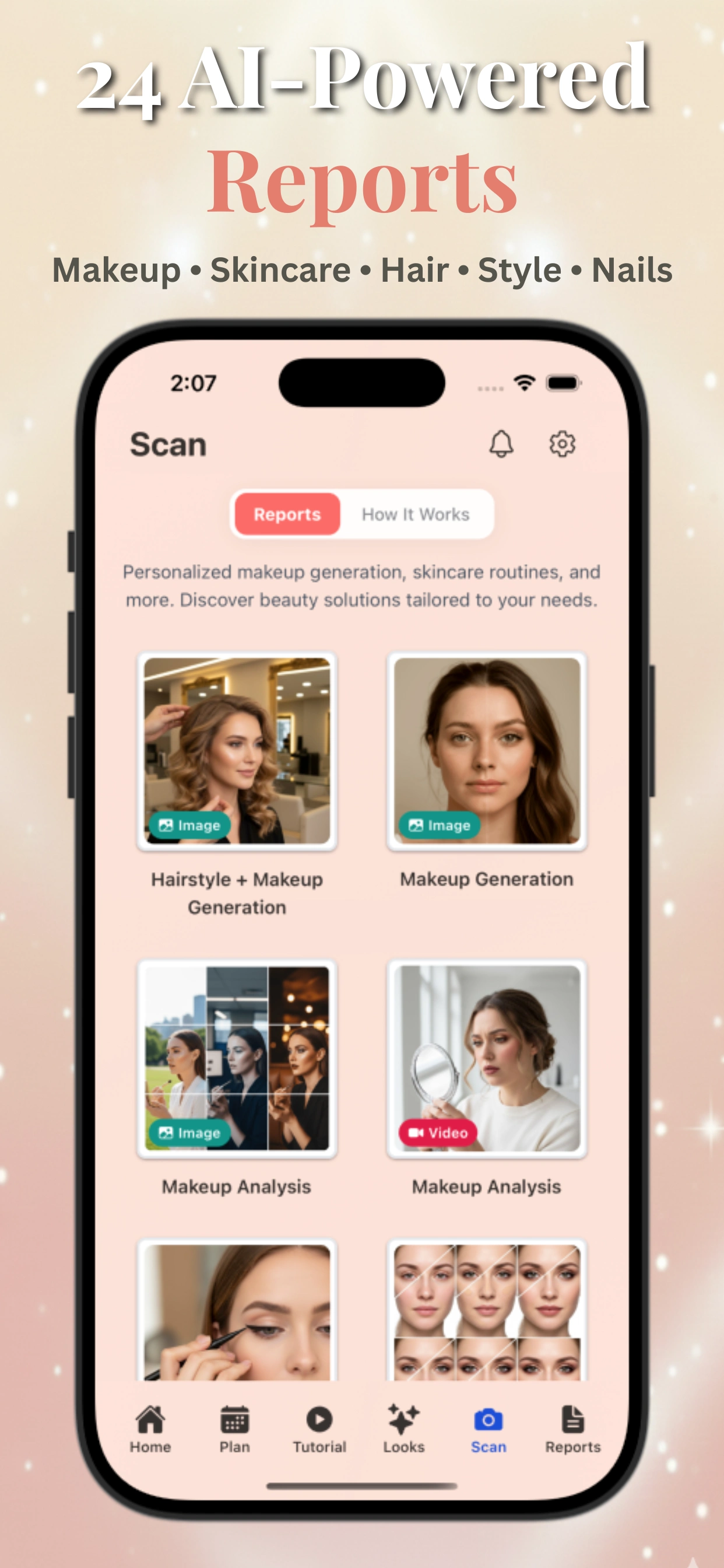
Makeup Check AI exemplifies the power of AI for cosmetics formulation at a personal level. Its features include:
- 24 AI-powered reports covering makeup, skincare, hair, and fashion.
- Real-time chat with an AI beauty assistant 24/7.
- Step-by-step tutorials with video analysis.
- Personalized beauty plans and routine reminders.
The AI scans your face, analyzes your skin and makeup technique, and recommends improvements—bringing the science of cosmetics formulation directly to your phone.
Linking Beauty AI to Everyday Routines
Beyond formulations, AI-driven beauty apps are shifting how consumers approach their daily routines. For a broader look at AI’s growing role in beauty, see AI Makeup: The Future of Personalized Beauty Routines.
Section 5: The Future of AI in Cosmetics
Emerging Trends in AI-Driven Formulation
Expect to see even more integration of AI in both product development and direct-to-consumer tools, including:
- Real-time customization at the point of purchase.
- Ingredient transparency powered by AI-generated reports.
- Personalized sustainability recommendations.
Challenges and Ethical Considerations
As AI for cosmetics formulation advances, it's crucial to address:
- Data privacy and user consent.
- Algorithmic bias in beauty standards.
- Ensuring inclusivity across all skin tones and types.
Conclusion
AI for cosmetics formulation is changing the beauty industry from the inside out. From speeding product development to delivering hyper-personalized routines, artificial intelligence is unlocking a smarter, safer, and more creative beauty experience. Ready to see what AI can do for your beauty journey? Explore the possibilities with Makeup Check AI.
FAQ
Q: How does AI improve cosmetics formulation?
A: AI analyzes data on ingredients, skin types, and performance to optimize formulas, ensuring safety and efficacy while enabling rapid innovation.
Q: Can AI recommend products for my specific skin type?
A: Yes, apps like Makeup Check AI scan your face and use AI to recommend skincare and makeup tailored to your unique needs.
Q: Is AI used only by big beauty brands?
A: No, AI for cosmetics formulation is accessible to both industry professionals and consumers through beauty apps and online tools.
Q: Where can I learn more about personalized beauty technology?
A: For more insights on AI-powered beauty, check out this guide to smarter beauty routines.