Your Ultimate Cakey Foundation Fix: Avoid Mistakes and Blend for Flawless Coverage
Discover cakey foundation fix strategies: blend foundation, avoid concealer mistakes, debate primer vs no primer, and repair patchy makeup with expert tips.

Estimated reading time: 6 minutes
Key Takeaways
- Identify the root causes of cakey foundation for a smoother look.
- Master blending techniques: thin layers, proper prep, right tools.
- Avoid common concealer pitfalls by using minimal, hydrating formulas.
- Choose a primer based on your skin type to extend wear and minimize texture.
- Quickly repair patchy makeup with targeted misting, sponges, and spot fixes.
Table of Contents
- Introduction & Tools
- Understanding Cakey Foundation Fix
- How to Blend Foundation for a Flawless Finish
- Concealer Mistakes That Make Makeup Look Cakey
- Primer vs No Primer—Which Prevents a Cakey Foundation?
- Patchy Makeup Repair—Quick Midday Fixes
- Conclusion
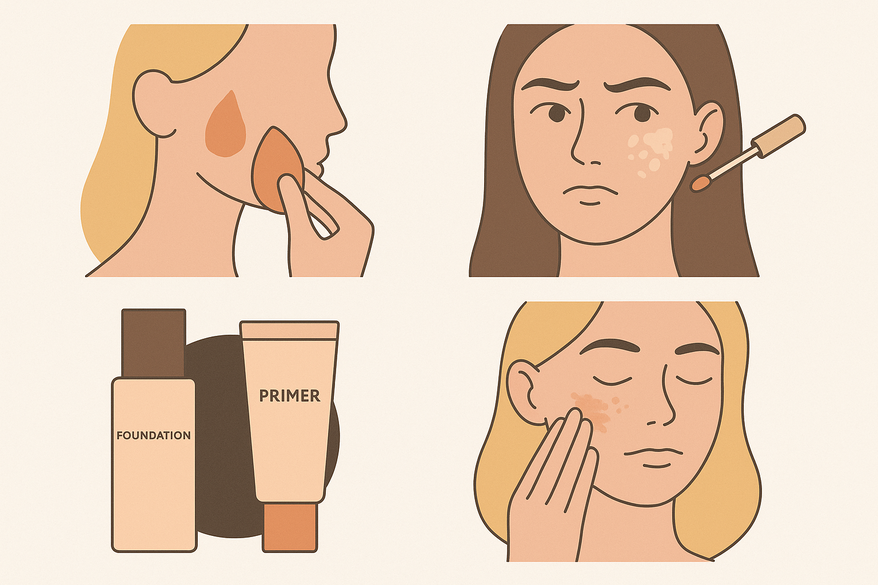
Do you ever see thick, heavy makeup sitting in your pores or fine lines? If you’re struggling with a cakey foundation fix, you’re not alone. This can dent your confidence and make you avoid close-up shots. In this guide, you’ll learn four key solutions: how to blend foundation, common concealer mistakes, the primer vs no primer debate, and patchy makeup repair. Let’s jump in and build a smooth, natural base.
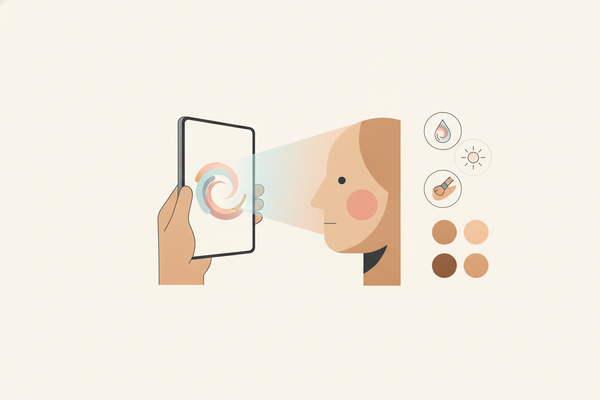
Before we dive in, for an objective assessment of your foundation application and personalized tips to eliminate cakey buildup, consider using Makeup Check AI. As of 2026, Makeup Check AI now supports real-time video analysis and gives instant, AI-powered feedback on your blending technique and product choices, making it easier than ever to get a flawless base at home.
Understanding Cakey Foundation Fix
A cakey finish happens when product pools in skin texture instead of melting into a seamless canvas.
Common culprits include:
- Over-application of foundation or powder
- Poor skin prep: dehydration, dead cells, excess oil
- Inadequate blending techniques
- Mismatched formulas (e.g., matte foundations on dry skin)
- Incorrect layering order (liquid over powder)
- Using expired or oxidized products (a growing issue as more foundations incorporate active ingredients—always check your product’s shelf life in 2026!)
Environmental factors can aggravate the issue—humidity breaks down makeup, while dry air flakes matte products. Uneven texture highlights every line. With climate-adaptive formulas more common in 2026, choosing a foundation tailored to your local weather can help reduce cakiness.
For tips on perfectly matching your foundation formula to your skin, try the skin tone analyzer.
Sources:
- Cosmopolitan: How to Fix Cakey Makeup
- Lookfantastic: Prevent Foundation Looking Cakey
- YSL Beauty: Avoid Cakey Makeup & Foundation Cracks
How to Blend Foundation for a Flawless Finish
Proper Skin Prep Before Blending
- Cleanse with a gentle, pH-balanced face wash. In 2026, microbiome-friendly cleansers are widely available and help maintain skin barrier health.
- Apply moisturizer suited to your skin type. New lightweight gel-creams with barrier-supporting peptides are ideal if you’re prone to cakiness.
- Allow lotion to absorb for at least 2 minutes before makeup. For extra smoothness, try a hydrating mist right before foundation.
Building Coverage in Thin Layers
- Start with a small dot of foundation on your cheeks or T-zone.
- Use light strokes or dabs to spread it outward.
- Repeat in layers, focusing on areas needing more coverage.
- In 2026, many foundations are designed to self-set, reducing the need for heavy powder. Look for “buildable” or “flexible finish” on the label.
Tool Comparison & Techniques
- Beauty sponge (damp): bounce gently in stippling motions. Silicone-infused sponges, now popular, minimize product waste and maximize blend.
- Dense brush: blend in small circles or stipples. Hybrid fiber brushes offer a streak-free finish and are easier to clean.
- Fingertips: pat and smooth to melt product into skin. This works best with serum or tint foundations.
Common Blending Pitfalls & Quick Corrections
- Demarcation lines: blend past your jawline and hairline. In 2026, AI mirrors and camera apps (like Makeup Check AI) can highlight missed spots for you.
- Product settling in creases: press a damp sponge to lift and smooth.
- Streaks or patches: mist a fine setting spray and buff lightly. New bi-phase mists help rehydrate and rebond makeup layers instantly.
Concealer Mistakes That Make Makeup Look Cakey
Typical concealer pitfalls:
- Over-layering under eyes or on blemishes
- Using thick, dry formulas on dehydrated skin
- Failing to blend edges, creating harsh patches
- Using high-pigment formulas without proper prep—a common 2026 issue with new “full coverage” launches
Expert tips:
- Dot only on dark circles or spots—less is more.
- Tap in with fingertips or a small brush for a seamless finish.
- Choose hydrating, flexible concealers for dry or mature skin. In 2026, look for ceramide- or squalane-infused options for a smoother look.
- Lightly set with a finely milled powder only where needed. Micro-fine powders now blur without adding weight.
Primer vs No Primer—Which Prevents a Cakey Foundation?
Primer’s Key Roles
- Smooths texture and fills fine lines
- Controls oil or delivers hydration
- Extends makeup wear time
- In 2026, many primers contain skin-care actives like niacinamide or peptides for added benefits
With Primer vs Without Primer
- With Primer: smoother application, minimized pores, longer-lasting grip.
- Without Primer: potential patchiness, settling into lines, faster breakdown.
Choosing Your Primer
- Dry Skin: hydrating primer with hyaluronic acid or ceramides.
- Oily/Texture-Prone Skin: mattifying or pore-filling primer; newer formulas use silica microspheres for a blurring effect.
- Match water-based primers with liquid formulas for best results. Many 2026 foundations now indicate their best primer pairing on the label.
Patchy Makeup Repair—Quick Midday Fixes
Patchiness often appears when oil or dryness breaks through your foundation. With longer workdays and hybrid environments in 2026, quick fixes are more essential than ever.
Step-by-Step Repair:
- Mist your face with a light hydration or setting spray. New micro-mist formulas ensure even distribution without disturbing makeup.
- Press a clean, damp sponge over patchy areas to lift and blend product. Reusable antimicrobial sponges are now the norm.
- Dot extra foundation or concealer only where needed; blend gently.
- Set sparingly with a fluffy brush and translucent powder. In 2026, opt for powders with skin-blurring technology for a filter-like finish.
Pro Tips:
- Add product in small dots, not stripes.
- Blend outward to merge with existing makeup.
- Skip powdering smooth areas to prevent buildup.
- Carry a travel-size mist and sponge for on-the-go fixes—many brands now offer compact kits for midday touch-ups.
Conclusion
With these four cakey foundation fix strategies, you have a clear path to a smooth, long-lasting base. Remember:
- Blend foundation: prep, build in thin layers, choose the right tool.
- Avoid concealer mistakes: use minimal hydrators, tap in product, set lightly.
- Primer vs no primer: pick a primer that suits your skin type.
- Patchy makeup repair: mist, press with a damp sponge, spot-fix, and set sparingly.
For additional help finding your perfect shade, see the foundation shade match guide. In 2026, AI-powered shade matching is more accurate than ever, thanks to improved skin tone mapping and undertone detection.
FAQ
Why does my foundation look cakey?
Cakey foundation often results from over-application, poor skin prep, or mismatched formulas. Ensuring hydration, exfoliation, and gradual layering can prevent buildup. In 2026, using adaptive formulas and checking product expiration dates also helps.
How can I fix patchy makeup during the day?
Mist your face, press a damp sponge to lift product, spot-apply foundation or concealer, then lightly set with powder. Carrying a compact touch-up kit is especially useful for busy 2026 lifestyles.
Do I really need a primer?
While not mandatory, a primer helps smooth texture, control oil or add hydration, and improve makeup longevity—especially for textured or oily skin types. New hybrid primers in 2026 also provide skincare benefits.
What’s the best way to blend foundation?
Prep skin well, use thin layers, and choose a tool (sponge, brush, or fingertips) that matches your coverage goals. Always blend beyond hairlines and jawlines for a seamless finish. AI-assisted mirrors or camera apps can help spot and correct missed areas in 2026.