Tailor-Made Virtual Beauty Filters: Personalized AR for Your Unique Look
Discover the impact of tailor-made virtual beauty filters using AI to adapt to your unique features, enhancing your digital beauty experience.

Estimated reading time: 6 minutes
Key Takeaways
- Tailor-made beauty filters use AI and facial mapping techniques for personalized enhancements.
- They aim to provide greater personalization, inclusivity, and engagement compared to generic filters.
- Applications include social media AR, virtual try-ons, interactive tutorials, and brand marketing.
- Creation involves data collection, AI training, and collaboration across disciplines.
- Emerging trends include more realistic personalization, metaverse integration, and AI-driven consumer insights.
Table of Contents
- Introduction
- Section I: Understanding Tailor-Made Virtual Beauty Filters
- Section II: Benefits of Using Tailor-Made Virtual Beauty Filters
- Section III: Use Cases and Applications
- Section IV: How Tailor-Made Filters Are Created
- Section V: Future Trends and Impact
- Conclusion
- FAQ
Introduction
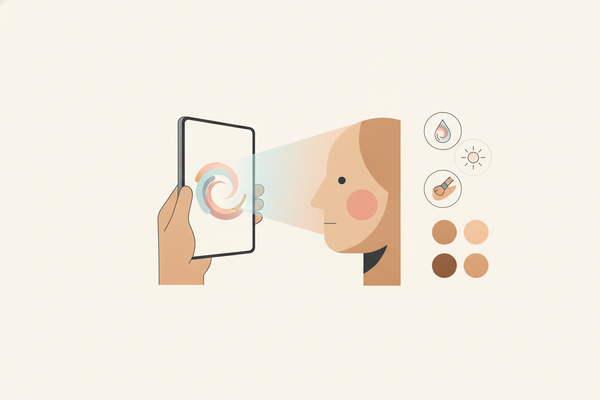
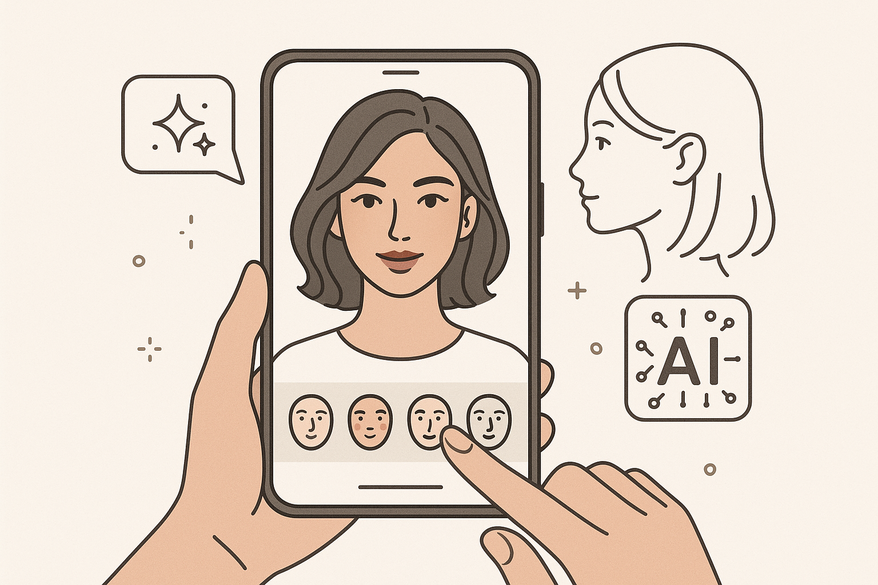
Tailor-made virtual beauty filters are personalized digital effects that enhance or transform a user’s appearance in photos or videos. These custom-built filters adjust to a person’s facial features, skin tone, and style preferences, aiming to deliver a face-focused experience.
The digital beauty landscape is evolving, with tailor-made virtual beauty filters gaining popularity. Consumers increasingly seek self-expression and beauty standards that resonate personally. In response, brands and creators are deploying more inclusive, AI-powered AR tools designed to feel uniquely crafted for individuals.
Platforms, including Makeup Check AI, offer AI-driven virtual filters that adapt to facial characteristics and preferences.
Section I: Understanding Tailor-Made Virtual Beauty Filters
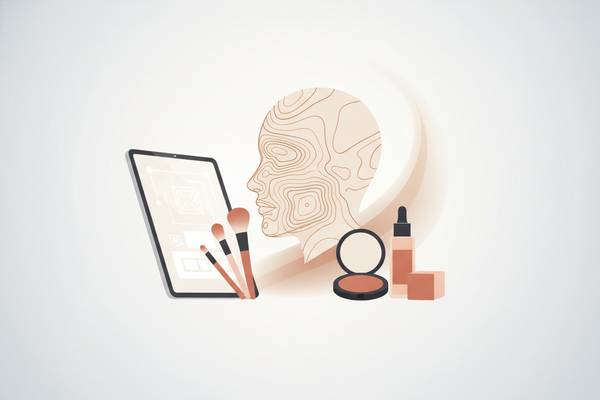
Tailor-made virtual beauty filters use personalized data and AI to create face-fitted looks that evolve with the user. They differ from generic beauty filters:
- Generic Filters: One-size-fits-all overlays applying preset effects such as smoothing or eye enlargement without adapting to individual features.
- Tailor-Made Filters: AI-powered effects that adjust to skin tone, face shape, facial expressions, and style preferences.
Core Technologies Enabling Customization
- Artificial Intelligence (AI)
– AI algorithms analyze facial features and learn style preferences.
– Computer vision detects and maps facial landmarks including cheekbones, lips, brow arches, and micro-expressions. - Machine Learning
– Deep learning models train on diverse datasets with annotated facial landmarks and style variations.
– The system refines accuracy and realism progressively, adapting to lighting and angles. - Facial Recognition and 3D Mapping
– 3D facial mapping tracks multiple facial points for precise placement of AR effects.
– Enables dynamic effects like blush or virtual makeup to move naturally with expressions and head movements.
Section II: Benefits of Using Tailor-Made Virtual Beauty Filters
Personalization
• Filters adapt to skin tones, undertones, face geometry, and style preferences.
• This customization aims to reduce the generic “one-size-fits-all” look, resulting in a more natural effect.
Enhanced User Experience
• Interactive AR sessions can increase user engagement and enjoyment.
• Experiences include dynamic lighting and shading that respond to the environment.
Expression of Individuality
• Users can experiment with colors or looks tailored to their identity.
• Custom filters encourage showcasing authentic self rather than conforming to generic beauty standards.
Catering to Diversity
• Inclusive designs support a range of skin tones, facial structures, ages, and ethnicities.
• Users can find or create filters that feel personalized, promoting representation and inclusivity.
Section III: Use Cases and Applications of Tailor-Made Virtual Beauty Filters
Beauty Apps & Social Media
• Platforms like Snapchat, Instagram, and TikTok offer AI-powered filters that adapt in real time.
• PulpoAR on Snapchat provides tailored skincare advice and product recommendations during AR sessions. (learn more about virtual try-ons)
Virtual Try-On (VTO) Experiences
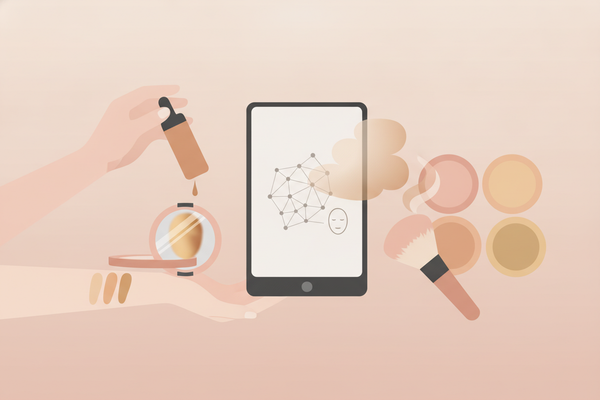
• Brands such as Burberry, Sephora, and L’Oréal provide makeup and hair-color previews using facial mapping.
• These VTOs simulate product application with color matching, texture simulation, and lighting adaptation.
Online Beauty Tutorials
• AR makeover tools offer step-by-step guidance with overlays customized to facial topology.
• Tutorials adapt dynamically, helping users master techniques optimized for their features and skin type.
Brand Engagement
• Personalized filters can deepen customer interaction and loyalty.
• Users virtually try new products, potentially increasing trial conversion rates and driving e-commerce sales.
Section IV: How Tailor-Made Virtual Beauty Filters Are Created
Data Collection
• Ethical, consent-based scans and selfies capture facial metrics.
• Privacy-conscious options include avatar generation or 3D face models that avoid storing raw images.
AI Model Training
• Diverse datasets with annotated facial landmarks, skin tones, and style tags train the models.
• Models learn variations in skin texture, tone gradations, and facial shape from global demographics.
Cross-Functional Collaboration
• Tech Developers: Build and optimize AR engines, integrate AI pipelines, and ensure real-time performance.
• Beauty Experts: Provide insights on color science, dermatology, and makeup trends.
• Digital Designers: Craft user interfaces and overlays that enhance the experience.
Section V: Future Trends and Impact of Tailor-Made Virtual Beauty Filters
Deeper Personalization
• Advanced skin diagnostics powered by imaging and AI may enable more personalized product recommendations.
• Avatar-based filters could offer extensive style experimentation in digital mirrors.
Metaverse Integration
• Immersive try-ons within metaverse environments may merge gaming, social interaction, and beauty.
• Digital avatars can showcase makeup in virtual fashion shows and social events. (AR makeup step-by-step)
Marketing & Consumer Behavior
• Filter engagement analytics may enable brands to run targeted, data-driven campaigns.
• Consumers may gain confidence through “try before you buy” AR experiences, potentially reducing product returns.
Digital Identity Considerations
• Custom filters can empower users to express themselves online, fostering positive self-image.
• They also raise discussions about beauty standards, digital self-perception, and ethical AI use.
Conclusion
Tailor-made virtual beauty filters combine AI, augmented reality, and personalization to transform how beauty is experienced. They offer custom looks that can boost confidence, support inclusivity, and help brands connect with consumers. From social media selfies to metaverse makeovers, these digital effects are influencing the future of beauty technology.
For further exploration, consult white papers from AR beauty innovators, digital design research journals, and AI personalization studies in the beauty retail sector.
FAQ
- What are tailor-made virtual beauty filters? Custom AR effects using AI and facial mapping to enhance features based on individual facial metrics and style preferences.
- How do they differ from generic filters? They adapt to unique skin tone, face shape, and personal style rather than applying a single preset to all users.
- Are my photos and data safe? Ethical platforms anonymize facial scans and comply with data privacy regulations such as GDPR and CCPA before using data for model training.
- Where can I try these filters? Available on major social media apps like Snapchat, Instagram, and TikTok, as well as beauty apps from brands such as Sephora, Burberry, and L’Oréal.