Your Ultimate First Time Makeup Guide: Essential Tips for Beginners
Discover essential makeup tips for beginners with this first time makeup guide, including tools, techniques, and application order for a flawless start.

Estimated reading time: 10 minutes
Key Takeaways
- Master the basics: Understand the core products and their roles in your routine.
- Use the right tools: Quality brushes, sponges, and applicators can help achieve a seamless application.
- Follow an order: Skincare → primer → base → eyes → lips is a common sequence for a long-lasting finish.
- Blend and match: Practice blending techniques and test shades in natural light when possible.
- Build confidence: Experiment in small steps, note your progress, and keep practicing.
Table of Contents
- Introduction
- Understanding Makeup Basics
- Essential Tools and Products
- Step-by-Step Makeup Application Process
- Techniques and Tips for Makeup Beginners
- Creating Your Signature Look
- Additional Resources and Practice
- Conclusion
- FAQ
Introduction
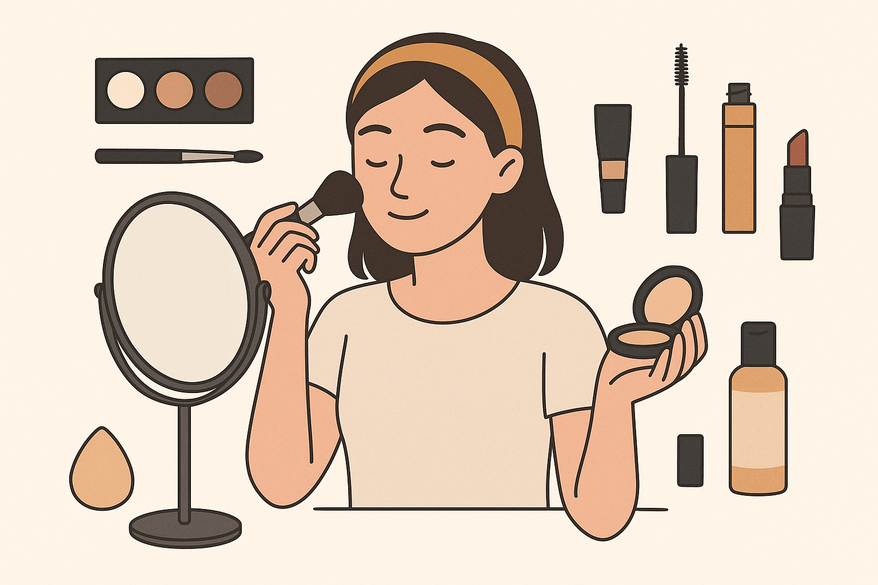
Welcome to your first time makeup guide, a step-by-step resource designed for makeup beginners. This guide aims to help you understand the basic tools, techniques, and application order so you can start confidently and avoid common mistakes. Learning the fundamentals of cosmetics application—from brushes to blending—can provide a solid foundation for skill development.
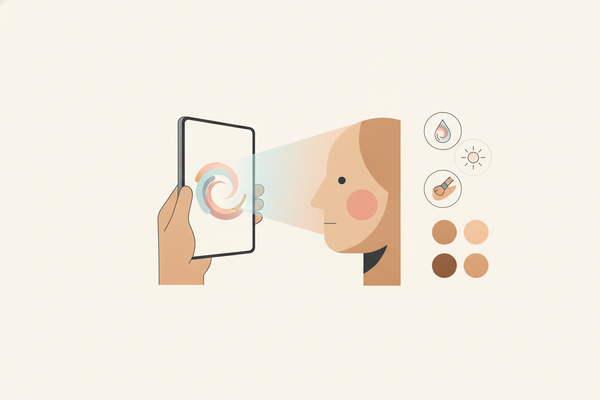
For a digital complement to your hands-on practice, you might consider using Makeup Check AI to virtually analyze your look and receive shade recommendations. Its AI engine offers undertone detection and personalized product suggestions, which may help you preview lipstick shades or event-ready makeup from home.
Understanding Makeup Basics
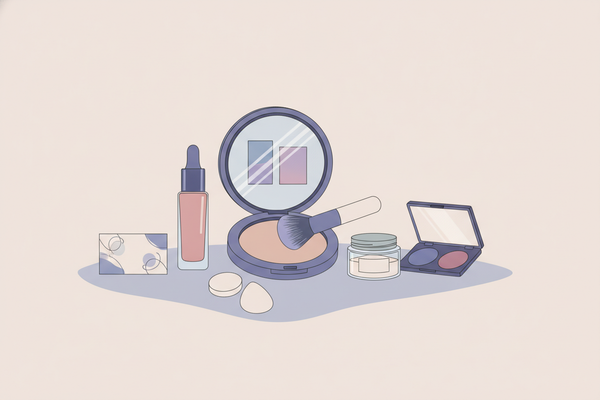
Before you begin, here are some core products every beginner might find useful. Neutral shades are often recommended for first attempts to keep looks simple and flattering.
- Foundation: A product that evens out skin tone to create a uniform base. Lightweight, buildable formulas like tinted moisturizers with added skincare benefits (e.g., hyaluronic acid, SPF) are popular for a natural finish.
- Concealer: A concentrated formula to cover blemishes and dark circles. Choosing a shade slightly lighter under the eyes can help brighten the area.
- Powder: Translucent powders can set foundation and help control shine, especially in the T-zone. Micro-fine powders may reduce cakey appearance.
- Blush: Adds a subtle flush to the cheeks. Peach or soft pink tones often work well across many skin tones; cream blushes can provide a dewy look.
- Eyeshadow: Pigmented powder or cream to add depth. Matte, neutral browns or taupes are good starting points; long-wear cream formulas may offer easier blending.
- Eyeliner: Defines the lash line. Brown pencil liners offer a softer look for beginners, while gel liners with brush applicators provide more control.
- Mascara: Darkens and lengthens lashes. One coat of brown-black or soft black mascara can create a natural effect; waterproof formulas are often chosen for longer wear.
- Lipstick/Lip Gloss: Completes the look. Tinted balms or sheer glosses can be good options for easing into lip color, with many formulas enriched with hydrating ingredients.
Essential Tools and Products
Good application tools can help improve makeup results—even on a budget. Here are some commonly recommended tools:
Brushes
- Foundation Brush – flat-topped or slightly tapered synthetic bristles designed for liquid and cream products to help achieve even coverage.
- Powder Brush – fluffy, domed shape with soft fibers for gentle setting without disturbing base makeup.
- Blush Brush – medium-sized, slightly angled for precise application on cheekbones.
- Eyeshadow Blending Brush – soft, dome-shaped with synthetic fibers for diffusing color in the crease.
- Angled Brow/Liner Brush – firm, slanted tip for precise eyebrow filling or gel liner application.
For a full guide to assembling your essential brush set, you can refer to this resource.
Sponges
- Beauty Sponge – water-activated, bouncy texture for buffing liquids and creams into skin; some newer versions include antimicrobial features to reduce bacteria buildup.
- Dampening Technique – wet the sponge with cool water, squeeze out excess, then bounce on a paper towel before dabbing product for a smooth finish.
Applicators
- Sponge-tip Eyeshadow Applicator – useful for packing color onto lids, though many prefer brushes for blending.
- Mascara Wand – usually included with mascara; some newer designs focus on ergonomic handles and silicone bristles for better lash separation.
Budget-Friendly Recommendations
- EcoTools Starter Set – eco-friendly bamboo handles and soft synthetic bristles are popular for sustainability and quality.
- Real Techniques Core Collection – versatile, color-coded handles with ergonomic grips for improved control.
- Drugstore Brush Kits – include basic brushes at affordable prices, with many brands improving bristle quality.
Step-by-Step Makeup Application Process
Following an order can help prevent patchiness and promote longer wear.
- Skincare
• Cleanse with a gentle face wash to remove oil and dirt.
• Pat dry, then apply a moisturizer to hydrate.
• If it’s daytime, add sunscreen (SPF 30+ or higher recommended) and wait 1–2 minutes to absorb.
For more pre-makeup skincare tips, see this link. - Primer
• Use a small amount.
• Focus on pores, fine lines, and uneven texture.
• Creates a smooth canvas and may help makeup adhere longer; some primers offer added hydration or mattifying effects depending on skin type. - Foundation
• Choose a formula that matches your jawline.
• Apply with a damp beauty sponge or flat foundation brush—start at the center of your face, then blend outward.
• Check coverage in natural light when possible.
For more on blending techniques, see this guide. - Concealer
• Dot under the eyes in a triangle, on blemishes, or around the nose.
• Pat gently to blend—avoid rubbing to keep coverage intact. - Powder
• Lightly dust translucent powder on the T-zone with a fluffy brush.
• Tap off excess before applying to help prevent cakiness. - Blush
• Smile to find the apples of your cheeks.
• Sweep blush upward toward your temples with a blush brush.
• Start with a light hand; build color gradually. - Eyeshadow
• Apply a neutral base color on your entire lid.
• Use a slightly darker shade in the crease for dimension.
• Blend edges with small, circular motions for seamless transitions. - Eyeliner (optional)
• Pencil liners are often easiest for beginners.
• Draw close to your lash line using short, controlled strokes.
• Smudge slightly with a Q-tip for a softer look. - Mascara
• Wriggle the wand at the base of your lashes and sweep upward.
• Apply 1–2 coats, letting each coat dry slightly to avoid clumps. - Brows
• Brush brows upward with a spoolie to see natural shape.
• Fill sparse areas with hair-like strokes using a brow pencil or powder.
• Set with a clear or tinted brow gel for hold. - Lips
• Exfoliate with a damp cloth or gentle lip scrub to remove dry skin.
• Apply lip balm first for hydration.
• Optional: line your lips lightly for definition.
• Finish with a neutral lipstick or clear gloss.
Techniques and Tips for Makeup Beginners
- Blending
– Use small, circular motions for foundation and blush.
– Employ windshield-wiper strokes in your crease for smooth eyeshadow transitions. - Color Matching
– Test foundation on your jawline in natural daylight.
– The right shade should blend well into your skin. - Brush Control
– Hold brushes mid-handle for lighter pressure and better control.
– Helps distribute product smoothly, avoiding streaks. - Common Mistakes & Fixes
– Over-application: Start small and build coverage.
– Unblended Edges: Soften harsh lines with a clean brush or sponge.
– Dirty Tools: Clean brushes regularly to help prevent patchiness and bacteria buildup. - Mishap Troubleshooting
– Too much powder? Buff off excess with a clean, fluffy brush.
– Eyeliner Smudges? Use a cotton swab dipped in remover to correct precisely.
Creating Your Signature Look
- Experiment in Small Steps
– Swap your matte lid shade for a soft shimmer on one eye.
– Try a tinted lip balm instead of clear gloss. - Keep a Core Routine
– Base, brows, and mascara can remain consistent.
– Tweak one element each day to discover what flatters you most. - Build Confidence
– Photograph your look in natural light to see color payoff.
– Note which colors and techniques felt easiest and looked flattering.
Additional Resources and Practice
Regular practice and quality tutorials can support your progress.
- Visual Tutorials (YouTube Recommendations)
– Lisa Eldridge: Expert color theory and professional tips.
– Pixiwoo: Clear step-by-step demonstrations for various looks.
– Mindy McKnight: Creative, approachable techniques for beginners. - Practice Routine
– Dedicate 10–15 minutes twice a week to blending techniques.
– Set mini-goals, such as mastering eyeliner or perfecting your brow shape.
Conclusion
You’ve now explored the essentials of this first time makeup guide: understanding product roles, choosing tools, following an application order, and refining techniques. Confidence develops with practice—feel free to share your experiences, questions, or tips in the comments to support fellow beginners. Keep experimenting and noting your progress—here’s to your makeup journey ahead!
FAQ
- What order should I apply makeup?
A common sequence is skincare, then primer, base products, eyes, brows, and finishing with lips. - How do I choose the right foundation shade?
Test on your jawline in natural light; it should blend well without an obvious edge. - How often should I clean my brushes?
Cleaning brushes regularly, such as weekly if possible, helps remove buildup and bacteria and supports smooth application. - Can I skip primer?
Primer can help makeup adhere and last longer, especially for oily or textured skin; however, some may find moisturizer alone sufficient depending on their skin and preferences.