Eco-Friendly Makeup Disposal: Your Ultimate Guide to Greener Beauty
Learn eco-friendly makeup disposal methods to reduce waste and protect the planet. Discover recycling, repurposing, and sustainable beauty tips.

Estimated reading time: 8 minutes
Key Takeaways
- Improper makeup disposal continues to contribute to landfill pollution and chemical runoff.
- Cosmetic packaging often combines mixed materials that challenge municipal recycling systems, though innovations are emerging.
- Practical solutions include hazardous waste drop-off, container recycling programs, repurposing, and waste minimization strategies.
- Newer alternatives such as expanded refill programs, manufacturer take-backs, and AI-powered virtual try-ons may help reduce single-use waste.
- Implementing home sorting systems and leveraging updated local resources can foster sustainable beauty habits effectively.
Table of Contents
- Introduction
- Understanding the Problem
- Importance of Eco-Friendly Makeup Disposal Practices
- Methods and Tips for Eco-Friendly Makeup Disposal
- Alternatives to Disposal: Eco-Friendly Makeup Disposal Options
- Practical Implementation for Eco-Friendly Makeup Disposal
- Further Reading & Organizations
- Conclusion
Introduction
Every year, millions of makeup containers continue to end up in landfills, contributing to the large volume of cosmetic packaging produced globally. Eco-friendly makeup disposal begins with recognizing that our beauty routines have a direct impact on the environment. “Improper disposal of makeup and cosmetic products can contribute significantly to environmental pollution.” — Shapiro Environment
Eco-friendly makeup disposal involves updated practices that reduce environmental harm by recycling, reusing, and properly handling cosmetic products and their packaging. For example, recycling your glass foundation jars instead of tossing them in the trash helps protect ecosystems and public health.
This guide equips you with clear, actionable steps for environmentally responsible makeup disposal. You’ll learn why traditional disposal methods often fail, discover practical solutions including new technological advances, and find resources to transform your beauty habits into a sustainable force.
Understanding the Problem
Traditional disposal of cosmetic items often means throwing expired lipstick, mascara wands, and empty powder compacts into household trash. These items then sit in landfills for long periods, potentially releasing microplastics and chemicals over time.
Material Challenges
- Many makeup containers combine plastics, glass, metal, and rubber seals that municipal recycling systems cannot easily sort or process.
- Complex packaging—such as lipstick tubes with mirrored surfaces or multi-layer plastic pouches—usually ends up incinerated or buried, though advances in material separation technology are emerging in select regions.
- Containers made from mixed polymers may carry residues, complicating mechanical recycling. “Many makeup items contain plastics that take centuries to degrade, and their chemical components can leach into soil and waterways.” — Happen Ventures
Chemical Risks
- Preservatives such as parabens and formaldehyde releasers may leach into groundwater if disposed improperly.
- Heavy metals (like lead in some lipsticks or arsenic traces in pressed powders) can accumulate in ecosystems and may harm wildlife and human health.
- Liquid products like nail polish often contain flammable solvents that pose hazards in landfill fires. “Chemical components in cosmetics can leach into ecosystems, contaminating soil and water.” — Happen Ventures
Importance of Eco-Friendly Makeup Disposal Practices
Adopting green disposal methods delivers both environmental and social benefits.
Environmental Benefits
- Reduces landfill volume and helps address microplastic pollution, which remains a critical environmental concern.
- Minimizes chemical runoff into rivers, lakes, and aquifers.
- Supports global sustainability goals and can contribute to the circular economy of reuse. “Eco-friendly disposal aligns with moves toward a circular economy.” — Happen Ventures
Economic & Community Benefits
- Refillable packaging and take-back programs can save consumers money by reducing the need for frequent full container purchases. “Refillable packaging offers both cost-effectiveness and environmental gains.” — eFulfillment Service
- Donating unused products to shelters builds community support and prevents waste.
- Local cleanup drives, swap events, and community education foster collective responsibility for shared resources.
By choosing eco-friendly makeup disposal, you contribute to reducing plastic waste, protecting water quality, and reinforcing ethical consumption patterns.
Methods and Tips for Eco-Friendly Makeup Disposal
Below are updated and practical methods to responsibly manage your cosmetic waste.
- Hazardous Waste Drop-Off
• Identify products containing chemicals or heavy metals such as eyeliner pencils, nail polish, and chemical peels.
• Use municipal household hazardous waste facilities—many cities provide online maps and apps to locate drop-off points.
• Example: I dropped off expired nail polish at my county’s environmental center instead of flushing it. “Many localities accept cosmetics as household hazardous waste.” — Shapiro Environment - Recycling Containers
• Separate materials where possible: glass jars from compacts, aluminum lids, and plastic tubes.
• Rinse and air-dry containers to remove residue.
• For mixed or hard-to-sort items, utilize TerraCycle’s beauty recycling program, which accepts a wide range of products including multi-material compacts. - Repurposing & Donating
• Donate unopened, unexpired cosmetics to women’s shelters or community centers.
• Repurpose empty palette pans as miniature storage trays for craft supplies or seed starters.
• Convert clean foundation bottles into plant watering spikes by poking holes in the cap. “Unused cosmetics can be donated to shelters, reducing waste and benefiting communities.” — Happen Ventures
• For more creative reduce-and-reuse hacks, see our DIY makeup hacks. - Minimizing Waste Upfront
• Choose minimal, biodegradable, or refillable packaging when shopping.
• Store products in a cool, dry place to extend shelf life.
• Track open dates and expiration symbols to prevent premature disposal. “Participating in refill and reuse programs lowers plastic waste.” — eFulfillment Service - Advanced Recycling & Waste-to-Energy
• Some regions employ pyrolysis, anaerobic digestion, or chemical recycling to convert cosmetic waste into biofuels or raw materials.
• Check with local waste-to-energy plants for acceptance of cosmetic residues. “Some regions process cosmetic waste into biofuel via advanced recycling.” — Happen Ventures
Alternatives to Disposal: Eco-Friendly Makeup Disposal Options
Whenever possible, skip disposal altogether by opting for sustainable alternatives. Explore clean beauty trends in our Clean Beauty Makeup guide.
Refill Programs
- Brands such as Lush, Kiehl’s, and newer entrants like Fenty Beauty offer in-store and online refill stations for shampoos, creams, and cleansers.
- Refillable products can cut single-use packaging and often cost less per ounce. “Refillable products significantly cut single-use waste.” — eFulfillment Service
Manufacturer Take-Backs
- Check brand websites for updated take-back schemes—MAC’s Back to MAC partners with TerraCycle to recycle empty containers.
- Many luxury labels provide prepaid shipping labels or drop-off points for returns. “Some brands accept empty containers for proper recycling or reuse.” — TerraCycle
Donation of Gently Used Products
- Confirm hygiene regulations before donating partially used lotions or sprays.
- Acceptable items often include bars of soap, hair care products, and sealed skincare kits.
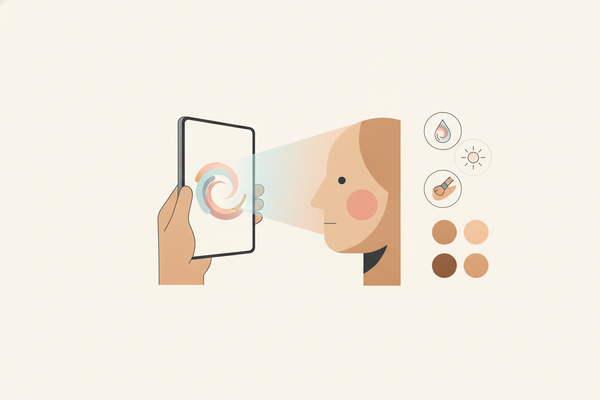
To further reduce waste from physical swatch tests, many beauty enthusiasts now turn to virtual try-ons with Makeup Check AI. This AI Makeup Generator lets you experiment with shades digitally, cutting down on sample packaging and in-store waste.
Practical Implementation for Eco-Friendly Makeup Disposal
Finding Local Facilities
- Use Earth911.com, local government apps, or your city’s waste management website to find drop-off points for hazardous and recyclable waste.
- Check household hazardous waste event calendars, which are often scheduled each spring and fall.
Home Sorting System
- Label bins or boxes for “Hazardous Waste,” “Recycle,” and “Donate.”
- Store near your vanity or laundry room for easy access.
- Empty and clean bins regularly to avoid confusion and contamination.
Retailer Collection Bins
- Many beauty stores partner with recyclers: Sephora, Ulta, L’Occitane, Origins, and newer chains offer in-store collection points for empty cosmetics.
- Ask at checkout or check the retailer’s website for the latest program details.
Further Reading & Organizations
- TerraCycle’s beauty recycling page
- Your local municipal waste pages for updated guidelines and event schedules
Conclusion
Eco-friendly makeup disposal helps reduce plastic pollution, prevent chemical runoff, and supports closing the loop on cosmetic packaging. By recycling containers, donating usable products, and choosing refillable options, you can transform your beauty routine into a sustainable habit. Start today: audit your makeup stash, implement one disposal method this week, and share these tips with friends. Together, we can make green beauty the standard.
FAQ
Can all makeup containers be recycled?
Not all. Multi-material or heavily soiled containers may be rejected by curbside programs. For complex items, use specialized recyclers like TerraCycle. “Many localities accept cosmetics as household hazardous waste.” — Shapiro Environment “TerraCycle accepts beauty products that municipal recycling often rejects.” — TerraCycle
What do I do with expired liquid products?
Treat them as hazardous waste. Never pour nail polish, remover, or toner down the drain. Drop off at designated municipal sites.
Are cosmetic chemicals harmful in landfills?
Some chemicals such as heavy metals and preservatives may leach toxins into soil and water over time, posing potential risks to wildlife and humans. “Chemical components in cosmetics can leach into ecosystems, contaminating soil and water.” — Happen Ventures