AI Makeup App Wearable Connectivity: The Future of Personalized Beauty
Explore AI makeup app wearable connectivity, combining AI with wearables for personalized beauty solutions, offering real-time, data-driven makeup recommendations.

Estimated reading time: 7 minutes
Key Takeaways
- AI-driven makeup apps are increasingly integrating with wearable devices to offer more personalized beauty recommendations.
- Wearable sensors can track metrics such as skin hydration, UV exposure, and sebum levels, which may inform makeup suggestions.
- Integration can enhance user experience through AR virtual try-on, interactive tutorials, and formula adjustments based on sensor data.
- Technical and privacy challenges include ensuring reliable data syncing, managing battery consumption, and adhering to privacy standards.
Table of Contents
- Background on AI Makeup Apps
- The Role of Wearable Technology
- Integrating AI Makeup Apps with Wearable Connectivity
- Benefits and User Experience
- Challenges and Considerations
- Future Trends and Innovations
- Conclusion
- FAQ
ai makeup app wearable connectivity refers to the combination of artificial intelligence–driven makeup guidance with data from wearable devices. By merging algorithms with sensor feedback, users can receive personalized tips that adapt to their profiles and environmental conditions.
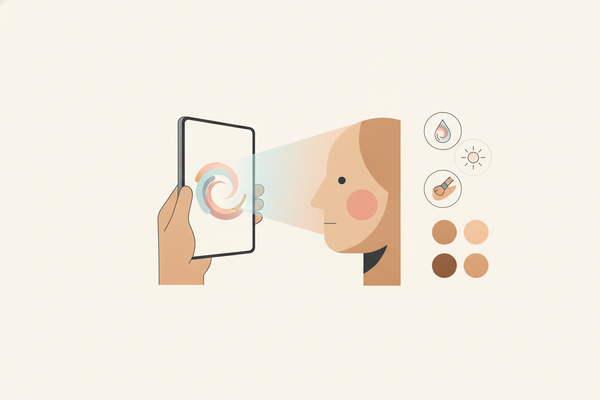
As AI continues to develop in the beauty industry, consumers are seeing more data-driven and convenient solutions. Wearables can monitor hydration, UV exposure, pH, sebum production, and ambient lighting—providing insights to virtual makeup apps and linking sensing with styling.
In this article, we explore:
- How AI makeup apps analyze facial features, skin biomarkers, and user preferences.
- The role of wearable sensors in tracking skin and environmental metrics.
- Integration approaches that enable real-time, adaptive makeup adjustments.
- Benefits, user experiences, and challenges related to connectivity, battery management, and privacy.
For example, Makeup Check AI demonstrates how an AI-driven makeup generator can pair with wearable sensors for personalized advice.
Background on AI Makeup Apps
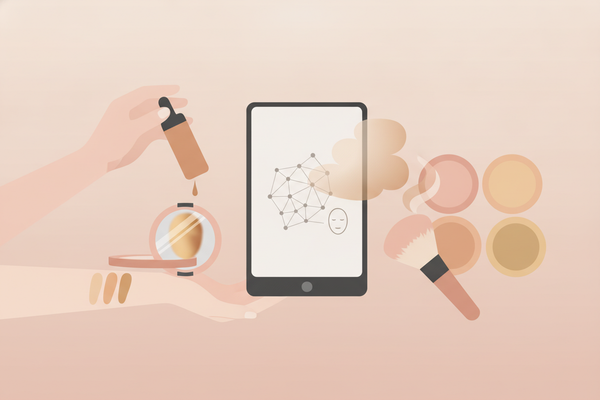
An AI makeup app is a mobile or web application that uses machine learning and computer vision to scan the face, identify contours, skin tone, and texture, and deliver custom product recommendations. Through face detection, skin tone and condition classification, and user feedback, such apps offer virtual beautification aligned with personal style and preferences.
Core Technologies
- Face detection via computer vision: Cameras capture facial landmarks like eyes, lips, cheeks, and skin texture.
- Skin tone and condition classification using convolutional neural networks (CNNs) and transformer-based models: Algorithms assess undertones and skin condition for shade and formula selection.
- Preference learning from user history and sensor data: Machine learning refines suggestions based on past choices and skin condition changes.
AI’s Impact on Beauty
- Individualized recommendations can reduce product mismatches and skin irritation.
- AR-powered virtual try-ons with photorealistic rendering help consumers preview products before purchase.
- Data-driven insights support brand innovation and personalized product launches.
For a deeper look at the step-by-step workflow behind these apps, explore detailed guides online.
The Role of Wearable Technology
Wearable devices—such as smartwatches, fitness trackers, smart mirrors, and skin sensors—are equipped with sensors that monitor heart rate, sleep quality, UV exposure, skin hydration, pH, sebum levels, and ambient light intensity. These devices collect data that can support personalized and adaptive beauty insights.
Wearable Connectivity
- Syncing over Bluetooth LE, Wi-Fi, and other protocols enables data transfer for feedback loops.
- Cloud integration with AI analytics allows for storage, trend analysis, and predictive modeling.
- Interoperability across apps, operating systems, and IoT ecosystems supports seamless user experiences.
By connecting sensors to makeup apps, users can receive proactive beauty tips. For example, if UV levels increase, the app might recommend a higher-SPF foundation or suggest reapplication timing.
Discover more on wearable tech integrations in beauty routines.
Integrating AI Makeup Apps with Wearable Connectivity
Integration Mechanics
- Real-time sensor feed: Wearables send hydration, ambient light, UV, pH, and sebum data to AI models for analysis.
- Dynamic formula shifts: Low hydration may trigger moisturizer-rich foundation suggestions; high sebum levels may prompt mattifying product recommendations.
- AR-driven try-on: Wearable sensors can help calibrate overlays for accurate color, texture, and finish matching via virtual makeup try-on enhanced by environmental data.
- Historical data fusion: Combining past and present readings can fine-tune product mixes and application routines.
Use-Case Examples
- L’Oréal Perso: A smart device using skin and environmental sensors to dispense custom foundation and lipstick formulas, with some sensors monitoring skin condition.
- Smart mirrors: Sync with wearables to adjust lighting, suggest routines based on skin metrics, and provide AI-powered coaching.
- Makeup Check AI: Integrates with wearable sensors to provide personalized makeup advice and AR try-ons.
Benefits and User Experience
Key Advantages
- Personalized suggestions that respond to biological and environmental changes.
- Interactive AR tutorials enhanced by sensor feedback support learning and confidence.
- Automated shade matching and layering improve makeup application efficiency.
- On-the-go guidance via wearable notifications can reduce guesswork and support routine adherence.
Impact on Application
- May help minimize product mismatches, skin irritation risks, and unnecessary purchases.
- Supports sustainability by potentially reducing makeup waste and encouraging smarter consumption.
Challenges and Considerations
Technical Hurdles
- Reliable data syncing over wireless protocols requires robust error handling and fallback mechanisms.
- Continuous monitoring and AR rendering can impact device battery life; energy-efficient algorithms and hardware optimizations are important.
- Ensuring compatibility across iOS, Android, and wearable OS platforms remains complex but is improving with standardized APIs.
Privacy & Security
- End-to-end encryption and security architectures are important for protecting biometric and personal data.
- Transparent opt-in processes, consent management, and user control enhance trust and compliance.
- Compliance with regulations such as GDPR, CCPA, and HIPAA (where applicable) is essential.
Future Trends and Innovations
- Immersive AR overlays powered by sensor data and AI-driven predictive modeling.
- Development of sensors detecting biomarkers such as cortisol levels and skin microbiome changes for skin health insights.
- Voice-controlled makeup routines via smart speakers, wearables, and AI assistants for hands-free customization.
- Growth in AI-beauty convergence enabling new business models like subscription-based personalized product refills and virtual consultations.
Conclusion
ai makeup app wearable connectivity combines AI-driven makeup recommendations, mobile apps, and wearable sensors to create a data-centric beauty experience. We covered core technologies, real-world integrations like L’Oréal Perso, smart mirrors, and Makeup Check AI, and the advantages of personalization, convenience, and sustainability. We also discussed challenges in connectivity, battery life, and privacy, and looked at future innovations such as advanced biomarker detection and immersive AR.
By leveraging connected makeup apps and wearables, beauty enthusiasts can enhance their routines with tailored advice. This fusion of technology offers potential for more precise and health-conscious makeup application.
Call to Action: Try a connected makeup app and sync it with your wearable for enhanced personalization and skin health awareness.
FAQ
What exactly is AI makeup app wearable connectivity?
It is the integration of AI-powered makeup applications with data from wearable sensors, enabling personalized beauty recommendations based on metrics like skin hydration, UV exposure, pH balance, and sebum levels.
How do wearable sensors improve makeup suggestions?
They provide data such as moisture levels, pH, sebum, and environmental conditions that AI algorithms can use to adjust product formulas and application steps.
What are common challenges when connecting wearables to makeup apps?
Challenges include maintaining reliable Bluetooth/Wi-Fi syncing, managing battery consumption from continuous monitoring and AR rendering, and ensuring software compatibility across platforms and devices.
Is my data secure with these connected beauty systems?
Reputable apps implement encryption, transparent consent flows, security models, and comply with regulations like GDPR, CCPA, and HIPAA (where applicable) to protect user privacy.