Zero-Irritation Cosmetics: Your Guide to Makeup Without Allergies
Discover zero-irritation cosmetics and reduce makeup-related allergies. Learn about hypoallergenic products and how to choose safe makeup for sensitive skin.

Estimated reading time: 8 minutes
Key Takeaways
- Zero-irritation cosmetics aim to minimize common triggers—fragrances, preservatives, synthetic dyes—to better suit sensitive skin.
- Clinical testing and labels like hypoallergenic, non-comedogenic, and dermatologist-tested can help indicate safety and suitability, though standards may vary.
- Learn to decode labels, perform at-home patch tests, and consider AI tools for personalized skincare guidance in 2026.
Table of Contents
- Understanding Makeup-Related Allergies and Irritation
- The Science Behind Zero-Irritation Cosmetics
- How to Identify and Select Zero-Irritation Cosmetics
- Try AI-Powered Ingredient Analysis
- Benefits of Choosing Zero-Irritation Cosmetics
- Consumer and Expert Insights
- Best Practices for Preventing Makeup-Related Irritations
- Conclusion
Understanding Makeup-Related Allergies and Irritation
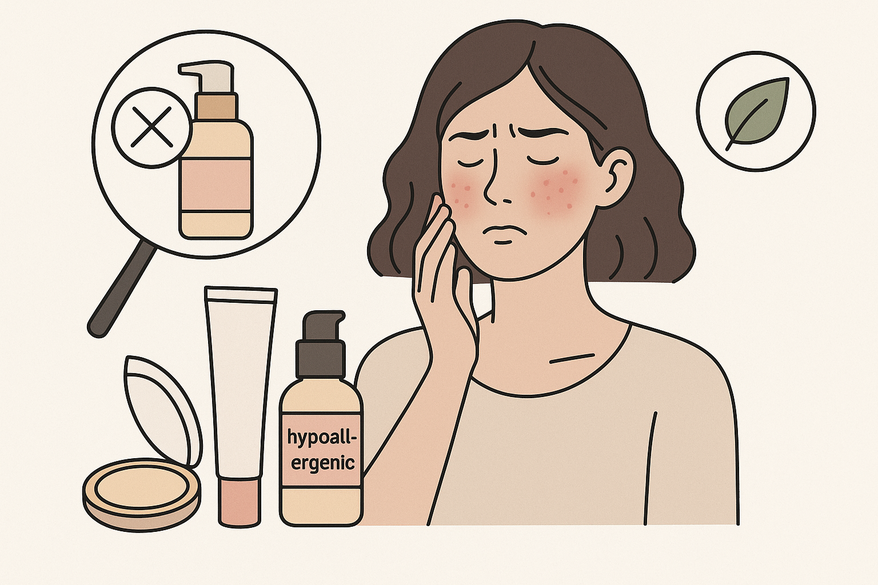
Contact dermatitis can occur when allergens penetrate a compromised skin barrier, potentially leading to redness, itching, swelling, and discomfort. In 2026, with ongoing environmental stressors and mask usage, sensitive skin reactions may be more noticeable for some individuals. For gentle product suggestions, visit Makeup Tips for Sensitive Skin: Safe Solutions for Acne-Prone Complexions.
Common Allergens and Irritants
- Fragrances – are a frequent cause of redness and itching, including both natural and synthetic scents.
- Preservatives – parabens are less commonly used; however, formaldehyde releasers and isothiazolinones may still cause reactions in some individuals.
- Synthetic dyes – especially coal tar derivatives, can provoke inflammation and sensitivity in certain cases.
- Emerging concerns: Some silicone derivatives and novel emulsifiers have been reported to cause irritation in rare instances.
How Irritants Work
- Barrier Disruption: Harsh ingredients may compromise the stratum corneum, the skin’s outermost layer.
- Allergen Entry: A weakened barrier can permit irritants and allergens to penetrate deeper layers.
- Immune Activation: Skin immune cells, including Langerhans cells, may trigger inflammation leading to dermatitis symptoms.
The Science Behind Zero-Irritation Cosmetics
Key Formulation Terms
- Hypoallergenic – products formulated to minimize allergy risk; however, there is no universal regulatory definition, and standards may vary.
- Non-comedogenic – intended to avoid pore blockage and acne exacerbation, though testing methods differ among brands.
- Dermatologist-tested – indicates some level of clinical testing on sensitive skin populations, often including patch and use tests, but protocols vary.
Formulation Process
- Ingredient Selection – typically excludes parabens, sulfates, synthetic fragrances, dyes, and may avoid certain silicones and preservatives identified as potential irritants.
- Gentle Actives Included – may incorporate barrier-repair peptides, niacinamide, and plant oils like jojoba and sunflower, alongside ingredients such as ceramide complexes and panthenol for skin barrier support.
- Patch Testing Protocol – often involves 72-hour small-cohort tests with monitoring for reactions; followed by larger scale use testing when applicable.
Clinical Data Use
Manufacturers may refine formulas based on volunteer feedback and post-market surveillance to improve tolerability and comply with current regulatory guidelines.
How to Identify and Select Zero-Irritation Cosmetics
Choosing gentle makeup starts at the label; sharpen your ingredient detective skills with updated 2026 insights.
Label-Reading Checklist
- Avoid: synthetic fragrances (including "fragrance" listed in ingredients), parabens, sulfates, artificial dyes, and some silicones that may cause irritation.
- Seek: terms like “hypoallergenic,” “non-comedogenic,” “fragrance-free,” “dermatologist-tested,” and "clean beauty" certifications verified by reputable third parties.
Trustworthy Certifications
- Allergy UK Seal – updated criteria in 2026 to include expanded allergen lists.
- National Eczema Association Acceptance Seal – includes evaluation of preservatives and actives.
- Additional: Certifications from organizations like the Environmental Working Group (EWG) Verified and COSMOS-standard may indicate natural and safer cosmetic formulations.
At-Home Patch-Test Protocol
- Apply a pea-sized amount to the inner forearm or behind the ear.
- Cover with breathable hypoallergenic tape and wait 24–72 hours.
- Check for redness, itching, swelling, or any discomfort before full-face application.
Recommended Brands
100% Pure – is recognized in 2026 for transparent ingredient lists, certified natural colors, and formulations aimed at sensitive skin. They incorporate barrier-repair complexes and avoid many known irritants.
Try AI-Powered Ingredient Analysis
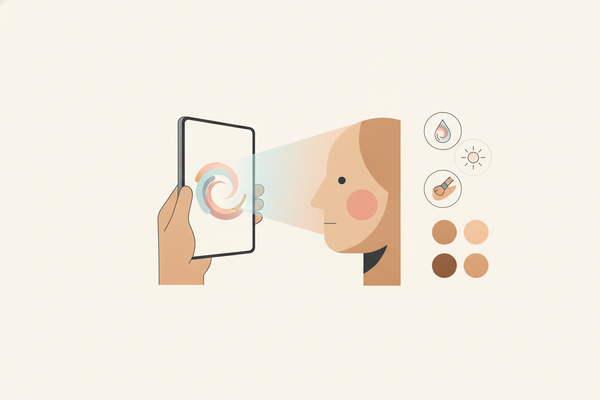
For a fast safety check, use Makeup Check AI, enhanced with 2026 ingredient databases and machine learning models that flag sensitizing ingredients and potential irritants, including emerging allergens and preservatives.
Benefits of Choosing Zero-Irritation Cosmetics
- Improved Skin Health
• May reduce allergic reactions and breakouts for sensitive individuals.
• Supports a stronger skin barrier with potentially less redness and sensitivity. - Enhanced Makeup Experience
• Often features lightweight, breathable textures suitable for various skin types.
• May offer longer-lasting wear with less discomfort or irritation, including during mask use. - Long-Term Safety
• Potentially lowers cumulative exposure to harsh chemicals and irritants, which may support healthier skin aging.
Consumer and Expert Insights
User Testimonials
“I switched to zero-irritation cosmetics in 2026 and noticed reduced redness within a week, even with mask-wearing.”
“My eczema flares decreased after using fragrance-free foundation with barrier-repair ingredients.”
Dermatologist Endorsements
“Fragrance-free, hypoallergenic products are often recommended for patients with chronic irritation, and clinical data supports their use in many cases.”
– Dr. Jane Doe, Board-Certified Dermatologist, 2026
Best Practices for Preventing Makeup-Related Irritations
A thoughtful routine helps keep skin calm and protected, especially considering 2026’s environmental factors.
Daily Skincare Routine
- Gentle Cleansing: sulfate-free, pH-balanced washes with added ceramides or niacinamide.
- Consistent Moisturizing: oil-free, barrier-repair creams enriched with peptides and antioxidants.
- Weekly Mask or Mild Exfoliation: non-abrasive, low-acid formulas using ingredients like lactic acid or enzyme exfoliants.
Lifestyle & Environmental Tips
- Sun Protection: mineral SPF (zinc oxide, titanium dioxide) preferred by some to minimize irritation.
- Stress Management: incorporate mindfulness and regular exercise to help reduce factors that may heighten skin sensitivity.
- Pollution Defense: apply antioxidant-rich serums with vitamins C and E, ferulic acid, or niacinamide to help neutralize free radicals.
Conclusion
Zero-irritation cosmetics can play a helpful role in reducing makeup-related allergies and irritation. When auditing your makeup stash in 2026, prioritize ingredient transparency, seek certified hypoallergenic labels backed by recognized standards, and always patch-test new products. Additionally, explore 7 Essential Allergy-Friendly Makeup Tips to Prevent Irritation for practical advice.
FAQ
- What makes a cosmetic “zero-irritation”?
It generally omits known sensitizers—fragrances, certain preservatives, dyes—and may undergo patch testing and clinical trials to assess skin compatibility, though definitions and standards vary. - How do I perform a proper patch test?
Apply a small amount on your inner forearm or behind the ear, cover it with breathable hypoallergenic tape, and wait 24–72 hours to check for any reaction before full-face use. - Are zero-irritation products safe for acne-prone skin?
Many are non-comedogenic and formulated with barrier-supporting ingredients to help avoid pore clogging and inflammation, but individual reactions may vary. - Can I trust hypoallergenic labels?
Look for additional seals—like Allergy UK or the National Eczema Association—and third-party verifications to support the claim, as standards differ.