AI Virtual Makeup Try On with AR for Accurate Shade Matching & Personalized Looks
Discover the best virtual makeup try on apps, how AR makeup works, and how to find your perfect look online with AI-powered beauty analysis.

Estimated reading time: 12 min
Key Takeaways
- Virtual makeup try on uses AR and AI to simulate makeup looks on your face via camera or photo uploads.
- AI beauty analysis enhances virtual try on with personalized skin, undertone, and product recommendations for accurate shade matching.
- Try on makeup online free with apps offering foundation, lips, eyes, brows, and full-face virtual makeup.
- Accuracy depends on lighting, camera quality, and technology and is improving for more realistic previews.
- Virtual try on benefits shoppers by reducing guesswork, boosting confidence, and potentially lowering product returns.
Table of Contents
- Section 1: Understanding Virtual Makeup Try On
- Section 2: How AR Makeup Works - The Technology Behind It
- Section 3: AI Makeup Analyzer - Personalizing Your Makeup Experience
- Section 4: What Makeup Products Can You Try On Virtually?
- Section 5: Accuracy and Limitations of Virtual Makeup Try On
- Section 6: Benefits of Virtual Try On for Shoppers and Brands
- Section 7: How to Try Makeup Online Free and Choosing the Best Apps
Conclusion
FAQ
Section 1: Understanding Virtual Makeup Try On
What Is Virtual Makeup Try On?
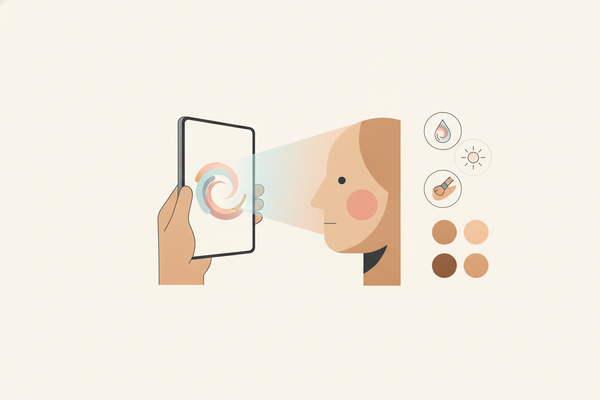
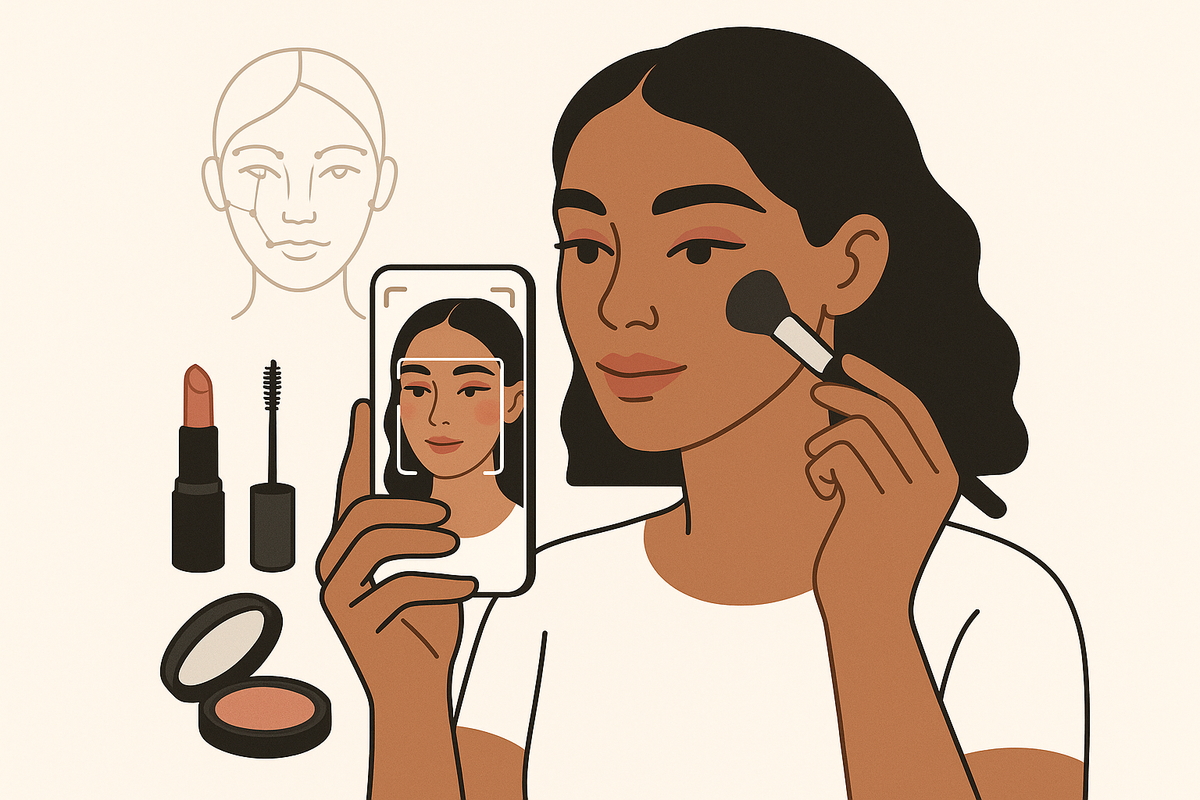
Virtual makeup try on is a digital technology that allows you to apply makeup products to your face using augmented reality (AR) or artificial intelligence (AI) without physically touching your skin. By using your smartphone camera, webcam, or uploading a photo, virtual try-on apps overlay makeup effects onto your face in real time or on a static image. This lets users experiment with different shades, styles, and brands from the comfort of home while benefiting from AI-driven shade matching and personalized recommendations.
History and Evolution
The concept began with simple photo filters and evolved into AR platforms powered by AI, enabling facial feature detection and color matching. Early versions offered basic lipstick or eyeshadow simulation, but today’s solutions provide full-face makeup looks and personalized advice. Many beauty brands like Maybelline, L’Oréal, and Sephora have embraced this technology to enhance online shopping experiences.
How Virtual Makeup Try On Enhances Beauty Shopping
- Eliminates the need for in-store testers, which can be unhygienic or unavailable.
- Allows quick switching between multiple products and shades.
- Helps users discover new looks and trends without risk.
- Improves customer confidence and satisfaction before purchase.
Section 2: How AR Makeup Works - The Technology Behind It
Augmented Reality and Facial Recognition
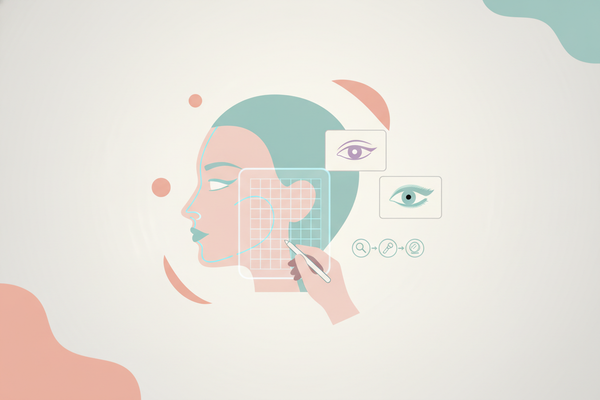
At its core, AR makeup try on uses computer vision to detect facial landmarks such as eyes, lips, cheekbones, and contours. Algorithms map these points to anchor virtual makeup elements accurately in 3D space, even as you move your head. This real-time tracking helps makeup stay aligned and look natural.
Machine Learning and AI Enhancement
AI can improve AR makeup by learning from datasets of faces and makeup styles. It may analyze your skin tone, undertones, and textures using an AI makeup analyzer to recommend shades and products. This personalized approach aims to create tailored beauty experiences with precise shade matching and color season analysis.
Input Methods: Live Camera vs. Photo Upload
- Live Camera: Offers dynamic interaction and immediate feedback.
- Photo Upload: Allows users to try makeup on a preferred selfie or professional photo, useful in low-light or privacy-conscious situations.
Both methods have advantages and are often supported by virtual try-on apps.
Learn more about the science behind this technology in our detailed post How Does AR Makeup Work? The Science Behind Virtual Makeup Try-On Apps.
Section 3: AI Makeup Analyzer - Personalizing Your Makeup Experience
What Is an AI Makeup Analyzer?
An AI makeup analyzer is a tool that scans your face and analyzes skin features such as tone, texture, spots, and undertones. It uses this data to generate personalized makeup recommendations, suggest color palettes, and tailor skincare routines. This AI-driven personal beauty assistant offers a customized path to your best look with precise shade matching and color season analysis.
How AI Improves Shade Matching and Color Analysis
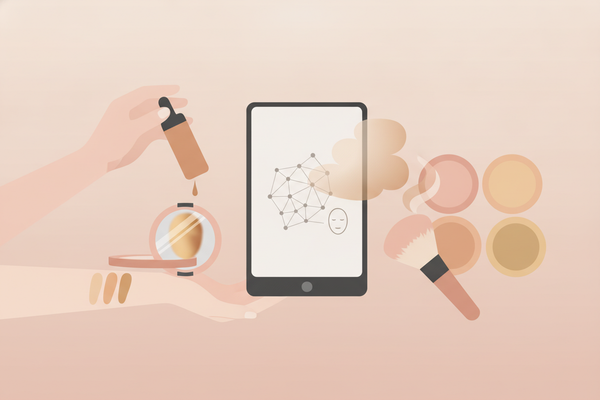
- Foundation Matching: AI evaluates your skin’s undertones (cool, warm, neutral) to recommend foundation shades that blend well.
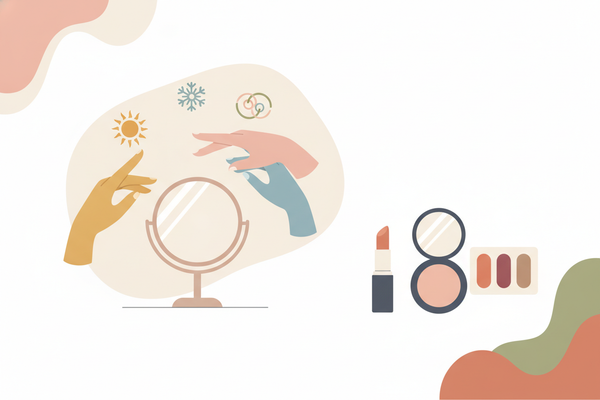
- Color Season Analysis: Some AI apps classify your color season (spring, summer, autumn, winter) to suggest flattering hues across makeup and fashion.
- Dynamic Adjustments: AI can adapt recommendations based on lighting conditions and skin changes over time.
Integrating AI Makeup Analysis with Virtual Try On
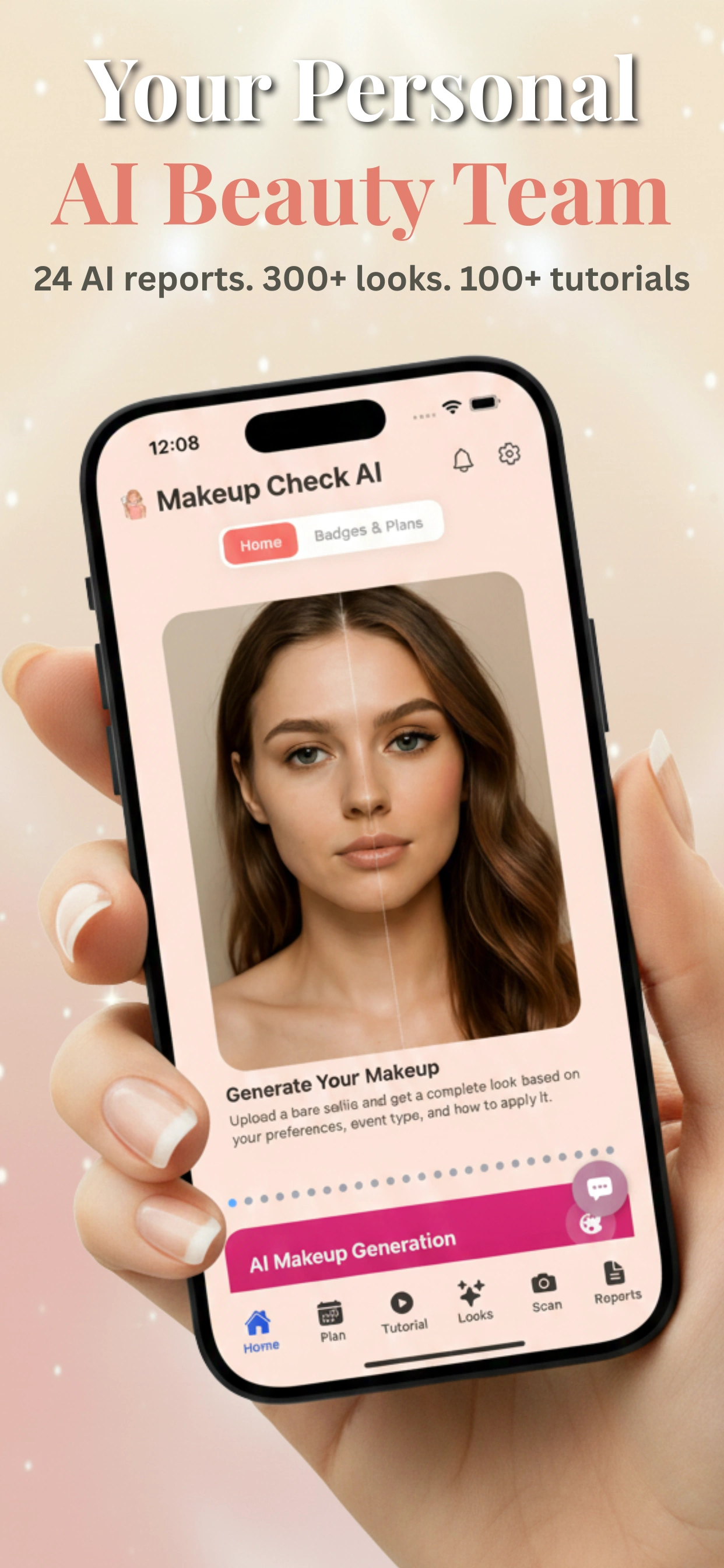
Combining AI makeup analyzers with virtual try on creates a powerful beauty tool. Not only can you preview makeup looks, but you also receive data-driven advice on what products may suit you best. Apps like Makeup Check AI offer AI-powered reports including makeup, skincare, and fashion, plus looks and tutorials to try.
Section 4: What Makeup Products Can You Try On Virtually?
Categories Covered by Virtual Try On Apps
Virtual makeup try on technology spans a broad range of products, allowing exploration of your beauty options. Key categories include:
- Foundation and Concealer: Match shades and test coverage levels.
- Lipstick and Lip Gloss: Explore finishes like matte, glossy, satin, and colors from subtle nudes to bold reds.
- Eyeshadow: Try palettes and single shades with different textures and intensities.
- Eyeliner and Mascara: Visualize various liner styles and mascara effects on lash volume and length.
- Blush and Bronzer: Test placement and color depth for natural or dramatic looks.
- Brow Products: Fill in and shape brows with pencils, powders, or gels.
- Full-Face Looks: Many apps offer pre-designed makeup looks or let you combine products for custom styles.
Brand and Platform Examples
Many beauty brands have integrated virtual try on into their ecommerce platforms, including:
- Maybelline: Offers AR-powered lip and eye makeup try on.
- L’Oréal: Known for virtual foundation matching and full-face try on.
- Sephora Virtual Artist: App with multi-category try on and personalized recommendations.
- Urban Decay and Too Faced: Provide colorful looks with AR previews.
- Ulta GLAMlab: Blends AR try on with AI insights for skin and shade matching.
These platforms demonstrate the versatility and growing adoption of virtual makeup try on tools to enhance shopping experiences.
Section 5: Accuracy and Limitations of Virtual Makeup Try On
How Accurate Is Virtual Makeup Try On?
Accuracy depends on multiple factors:
- Camera Quality: Higher resolution cameras capture more facial details, improving makeup placement and color fidelity.
- Lighting Conditions: Natural, even lighting helps virtual makeup appear more realistic and true to shade.
- Technology Sophistication: Advanced AR and AI algorithms better map facial contours and simulate textures.
- Skin Tone Representation: Apps that support diverse skin tones provide more accurate shade matching.
While not flawless, virtual try on technology has improved and can offer convincing previews that reduce uncertainty in online makeup shopping.
Common Limitations
- Colors may vary due to screen calibration and lighting.
- Texture simulation (e.g., shimmer, gloss) may not perfectly replicate real product finishes.
- Makeup interaction with different skin types (oily, dry) is difficult to model fully.
- Live camera try on may lag on older devices, affecting smoothness.
Tips to Maximize Accuracy
- Use a well-lit environment with soft, natural light.
- Upload high-quality selfies for photo-based try on.
- Update your app to access the latest AI and AR enhancements.
- Cross-check virtual results with in-store testers when possible.
Section 6: Benefits of Virtual Try On for Shoppers and Brands
Advantages for Shoppers
- Convenience: Try many products and shades instantly without leaving home.
- Confidence: Visualize how makeup looks on your unique face before buying.
- Experimentation: Safely explore bold colors and new styles without commitment.
- Personalization: Access AI-driven recommendations tailored to your skin and preferences.
- Hygiene: Avoid physical contact with testers, especially important during health concerns.
Benefits for Beauty Brands and Ecommerce
- Potentially Higher Conversions: Shoppers who try virtually may be more likely to purchase.
- Reduced Returns: Better shade matching can decrease the likelihood of returns.
- Customer Engagement: Interactive try on tools can increase time spent on sites and brand loyalty.
- Data Insights: Brands may gain valuable data on customer preferences and behavior.
Virtual try on can be a win-win that boosts sales and enhances user satisfaction.
Section 7: How to Try Makeup Online Free and Choosing the Best Apps
Getting Started with Free Virtual Makeup Try On
Many apps and websites offer free virtual makeup try on features. To begin:
- Choose a reputable app with quality AR and AI capabilities, such as Makeup Check AI.
- Use your smartphone or computer camera in a well-lit area, or upload a clear selfie.
- Explore categories: foundation, lips, eyes, brows, blush, and full-face looks.
- Save or compare looks to decide what suits you best.
Criteria for Selecting the Best Virtual Makeup Try On App
- Accuracy and Realism: Does the app provide natural-looking makeup effects?
- Personalization: Are AI tools included to recommend tailored products?
- Product Range: Can you try multiple brands and categories?
- Ease of Use: Is the interface intuitive and responsive?
- Privacy and Security: Does the app protect your photos and data?
Recommended Apps and Platforms
Besides Makeup Check AI, popular apps include Sephora Virtual Artist, L’Oréal’s AR makeup try on, and Ulta GLAMlab, all leveraging AI and AR for virtual try on and personalized shade matching.