How Does AR Makeup Work? The Science Behind Virtual Makeup Try-On Apps
How does AR makeup work? Discover the tech behind virtual makeup try-on apps, AI makeup analyzers, and online beauty analysis. Try makeup online free today.

Estimated reading time: 14 min
Key Takeaways
- AR makeup lets you try on makeup online free, using advanced computer vision and AI for a realistic experience.
- Virtual makeup try-on apps analyze your facial features, skin tone, and lighting to accurately render 3D makeup overlays.
- AI beauty analysis provides personalized makeup recommendations and step-by-step tutorials tailored to your face.
- The best virtual makeup try-on apps use facial landmark tracking, 3D face mapping, and vast digital makeup libraries.
- Accuracy depends on technology, lighting, camera quality, and existing makeup. Understanding limits helps manage expectations.
Table of Contents
- Section 1: What Is Virtual Makeup Try-On?
- Section 2: The Technology Behind AR Makeup
- Section 3: 3D Face Mapping and Landmark Tracking Explained
- Section 4: Real-Time Rendering, Lighting, and Skin Tone Adjustment
- Section 5: Digital Makeup Libraries and Shade Selection
- Section 6: User Workflow—How to Try on Makeup Online Free
- Section 7: Virtual vs. Physical Makeup Testing—Accuracy and Limitations
- Section 8: AI Beauty Analysis and Personalized Recommendations
Section 1: What Is Virtual Makeup Try-On?
Defining Virtual Makeup Try-On
Virtual makeup try-on refers to the process of digitally applying cosmetics to your face using your device's camera and augmented reality (AR) technology. Instead of swiping on lipstick or blending foundation in real life, AR makeup overlays digital products onto your live image, letting you see how colors and styles look instantly—without any mess or cost. This technology is revolutionizing how consumers discover, test, and buy makeup online.
Key Benefits for Users
- Try on makeup online free: No need to buy or sample products physically—explore hundreds of looks instantly.
- Hygienic and safe: Avoid sharing testers or risking skin irritation.
- Accessible 24/7: Experiment with styles, colors, and brands anytime, anywhere.
- Personalized recommendations: Many apps analyze your face shape, features, and skin tone for tailored suggestions.
Popular Use Cases
Virtual makeup try-on apps are used for:
- Previewing new makeup launches without visiting stores
- Finding the best lipstick, foundation, eyeshadow, blush, and mascara shades
- Learning new makeup techniques with step-by-step AR tutorials
- Receiving AI-powered beauty analysis and recommendations (see how AI is revolutionizing beauty)
Section 2: The Technology Behind AR Makeup
Core Technology Stack
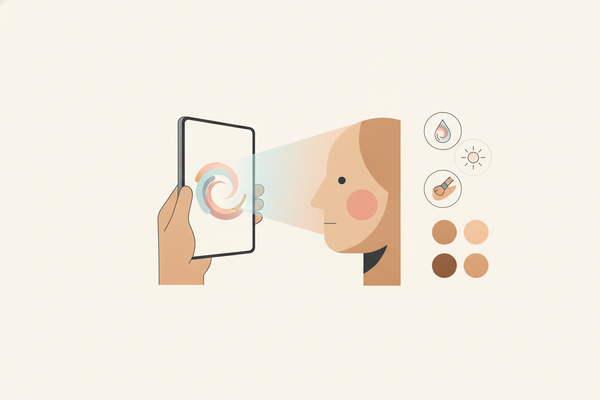
How does AR makeup work under the hood? The answer is a blend of computer vision, real-time image processing, machine learning, and 3D graphics. The process usually involves:
- Face Detection: Locating the position and orientation of your face in the camera feed.
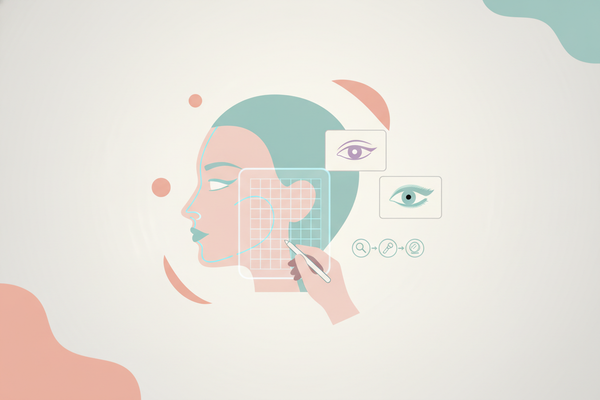
- Facial Landmark Tracking: Identifying key points (eyes, lips, nose, jawline) for precise overlay.
- 3D Face Mesh Construction: Creating a digital map that mirrors your facial contours and expressions.
- AR Rendering: Overlaying digital makeup textures and colors that move in real time as you turn your head or smile.
- AI Analysis: Algorithms analyze your skin tone, undertone, and facial features to fine-tune product recommendations and application.
Software and Hardware Requirements
Modern AR makeup apps leverage your device’s camera and often require decent processing power for smooth, real-time performance. More advanced apps, like Makeup Check AI, utilize cloud-based AI for in-depth analysis and large product libraries, ensuring accuracy across a wide range of devices.
Evolution in the Beauty Industry
What began as basic filter apps has evolved into sophisticated systems that can:
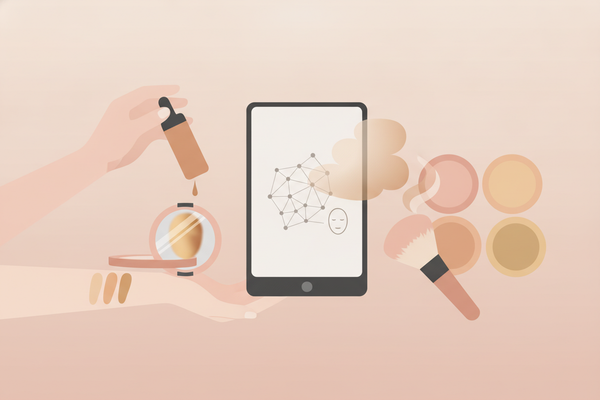
- Match foundation to your exact skin tone with AI
- Simulate complex makeup looks, including contour and highlight, using 3D face mapping
- Deliver personalized beauty routines, tutorials, and even skincare analysis
For a deep dive, see our guide on the future of AR beauty try-on.
Section 3: 3D Face Mapping and Landmark Tracking Explained
Facial Landmark Detection
The foundation of any virtual makeup try-on is facial landmark detection. Using deep learning models trained on thousands of faces, the app detects hundreds of key points across your face:
- Eye corners, eyelid curves, pupil centers
- Lip outline, cupid’s bow, mouth corners
- Nose tip, nostrils, and bridge
- Jawline, cheekbones, forehead outline
Accurate landmark placement is critical for rendering lipstick, eyeliner, blush, and eyeshadow that moves naturally with your expressions.
3D Face Mesh Construction
After points are mapped, a 3D mesh is constructed to model the unique topography of your face. This mesh allows the AR system to "paint" makeup on curved surfaces—like cheekbones or eyelids—creating realistic shadows, highlights, and product texture. The mesh updates in real time as you move, ensuring makeup stays perfectly aligned.
Dynamic Adaptation
- Handles head tilts, smiles, and blinks seamlessly
- Adapts overlays for different face shapes and sizes
- Compensates for glasses, facial hair, and even some existing makeup
This level of precision is what separates the best virtual makeup try-on apps from basic filter tools.
Section 4: Real-Time Rendering, Lighting, and Skin Tone Adjustment
Real-Time AR Rendering
Once your facial landmarks and mesh are established, the AR makeup app applies digital product textures and colors in real time. This requires fast, efficient graphics processing so that:
- Makeup appears instantly as you move or gesture
- Blending, opacity, and layering look lifelike
- Multiple product categories (foundation, blush, shadow) can be rendered together
Lighting and Shadow Simulation
One of the biggest technical challenges in AR makeup is matching the virtual product to real-world lighting conditions. Advanced apps analyze the ambient light in your environment and adjust digital makeup accordingly, including:
- Highlight placement and intensity
- Shadow direction and depth
- Reflectivity and shimmer effects (for glosses, metallics, highlighters)
This ensures the virtual makeup feels blended and natural, not pasted on.
Skin Tone Detection
AI-powered makeup analyzers assess your skin tone and undertone, then adjust product shade and opacity for a seamless match. This is especially crucial for foundation, concealer, and contour products. Some apps, like Makeup Check AI’s Free Color Analysis, go further by identifying your seasonal color palette for even more tailored recommendations.
Section 5: Digital Makeup Libraries and Shade Selection
What Products Can You Try On Virtually?
Leading virtual makeup try-on apps offer extensive digital product libraries—often featuring 300+ looks and hundreds of individual shades. Common categories include:
- Lipstick: Cream, matte, gloss, and liquid finishes
- Foundation: Dozens of shades and formulas, with undertone matching
- Eyeshadow: Singles, duos, palettes, with blend and shimmer effects
- Blush: Cream and powder, with placement tailored to face shape
- Mascara: Lengthening, volumizing, and colored mascara overlays
- Contour & Highlight: Strategic placement for sculpting and glow
How Shade Selection Works
AI analyzes your skin tone, undertone, and preferences to suggest the most flattering shades. Users can:
- Browse curated recommendations
- Search by brand, finish, or effect
- Experiment with trending looks or custom combos
Many apps even allow you to upload inspiration photos and auto-generate similar looks.
Example: Virtual Try-On in Action
Below is a screenshot of Makeup Check AI’s live try-on interface, where users can instantly preview any look from a vast digital library:
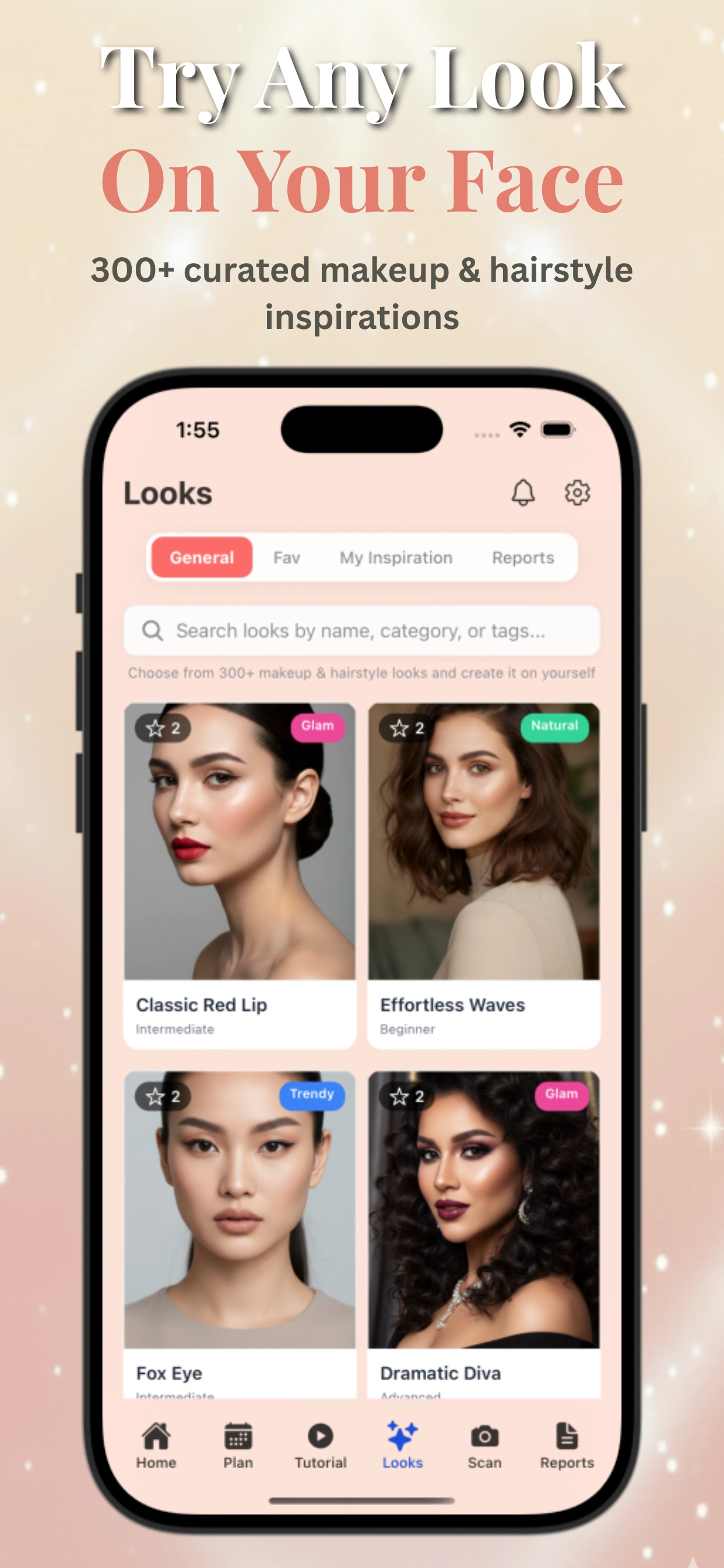
This seamless workflow makes it simple to envision your next beauty transformation.
Section 6: User Workflow—How to Try on Makeup Online Free
Getting Started with AR Makeup Apps
Trying on makeup virtually is easier than ever. Here’s a typical workflow:
- 1. Download or access the app: Many leading AR makeup apps offer web or mobile versions for free.
- 2. Enable camera access: This allows the app to analyze your face in real time.
- 3. Face scanning and analysis: The app detects your face, maps landmarks, and may run an AI beauty analysis for personalized suggestions.
- 4. Choose your product or look: Browse by product category, shade, or curated looks.
- 5. Try on instantly: See the makeup rendered on your live image. Adjust shades, finishes, and placements as desired.
- 6. Save, share, or shop: Capture screenshots, share with friends, or get links to purchase products.
Tips for Best Results
- Use natural, even lighting for more accurate color rendering
- Start with a clean, makeup-free face if possible
- Keep your device steady and at eye level
Exploring Advanced Features
Apps like Makeup Check AI go beyond basic try-ons, offering features such as:
- Personalized AI beauty plans and tutorials
- Color season analysis and daily reminders
- Video analysis of your makeup technique
For a comprehensive overview of AR makeup apps and how they streamline your beauty routine, see our Ultimate Guide to AI Makeup Apps.
Section 7: Virtual vs. Physical Makeup Testing—Accuracy and Limitations
How Accurate Is Virtual Makeup Try-On?
Today’s best virtual makeup try-on apps deliver impressively realistic results, especially for color cosmetics like lipstick, eyeshadow, and blush. Thanks to advanced facial mapping, 3D rendering, and AI analysis, the shades and placements are often highly accurate. However, a few factors can affect the final result:
- Lighting conditions: Dim or colored lighting may distort perceived shades.
- Camera quality: Low-resolution cameras can reduce landmark precision.
- Face angle and movement: Extreme angles may challenge tracking algorithms.
- Existing makeup or facial hair: May cause overlays to sit unnaturally in some cases.
Differences from Physical Testers
While AR makeup offers instant, mess-free experimentation, there are key differences versus traditional testers:
- Texture and finish: AR can simulate gloss, matte, and shimmer, but not tactile feel.
- Longevity and wear: Virtual apps can’t predict how products interact with your skin type over hours.
- Shade variation: Real-world products may look slightly different in person due to pigment and skin chemistry.
Managing User Expectations
AR makeup is a powerful tool for narrowing your choices and exploring new looks, but always verify shades in-store or order a sample if possible before committing to a purchase. For most users, the convenience and personalization far outweigh minor limitations.
Section 8: AI Beauty Analysis and Personalized Recommendations
What Is AI Beauty Analysis?
AI beauty analysis uses machine learning algorithms to assess your facial features, skin health, color palette, and even your makeup skill level. This goes far beyond simply overlaying products—it provides a full diagnostic of your beauty profile.
How AI Makeup Analyzers Work
- Scan your face for symmetry, proportions, and unique features
- Identify skin tone, undertone, and any visible concerns (redness, dryness, etc.)
- Analyze current makeup application for technique and blending
- Offer personalized product recommendations and daily beauty routines
Some platforms, like Makeup Check AI, deliver over 24 detailed AI-powered reports covering makeup, hair, skincare, and even fashion advice.
The Future of Personalized Beauty
- AI-powered virtual assistants available 24/7 for advice and reminders
- Custom tutorials and video feedback based on your unique face and goals
- Integration with digital makeup try-on for seamless experimentation and learning
For more on how AI is shaping the future of beauty, explore AI Makeup: The Future of Personalized Beauty Routines.
Conclusion
So, how does AR makeup work? It’s a sophisticated fusion of computer vision, AI analysis, and real-time 3D graphics that lets you experiment with makeup like never before. Virtual makeup try-on apps empower you to try on makeup online free, discover new looks, and receive personalized beauty recommendations—all from the comfort of your device. As technology evolves, the accuracy and realism of these tools continue to improve, helping users make informed decisions and express their creativity safely and efficiently.
Ready to experience the future of beauty? Try Makeup Check AI to unlock 300+ looks, in-depth AI beauty analysis, and your complete AI-powered beauty team today at www.makeupcheckai.com.
FAQ
Q: How does AR makeup actually work on your face?
A: AR makeup uses your device's camera to detect facial landmarks, then overlays digital makeup in real time using computer vision and AI. It tracks your movements, adjusts for lighting, and renders products so they appear naturally on your face.
Q: What technology is used in virtual makeup try-on apps?
A: These apps leverage computer vision, 3D face mapping, facial landmark tracking, real-time graphics rendering, and AI analysis to deliver realistic, interactive makeup overlays and personalized recommendations.
Q: Does AR makeup match real-life makeup shades accurately?
A: AR makeup is highly accurate for color and placement, especially in good lighting. However, texture, finish, and how products wear over time can't be perfectly simulated. Always verify with physical swatches if possible.
Q: What features do AR makeup apps detect on your face?
A: They detect key facial landmarks—such as eyes, lips, nose, jawline, cheekbones, and brows—along with skin tone, undertone, and sometimes specific skin concerns for more accurate makeup application and analysis.
Q: Can AR makeup detect skin tone and lighting?
A: Yes, advanced AR makeup apps analyze your skin tone and ambient lighting to ensure makeup shades and effects appear realistic and flattering on your face.
Q: What makeup products can you try on with AR?
A: Most apps let you try on lipstick, foundation, eyeshadow, blush, mascara, contour, and highlight. Some also offer brows, eyeliner, and even hair color overlays.