The Power of User Generated Makeup Content in the Beauty Industry
Explore the rise of user generated makeup content and how it transforms the beauty industry by building trust and reshaping brand dynamics.

8 min read
Key Takeaways
- Authenticity remains a key aspect of user generated makeup content, fostering trust and engagement.
- Democratization: Social media platforms continue to enable everyday creators to influence beauty trends.
- Brand Impact: UGC can enhance social proof, conversion rates, and community loyalty.
- Consumer Influence: Peer reviews, tutorials, and real-time feedback often guide purchasing decisions with real-life insights.
- Future Trends: AR/VR, AI personalization, and evolving regulations are expected to shape the next era of UGC through 2026 and beyond.
Table of Contents
- Introduction
- What Is User Generated Makeup Content?
- The Rise of User Generated Makeup Content
- Influence on the Beauty Industry
- Impact on Consumer Behavior
- Benefits and Challenges
- Best Practices for Brands and Creators
- Future Outlook
- Conclusion
- FAQ
Introduction
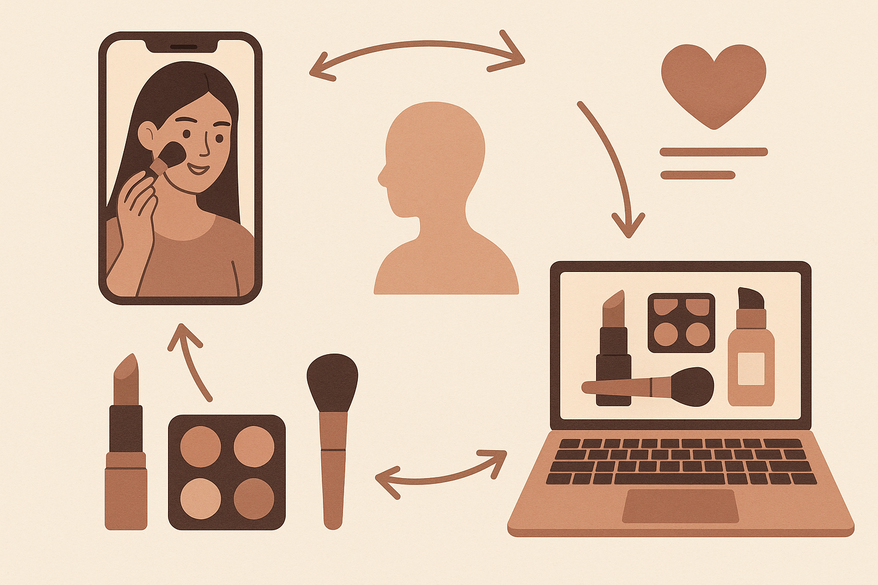
User generated makeup content encompasses beauty-related materials—reviews, tutorials, photos, videos—created and published by everyday consumers rather than brands or industry professionals. This peer-driven content ranges from candid product assessments and unboxing clips to before-and-after transformations shared in real time. By prioritizing real voices over polished advertising, it can foster authentic engagement, build community, and influence purchasing decisions and brand reputation. In today’s 2026 landscape, where relatability and trust are important, UGC plays a significant role in how consumers discover, evaluate, and buy beauty products. For further insight, see the User-Shared Makeup Transformations in the Digital Age study.
Section 1: What Is User Generated Makeup Content?
UGMC covers a broad spectrum of consumer-created beauty media. Unlike highly scripted brand advertisements, this content is often spontaneous, less filtered, and rooted in personal experience, reflecting diverse skin tones, types, and makeup styles.
Key formats include:
- Product reviews – Assessments of formulas, finishes, wear-time, and suitability for various skin types.
- Tutorials – Step-by-step guides with photos or videos covering techniques like eyeshadow blending, contouring, and skincare prep.
- Social media posts – Instagram Reels, TikTok videos, Stories, and live streams featuring unboxings, first impressions, and makeup transformations.
- Blog posts & forums – Testimonials, ingredient breakdowns, and community discussions on platforms like Reddit’s r/MakeupAddiction and specialized beauty blogs.
Popular platforms in 2026:
- Instagram – Feed posts, Stories, Reels, and Instagram Shopping tags for product discovery.
- YouTube – Tutorials, review series, and live Q&A sessions.
- TikTok – Short demos, viral challenges, and AI-powered content discovery.
- Beauty blogs/forums – Niche discussions, ingredient science deep dives, and community advice.
- Newcomers: Platforms like BeReal and emerging decentralized social apps are gaining attention for more authentic, less curated content.
Section 2: The Rise of User Generated Makeup Content
The democratization of social media has shifted beauty influence from elite experts and celebrities to everyday enthusiasts and micro-creators.
Evolution overview:
- Early 2010s beauty blogs and forums sparked initial waves of consumer reviews and tutorials.
- Instagram and YouTube fueled tutorial culture and community building through the 2010s and early 2020s.
- TikTok’s rise introduced short, creative hacks, viral challenges, and rapid trend cycles.
- By 2026, AI-driven content curation and AR try-ons have blended creativity and technology.
Explore how AR try-ons blend creativity and tech in the Virtual Makeup Try-On Beauty Tech trend.
Trends & stats (2026 updates):
- Millions of beauty videos are shared daily across TikTok, Instagram, and emerging platforms.
- UGC galleries featuring real customer photos can boost conversions, reflecting increased consumer trust.
- A large proportion of consumers report that authenticity in beauty content influences their purchase choices.
- Micro-influencers with under 50K followers contribute significantly to UGC engagement due to perceived relatability.
Key drivers: Authenticity, relatability, accessibility via smartphones, and advanced content discovery algorithms powered by AI.
Section 3: Influence of UGC on the Beauty Industry
UGC has influenced how brands build reputation, engage communities, and shape consumer perceptions.
Community building: Brands spotlighting customer content can foster loyalty by making fans feel seen and valued, often through personalized responses and shoutouts.
Social proof: Real users enjoying products provide social validation that can drive credibility and purchase intent more effectively than traditional ads.
Case studies:
- A cosmetics company’s #InMyElement campaign, showcasing makeup fails and fixes, reportedly saw increased social engagement and repeat purchases.
- Indie brand Glossier expanded its reach by reposting fan content and leveraging UGC in product feedback loops, creating grassroots buzz.
- Brands like Fenty Beauty continue to harness diverse UGC to reflect inclusivity, impacting sales and culture.
Read more in our Community Makeup Success Stories.
Ad spend shift: Budgets are increasingly migrating from TV and print to influencer partnerships, UGC amplification, and immersive formats like AR experiences.
Section 4: Impact of UGC on Consumer Behavior
Peer-created makeup content influences research habits, brand trust, and purchase decisions.
Purchasing decisions:
- Many consumers read multiple reviews or watch tutorials before purchasing makeup products.
- Tutorials showing real-life lighting, diverse skin types, and application techniques help buyers visualize results.
- Live streams and real-time Q&A sessions have grown in importance for immediate feedback.
Trust factor: Unpaid peer reviews and authentic tutorials are often preferred over brand endorsements, leading to higher engagement and potentially lower return rates.
Empowerment & choice: Unfiltered feedback guides consumers to products that suit their unique needs, addressing skin sensitivity, undertones, longevity, and ethical considerations like cruelty-free and sustainability.
Section 5: Benefits and Challenges of UGC
Benefits:
- Cost-effective marketing through authentic content that resonates with diverse audiences.
- Social proof that can bolster brand credibility and reduce consumer skepticism.
- Enhanced community engagement, fan retention, and organic growth through shared experiences.
- Increased diversity and inclusivity as creators from varied backgrounds share their unique looks and stories.
- Real-time trend spotting and feedback loops enable brands to innovate more responsively.
Challenges:
- Risk of misinformation or unvetted tips leading to consumer confusion or dissatisfaction.
- Brands cede some narrative control to unpredictable user voices, requiring careful moderation and engagement.
- Content saturation can overwhelm audiences, making it harder for standout creators to emerge.
- Legal and ethical considerations around disclosure and intellectual property rights have become more complex.
Section 6: Best Practices for Brands and Creators
For brands:
- Feature UGC prominently on websites, e-commerce pages, and social feeds, crediting creators to build goodwill.
- Run hashtag campaigns, contests, and challenges to encourage sharing and community participation.
- Balance polished professional content with behind-the-scenes and raw UGC to maintain authenticity.
- Engage actively with comments and feedback to demonstrate listening and responsiveness.
- Implement AI tools to moderate content quality and flag misinformation proactively.
For creators:
- Be honest and transparent about product strengths and limitations to build trust.
- Disclose paid partnerships or gifted items clearly in line with current FTC guidelines.
- Interact regularly with followers to build a loyal community and encourage dialogue.
- Use consistent branding elements (hashtags, visual style) for better discoverability and professional growth.
- Leverage emerging tools like AI-driven editing and AR filters to enhance content quality while maintaining authenticity.
Section 7: Future Outlook for UGC
Emerging technology and evolving regulations will continue to influence peer-created beauty content.
Predicted trends:
- AR/VR virtual try-ons may enable side-by-side real-time looks, allowing users to experiment virtually before buying.
- AI-driven personalization is expected to suggest videos and tutorials tailored to individual skin types, tones, and preferences based on interaction data.
- Interactive tutorials powered by chatbots and voice assistants could boost engagement and accessibility.
- Blockchain and decentralized platforms may empower creators with greater content ownership and monetization options.
Regulatory shifts: Stricter disclosure guidelines, trust badges, and AI content verification tools are likely to emerge to combat misinformation and enhance transparency.
Discover a personalized UGC journey with Makeup Check AI, which uses AI to analyze community trends, detect authenticity, and generate tailored makeup looks.
Conclusion
User generated makeup content has placed everyday consumers at the heart of beauty influence. From candid reviews and tutorials to vibrant communities, UGC helps build trust, inform purchases, and cultivate brand loyalty. As social platforms embrace AR/VR, AI personalization, and enhanced regulatory frameworks, the role of peer-created content is expected to grow. By prioritizing transparency, authenticity, and collaboration, brands and creators can harness UGC to shape trends, engage audiences, and support sustainable growth.
What’s your favorite user-created makeup post or tutorial? Share your experiences and help others discover real beauty inspiration.
FAQ
Which platforms are best for user generated makeup content?
Instagram, YouTube, TikTok, and niche beauty forums each offer unique formats—from short-form Reels and TikToks to in-depth blog discussions—that cater to diverse audiences. Emerging platforms like BeReal also provide more authentic, less curated content experiences.
How does UGC affect purchase decisions?
Peer reviews, tutorials, and live demonstrations provide real-world insights into product performance, which can increase buyer confidence, reduce post-purchase regret, and help consumers find products suited to their unique needs.
What should brands consider when using UGC?
Brands should ensure proper creator credit, maintain a balance between polished and authentic content, encourage transparent disclosures in sponsored posts, and use AI moderation tools to uphold content quality and accuracy.
What trends will shape the future of beauty UGC?
AR/VR try-ons, AI-driven personalized content recommendations, interactive chatbot tutorials, and enhanced disclosure regulations are expected to define the next wave of UGC, making it more immersive, trustworthy, and user-centric.