The Ultimate Thick Curly Hair Routine: Frizz Prevention and More
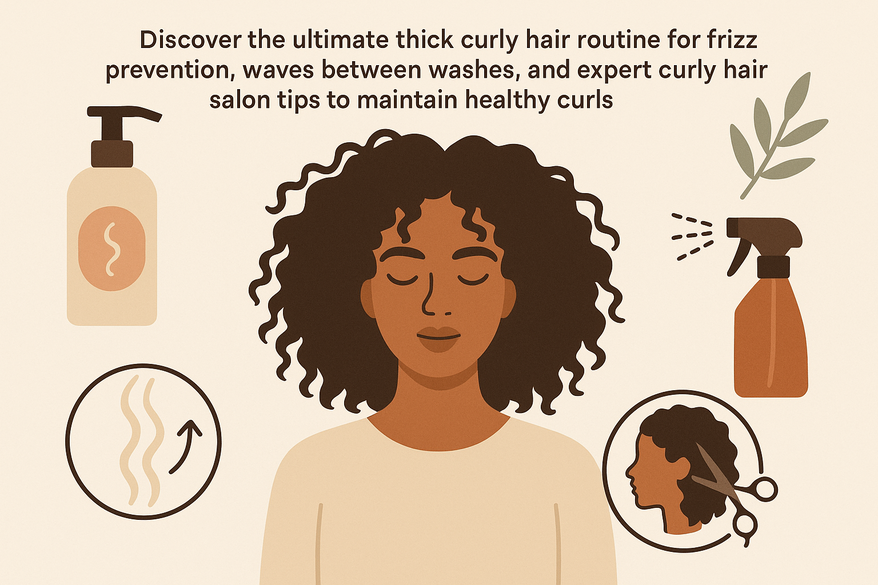
Discover the ultimate thick curly hair routine for frizz prevention, waves between washes, and expert curly hair salon tips to maintain healthy curls.

Estimated reading time: 8 minutes
Key Takeaways
- Hydration first: A moisture-rich, curl-safe routine ensures clump formation and frizz control.
- Refresh without washing: Simple mist-and-scrunch tactics keep waves defined between wash days.
- Expert support: Visiting a specialized Makeup Check AI-powered curly hair salon provides tailored cuts, treatments, and styling demos.
- Targeted fixes: Step-by-step solutions for muted blue tones and uneven, bad layers.
- Consistent results: Building a regimen of pre-poo, gentle cleanse, conditioning, styling, and drying habits for healthy, manageable thick coils.
Table of Contents
- Foundations of a Thick Curly Hair Routine
- Frizz Prevention Strategies
- Benefits of Visiting Curly Hair Salons
- Achieving Waves Between Washes
- Fixing Color Issues: Blue Hair Not Showing Fix
- Rectifying Haircut Problems: Bad Layers Haircut Fix
- Conclusion
- FAQ
A thick curly hair routine is a targeted regimen built around moisture retention, gentle cleansing, and curl-safe styling. It tames frizz, boosts definition, and addresses color or cut challenges that show up more prominently in dense, voluminous coils.
In this guide, you’ll conquer:
- Frizz prevention
- Refreshing waves between washes
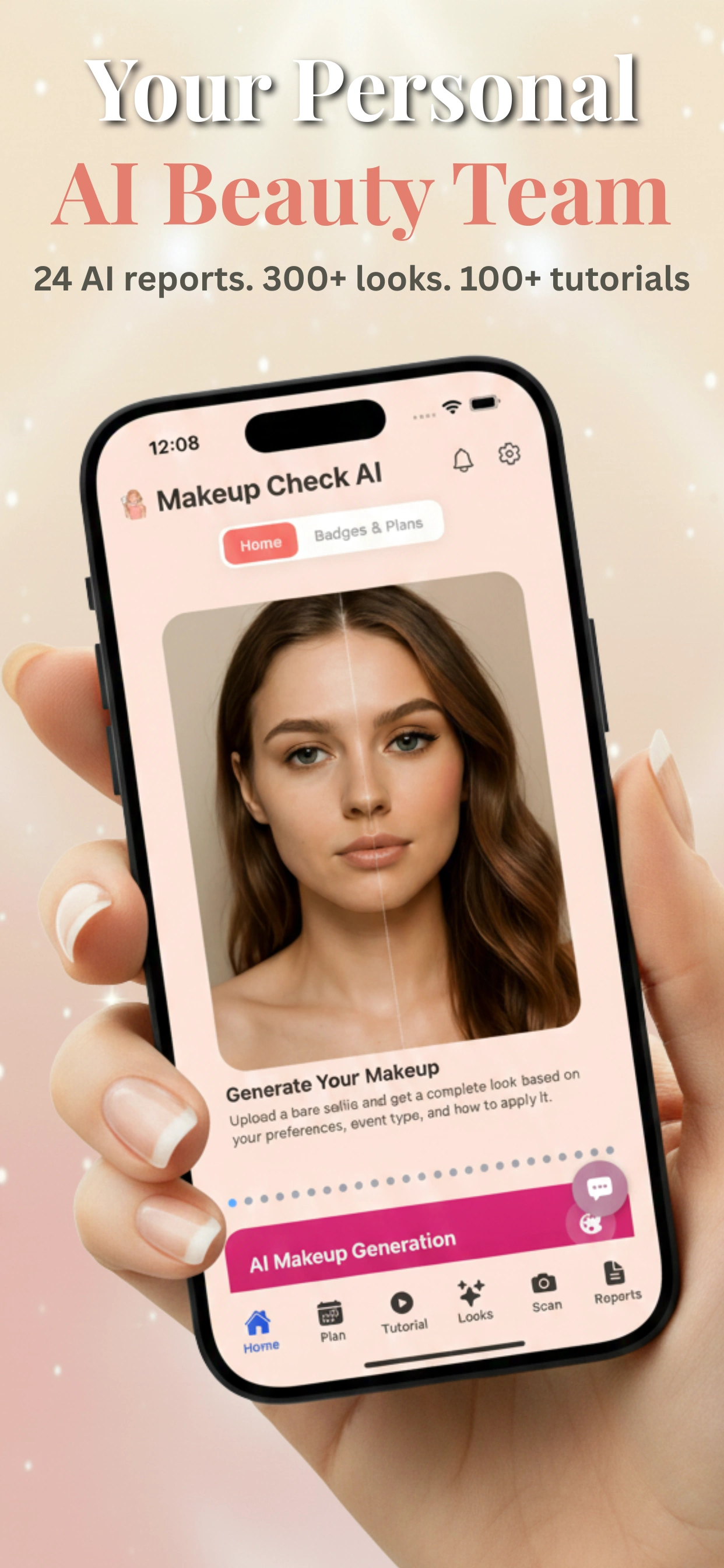
- Choosing and maximizing curly hair salon visits with Makeup Check AI
- Restoring vibrant blue tones
- Correcting bad layer haircuts
1. Foundations of a Thick Curly Hair Routine
A solid routine rests on three pillars: hydration, gentle cleansing, and curl-safe styling. This foundation builds healthy cuticles, encourages clumping, and prevents damage that leads to frizz and breakage.
1.1 Pre-poo treatment
- Apply a lightweight oil (coconut, olive, jojoba) or pre-shampoo mask to dry lengths.
- Benefits:
- Shields curls from harsh surfactants
- Begins slip for easier detangling
- Boosts moisture before cleansing
1.2 Gentle cleanse
- Use a moisturizing, sulfate-free shampoo on the scalp; let suds rinse through lengths.
- Co-wash on alternate days with a cleansing conditioner to preserve hydration.
- Clarify every 4–5 washes, then deep condition immediately.
1.3 Condition & detangle
- Apply a silicone-free conditioner from mid-lengths to ends.
- Detangle in sections under conditioner using fingers or a wide-tooth comb.
- Leave in 3–5 minutes for full absorption.
1.4 Deep condition weekly
- Use a rich hair mask once a week to reinforce moisture, improve clumping, and reduce elasticity loss.
1.5 Leave-in + styling
- On soaking-wet hair:
- Apply a leave-in conditioner for slip and cuticle smoothing.
- Layer a curl cream for moisture and definition.
- Finish with gel or mousse to lock in clumps and control frizz.
1.6 Drying methods
- Squeeze out excess water with a microfiber towel or cotton T-shirt.
- Air-dry or diffuse on low heat using a heat protectant.
- Avoid rough towel-drying or brushing dry curls to prevent frizz.
2. Frizz Prevention Strategies
Frizz often stems from moisture loss and cuticle damage. Protect your curls with a consistent regimen:
- Moisturizing wash routine: Use curl-specific shampoo and conditioner; clarify and deep condition periodically.
- Gentle handling: Detangle wet, use microfiber towels, limit heat styling.
- Product arsenal: Leave-in conditioner, curl cream, anti-frizz serum, and gel or mousse.
- Lifestyle tips: Pineapple or loose braid at night, silk pillowcase, avoid touching dry curls.
3. Benefits of Visiting Curly Hair Salons
Investing in a curl-specialist salon elevates your home routine. Experts understand porosity, texture, and curl patterns:
- In-depth consultation on curl type and goals.
- Specialized cutting techniques: dry cutting, curl mapping.
- Customized treatments: deep conditioning, bond-building.
- Hands-on demos for at-home product application and styling.
- Personalized maintenance plan: trimming schedule and conditioning regimen.
For an integrated beauty-tech approach, explore Makeup Check AI to analyze hair and makeup together and receive tailored advice.
4. Achieving Waves Between Washes
Stretch wash days to maintain moisture and prevent over-drying:
- Mist water or a water + leave-in mix on defined sections.
- Apply a small amount of curl cream or leave-in to frizzy patches; scrunch gently.
- Finger-coil or briefly diffuse on low heat.
- Pineapple or loose braid at night with a silk pillowcase or bonnet.
5. Fixing Color Issues: Blue Hair Not Showing Fix
Curly hair’s porosity can mute blue shades. For vibrant results:
- Clarify before re-dyeing; deep condition after.
- Lighten to a medium-light base with a curly-friendly colorist.
- Maintain moisture post-color with bond-building masks.
- Opt for salon toning or jewel tones if needed.
6. Rectifying Haircut Problems: Bad Layers Haircut Fix
Uneven layers on thick curls create a lop-sided shape. Restore balance:
6.1 At-home styling tweaks
- Distribute product strategically: heavier leave-in and gel at the crown; lightweight foam at roots.
- Enhance clumping: deep condition, layer curl cream and gel, finger-coil awkward sections.
- Use strategic parting or half-up styles to mask uneven layers.
6.2 Professional correction
- Dry reshape by a curl specialist to remove bulk and fill gaps.
- Plan gradual corrections over multiple visits.
- Learn product placement to balance volume and avoid repeat issues.
Conclusion
Consistency in a thick curly hair routine built on hydration, gentle care, and curl-safe styling tackles every curly-hair challenge:
- Frizz prevention
- Waves between washes
- Successful salon visits
- Blue hair color fixes
- Bad layer haircut corrections
FAQ
How often should I deep condition my thick curls?
Deep condition once a week to reinforce moisture, improve curl clumping, and reduce breakage.
What’s the best way to refresh my curls between wash days?
Mist with water or a leave-in spray, apply a bit of curl cream, and scrunch to revive clumps without a full wash.
Do I need to use a diffuser every time?
A diffuser speeds up drying and boosts definition, but air-drying on a t-shirt or microfiber towel also protects curls from heat damage.
Can I color my thick curly hair at home?
For even tone and minimal damage, consult a curly-friendly professional—especially for vivid shades like blue that require precise porosity management.
Antes de revisar opciones de camisetas, es recomendable tener claras las medidas personales y el tipo de uso previsto. Quienes comparan alternativas pueden usar camisetas del Manchester City online como punto de partida para observar tipos de camiseta y detalles básicos. Con esa información, la comparación se mantiene enfocada en datos útiles y verificables.