Monolid Eye Makeup: Step-by-Step Guide for Perfect Eyeshadow & Liner
Monolid eye makeup made easy: Expert app-based techniques for eyeshadow placement, eyeliner, and making monolid eyes look bigger. Try AI-powered guides now.

Estimated reading time: 13 min
Key Takeaways
- Monolid eye makeup relies on strategic eyeshadow placement and specific eyeliner styles.
- Correct eye shape identification is crucial for tailored makeup looks.
- Techniques to prevent creasing and smudging are essential for monolid eyes.
- AI-powered apps like Makeup Check AI offer personalized tutorials and look generation for every eye shape.
- Natural, everyday, and dramatic looks are all achievable with the right tools and methods.
Table of Contents
- Section 1: How to Tell Your Eye Shape
- Section 2: Monolid Eye Makeup Prep & Base Techniques
- Section 3: Eyeshadow Placement by Eye Shape
- Section 4: Eyeliner for Your Eye Shape
- Section 5: Monolid Lash, Mascara, and Finishing Touches
- Section 6: Everyday, Dramatic, and Trendy Monolid Makeup Looks
- Conclusion
- FAQ
Section 1: How to Tell Your Eye Shape
Understanding Eye Shape Basics
Before diving into monolid eye makeup, it's vital to identify your own eye shape. Eye shapes include monolid, hooded, almond, round, downturned, and upturned. Each shape influences how makeup appears and which techniques will be most flattering.
- Monolid Eyes: Characterized by a smooth, flat eyelid without a defined crease. When you look straight ahead, the lid space appears as a single plane, often with little or no visible fold.
- Hooded Eyes: Feature a prominent brow bone and a crease that is not visible because the upper lid appears to fold over it.
- Almond Eyes: Oval-shaped eyes with a visible crease and slightly pointed ends, resembling an almond.
How to Tell If You Have Monolids
Stand in front of a mirror with your eyes open and relaxed. If you see a flat surface without a visible crease (or only a faint one), you likely have monolid eyes. Unlike hooded eyes, there is generally no skin folding over a crease.
Monolids are common among East Asian ethnicities but can occur in anyone. Understanding your unique features helps you select eyeshadow placement and eyeliner for your eye shape.
Observe your lids from different angles and with varying facial expressions. With monolids, the eyelid remains relatively flat whether your eyes are open wide or relaxed. You may also notice that, when looking down, there is minimal or no indentation or fold above the lash line. If you have a very faint or partial crease, you may have a partial monolid, and many people have asymmetrical or mixed features, so it's helpful to analyze both eyes.
Why Eye Shape Matters for Makeup
- Shapes affect which parts of your eyelid are visible when your eyes are open.
- Knowing your shape allows you to adapt placement, blending, and color intensity.
- Misidentifying your shape (for example, using deep crease techniques on a monolid) can lead to makeup that's invisible or appears muddy once your eyes are open.
- Correct shape identification lets you highlight your unique structure and avoid common application mistakes.
For more on identifying your eye shape, AI-powered tools like Makeup Check AI can scan your selfie and analyze features for personalized makeup guidance and tutorials. These tools can help distinguish between subtle variations (such as monolid vs. hooded or almond with a shallow crease) and suggest optimal placement for your specific features.
Section 2: Monolid Eye Makeup Prep & Base Techniques
Prepping Monolids for Makeup
Monolids often have less natural contour and more lid mobility, which makes eye makeup prone to creasing or smudging. The right base ensures lasting, vibrant color.
- Oil Control: Gently cleanse and use an oil-free moisturizer. Excess oil can break down eyeshadow and liner.
- Eye Primer: Apply a thin, even layer of eyeshadow primer or a matte concealer. This grips pigment and prevents creasing.
- Powder Set: Dust a translucent powder over primer to lock it down before applying color.
For more on primer recommendations, see What are the best primers for makeup and foundation?.
Choosing Long-Wear Formulas
- Waterproof: Opt for waterproof or tubing mascaras and liners. These resist transfer onto the brow bone.
- Cream-to-Powder: Eyeshadows in cream-to-powder textures are less likely to crease.
- Layering: Layering powder eyeshadow over cream formulas can further increase wear time on oily lids.
Waterproof products are especially important if you live in a humid climate, have oily skin, or find your eye makeup tends to fade or transfer quickly. Gel and liquid liners are generally more smudge-resistant than pencils. For eyeshadow, cream-to-powder textures offer the blendability of a cream but set to a long-wearing finish.
Base Color Selection
Use a neutral matte shadow close to your skin tone as a base. This evens out discoloration and enhances blending for layered looks. For monolids, a brightening base can make the lid appear more dimensional and ensures colors pop.
- Choose shades with a slight peach, yellow, or pink undertone (matching your complexion) for a seamless effect.
- If you want to brighten dull or dark eyelid skin, use a color-correcting cream (such as peach for blue tones or yellow for redness) under your base shadow.
For those with deeper skin tones, opt for rich caramel or chocolate base shades; for fair skin, choose pale beige or soft ivory. The goal is to create a smooth, even canvas so every color shows true and blends easily—even when layering multiple shadows for a gradient or smoky effect.
Section 3: Eyeshadow Placement by Eye Shape
Monolid Eyeshadow Placement Strategies
Monolid eye makeup focuses on creating depth and dimension. Since there is no natural crease to define the eye, shadows are placed strategically above the mobile lid and extended outward for lift.
- Open-Eye Mapping: Apply your main color with your eyes open, looking straight ahead. This ensures the color is visible when your eyes are relaxed.
- Horizontal Gradient: Blend from the lash line upward, building color intensity higher than you think—often up to or just past the orbital bone.
- Vertical Gradient: Create depth by blending darker shades in the outer third and lighter shades toward the inner lid, but keep the blend soft and elongated.
For monolids, the key is to place color where it will be seen. When your eyes are open, large portions of the lid can disappear—so bring your eyeshadow up higher than you would on a creased lid. A good rule of thumb is to look straight ahead and map where you want the color to show. If you use shimmer or bold color, apply it above the natural lid fold so it’s visible with open eyes.
Creating a New Crease
- Use a medium or dark matte shade to softly sketch a "faux crease" above your natural lid area—usually in the orbital socket.
- Blend with a clean brush to avoid harsh lines, maintaining a natural shadow effect.
- Try using a pencil brush for precise placement, then diffuse with a fluffy brush.
This faux crease technique helps create the illusion of a deeper set eye and adds dimension. You can make this as subtle or dramatic as you like—go soft for everyday, or use a deeper shade for added drama. When blending, be sure to keep the outer edge lifted, angling out and slightly up, which visually elongates the eye and counteracts any downward tilt.
Smoky and Outer-Corner Emphasis
For drama and lift, concentrate deeper hues on the outer half (a V or C shape) and blend outward. This lifts and elongates the eye, giving the illusion of a larger lid space.
- Smudged, smoky shadows also work well on monolids, as they can be built up gradually without harsh division between shades.
- Use a small, dense brush to pat color onto the outer third, then blend with a clean brush.
To intensify the effect, layer a darker shadow along the upper lash line, blending up and out in a wing shape. This not only makes your eyes appear larger but also adds a sultry, modern edge. For a trendy look, try layering a shimmer or metallic shadow just above the dark outer corner for a subtle, multidimensional pop.
Comparing to Hooded & Almond Eyes
- Hooded eyes require shadow above the natural crease, but still have a defined fold.
- Almond eyes can handle classic crease techniques, with color following the natural shape.
- For a full breakdown, explore our guide on AI Makeup App: The Ultimate Guide to Smarter Beauty Routines.
On monolids, classic crease work often disappears when the eyes are open, so adaptation is essential. For beginners, practice with neutral shades to master placement before experimenting with color or shimmer. With practice, you’ll be able to map out where each hue should go for the most flattering, eye-opening effect on your unique features.
Section 4: Eyeliner for Your Eye Shape
Best Eyeliner Styles for Monolids
Standard eyeliner on monolid eyes can disappear or transfer. The key is to adapt placement, thickness, and formula.
- Floating Liner: Draw a line slightly above the lash line, following the curve of the eye. This creates definition that's visible even when the eye is open.
- Extended Wing: Start the wing from the outer corner, angling upward toward the end of the brow for lift. For monolids, this can be thicker or even graphic for a bold look.
- Tightlining: Apply waterproof gel or pencil liner to the upper waterline to make lashes look fuller without taking up lid space.
Floating liner is especially effective on monolids because it remains visible even when the natural lid fold covers the lash line. For a more subtle look, use a dark brown or charcoal shade instead of black, which can sometimes appear too harsh on flatter lids. Gel and liquid formulas dry down quickly and are less likely to transfer or smudge.
How to Avoid Disappearing Liner
- Keep your eye open and relaxed while mapping out liner shape.
- Use quick-drying liquid or gel formulas to prevent smudging.
- Set liner with a matching shadow for extra staying power.
- Try a dot-to-dot method: place a series of dots along the lash line with your eyes open, then connect and fill in with your preferred thickness.
For monolids, thin lines can disappear, so don’t be afraid to go slightly thicker than you would on other eye shapes. If you want a smoky effect, smudge the liner immediately after applying, then layer powder shadow on top to set. To further prevent transfer onto the brow bone, avoid creamy pencils unless they are waterproof and set with powder.
Lower Lash Line & Inner Corner
- Smudge a soft brown or taupe shadow along the lower lash line for balanced definition.
- Add a pearl or champagne highlight to the inner corners to open and brighten the eyes.
- Use a nude or white pencil on the lower waterline to make eyes appear bigger and more awake.
When defining the lower lash line, keep the color soft and slightly diffused, which prevents the look from becoming harsh or closed-off. Highlighting the inner corner with a shimmer or pearlescent shade draws light to the eyes and creates an instant brightening effect—especially helpful for monolids, where the upper lid can sometimes overshadow the inner corners.
For more advanced liner looks, check out AI Makeup Tutorial: Your Guide to Smart Beauty Routines.
Section 5: Monolid Lash, Mascara, and Finishing Touches
Lash Curling Techniques
Monolid eyes often have straight or downward-pointing lashes, so curling is crucial for opening the eye. Use a curler with a shallow curve to fit the eyelid shape. Pump gently from the base to the tip, holding for 10 seconds at each position.
- Start at the very base of the lashes (as close to the root as possible), then gently pulse the curler as you move up in small increments.
- For stubbornly straight lashes, heat the curler slightly with a blow dryer (test on your wrist first to avoid burns) for an even stronger curl.
Proper curling opens the eyes and makes lashes visible from the front. This step makes a dramatic difference, especially if you plan to skip false lashes or want a more natural look. For best results, always curl before applying mascara to avoid breakage.
Choosing the Right Mascara
- Waterproof Formulas: Hold curl longer and resist transfer onto the brow bone.
- Tubing Mascaras: Form tubes around each lash, easily removed with warm water and less prone to smudging.
- Focus on lengthening and defining formulas over volumizing, which can weigh lashes down.
- Use a lash comb between coats to separate and define for a feathery finish.
Since monolid lashes can be short and straight, opt for mascaras with curved or skinny brushes that can reach every lash from root to tip. Wiggling the brush as you apply helps coat and separate each lash, enhancing both length and lift. For bottom lashes, use a micro-mascara or a clean spoolie for precise, clump-free application.
False Lashes and Lash Placement
- Choose crisscross or flared lash styles that are longer at the outer edge for a natural lift.
- Trim bands to fit your eye width so corners don't lift or poke.
- Apply lashes as close to the natural lash line as possible, and use a dark liner to blend the band.
- For a more natural effect, cut full strip lashes into thirds and apply just to the outer corners.
Half or 3/4 lashes are ideal for monolids, as they provide lift without overwhelming the lid space. When trimming, always measure against your eye and snip from the outer edge, never the inner. Use a flexible, clear-drying glue and wait until it's tacky before placing the lash for the most secure hold. After applying, press the natural and false lashes together with a clean spoolie to blend seamlessly.
Finishing Touches
- Highlight the brow bone subtly to lift the area without drawing attention to the lack of crease.
- Consider a setting spray for extra longevity.
- For a dewy look, use a cream highlighter on the high points of the cheekbone and just under the brow.
Finishing touches such as brow bone highlight and setting spray can make a significant difference in overall wear and appearance. Opt for a matte or satin highlight if you're worried about bringing attention to texture or oiliness around the lid. If you want your look to last all day (especially for events), choose a makeup setting spray formulated for longevity and oil control.
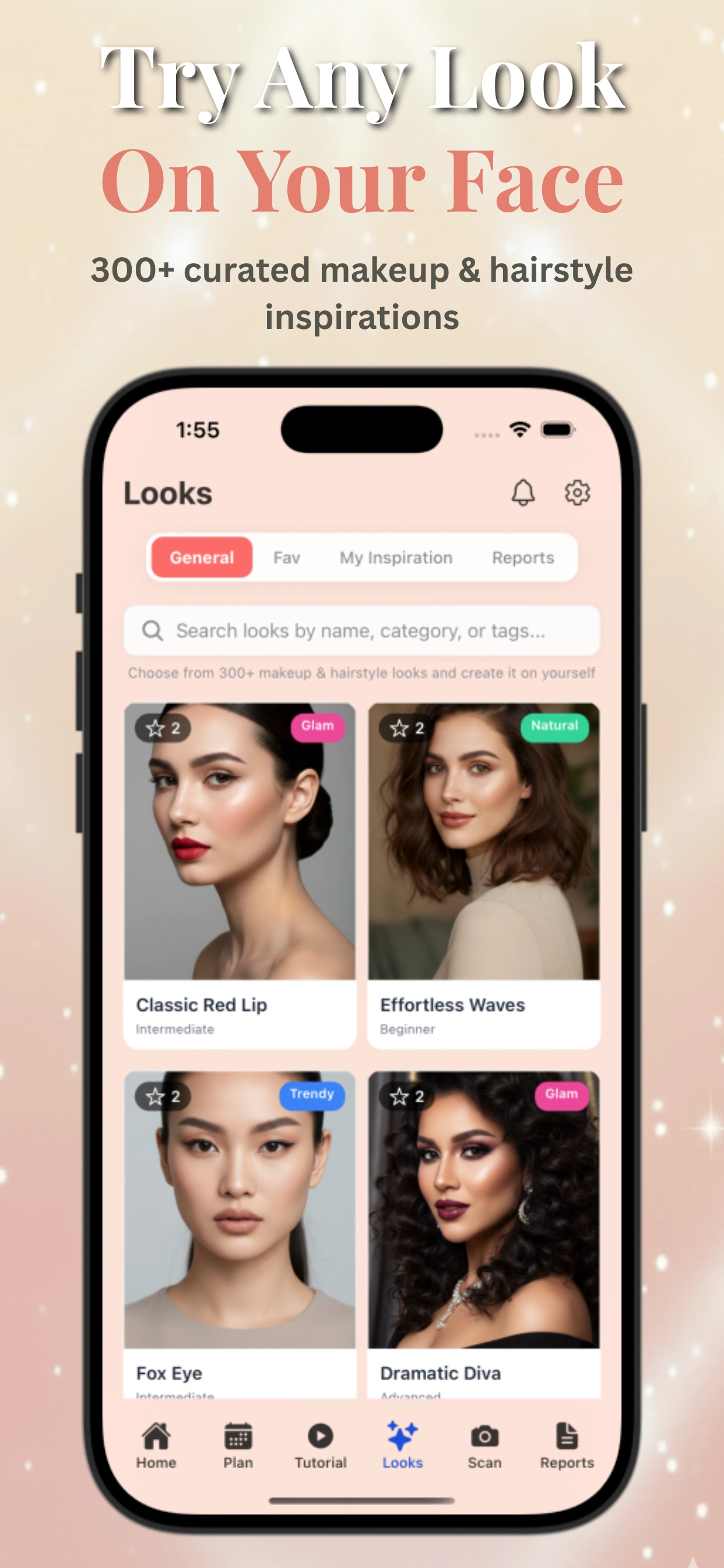
Try on lash and liner combinations virtually with Makeup Check AI's AR-powered try-on for instant feedback.
Section 6: Everyday, Dramatic, and Trendy Monolid Makeup Looks
Natural and Everyday Monolid Looks
- Use soft matte browns or warm taupes blended from lash line upward for subtle dimension.
- Tightline with a brown pencil, add mascara, and highlight the inner corners for a clean, awake look.
- For a "no-makeup" makeup effect, keep lines soft and avoid harsh contrasts.
- Try a sheer wash of champagne or peach shimmer on the center of the lid for a barely-there glow.
Everyday monolid looks are all about enhancing natural features and creating the illusion of larger, brighter eyes. Focus on blending and use minimal product for a fresh and effortless appearance. If you want a bit more definition, use a small angled brush to softly press a dark brown shadow along the upper lash line, mimicking the effect of eyeliner without harshness. Finish with a touch of cream blush on the cheeks for a cohesive, radiant look.
Dramatic & Smoky Eyes
- Build a smoky effect by layering deep charcoals, plums, or navy shades at the outer third and blending up and out.
- Pair with a graphic floating liner or a bold wing for an editorial look.
- False lashes with extra length at the outer corners amplify the drama.
- For extra intensity, tap metallic or shimmer shadow at the center of the lid and inner corner.
Dramatic monolid looks benefit from bold placement and contrast. To avoid muddiness, work in layers: start with a mid-tone shade all over the lid, deepen the outer third with a dark shade, and blend upward and out. For a modern touch, add a graphic floating liner in black or a contrasting color above the natural lash line. Use a Q-tip or micellar water to sharpen edges for a crisp, professional finish. If you want extra drama, pair smoky eyes with a nude lip and defined brows for balance.
Trendy and Artistic Styles
- Experiment with negative space, pastel or neon liners placed above the lash line, or shimmer washes over the entire lid.
- Add rhinestones or decals for playful, statement looks inspired by current K-beauty and Euphoria trends.
- Monolids are a perfect canvas for color blocking and creative graphic shapes.
- Try a watercolor effect by blending multiple pastel shades across the lid, or use stickers and stencils for precise, on-trend designs.
Monolids allow for a wide range of creative expression. Negative space liner (where part of the lid is left bare) is striking and modern—try a floating white or neon line above the lid for a futuristic vibe. For festival or editorial looks, use cosmetic-safe glitter or stick-on gems to accentuate the outer corners or lower lash line. Graphic liner shapes, such as double wings or geometric patterns, are easier to execute on monolids due to the flat canvas. For inspiration, browse K-pop makeup looks or runway beauty trends, and adapt them to suit your features with help from tools like Makeup Check AI.
For more inspiration and the ability to generate and try on over 300 looks, use the AI-driven style generator in Makeup Check AI. You can also check your color season for personalized shade recommendations at Free Color Analysis.
Conclusion
Mastering monolid eye makeup is all about tailored techniques: prepping with primer, strategic eyeshadow placement above the crease, and using bold liner that stays visible. By understanding your eye shape, you can adapt these tips for natural, dramatic, or trendy looks that flatter and enhance your unique features. Tools like Makeup Check AI simplify this journey with instant look generation, tutorials, and AR try-ons for every eye shape. Explore, experiment, and embrace the versatility of monolid makeup with confidence!
FAQ
Q: How do you do eyeliner on monolid eyes without it disappearing when the eye opens?
A: Draw your liner with your eyes open, placing it slightly above the lash line (floating liner) or extending the wing outward and up. Use waterproof or gel formulas to avoid smudging, and set with a matching shadow for extra hold.
Q: What eyeshadow placement works best for monolid eyes?
A: Horizontal blending—layering color from the lash line up toward the brow bone—creates depth. Place deeper shades above the natural mobile lid, and use an open-eye technique to ensure visibility.
Q: How do you stop eyeshadow from creasing on monolids?
A: Use an eyeshadow primer, set with translucent powder, and opt for long-wear or cream-to-powder formulas. Avoid oily products on the lids and always prep with a clean, matte base.
Q: What kind of winged eyeliner suits monolid eyes?
A: Extended wings that start thin at the inner corner and angle up and out at the outer edge work well. Graphic, bold wings placed slightly above the lash line are also flattering and stay visible.
Q: How do you make monolid eyes look bigger with makeup?
A: Focus on light inner-corner highlights, curled lashes, and blending darker shadows above the crease area for lift. Smudged lower lash line and strategic liner also help open the eyes.
Q: What lashes or mascara work best for monolid eyes?
A: Waterproof or tubing mascaras that hold curl are ideal. For falsies, choose styles with crisscross or flared shapes, focusing on longer outer corners for a lifted, open effect.