Ultimate Thick Curly Hair Routine: Tame Frizz, Maintain Waves, and More
Discover the ultimate thick curly hair routine to prevent frizz, maintain waves, and find the best curly hair salons for a stunning look every day.

Estimated reading time: 8 minutes
Key Takeaways
- Consistent hydration is vital for defined, resilient curls.
- Frizz prevention relies on sealants and protective styles.
- Refresh techniques let you skip washes while maintaining waves.
- Curly-specialist salons and clear communication ensure the right cut and color.
- Targeted fixes solve color fading and uneven layers quickly.
Table of Contents
- Introduction
- Understanding Thick Curly Hair
- Developing a Thick Curly Hair Routine
- Frizz Prevention Strategies
- Maintaining Waves Between Washes
- Navigating Curly Hair Salons
- Addressing Color Issues – Blue Hair Not Showing Fix
- Fixing a Bad Layers Haircut
- Conclusion
Introduction
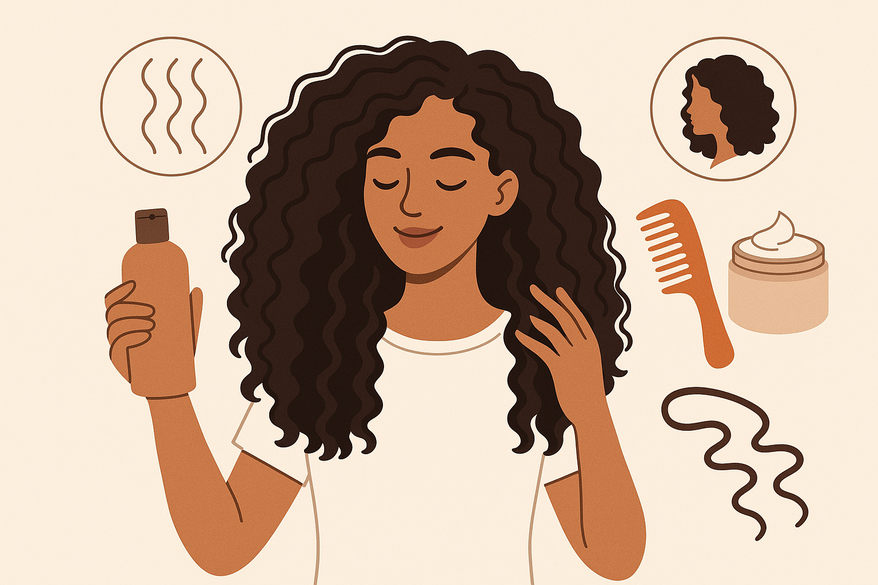
A thick curly hair routine is a structured approach to manage dense, coiled strands that struggle with moisture retention and are prone to tangling and frizz. High porosity often leads to rapid moisture loss, friction-induced breakage, and uneven hydration. To tame and define your coils, specialized care is essential.
For personalized curl analysis and detailed technique feedback, try Makeup Check AI, which leverages AI-driven insights to optimize your styling and maintenance routines.
Section 1: Understanding Thick Curly Hair
Thick curly hair features densely packed strands with tight coils. High porosity means hair absorbs—and loses—moisture quickly, resulting in brittleness and frizz.
Moisture dynamics:
- Natural oils struggle to travel down the shaft, leaving mid-lengths and ends dry.
- Dry cuticles catch on each other, causing tangles and breakage.
- Undefined curls become static-y and overly frizzy without a routine.
By committing to a consistent routine, you restore moisture balance, define coils, and improve manageability.
Section 2: Developing a Thick Curly Hair Routine
Successful care combines daily gentle maintenance with targeted weekly treatments to maintain hydration, curl definition, and scalp health.
“The secret is balancing moisture and protein—too much of either and curls lose their bounce.”
Daily Routine
- Detangling: On soaking-wet hair, apply a slip-rich leave-in and detangle from ends up with fingers or a wide-tooth comb.
- Leave-in Care & Styling: Work in a creamy curl-defining product on dripping-wet hair. Try “squish-to-condish” and finger-coil for extra definition.
- Night Protection: Sleep on a silk pillowcase or in a loose satin bonnet to minimize friction.
Weekly Routine
- Washing Frequency: Shampoo every 2–3 weeks with a sulfate-free, moisturizing formula; clarify only when buildup is heavy.
- Deep Conditioning: Alternate moisturizing masks with monthly protein treatments, using heat for 20–30 minutes.
- Pre-poo & Diffusing: Pre-poo with coconut oil, then diffuse on low heat and speed, tilting your head to lift roots.
- Trim Schedule: Trim every 6–8 weeks to remove split ends and maintain shape.
For more detailed steps, see the Thick Curly Hair Routine Guide.
Section 3: Frizz Prevention Strategies
Frizz results from humidity, friction, and moisture imbalance. Combat it with strong-hold products and protective techniques.
Identify Triggers: Humidity swells cuticles, rough fabrics cause friction, and uneven hydration creates flyaways.
Recommended Products: Strong-hold gels, sealing oils like argan or jojoba, and lightweight anti-frizz masks.
Techniques:
- Plopping with a microfiber towel or cotton T-shirt for 10–20 minutes.
- Protective night styles such as loose braids or twists.
- Cool water rinse to seal cuticles and reduce flyaways.
Section 4: Maintaining Waves Between Washes
Refresh your pattern with simple in-between techniques so you can go 2–3 weeks without a full wash.
- Light mist: Water mixed with leave-in conditioner or curl refresher spray.
- Finger coiling: Twist small curls at roots to redefine loose areas.
- Squish-to-condish: Apply a little conditioner to damp spots and scrunch lightly.
- Pineapple method: Secure hair in a high, loose ponytail to preserve shape overnight.
Section 5: Navigating Curly Hair Salons
Choose a stylist experienced with Type 3 and 4 curls and high-porosity textures.
Selection Criteria: Look for DevaCut techniques and stylist portfolios featuring thick curly hair.
Communication Tips: Bring photos, explain your routine, and request a porosity test before chemical services.
Tip: Book a small trim first to gauge a stylist’s curl expertise.
Section 6: Addressing Color Issues – Blue Hair Not Showing Fix
High porosity can both absorb and release blue pigment rapidly. Resolve fading with these fixes:
- Pre-color Clarification: Remove silicones and oils before dyeing.
- Color-Depositing Shampoos: Use weekly to refresh tone.
- Professional Gloss: Deposit pigment without harsh lifting and perform strand tests for porosity.
Section 7: Fixing a Bad Layers Haircut
Choppy layers shorten curls unevenly. Correct with both at-home and professional solutions:
- At-Home: Gel + diffusing to stretch layers, deep conditioning masks, and protective braids.
- Professional: Curl-by-curl reshape with a DevaCut specialist and schedule regular trims.
Conclusion
A well-rounded routine of moisture-rich wash days, gentle daily styling, weekly deep treatments, and strategic frizz prevention will keep your thick coils healthy and defined. Adapt each technique to your porosity and lifestyle, track progress, and consult a curl specialist if needed. With consistency and the right approach, your curls will thrive.
FAQ
Q: How often should I wash thick curly hair?
A: Aim for every 2–3 weeks with a sulfate-free shampoo to preserve natural oils.
Q: What’s the best way to refresh curls between washes?
A: Use a light mist of water and leave-in conditioner, or finger coil and pineapple overnight.
Cuando se busca una camiseta de club, es útil comparar medidas, corte y detalles de confección antes de decidir. Al evaluar distintas posibilidades, camisetas de futbol del Atlético de Madrid permite centrar la revisión en información práctica de la prenda. También conviene revisar las condiciones descritas para evitar confundir estilo, talla y comodidad.
Q: How can I prevent frizz overnight?
A: Sleep on a silk pillowcase or in a loose satin bonnet to minimize friction.