Thick Curly Hair Routine: Ultimate Guide for Frizz Prevention & More
Discover the ultimate thick curly hair routine for frizz prevention, salon communication, and wave maintenance for healthy, defined curls.

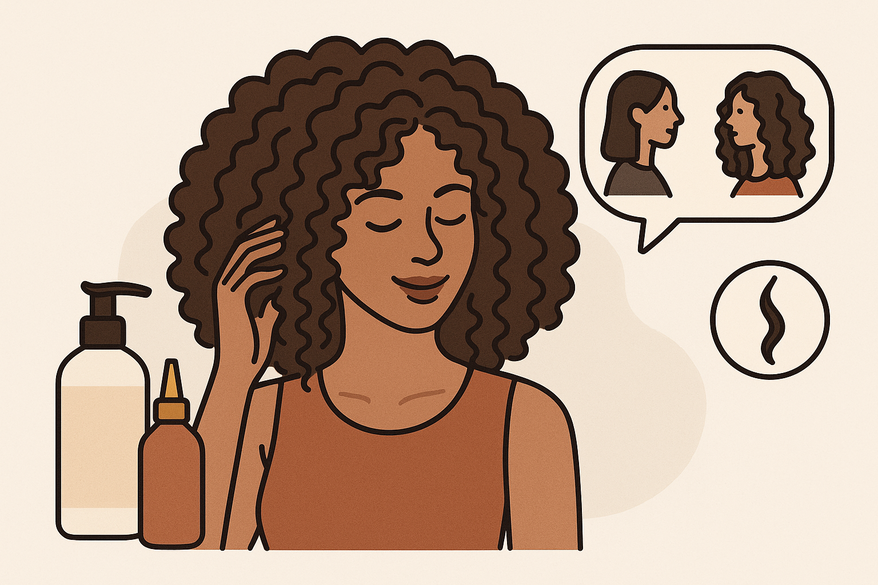
Estimated reading time: 8 minutes
Key Takeaways
- Understanding why thick, curly hair needs a specialized routine to maintain hydration and definition.
- Five essential steps: cleansing, conditioning, moisturizing, styling, and protecting.
- Top frizz prevention tactics including product selection and drying techniques.
- How to choose and communicate with a curly hair–savvy salon for the perfect cut.
- Strategies for refreshing waves between washes without overloading on products.
- Tips to troubleshoot color issues and repair bad layers at home or with a professional.
Table of Contents
- Section I: Introduction
- Section II: Understanding Thick Curly Hair
- Section III: Frizz Prevention Strategies
- Section IV: Navigating Curly Hair Salons
- Section V: Managing Waves Between Washes
- Section VI: Conclusion
Section I: Introduction
A thick curly hair routine is a multi-step plan designed to hydrate, define, and protect dense curls. It combines cleansing, conditioning, styling, and safeguarding techniques to keep your curls healthy and vibrant.
People with thick, curly hair often struggle with:
- Frizz that ruins definition
- Loss of wave shape between washes
- Disappointing salon visits or wrong cuts
- Muted or patchy blue hair color
- Unflattering bad layers that break curl patterns
In this post you’ll find:
- Frizz prevention tips (frizz prevention)
- How to choose and communicate with curly hair salons (curly hair salons)
- Tricks for maintaining waves between washes (waves between washes)
- Solutions when blue hair isn’t showing (blue hair not showing fix)
- At-home fixes and pro guidance for bad layers (bad layers haircut fix)
Section II: Understanding Thick Curly Hair
Thick, curly hair has a larger strand diameter and varying curl patterns that prevent natural scalp oils from traveling down the hair shaft. This often leads to dryness, frizz, and cuticle damage. High porosity accelerates water loss, making curls prone to brittleness and flyaways.
Key characteristics:
- High strand diameter locks out scalp oils
- Curl pattern blocks moisture distribution
- Elevated porosity accelerates water loss
- Damaged cuticles lead to flyaways and breakage
To combat these challenges, follow a five-step routine:
- Cleansing: Remove dirt without stripping moisture.
- Conditioning: Replenish hydration and smooth cuticles.
- Moisturizing: Seal in water with creams or oils.
- Styling: Define curls with hold products.
- Protecting: Shield hair from friction and environmental stressors.
Regular care smooths the cuticle, locks in moisture, and preserves wave definition, reducing frizz and enhancing curl health.
Section III: Frizz Prevention Strategies
Top Frizz Prevention Tips for Thick Curly Hair
-
Moisturizing Shampoo & Conditioner
- Choose sulfate-free, hydrating formulas made for curly hair.
- Look for ingredients like glycerin, shea butter, and natural oils.
- Maintains internal water balance without foam stripping.
-
Leave-In Conditioner
- Apply on damp hair to smooth cuticles.
- Provides slip for easier detangling.
- Boosts long-lasting moisture throughout the day.
-
Gel or Mousse for Hold
- Gel: Strong clumping, crisp hold, ideal for tight curls.
- Mousse: Light definition, softer finish, great for loose waves.
- Layer under or over creams to lock shape.
-
Drying Techniques
- Use a microfiber towel or cotton T-shirt.
- Scrunch gently to remove excess water.
- Reduces friction that breaks cuticles and causes frizz.
-
Nighttime Protection
- Sleep on silk or satin pillowcases.
- Wear a bonnet or scarf to prevent morning tangles.
- Minimizes friction and preserves curl shape.
-
On-Day Refresh
- Lightly mist hair with water or rose water.
- Apply a dab of gel or leave-in on frizz hotspots.
- Scrunch to reactivate product hold without rewashing.
Consistency is key. A regular routine prevents dehydration, reduces frizz, and stops product buildup by distributing styling products evenly.
Section IV: Navigating Curly Hair Salons
Choosing the Best Curly Hair Salons
Not all stylists understand thick curls. A curly hair salon specializes in curl-specific methods: dry cutting, sectioned cuts, DevaCut or DryCut. This training ensures layers and shape work with your natural wave.
Pre-Appointment Checklist:
- Ask about their experience with thick curly hair.
- Request to see before-and-after portfolios.
- Clarify cutting method: wet vs. dry vs. section cutting.
- Discuss how they handle shrinkage, density, and volume.
- Explain your desired shape, length, and definition.
Bring reference photos and describe your wash-day routine:
- Do waves flatten by day two?
- Where does frizz spike up?
- How much volume vs. weight you prefer?
Clear communication prevents bad layers and ensures you leave with the shape you envisioned.
Section V: Managing Waves Between Washes
Waves Between Washes: Refresh & Redefine
-
Light Mist Refresh
- Use a spray bottle with water or rose water.
- Mist roots and mid-lengths sparingly.
- Reactivates styling products without saturation.
-
Touch-Up Products
- Apply a tiny amount of curl cream or leave-in on dry spots.
- Distribute with fingers or a wide-tooth comb.
- Focus on areas that lost definition.
-
Gel Reactivation
- Spray water lightly on gel cast sections.
- Scrunch to break and reform the cast.
- Restores clumps and shape.
-
Finger Coiling
- Wrap 1-inch sections around your finger.
- Hold for a few seconds, then release.
- Blends loose waves into tighter curls.
-
Drying Tools
- Air-dry for natural movement.
- Use a low-heat diffuser to boost volume without heat damage.
-
Build-Up Management
- Co-wash occasionally with conditioner only.
- Use a gentle clarifying shampoo every 2–4 weeks.
- Prevents product residue that weighs hair down.
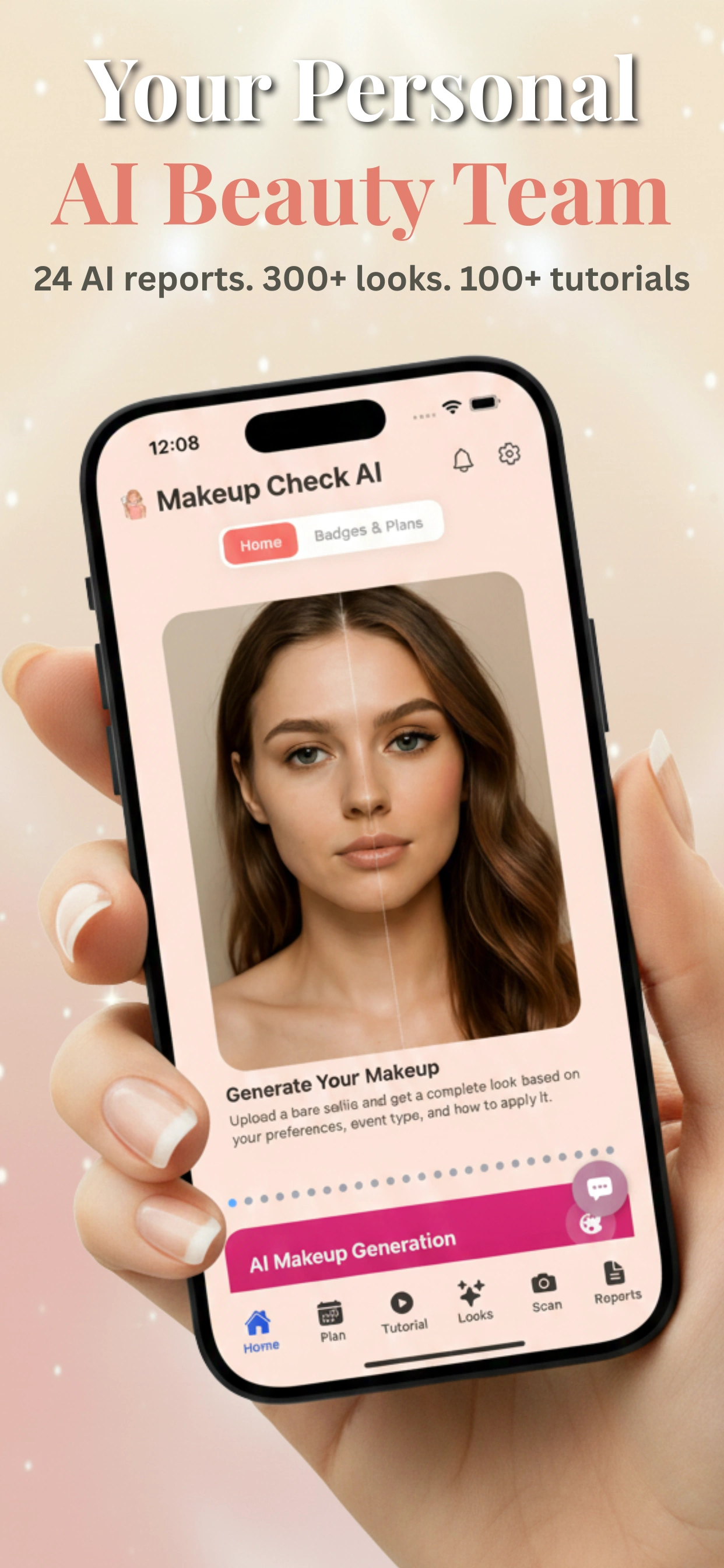
For those building a complete beauty routine, apps like Makeup Check AI offer data-driven insights—whether you’re refining your hair care or exploring new styles.
Section VI: Conclusion
An effective thick curly hair routine combines frizz prevention, clear salon communication, wave maintenance, color troubleshooting, and cut correction. By following these steps you will:
- Minimize frizz with hydration and protective styling (frizz prevention)
- Choose the right salon and avoid bad layers (curly hair salons)
- Keep waves fresh on non-wash days (waves between washes)
- Ensure vibrant blue tones on dense curls (blue hair not showing fix)
- Fix or refresh uneven layers at home or with a curl-specialist (bad layers haircut fix)
Experiment patiently with these techniques. Consistency and gentle care produce healthy, defined curls. Share your results or ask questions below—we’d love to hear your thick curly hair routine success stories!
FAQ
How often should I wash my thick curly hair?
Aim for 1–2 times per week using sulfate-free cleansers to avoid stripping natural oils.
Can I use regular shampoo on my curls?
Regular shampoos often contain sulfates, which can dry out curls. Opt for hydrating, curl-friendly formulas.
How do I prevent frizz overnight?
Sleep on a silk or satin pillowcase and use a loose bonnet or scarf to reduce friction.
What's the best way to refresh curls between washes?
Mist hair lightly with water or rose water, then scrunch in a bit of leave-in or gel to reactivate your style.
How often should I visit a curly hair–specialist salon?
Every 8–12 weeks for trims or shape maintenance, depending on your growth rate and curl pattern.
Cuando se busca una camiseta de club, es útil comparar medidas, corte y detalles de confección antes de decidir. Una referencia como camiseta del Liverpool online puede servir para revisar opciones generales sin depender de una sola característica. Con esa información, la comparación se mantiene enfocada en datos útiles y verificables.