Your Ultimate Thick Curly Hair Routine for Frizz-Free, Vibrant Curls
Discover a comprehensive thick curly hair routine focusing on frizz prevention, maintaining curls between washes, and fixing common curly hair issues.

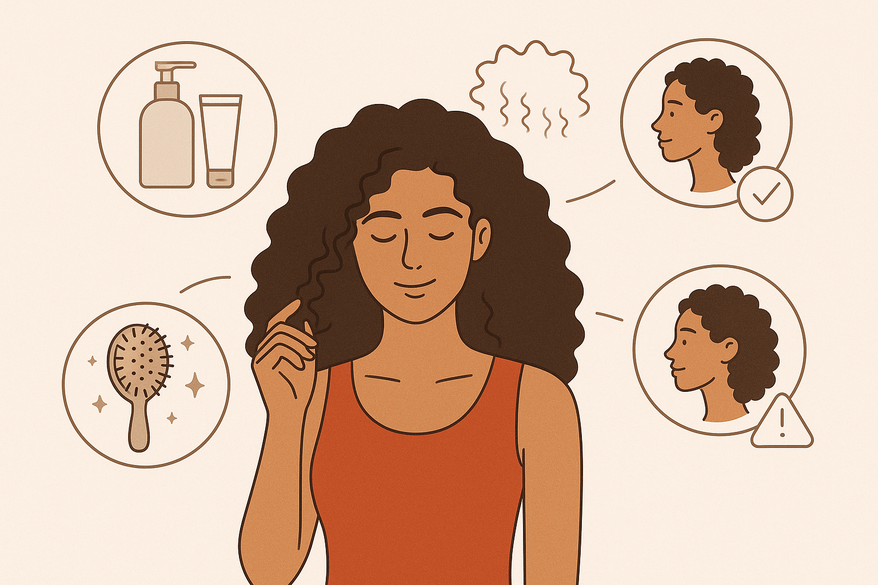
Estimated reading time: 7 minutes
Key Takeaways
- Hydration is key: Use aloe-based cleansers and deep-conditioning masks.
- Frizz prevention: Seal in moisture, reduce friction, and avoid heavy silicones.
- Between-wash refresh: Mist with water and leave-in for revived waves.
- Salon selection: Seek DevaCut® or dry-curl specialists for precision.
- Color & cut fixes: pH-balanced products for blue hues and texturizing shears for bad layers.
Table of Contents
- Section 1: Defining Your Thick Curly Hair Routine
- Section 2: Frizz Prevention Techniques
- Section 3: Maintaining Waves Between Washes
- Section 4: Selecting the Right Curly Hair Salon
- Section 5: Color Maintenance – “Blue Hair Not Showing Fix”
- Section 6: Fixing Bad Layers – “Bad Layers Haircut Fix”
- Conclusion
- FAQ
Section 1: Defining Your Thick Curly Hair Routine
A thick curly hair routine is a system of cleansing, conditioning, styling, and protective care that maintains moisture balance, curl definition, and manageability.
Daily Refresh Method (Days 2–4)
- Lightly mist hair with water and leave-in conditioner.
- Scrunch strands upward to reactivate curl pattern.
Weekly Wash Routine
- Wet hair thoroughly in the shower.
- Apply aloe-based shampoo to the scalp. Massage in circular motions to remove buildup.
- Generously apply conditioner from mid-lengths to ends. Finger-detangle under water for easy slip.
- Rinse with cool water to seal cuticles and add shine.
Frequency: Wash every 2–4 days to preserve natural oils and prevent dryness.
(Source: Medical News Today – Aloe Vera for Hair)
Sectioning Technique
- Divide hair into 4–6 sections before applying products.
- Ensures even distribution and full coverage on thick strands.
Product Recommendations
- Clean, color-safe aloe shampoo & conditioner (e.g., Plaine Products).
- Lightweight leave-in curl cream or conditioner.
- Microfiber towel or 100% cotton T-shirt for plopping.
Section 2: Frizz Prevention Techniques
Effective frizz prevention begins with understanding what drives frizz: dryness, humidity, friction, and product buildup.
Frizz Drivers
- Low moisture in the hair shaft.
- High humidity causing cuticles to swell.
- Rough towels and friction.
- Residue from heavy or silicone-laden products.
Hydration Strategies
- Weekly deep-conditioning mask rich in shea butter or argan oil. (Women’s Health – Best Hair Masks)
- Use a silicone-free anti-humectant serum in high-humidity environments.
- Incorporate water-based leave-in conditioners for daily moisture.
Protective Styling & Nighttime Care
- Pineapple method: gather hair into a loose, high ponytail at the top of your head to protect curl shape overnight. (NaturallyCurly – Pineappling Your Curls)
- Sleep on a silk or satin pillowcase to reduce friction and static.
Gentle Detangling
- Use a wide-tooth comb only on wet, conditioned hair.
- Start from the ends and work upward to minimize breakage.
Section 3: Maintaining Waves Between Washes
Extending your waves between washes keeps your 2B/2C pattern fresh for 4+ days without a full shampoo.
Refresh Technique
- Mix water and leave-in conditioner in a spray bottle (50:50 ratio).
- Mist hair lightly, scrunch upward to re-form wave clumps.
- Gently shake your head to realign strands.
Styling Aids
- Apply a lightweight foam or mousse at the roots for lift—avoid heavy oils that flatten.
- Secure damp roots with claw clips for volume without heat.
Section 4: Selecting the Right Curly Hair Salon
Choosing curly hair salons that understand your texture prevents bad cuts and frizz explosions.
What to Look For
- Stylists trained in DevaCut® or other dry-curl cut methods. (DevaCurl – The DevaCut®)
- A texture consultation using photos of your curl type before cutting.
- Colorists experienced with porous curls to ensure even dye uptake.
Section 5: Color Maintenance – “Blue Hair Not Showing Fix”
A proper blue hair not showing fix restores vibrancy on thick, porous curls where pigment fades quickly.
Fix Steps
- Use pH-balanced, sulfate-free color-safe shampoo & conditioner to lock in pigment.
- Apply a purple/blue toning shampoo weekly to neutralize green or brassy tones.
- Clarify monthly with a chelating shampoo to remove minerals. (Healthline – How to Clarify Hair)
- Add a bond-building treatment like Olaplex No.3 Hair Perfector after coloring to repair damage.
- Deep condition immediately after dyeing and limit washes to 2–3 times per week.
Section 6: Fixing Bad Layers – “Bad Layers Haircut Fix”
A bad layers haircut fix smooths uneven, frizz-prone layers by re-blending and reshaping.
Correction Steps
- Book a dry re-layering cut with a curl-specialist stylist.
- Use texturizing shears to blend shorter layers into longer ones, softening blunt edges. (Allure – How to Fix a Bad Haircut)
- Adjust face-framing layers for balanced volume around your features.
Conclusion
Try one tip at a time. Track your results and share your wins or questions below. Ready to elevate your curl care? Let Makeup Check AI guide you with personalized routines, tutorials, salon finds, and product matches—24/7. Start your AI-powered beauty journey today!
FAQ
- How often should I wash thick curly hair? Aim for every 2–4 days to balance oil and hydration.
- What’s the best way to refresh curls without heat? Use a 50:50 water and leave-in conditioner mist, then scrunch.
- Can I fix a bad layered haircut at home? It’s best to consult a curl-specialist stylist for dry re-layering and texturizing.