The Ultimate Guide to Smart Makeup Investments: Budgeting, Quality, and Top Tips
Discover how smart makeup investments can save money by focusing on budgeting, quality products, and top tips for a cost-effective beauty routine.

7 min read
Key Takeaways
- Smart makeup investments involve thoughtful approaches to your beauty purchases, emphasizing sustainability, longevity, and multi-functionality in 2026.
- Effective budgeting can incorporate AI-powered expense tracking and personalized spending alerts to help maintain discipline and reduce impulse buys.
- Prioritizing quality over quantity may save money over time by potentially reducing repurchases, minimizing waste, and supporting ethical brands.
- Top tips include leveraging AI ingredient scanners, sampling with subscription boxes, staying trend-aware via curated digital platforms, and utilizing verified peer reviews.
- Essential tools—such as AI ingredient analyzers, budgeting apps, and online communities—can help optimize your cosmetics spending efficiently.
Table of Contents
- Section 1: What Are Smart Makeup Investments?
- Section 2: How to Budget Your Makeup Expenses Effectively
- Section 3: Why Prioritizing Quality Over Quantity Saves You Money
- Section 4: Top Tips for Smart Investment in Makeup Products
- Section 5: Case Studies: Real-Life Examples
- Section 6: Essential Resources & Tools
- Conclusion
- FAQ
Section 1: What Are Smart Makeup Investments?
Heading: What Are Smart Makeup Investments?
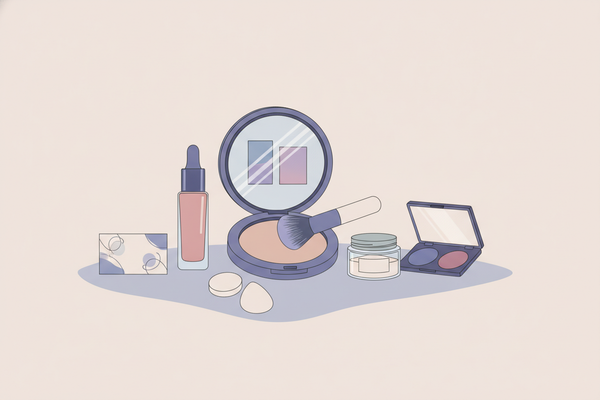
Smart makeup investments involve applying thoughtful purchasing principles to your beauty regimen, with an emphasis on sustainability and innovation as of 2026. Instead of chasing every new palette or drugstore bargain, you may prioritize products that offer sustained performance, versatility, durability, and align with eco-conscious values. This approach encourages curating a compact, high-quality makeup collection rather than accumulating many fleeting trends.
- Durability – products designed for long wear, stable pigments, and extended shelf life, sometimes enhanced by preservative technologies and packaging innovations that reduce product contamination
- Versatility – multi-use cosmetics (e.g., cream blush that can also be used as lip tint or eyeshadow), with some brands offering customizable palettes and refillable options
- High performance – consistent pigmentation, easy blending, dependable coverage, and formulations that perform well under various environmental conditions
Why this matters: moving from impulse buys to a curated, cost-efficient, and sustainable collection can help reduce clutter and waste. You may gain confidence that each purchase meets practical and aesthetic needs, aligns with your skin type, lifestyle, and beauty goals, and supports ethical practices.
Source: GripInvest blog post on smart investing
Section 2: How to Budget Your Makeup Expenses Effectively
Heading: How to Budget Your Makeup Expenses Effectively
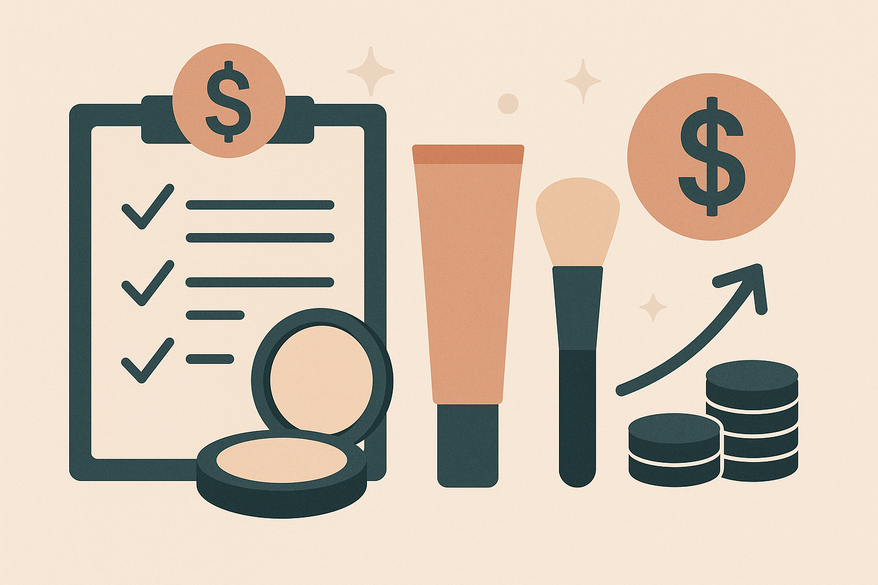
Effective budgeting lays the foundation for smart makeup investments. In 2026, this can involve integrating AI-powered tools that provide personalized spending insights and reminders, helping to manage your expenses and ensure each purchase supports your beauty plan.
Step-by-Step Budgeting Strategy:
- Set a Fixed Budget – Decide on a monthly or quarterly limit (e.g., $60 per month or $180 per quarter), adjusting for inflation and personal financial goals.
- Categorize Purchases – Essentials: daily staples like foundation, concealer, mascara; Occasional Splurges: limited editions, luxury palettes, or premium skincare-makeup hybrids that may incorporate ingredients like peptides or adaptogens.
- Track Spending – Use budgeting apps (Mint, YNAB, or AI-driven platforms like Cleo or Emma) to record each purchase; many apps sync with your bank and provide alerts when approaching budget limits.
- Shop Strategically – Take advantage of seasonal sales (Black Friday, end-of-season markdowns), online flash sales, and membership perks; join loyalty programs for reward points and discounts; clip coupon codes from beauty newsletters and influencer collaborations.
- Implement a 48-Hour “Cool-Off” Period – Wait two days before buying non-essential items to help curb impulse expenses, using app reminders if helpful.
Real-Life Tip: Review the last three months of makeup receipts or app purchase history. Calculate the average monthly spend. Use that figure to set your budget. This can help gain control over impulse buys and ensure every purchase aligns with your makeup goals.
Why Budgeting Matters: Proper budgeting supports smart makeup investments by helping to prevent overspending and guiding you toward quality items that fit your needs.
Section 3: Why Prioritizing Quality Over Quantity Saves You Money
Heading: Why Prioritizing Quality Over Quantity Saves You Money
Investing in high-quality, long-wear cosmetics may cost more upfront but can lead to savings over time. By choosing superior formulations and ethical brands, you might reduce repurchase frequency, minimize waste, and enjoy a healthier beauty routine.
- Superior Formulations – may require less product per application, resist oxidation or creasing, and sometimes include skin-beneficial ingredients like antioxidants and hyaluronic acid
- Better Pigmentation – one swipe can deliver full coverage, reducing the need to reapply or buy extras; some brands use innovative pigment technology for enhanced color payoff
- Ethical Standards – cruelty-free testing, clean ingredients, sustainable sourcing, and carbon-neutral packaging often reflect a brand’s commitment to quality and responsibility
For high-end results on a budget, see top luxury dupes, updated with 2026 product recommendations.
Section 4: Top Tips for Smart Investment in Makeup Products
Heading: Top Tips for Smart Investment in Makeup Products
Introducing smart makeup investments into your beauty routine means combining due diligence with savvy shopping habits. Here are four actionable tips to get you started:
- Research Before You Buy
Consult beauty blogs and vlogs like Into The Gloss, The Beauty Look Book, and Caroline Hirons; use review aggregators (MakeupAlley, TotalBeauty, and platforms like Influenster) to weigh pros and cons; cross-reference ingredient lists and performance notes to align products with your skin needs. - Stay Trend-Aware, Not Trend-Driven
Observe runway and editorial looks, then adapt only those that fit your skin tone, climate, and lifestyle; avoid chasing every viral shade or texture, especially transient social media trends. - Use Samples, Travel Sizes, and In-Store Testers
Request free samples at Sephora, Ulta, and brand boutiques; subscribe to curated beauty boxes (e.g., Ipsy, Sephora Play) to try new products risk-free; sanitize testers before trying on skin, or use single-use applicators in-store. - Leverage Peer Reviews and User Ratings
Filter star ratings by skin type, oiliness, or dryness; look for verified-purchase badges to help ensure feedback comes from real buyers; join dedicated forums and social media groups for in-depth discussions.
Section 5: Case Studies: Real-Life Examples of Successful Smart Makeup Investments
Heading: Case Studies: Real-Life Examples of Successful Smart Makeup Investments
Seeing savings in action can help illustrate the potential benefits of strategic cosmetics spending. These mini-profiles show examples of how smart makeup investments might enhance your beauty routine and budget.
Mini-Profile 1: IT Cosmetics CC Cream
• Multi-Benefit Formula: replaces primer, foundation, and SPF (30+ SPF coverage).
• Average Price: approximately $40 (2026 price); lasts 3–4 months with daily use.
• Savings Consideration: a drugstore SPF + primer + foundation combo might cost around $42. IT Cosmetics consolidates three products into one tube, potentially saving time and money while providing anti-aging ingredients and updated formulations.
Mini-Profile 2: Kiehl’s Creamy Eye Treatment
• Retail Price: approximately $50 (2026 price).
• Longevity: a pea-sized amount nightly may last over 6 months.
• Cost-Per-Use: approximately $0.27 per application. Comparable eye creams often cost more per use.
Anecdotal Example:
Makeup enthusiast “Emma” tracked her habits for six months. She discovered spending $80 monthly on six $15 drugstore eyeshadow palettes. Emma shifted to one $65 neutral palette with lasting pigments and refillable pans.
• Old Cost: 6 palettes every two months = $90/month, $1,080/year.
• New Cost: 1 high-end palette every four months = $195/year.
Estimated Annual Savings: $885.
Section 6: Essential Resources & Tools for Smart Makeup Investments
Heading: Essential Resources & Tools for Smart Makeup Investments
- SkinMatch Technology (AI-Driven Ingredient Analysis)
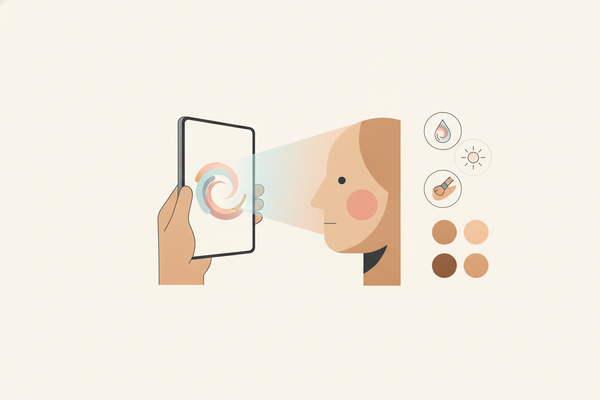
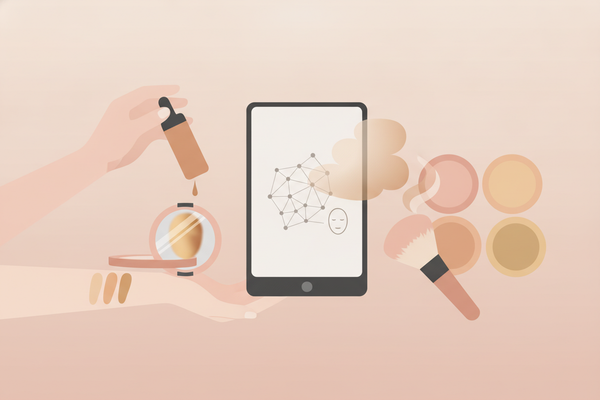
Scans product ingredients and flags potential irritants; offers clean-beauty scores and custom recommendations; use weekly scans of new purchases to help ensure compatibility with your skin. Updated 2026 tools include Makeup Check AI’s advanced skin compatibility engine that integrates with your purchase history. Source: this SkinMatch blog post - Budgeting Apps (Mint, YNAB, Cleo, Emma)
Create a “Beauty” category and set spending limits; enable notifications for approaching budget caps; sync with bank accounts or manually log transactions; many now feature AI-driven insights and spending forecasts. - Review Sites & Price-Comparison Platforms (Temptalia, Beauty Bay, Influenster)
Check detailed swatches under different lighting conditions; compare international prices to find deals; save favorite products to track price drops and flash sales. - Online Communities (r/MakeupAddiction, BeautySubreddit, Facebook Groups, TikTok Beauty Circles)
Post product prompts to gather feedback; search community archives for real-user photos and wear reports; organize swap meets for sample trading; some host live Q&A sessions with makeup artists. - For a detailed cost breakdown of makeup spending, refer to complete cost breakdown guide, updated with 2026 market prices and trends.
Conclusion
Smart makeup investments combine thoughtful research, disciplined budgeting, and quality-driven purchasing. You now know how to:
- Define and identify budget-friendly, high-performance cosmetic staples that align with 2026 beauty innovations and sustainability considerations
- Build and maintain a clear makeup budget using AI-enhanced apps and spreadsheets
- Evaluate makeup quality through formulation, ingredients, longevity, usability, and reputation, with attention to eco-conscious brands
- Apply top tips like using samples, reading peer reviews, and staying trend-aware without succumbing to fleeting fads
- Draw inspiration from real-life case studies that showcase potential savings and smarter routines
- Utilize essential tools—AI ingredient scanners, price-comparison sites, and community forums—to optimize your beauty investments
By adopting these strategies, you can enjoy a streamlined makeup collection, reduced waste, and enhanced satisfaction. Start today by setting your first monthly makeup budget or requesting a sample of a product on your wish list. Here’s to smarter beauty choices and lasting value with smart makeup investments.
For personalized makeup recommendations and AI-driven analysis, explore Makeup Check AI.
FAQ
Q: What qualifies as a smart makeup investment?
A: A product that offers versatility, durability, high performance, and aligns with your skin and ethical preferences, helping you make informed choices that may save time and money over the long term.
Q: How can I determine my monthly makeup budget?
A: Review your past spending for at least three months, calculate the average, then set a realistic monthly cap and track each purchase using budgeting apps or spreadsheets.
Q: Are high-end makeup products always worth the price?
A: Not always. Focus on product performance, ingredient quality, sustainability, and long-term value rather than price alone. Consider using samples, peer reviews, and AI ingredient analysis to make informed decisions.