"non-comedogenic" "exfoliating acids" primer makeup: Step-by-Step Prep for Flawless Skin
The exact skincare-before-makeup order: cleanser, exfoliating acids, moisturizer, SPF and primer - non-comedogenic picks and the waiting times that stop pilling.

Estimated reading time: 15 min
Key Takeaways
- Proper skincare before makeup begins with cleansing, exfoliation, and hydration tailored to your skin type, supporting a healthy and receptive skin surface.
- Applying moisturizer and sunscreen correctly helps set the foundation for makeup longevity, protecting skin health and enhancing overall finish.
- Choosing a primer suited to your skin type can enhance makeup application, help control shine or dryness, and may extend wear time.
- Waiting an appropriate amount of time between skincare and makeup application can help prevent cakey or uneven makeup by allowing products to absorb fully.
- Personalized skincare and makeup prep routines can improve results for oily, dry, and combination skin by addressing unique concerns effectively.
Table of Contents
- Section 1: The Essential Skincare Routine Before Makeup
- Section 2: Tailoring Skin Prep for Different Skin Types
- Section 3: The Role of Primer in Your Makeup Routine
- Section 4: Timing and Order — How to Layer Skincare and Makeup
- Section 5: Common Skin Prep Mistakes That Cause Makeup to Look Cakey
- Section 6: Boosting Makeup Longevity Through Smart Skin Prep
Conclusion
FAQ
Section 1: The Essential Skincare Routine Before Makeup
Cleansing – The First Step to a Smooth Canvas
Starting your makeup routine with a clean face is important for achieving a smooth finish. Cleansing removes dirt, oil, sweat, pollution particles, and residual makeup from previous applications that can interfere with makeup adhesion and potentially clog pores. The choice of cleanser depends on your skin type and concerns:
- Oily skin: Gel-based cleansers with salicylic acid (a BHA) may help dissolve excess sebum and reduce pore congestion without stripping moisture.
- Dry skin: Cream or balm cleansers with emollients like shea butter or ceramides gently cleanse without disrupting the skin’s natural oils.
- Combination skin: Gentle foaming cleansers balance cleansing power with hydration, targeting oily zones while preserving dry areas.
For all skin types, cleansing twice daily (morning and night) is generally recommended, but on makeup days, the morning cleanse should be gentle to avoid over-drying. Using lukewarm water rather than hot water can help prevent skin irritation and dehydration.
Exfoliation – Creating a Smooth Base
Exfoliation helps remove dead skin cells that can cause uneven texture, flakiness, and patchy makeup application. However, exfoliation should be done carefully to avoid irritation:
- Chemical exfoliants: AHAs (alpha hydroxy acids like glycolic or lactic acid) and BHAs (like salicylic acid) gently dissolve the bonds between dead cells. For normal to dry skin, AHAs may help boost hydration. BHAs can be suitable for oily, acne-prone skin due to their oil-solubility and anti-inflammatory properties.
- Frequency: Use chemical exfoliants 1-2 times per week depending on sensitivity. Over-exfoliating can cause redness, sensitivity, and barrier damage, which may negatively affect makeup wear.
- Physical scrubs: Generally avoid on makeup days as they can create micro-tears and exacerbate dry patches or irritation, potentially leading to cakey makeup.
For best results, exfoliate the night before a heavy makeup day rather than the same morning, allowing skin time to recover and balance.
Toner and Hydrating Mists – Extra Hydration and Balance
After cleansing and exfoliating, applying a toner or hydrating mist can help restore the skin’s pH balance, soothe irritation, and provide an extra boost of hydration. It may also prime the skin to better absorb serums and moisturizers applied afterward.
- Choose alcohol-free toners containing soothing ingredients like rose water, aloe vera, chamomile, or green tea extract to calm skin.
- Hydrating mists with hyaluronic acid or glycerin can be lightly spritzed throughout the day to refresh makeup and maintain moisture.
- Use toner immediately after cleansing to help prepare the skin for subsequent products.
Key products for this stage include a gentle cleanser, a mild chemical exfoliant used as needed, and a hydrating toner or mist. This routine, when followed consistently, can help create a smooth, even skin surface that supports makeup application.
Section 2: Tailoring Skin Prep for Different Skin Types
How to Prep Oily Skin for Makeup
Oily skin can cause makeup to slide off or look shiny within hours. The goal is to balance oil control with adequate hydration:
- Cleansing: Use foaming or gel cleansers with oil-controlling ingredients like salicylic acid or tea tree oil. Avoid harsh stripping cleansers that can trigger increased oil production as a rebound effect.
- Moisturizing: Choose lightweight, oil-free, non-comedogenic moisturizers containing ingredients such as niacinamide or hyaluronic acid. These hydrate without clogging pores or adding shine.
- Priming: Incorporate mattifying primers with oil-absorbing powders such as silica, kaolin clay, or dimethicone. These may help reduce shine and blur pores.
- Additional tips: Use blotting papers during the day to manage shine without disturbing makeup. Incorporate weekly clay masks to detoxify pores.
Proper prep may help extend the wear of foundation for oily skin types, potentially reducing midday touch-ups.
How to Prep Dry Skin for Makeup
Dry skin lacks natural oils and moisture, which can lead to flaky patches, dullness, and makeup that clings unevenly. The focus is on replenishing hydration and supporting the skin barrier:
- Cleansing: Use creamy or balm cleansers enriched with hydrating ingredients like ceramides, squalane, or glycerin. Avoid harsh foaming cleansers that strip natural oils.
- Serums: Incorporate hydrating serums with hyaluronic acid to attract and retain moisture or vitamin C for brightening and antioxidant protection.
- Moisturizing: Apply rich, nourishing moisturizers that contain occlusive agents such as shea butter, petrolatum, or fatty acids to help lock in hydration. Layering a facial oil on top can further seal moisture.
- Primers: Opt for hydrating or illuminating primers with ingredients like glycerin or squalane to create a dewy base and smooth surface.
- Additional tips: Use humidifiers in dry environments and avoid hot showers that exacerbate dryness.
Well-moisturized dry skin can help makeup appear more even and radiant, potentially reducing patchiness and flaking.
Prep Tips for Combination Skin
Combination skin requires a strategic approach to balance oiliness and dryness across different facial zones:
- Cleansing: Use gentle cleansers that do not strip moisture but effectively remove excess oil from the T-zone.
- Moisturizing: Apply lightweight, hydrating moisturizers, and consider spot-treating dry areas with richer creams or oils.
- Primers: Use dual-action primers or layering techniques — mattifying primers on the oily T-zone and hydrating primers on dry cheeks.
- Additional tips: Blot oily zones during the day and refresh dry areas with hydrating mists.
Customized product choices based on skin type can improve makeup application and wear. Consider consulting AI beauty apps like Makeup Check AI for personalized skincare and makeup recommendations tailored to your unique skin profile and concerns.
Section 3: The Role of Primer in Your Makeup Routine
Why Primer Matters
Primer acts as a bridge between skincare and makeup. Beyond smoothing the skin surface, it serves multiple functions that may enhance makeup performance:
- Pore Minimization: Primers can fill in pores and fine lines, creating an even canvas that helps prevent foundation from settling unevenly.
- Oil Control: For oily skin, mattifying primers absorb excess sebum, which may reduce shine and makeup breakdown.
- Hydration: For dry skin, hydrating primers add moisture and a subtle glow, helping to prevent flakiness and patchiness.
- Longevity: Primers can improve the adherence of foundation and other makeup, potentially extending wear time depending on formulation and skin type.
Using a primer appropriate for your skin type can positively impact the overall appearance and durability of your makeup.
Choosing the Best Primer for Your Skin Type
Select primers formulated to address your specific skin needs:
- Oily Skin: Use mattifying primers containing ingredients like silica, kaolin clay, or dimethicone that absorb excess oil and reduce shine. Examples include Smashbox Photo Finish Oil & Shine Control or Benefit POREfessional Matte Rescue.
- Dry Skin: Opt for hydrating or illuminating primers with glycerin, squalane, or hyaluronic acid, which add moisture and create a radiant complexion. Examples include Too Faced Hangover Replenishing Face Primer or Laura Mercier Radiance Primer.
- Combination Skin: Choose lightweight, balancing primers that provide hydration without excessive shine, such as Becca Ever-Matte Poreless Priming Perfector or Hourglass Veil Mineral Primer.
For a detailed guide on primers, check out our post on Best Primer for Your Skin Type, which includes product recommendations and application techniques.
Primer Application Tips
- Apply a thin, even layer of primer after moisturizer and sunscreen for optimal adhesion.
- Focus on areas prone to fading, creasing, or oiliness — commonly the T-zone, around the nose, and under the eyes.
- Use clean fingertips or a makeup sponge for gentle blending to avoid disrupting underlying products.
- Allow primer to set for at least one minute before applying foundation to help ensure a smooth, tack-free base.
Section 4: Timing and Order — How to Layer Skincare and Makeup
Correct Order of Skincare Before Makeup
Applying skincare and makeup in the correct order supports product efficacy and a smooth finish. The recommended morning sequence is:
- Cleanser: Removes impurities and prepares skin.
- Exfoliation: (1-2 times weekly) removes dead skin cells.
- Toner or Hydrating Mist: Balances pH and adds moisture.
- Serums: Targeted treatments like hyaluronic acid for hydration or vitamin C for brightening.
- Moisturizer: Locks in hydration and supports skin barrier.
- Sunscreen (SPF 30 or higher): Protects against UV damage, applied generously (about a nickel-sized amount for face and neck).
- Primer: Creates a smooth surface for makeup application.
- Foundation and Makeup: Final layer for desired coverage and finish.
This order helps each product absorb properly and perform its intended function without interference. For example, applying sunscreen before primer helps maintain UV protection.
How Long to Wait Between Skincare and Makeup Application
Allowing time between each product lets your skin absorb ingredients and can help prevent pilling or cakey texture:
- Wait approximately 60 seconds after serums, moisturizers, and primers to allow absorption and setting.
- For sunscreen, waiting about 15 minutes before applying primer or foundation is generally recommended to allow full SPF efficacy and film formation on the skin.
- If layering multiple serums (e.g., vitamin C followed by hyaluronic acid), wait about 30 seconds between each.
- Using a lightweight moisturizer on oily skin may allow for a slightly shorter wait time, but patience generally improves makeup longevity.
Rushing through these steps can lead to product mixing, uneven texture, and makeup that breaks down faster.
Why Sunscreen Goes Before Primer
Sunscreen is the critical last step of your skincare routine because it forms a protective barrier against harmful UVA and UVB rays. Applying primer after sunscreen helps smooth and prepare the skin without disrupting the protective layer. This order:
- Supports maximum UV protection, as primers and makeup can dilute or disturb sunscreen if applied first.
- Helps primers adhere better to the skin surface rather than to sunscreen residues.
- Maintains the integrity of both sunscreen and primer, optimizing skin health and makeup appearance.
For those using chemical sunscreens, waiting the recommended 15 minutes before makeup application allows the active ingredients to bind to the skin effectively.
Section 5: Common Skin Prep Mistakes That Cause Makeup to Look Cakey
Overloading Products
One common mistake is applying too much product at each step, especially moisturizer, primer, or foundation. Thick layers can cause makeup to cake, crack, or look patchy. To avoid this:
- Apply thin, even layers, building coverage gradually as needed.
- Use about a pea-sized amount of moisturizer and a dime-sized amount of primer for the entire face.
- For foundation, start with a small amount and layer in thin coats rather than one heavy application.
- Remember that less is often more, especially for oily or combination skin types.
Insufficient Absorption Time
Rushing through the layering process can cause product pilling, where creams or primers ball up on the skin when foundation is applied too soon. This results in uneven texture and patchy makeup. To prevent this:
- Wait at least 60 seconds after each product to allow full absorption.
- Use gentle patting motions rather than rubbing to help products settle evenly.
- Especially for sunscreen, wait the full 15 minutes before applying makeup.
Skipping Exfoliation or Using Harsh Scrubs
Dead skin cells and rough texture create a bumpy base that makeup may not adhere to evenly. Over-exfoliating or using abrasive scrubs can irritate the skin, causing redness, dryness, and flakiness, which can negatively impact makeup finish. To optimize exfoliation:
- Use gentle chemical exfoliants 1-2 times a week rather than daily.
- Avoid physical scrubs on days when you plan heavy makeup or if skin is sensitive.
- Incorporate nourishing masks or treatments to support barrier function post-exfoliation.
Using the Wrong Moisturizer or Primer
Mismatching your skincare products with your skin type can lead to issues such as oiliness, dryness, or uneven finish. For example:
- Using heavy, occlusive creams on oily skin can clog pores and cause makeup to slide off.
- Applying mattifying primers on dry skin can exacerbate flakiness and dullness.
- Not adjusting product choice seasonally; skin can be oilier in summer and drier in winter.
Learn more about preventing cakey makeup in our detailed post Why Does My Makeup Look Cakey? Step-by-Step Skin Prep & App Solutions, which includes practical tips and product recommendations.
Section 6: Boosting Makeup Longevity Through Smart Skin Prep
Hydration for Lasting Makeup
Hydrated skin creates a plump, smooth surface that foundation can adhere to without settling into fine lines or cracking. Key hydration strategies include:
- Using serums with humectants like hyaluronic acid, which attract moisture from the environment into the skin layers.
- Applying moisturizers suited to your skin type that help lock in hydration and support the skin barrier.
- Layering hydrating primers to create a cushiony base.
- Drinking adequate water daily to support skin hydration from within.
Well-hydrated skin may help extend foundation wear and maintain a natural, radiant finish throughout the day.
Using Setting Techniques
After makeup application, setting techniques can help lock in your look and prevent transfer or fading:
- Setting Powders: Translucent powders applied lightly over foundation absorb excess oil and reduce shine, especially useful for oily skin.
- Setting Sprays: Misting a setting spray with ingredients like glycerin or aloe vera can meld makeup layers together and provide a dewy or matte finish depending on formula.
- Touch-ups: Carry blotting papers or compact powders for midday refresh without layering heavy product.
Proper skin prep can reduce reliance on heavy setting products, allowing makeup to look natural and feel comfortable.
Personalized Skin Prep with AI Tools
Technology can be a helpful ally in optimizing your beauty routine. Apps like Makeup Check AI use algorithms and image analysis to evaluate your skin condition and recommend personalized skincare and makeup regimens tailored to your unique features and concerns.
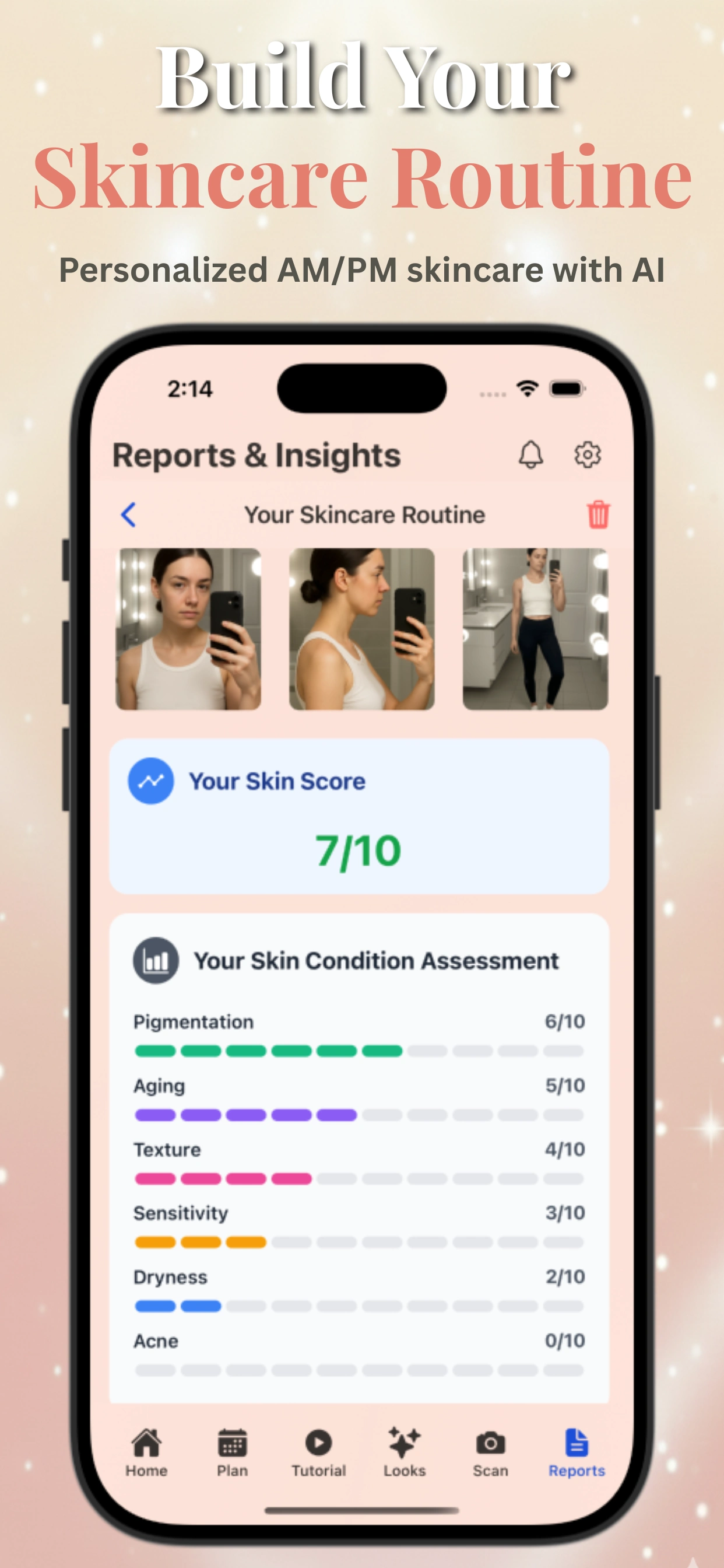
By integrating AI into your beauty regimen, you can simplify decisions about skin prepping and product selection, helping your makeup look its best and last longer. These tools can also track skin improvements over time and suggest adjustments as needed, supporting consistent skin health.
Conclusion
Skincare before makeup is an important foundation for a smooth, long-lasting look. Starting with cleansing, exfoliation, and hydration tailored to your skin type helps prepare the skin for makeup application and may enhance makeup adherence. Choosing the right moisturizer, sunscreen, and primer can support makeup longevity and protect skin health. Timing between layers is important; waiting adequate time can help prevent cakey or patchy finishes. Avoid common mistakes like overloading products, rushing application, skipping exfoliation, or using mismatched products.
Personalized routines optimized with AI beauty apps like Makeup Check AI can assist in creating a daily prep routine that supports radiant skin and makeup that stays fresh throughout the day. With consistent, tailored care, your makeup can look better and support your skin’s health.
FAQ
Q: What is the correct order of skincare before makeup?
A: The recommended order is cleanser, exfoliation (as needed), toner or mist, serums, moisturizer, sunscreen, then primer before applying makeup. This sequence helps each product absorb properly and provides a good base for makeup.
Q: Do you need moisturizer before makeup if you have oily skin?
A: Yes, even oily skin benefits from hydration to balance sebum production. Use a lightweight, oil-free moisturizer to maintain moisture without clogging pores or adding unwanted shine.
Q: Should sunscreen go before or after primer?
A: Sunscreen should be applied before primer to ensure full UV protection. Primer then smooths the skin surface without disrupting the sunscreen layer.
Q: How long should you wait after skincare before applying makeup?
A: Waiting about 60 seconds between products allows absorption, and waiting at least 15 minutes after sunscreen application helps it set properly for effective sun protection.
Q: Is toner necessary before makeup?
A: While not mandatory, toner or hydrating mist can help balance skin pH and improve absorption of serums and moisturizers, which may lead to better makeup application and longer wear.
Q: What skincare makes foundation look smooth and last longer?
A: Hydrating serums like hyaluronic acid, moisturizers suited to your skin type, and primers designed for your specific needs can create a smooth base that supports foundation wear and enhances finish.