Best Primer for Your Skin Type: Step-by-Step Prep for Flawless Makeup
Find the best primer for your skin type, from oily to dry to sensitive. Learn how to prep skin for makeup, avoid cakey looks, and make makeup last all day.

Estimated reading time: 10 min
Key Takeaways
- Choosing the best primer for your skin type can help improve the look and longevity of your makeup.
- Prepping your skin with the right skincare routine may help prevent cakey, uneven makeup.
- Primer finishes and ingredients should be selected to suit your skin's unique needs—mattifying for oily, hydrating for dry, and so on.
- Proper application techniques and amounts can make a noticeable difference in how your makeup wears.
Wondering how to make your makeup last all day and avoid that dreaded cakey look? It often starts with choosing the best primer for your skin type and prepping your skin with care. This guide breaks down everything you need to know—from skincare routines before makeup, to primer ingredients, finishes, and application tips. Whether you have oily, dry, combination, sensitive, or mature skin, we’ll help you find your ideal prep and primer match so your makeup looks smooth and fresh for hours.
1. How to Prep Skin for Makeup by Skin Type
The secret to a flawless face isn’t just foundation—it’s in the prep. Begin with a gentle cleanser suited to your skin. Oily types may benefit from foaming or gel cleansers, while dry or mature skin often prefers creamy, hydrating options. Always follow with a moisturizer to create a smooth base; lightweight, oil-free for oily skin, richer creams for dry skin. If you have sensitive or combination skin, look for fragrance-free, non-comedogenic formulas.
- Oily skin: Consider a mattifying moisturizer, avoid heavy oils.
- Dry skin: Layer on a hyaluronic acid serum before moisturizer.
- Sensitive skin: Opt for minimal-ingredient, soothing products.
Don’t skip sunscreen (even under makeup)—choose non-greasy formulas to avoid slip or pilling. For a personalized skincare routine before makeup, apps like Makeup Check AI can analyze your skin and recommend the best products for each step.
2. Best Primer for Oily Skin
If shine and makeup breakdown are your biggest complaints, look for mattifying primers that help absorb oil without clogging pores. Ingredients like silica and dimethicone may help blur pores and reduce sebum appearance. Popular options include Benefit POREfessional and Smashbox Photo Finish Mattify Primer.
- Key ingredients: Silica, mattifying clays, niacinamide
- Avoid: Heavy oils, dewy or illuminating finishes
- Application tip: Press primer into the T-zone with your fingertips; don’t rub
For more on makeup for oily skin and virtual try-on tools, check out AR Beauty Try On: The Future of Virtual Makeup and Skincare.
3. Best Primer for Dry Skin
Dry or flaky skin often benefits from hydrating primers that create a cushion for makeup, helping to prevent patchiness. Look for formulas with hyaluronic acid, glycerin, or squalane. Milk Makeup Hydro Grip Primer and Too Faced Hangover Primer are popular options—they aim to lock in moisture and help makeup apply more smoothly.
- Key ingredients: Hyaluronic acid, glycerin, squalane
- Avoid: Alcohols, astringents, overly matte formulas
- Application tip: Allow primer to absorb for 1-2 minutes before applying foundation
If your makeup looks cakey or flaky, ensure your skin is well-hydrated before primer, and never skip moisturizer. Try scanning your skin with Makeup Check AI for a tailored hydration plan before makeup.
4. Best Primer for Combination Skin
Combination skin can be tricky—you may need more than one primer. Use a mattifying primer on oily areas (usually the T-zone) and a hydrating primer on dry patches. Multi-priming can help achieve balanced, all-day wear.
- Key ingredients: Niacinamide for balancing, lightweight silicones
- Avoid: Heavy, greasy formulas
- Tip: Apply different primers to different zones as needed for a tailored effect
Test your skin’s needs with a selfie and AI analysis using apps like Makeup Check AI, which can suggest where to apply each type for best results.
5. Best Primer for Sensitive Skin
If your skin reacts easily, choose fragrance-free, hypoallergenic primers with soothing ingredients. Look for products with niacinamide, centella asiatica, or aloe vera. Avoid alcohol, strong acids, and heavy fragrance.
- Key ingredients: Niacinamide, panthenol, aloe vera
- Avoid: Fragrance, denatured alcohol, essential oils
- Tip: Patch test on your jawline before full application
Some options include Tatcha The Silk Canvas (fragrance-free version) and First Aid Beauty Coconut Skin Smoothie Primer. For more tips on smart, sensitive-friendly beauty routines, see AI Makeup: The Future of Personalized Beauty Routines.
6. Best Primer for Mature Skin
Mature skin may benefit from blurring, hydrating primers that help smooth the appearance of fine lines and add luminosity. Look for squalane, peptides, and light-reflecting pigments. Avoid thick, overly matte formulas that can settle into lines.
- Key ingredients: Squalane, peptides, light-diffusing mica
- Avoid: Heavy mattifiers, drying alcohols
- Tip: Focus application on areas with visible texture or dullness
Try Laura Mercier Pure Canvas Primer (Illuminating) or L'Oréal Age Perfect Blurring Primer. A tailored routine from Makeup Check AI can help you update your prep as your skin changes.
7. Key Primer Ingredients by Skin Concern
What’s inside your primer matters. Here’s a quick guide to ingredients that address specific skin issues:
- Hyaluronic acid: Hydrates and plumps dry or mature skin
- Glycerin: Draws moisture into the skin, helpful for flakiness
- Niacinamide: May help balance oil, soothe redness, and even tone
- Silica: Absorbs oil, blurs pores (often used for oily skin)
- Squalane: Lightweight hydration for all skin types
Avoid common irritants: fragrance, denatured alcohol, and heavy essential oils, especially if your skin is sensitive or reactive.
8. Primer Finishes: What Your Skin Type Needs
Finish matters as much as formula. Choose based on your desired look and skin’s needs:
- Mattifying: Helps control shine, often preferred for oily/combination skin
- Hydrating: Adds moisture, may help prevent flakiness for dry or mature skin
- Blurring: Minimizes the appearance of pores and fine lines, suitable for all types
- Glowing/Illuminating: Gives luminosity, can brighten dull or mature skin
For a step-by-step breakdown of how to achieve your ideal finish, explore tutorials in the Makeup Check AI app or see AI Makeup Tutorial: Your Guide to Smart Beauty Routines.
9. Ingredients and Formulas to Avoid by Skin Type
Even the best primer for your skin type can cause issues if it contains the wrong ingredients. Here’s what to consider avoiding:
- Oily skin: Avoid coconut oil, petrolatum, heavy waxes
- Dry skin: Consider skipping alcohol, astringents, and strong mattifiers
- Sensitive skin: Avoid fragrance, essential oils, and chemical sunscreens if you are sensitive to them
- Mature skin: Try to avoid drying alcohols and powders that may settle into lines
Read ingredient lists carefully, especially if you notice recurring breakouts or irritation. For help decoding formulas, Makeup Check AI’s ingredient analyzer can spotlight what to love and what to avoid.
10. How to Apply Primer Correctly
Applying primer the right way can make a difference. Here’s how to maximize its benefits:
- Use a pea-sized amount—too much can cause pilling
- Warm it between your fingers and press gently onto the skin
- Focus on areas with texture—T-zone, cheeks, or wherever makeup tends to break down
- Let primer set for 1-2 minutes before moving to foundation
Don’t forget: the goal is a thin, even layer. Over-applying primer can cause makeup to crease or look cakey. For more technique tips, try a video analysis with Makeup Check AI to get personalized feedback on your application.
Conclusion
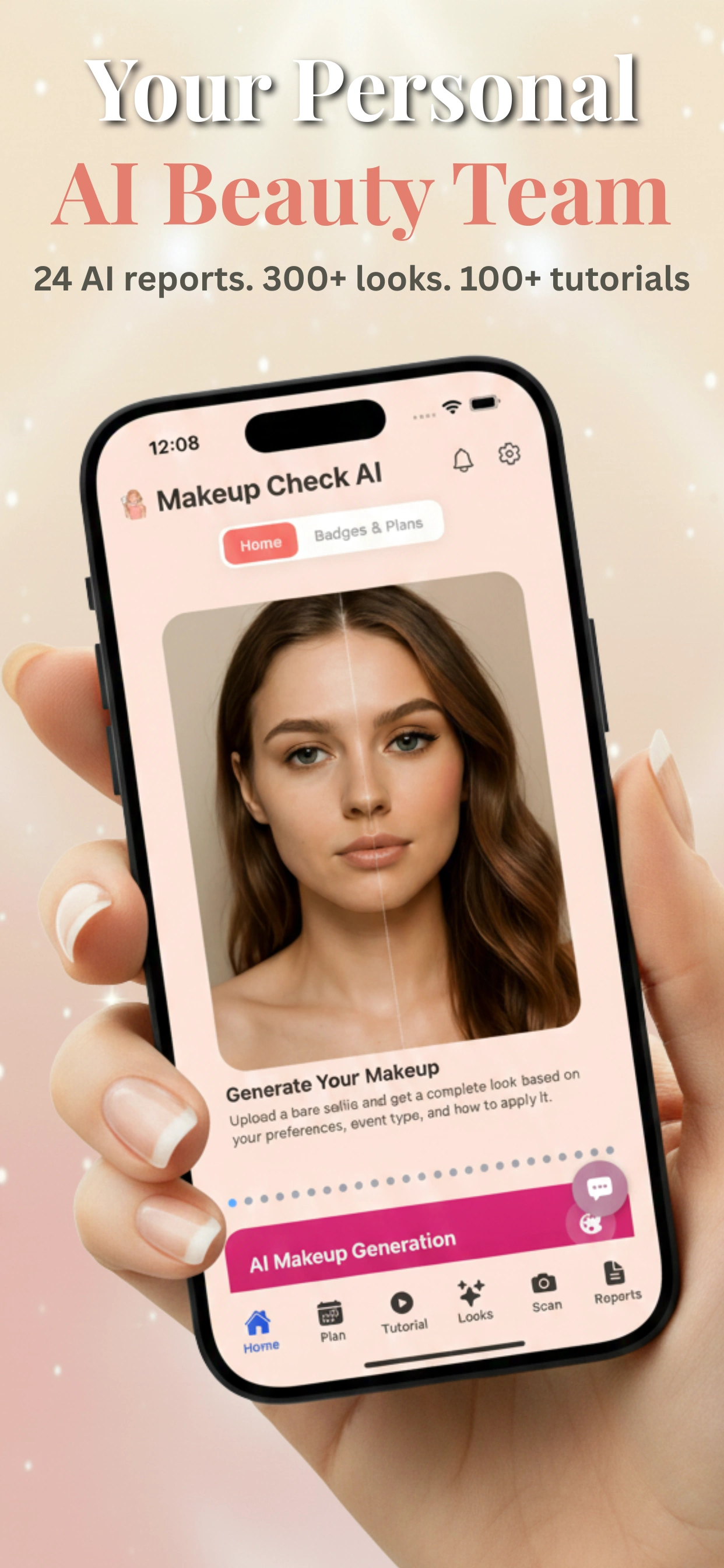
Finding the best primer for your skin type and prepping your skin properly is an important step for many makeup routines. Tailor your routine to your unique needs—cleanse, moisturize, prime—and choose products with ingredients and finishes that suit your skin. With smart tools like Makeup Check AI, you can scan your skin, get personalized product picks, and even learn how to apply them for lasting, smooth results. Ready to glow?
FAQ
Q: What primer should I use for my skin type?
A: Select a primer based on your skin’s needs: mattifying with silica or niacinamide for oily skin, hydrating with hyaluronic acid or glycerin for dry skin, fragrance-free and soothing for sensitive skin, and blurring or illuminating for mature skin. Combination skin may benefit from using different primers on different zones.
Q: Which primer is best for oily skin?
A: Opt for oil-free, mattifying primers with ingredients like silica or clay. These can help control shine and keep makeup in place. Avoid heavy oils and illuminating primers.
Q: What primer is best for dry skin and makeup that looks flaky?
A: Look for hydrating primers with hyaluronic acid, glycerin, or squalane. These may help prevent flakiness and help makeup go on smoothly. Always moisturize before primer for best results.
Q: Can you use the same primer on combination skin?
A: You can, but for best results, apply a mattifying primer on oily areas (like the T-zone) and a hydrating primer on dry patches. Multi-priming can help balance your skin’s needs.
Q: What ingredients should I look for in a face primer?
A: For hydration: hyaluronic acid, glycerin, squalane. For oil control: silica, niacinamide. For sensitive skin: niacinamide, panthenol, fragrance-free formulas. Avoid alcohol and strong fragrances if you’re sensitive.
Q: How much primer should I use before foundation?
A: Use a pea-sized amount for your whole face. Too much can cause pilling or cakey makeup. Apply evenly and let it set before adding foundation.