Selfie vs Real Life Makeup: Bridging the Gap with AI Makeup Generator
Explore how AI makeup generators can help bridge the gap between selfie and real life makeup, enhancing your beauty routine both online and offline.

Estimated reading time: 8 minutes
Key Takeaways
- Selfie makeup often emphasizes features for 2D photos, whereas real-life makeup typically focuses on subtlety and dimension.
- Lighting, camera angles, and filters create differences between on-screen and in-person looks, requiring distinct approaches.
- AI makeup generators in 2026 utilize facial landmark detection and machine learning to provide realistic, customizable virtual trials.
- Combining traditional makeup techniques with AI tools can save time, reduce product waste, and enhance creative expression.
- Practical tips and updated app recommendations help you achieve makeup that looks good both on-screen and in real life.
Table of Contents
- Section 1: The Makeup Paradox: Selfie vs Real Life Makeup
- Section 2: The Impact of Technology on Selfie vs Real Life Makeup
- Section 3: Spotlight on AI Makeup Generator
- Section 4: Practical Tips for Selfie vs Real Life Makeup
- Conclusion
Section 1: The Makeup Paradox: Selfie vs Real Life Makeup
Defining the Two Styles
- Selfie makeup: Often involves contouring, bold eyeshadow, and defined lips designed to emphasize features in flat, 2D images captured by smartphone cameras.
- Real life makeup: Typically focuses on subtle color matching, seamless blending, and natural highlights to complement three-dimensional facial structure under diverse lighting conditions.
Lighting Effects on Appearance
- Ring lights and LED panels provide uniform, diffuse illumination that minimizes shadows and softens skin texture for selfies.
- Natural and ambient light reveal skin texture and imperfections, which can make heavy or poorly blended makeup appear cakey or harsh.
Camera Angles & Lens Distortion
- Wide-angle selfie lenses, especially on front-facing smartphones, can exaggerate nose size and flatten cheeks due to proximity and lens curvature.
- Some apply heavier contouring to counteract distortion, but this can result in makeup that looks stark or unnatural in person.
Filters & Digital Editing
- Skin-smoothing filters can reduce the appearance of pores and fine lines, while color-enhancing filters intensify lip and cheek pigments for selfies.
- Augmented reality (AR) makeup overlays allow users to virtually try on vibrant liners, glitter glosses, and other effects that may be difficult to replicate fully with physical products. For more, see our virtual try-ons.
Surface vs. Depth in Imaging
- Smartphone cameras capture 2D images that flatten facial contours and obscure subtle shadows.
- In real life, light and shadow interplay reveals bone structure and skin texture; achieving this often requires softer blending and gradual product layering.
Common Myths & Misconceptions
- Myth: Flawless selfie makeup equals flawless appearance in person.
Reality: Digital enhancements can hide imperfections that makeup alone may not fully correct. - Myth: The heavier the contour, the better it looks on camera.
Reality: Excessive contouring can appear mask-like and unnatural under typical indoor lighting.
Section 2: The Impact of Technology on Selfie vs Real Life Makeup
Digital Preview & Editing Tools
The beauty industry in 2026 increasingly integrates AI-powered apps and software that allow users to adjust makeup in real time. These tools:
- Provide live-view adjustments for foundation shades, blush intensity, and brow shapes with improved accuracy.
- Encourage experimentation with bold palettes, sharper lines, and graphic details, influencing mainstream trends toward more vibrant looks.
- Offer instant camera feedback, enabling users to optimize makeup for both selfies and real life.
Rise of AI in Beauty Innovation
AI algorithms leverage deep learning to analyze facial landmarks—including eyes, lips, cheekbones, and microexpressions—to recommend personalized makeup styles. This data-driven approach:
- Identifies undertones, skin texture variations, and unique facial features.
- Suggests tailored products and application techniques optimized for both on-camera and in-person settings.
- Supports AI makeup generators that help bridge the gap between selfie and real-life makeup.
Platforms like Makeup Check AI utilize these advancements to let users preview makeup looks under multiple lighting presets—including natural daylight, tungsten, and ring light—helping reduce guesswork. Watch the updated 2026 overview video below to see it in action:
Section 3: Spotlight on AI Makeup Generator
Defining AI Makeup Generator
In 2026, an AI makeup generator is software that employs facial landmark detection, neural networks, and digital artistry to realistically overlay makeup on images or live video streams with lighting simulation.
How It Works (Step-by-Step)
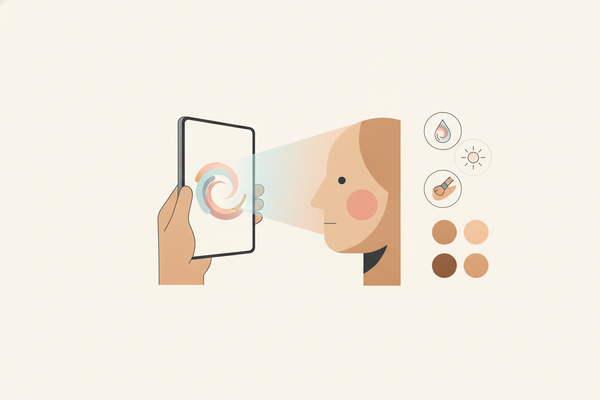
- User uploads a high-resolution selfie or enables live video streaming.
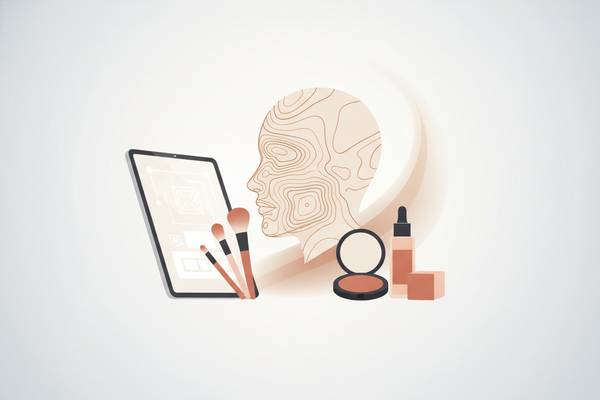
- The AI algorithm maps facial landmarks, including contours like nasolabial folds and brow ridges.
- Digital brushes apply virtual foundation, contour, blush, eyeshadow, and lip color with adjustable opacity and texture.
- Real-time preview cycles through lighting presets—ring light, daylight, tungsten, and ambient light—to simulate various conditions.
Use Cases & Comparisons
- Side-by-side previews showcase camera-optimized selfie makeup versus subtle real-life versions for informed choices.
- Users can experiment with neon eyeliners, dramatic brows, or monochrome eyeshadow palettes virtually.
- Quick comparisons help decide if a look translates well off-screen before investing in products.
Benefits of AI Makeup Generator
- Saves time and reduces product waste—no need to purchase entire palettes just to test one shade.
- Encourages creative risk-taking by enabling experimentation with bold styles without mess or commitment.
- Increases accessibility—novices receive guided trials, boosting confidence before application.
- Educates on feature enhancement by demonstrating how subtle adjustments can transform face shape and balance.
Potential Limitations
- Digital-to-physical color mismatch can occur due to screen calibration and pigment variability.
- Accuracy depends on image quality and consistent lighting; low-quality uploads may result in flawed facial mapping.
- There is a risk of unrealistic expectations as digitally perfected skin and makeup may not fully replicate in reality.
Section 4: Practical Tips for Selfie vs Real Life Makeup
Achieving Dual-Purpose Makeup
- Build a seamless base using a damp sponge or a dual-fiber brush for light, even coverage that looks natural on camera and in person.
- Apply moderate contour in natural daylight, then soften edges with a clean brush to ensure everyday wearability.
- Select eyeshadow shades that transition from vibrant on camera to soft and natural in person, such as warm neutrals with subtle shimmer.
- Test your makeup under three lighting conditions: bright natural daylight, warm indoor lighting, and ring light (see our ultimate selfie lighting makeup tips for detailed guidance).
Recommended Apps & Tools (AI Makeup Generator)
- YouCam Makeup – Offers virtual try-ons with AI style suggestions and lighting simulation.
- Facetune – Provides color adjustments, skin-smoothing filters, and makeup editing features.
- Instagram AR Filters – Quick previews for camera-ready looks using AR technology.
- Makeup Check AI – Specializes in AI-powered makeup previews optimized for selfies and real-life lighting scenarios.
Tips for Makeup Artists & Enthusiasts
- Integrate AI makeup generators into client consultations to allow personalized previews on their own selfies, enhancing communication and satisfaction.
- Use AI before/after snapshots to demonstrate how filters and lighting alter perception versus real life.
- Highlight cross-medium techniques such as well-defined brows, clean winged liner, and diffused cheek color that perform well on camera and in person.
Conclusion
Understanding the selfie versus real life makeup differences can help you create looks that translate well under ring lights, filters, and natural daylight. Variations in lighting, camera angles, digital editing, and the 2D flattening of smartphone images explain why heavy contouring or bold colors often appear less flattering in person.
AI tools—such as AI makeup generators available in 2026—are helping to bridge this gap. They allow you to preview camera-ready styles and adjust intensity for in-person wear with improved realism. By combining blending and color-matching techniques with AI experimentation, you can craft versatile makeup that looks good both on-screen and off.
Call to Action
Ready to elevate your beauty routine? Download an AI makeup generator app today and start blending traditional techniques with technology. Discover looks that make you look and feel your best, everywhere you go.
FAQ
- What is the main difference between selfie and real-life makeup?
Selfie makeup often uses bolder lines and heavier products optimized for 2D photos, while real-life makeup focuses on natural blending and adaptability to varied lighting conditions. - How does an AI makeup generator work?
It maps facial landmarks, applies layered digital makeup, and cycles through lighting presets to simulate both on-camera and in-person looks. - Can digital trials really match physical products?
They offer a close preview, but screen renderings may differ from actual pigments and skin undertones. Testing products in person is recommended before finalizing your look. - Which apps offer the best virtual try-ons in 2026?
Popular options include YouCam Makeup, Facetune, Instagram AR Filters, and Makeup Check AI. - How can I ensure my makeup works both on camera and off?
Use moderate contouring, blend thoroughly in natural light, test under multiple lighting scenarios, and leverage AI previews to fine-tune your look.