How On-Demand Makeup Improvement Is Revolutionizing Beauty
Explore how on-demand makeup improvement powered by AI makeup generators offers speed, personalization, and sustainability in the beauty industry.

Estimated reading time: 7 minutes
Key Takeaways
- Instant personalization: AI makeup generators let you preview new looks quickly.
- Time and waste savings: Virtual try-ons can replace lengthy routines and may help reduce product returns.
- Enhanced confidence: Some brands report fewer returns when customers try virtually.
- Versatile use cases: From daily routines to influencer content, AI-powered makeup suits many needs.
- Future-ready: Expect ongoing developments like hyper-personalization, AR overlays, and social commerce integration.
Table of Contents
- Section 1: The Rise of On-Demand Makeup Improvement
- Section 2: Understanding AI Makeup Generator
- Section 3: How On-Demand Makeup Improvement Works
- Section 4: Benefits and Use Cases of AI Makeup Generator
- Section 5: Future Trends in AI Makeup Generator
- Conclusion
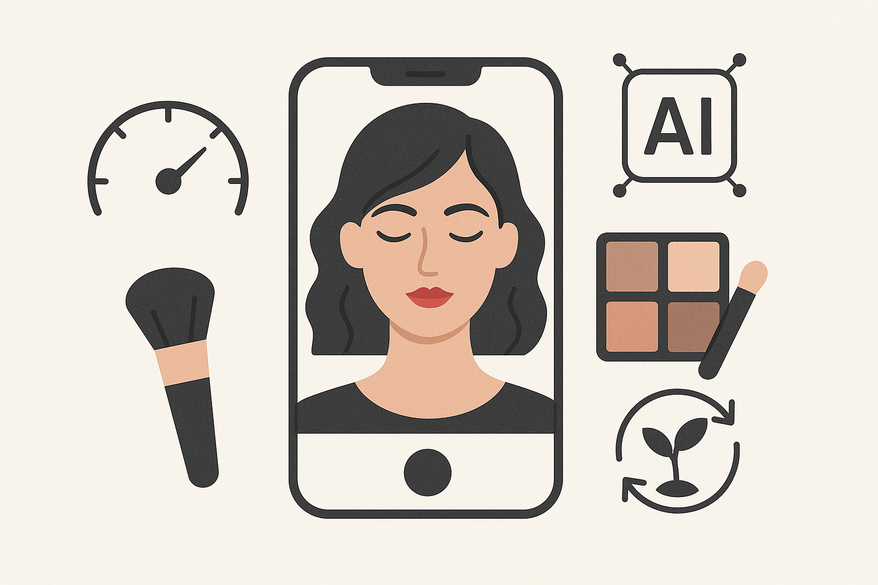
On-demand makeup improvement refers to digital, AI-powered solutions delivering personalized, near-instantaneous enhancements to a user’s appearance. This trend uses an AI makeup generator to help people try new looks quickly. Today’s beauty world demands speed, choice, and custom experiences. The AI makeup generator addresses that need by letting users preview shades and styles rapidly.
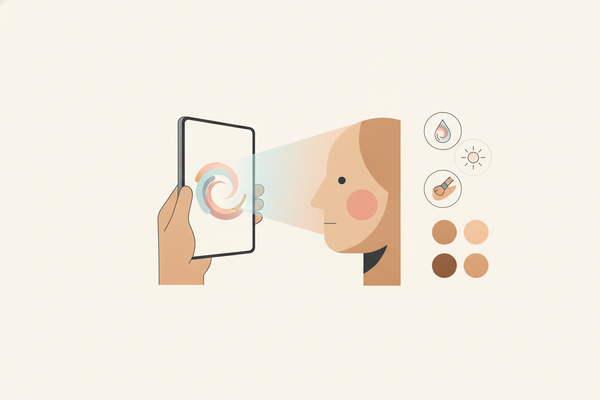
Many users rely on tools such as Makeup Check AI for seamless, on-the-go makeup previews. Here’s a quick overview of how it works:
Section 1: The Rise of On-Demand Makeup Improvement
On-demand makeup improvement is the shift toward fast, custom beauty tools. These digital solutions let you craft unique looks without time-heavy routines or excess products.
Drivers of this trend:
- Fast-paced lives demand quicker routines.
- People seek unique, tailored styles.
- Eco-conscious consumers want less product waste and fewer returns.
- Social media continues to push on-screen beauty content, increasing demand for instant, shareable looks.
How on-demand makeup improvement meets each need:
- Time-saving: Virtual try-ons can replace longer makeup sessions.
- Personalization: AI adapts to each face’s shape, skin tone, and preferences with improving accuracy.
- Sustainability: Virtual testing may reduce trial-and-error waste, supporting eco-friendly beauty routines.
- Digital culture: Creators share looks quickly, fueling fresh trends and community engagement.
Experience example: A working mom uses an AI makeup generator before her commute. She previews a light day look in seconds, picks her favorite, and heads out—no mess, no fuss.
Expert insight: Some beauty brands report that virtual try-ons boost purchase confidence and may reduce return rates by up to 30%.
Source: Perfect Corp blog on AI makeup services
Source: Virtual Beauty Revolution insights
Section 2: Understanding AI Makeup Generator
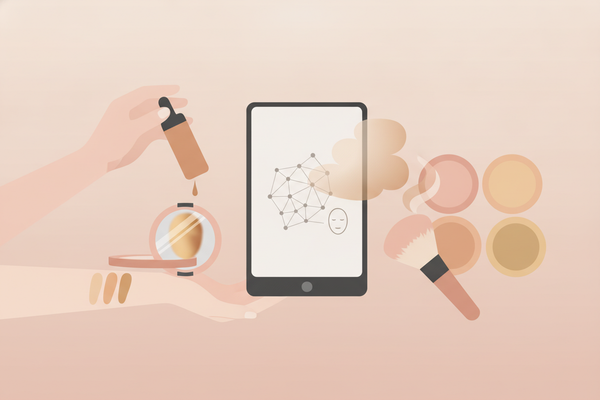
An AI makeup generator uses computer vision and deep learning to apply virtual cosmetics via AI makeup app routines. It analyzes your face, identifies eyes, lips, brows, and cheekbones, then overlays digital products in real time with enhanced realism.
Key functions:
- Facial landmark detection – The AI spots 68+ points: eye corners, lip edges, brow arches, and may include micro-features like freckles and skin texture.
- Realistic makeup overlay – It maps textures, blends shades seamlessly, and follows your face shape with shading and lighting effects.
- Virtual product try-on – Test branded lipsticks, eyeshadows, blushes, and even multi-product looks before you buy.
Benefits overview:
- Speed & variety: Switch from nude to glam or editorial looks in moments.
- Cost & waste reduction: No empty sample jars, potential for fewer product returns.
- Accessibility: Anyone can get pro-style previews without makeup skills.
Limitations:
- Bias risk: AI may misapply on skin tones or features it hasn’t seen, though models continue to improve diversity training.
- Compute intensity: GAN-driven makeup transfers can lag on older or low-end devices; newer apps optimize with edge AI acceleration.
Authoritative note: Studies indicate AI tools can misrepresent darker skin if training data is limited. Leading brands are expanding datasets and using synthetic augmentation to improve fairness.
Source: Virtual Beauty Revolution insights
Source: Perfect Corp blog on AI makeup services
Source: Virtual makeup options deep dive
Section 3: How On-Demand Makeup Improvement Works
Here’s the user journey for on-demand makeup improvement using an AI makeup generator:
- Upload or live-stream
– You take a selfie or open your camera in the app. - AI facial analysis
– Neural networks map your geometry, skin tone, lighting, and features with precision. - Choose style presets
– Natural, glam, editorial, or trend-driven looks are ready to apply, with customizable intensity sliders. - Real-time overlay
– Convolutional layers render your chosen makeup in under a second, including dynamic lighting adaptation. - Save and share
– Download images or post looks to social media—no cleanup needed.
Technical deep dive:
- Convolutional neural networks (CNNs) extract facial features.
- Real-time inference engines run on device or cloud for quick feedback, often leveraging edge AI chips in modern smartphones.
- GANs refine texture, ensuring lipstick has sheen and eyeshadow has depth, with improved realism using 3D face mapping.
Experience tip: For best results, use even lighting and hold your phone steady. The AI engine adapts for shadows but works best with clear input.
Source: Virtual Beauty Revolution insights
Source: Perfect Corp blog on AI makeup services
Section 4: Benefits and Use Cases of AI Makeup Generator
Benefits in detail:
- Personalized looks: AI suggests shades that match your undertone, eye color, and may consider skin texture.
- Convenience: Instant style swaps can replace trial-and-error at home.
- Trend adaptation: Try viral TikTok styles or seasonal palettes in seconds, with trending filters updated regularly.
- Cost-effectiveness: Virtual try-ons may help reduce product returns, saving money for brands and buyers.
Real-world use cases:
- Daily routine inspiration – Users get a fresh look each morning without a mirror.
- Special occasions – Brides and event-goers test dramatic styles with zero risk.
- Influencer content – Creators produce multiple looks in minutes, boosting engagement and follower interaction.
- Virtual consultations – MUA pros advise clients live, swapping lip and eye options on a call with AR video overlays.
- Brand e-commerce – Beauty lines showcase multiple lip colors on one face, potentially raising conversion and integrating direct purchase links.
Trust factor: Virtual trials can reduce hesitation about fit and style. Some data suggests fewer returns on items tried virtually.
Source: Perfect Corp blog on AI makeup services
Source: Virtual Beauty Revolution insights
Section 5: Future Trends in AI Makeup Generator
The AI makeup generator is just the start. Here’s what’s anticipated as of 2026:
- Hyper-personalization
– Models may adapt to skin texture, freckles, micro-features, and potentially real-time skin condition changes like hydration and redness. - AR live video overlays
– Real-time filters supporting ultra-low latency makeup application during video calls, live streams, and virtual events, with multi-angle tracking. - AI-assisted product development
– Generative AI may create new formulas and shades tailored to emerging user data trends, accelerating R&D cycles for brands. - Deeper social commerce
– Try-on, share, and buy within the same app or social feed, with integrated influencer affiliate links and dynamic pricing.
Expert forecast: By 2026, generative models may suggest not only makeup but integrated skincare and wellness routines—combining beauty and health coaching into one AI assistant.
Source: How beauty players can scale gen AI in 2025
Conclusion
On-demand makeup improvement is changing how we explore beauty. The AI makeup generator makes it easier to try looks that suit your face, mood, and lifestyle. You gain personalization, speed, and sustainability—without mess.
Try an AI makeup tool today and see how quick and fun beauty can be. Learn more through personalized AI-driven makeup tips. Stay curious about new features and watch as on-demand makeup improvement continues to evolve self-expression and technology.
FAQ
What is on-demand makeup improvement?
On-demand makeup improvement uses AI-powered tools to apply virtual cosmetics quickly so users can preview and customize looks without physical products.
How does an AI makeup generator work?
It leverages computer vision, facial landmark detection, and generative adversarial networks (GANs) to analyze facial features and overlay realistic makeup textures in real time.
Is on-demand makeup improvement sustainable?
Virtual testing can reduce product waste and returns, potentially making beauty routines more eco-friendly and cost-effective.
Can AI makeup generators handle all skin tones?
While many tools strive for inclusivity, some models may misapply on darker tones if not trained on diverse datasets. Brands are expanding data to improve fairness and accuracy as of 2026.