Non Comedogenic Makeup: Your 2026 Guide to Clear, Sensitive Skin
Explore our non-comedogenic makeup guide to find pore-friendly products and tips for sensitive and acne-prone skin, ensuring a clear, comfortable complexion.

Estimated reading time: 8 minutes
Key Takeaways
- Non-comedogenic makeup is formulated to avoid pore blockage and reduce acne flare-ups.
- Identifying pore-friendly products requires careful label scanning and awareness of common clogging ingredients.
- Gentle application, removal, and aftercare routines further protect sensitive, acne-prone skin.
- Curated product recommendations offer breathable, mineral-based, and dermatologist-tested options updated for 2026.
Table of Contents
- Introduction
- What Is Non-Comedogenic Makeup?
- Benefits for Delicate Skin
- Spotting Truly Non-Comedogenic Products
- Application & Care Tips
- Top Product Picks
- Further Reading & Professional Advice
- FAQ
Introduction
Non comedogenic makeup is essential for anyone with sensitive or acne-prone skin seeking to prevent clogged pores and breakouts. This 2026 guide covers what non comedogenic makeup means, how to identify truly pore-friendly products, expert application and care tips, and the best product picks. Using AI-powered tools like Makeup Check AI can help you personalize your makeup choices for clearer, healthier skin. Let’s dive in.
1. What Is Non-Comedogenic Makeup?
Definition and Significance
A non-comedogenic label signals that a product is designed to avoid pore obstruction. Unlike heavy, occlusive cosmetics, non-comedogenic makeup uses formulations that let skin breathe and discourage breakouts. In 2026, more brands are subjecting products to independent comedogenicity testing, and the term is more widely recognized, though still not strictly regulated by the FDA or EU authorities.
- Helps maintain natural oil balance
- Reduces risk of comedones (blackheads and whiteheads)
- Supports clearer, calmer skin over time
Source: RMS Beauty definition
Ingredient Selection
Non-comedogenic products avoid common pore-cloggers and swap in lightweight, skin-friendly alternatives.
- Avoid: heavy oils (coconut oil, cocoa butter), lanolin, isopropyl myristate, certain waxes and dense silicones (e.g., dimethicone in high concentrations)
- Prefer: lightweight emollients (caprylic/capric triglyceride), gentle minerals (zinc oxide, titanium dioxide), safe pigments (iron oxides), and newer alternatives like squalane and ethylhexylglycerin
Source: Medical News Today
Formulation Techniques
Cosmetic chemists perform specialized comedogenicity tests to ensure product safety for sensitive skin. In 2026, more brands are publishing their test protocols and results online for transparency.
- In-house patch and pore tests (often on volunteers with acne-prone skin)
- Dermatologist-backed clinical trials
- Third-party lab analyses, sometimes using AI-powered skin analysis tools
2. Benefits of Non-Comedogenic Makeup for Delicate Skin
- Acne Prevention: Limits pore blockages that trigger breakouts.
- Gentle on Skin: Omits harsh chemicals and irritants, reducing redness and sensitivity.
- Lightweight Coverage: Offers a natural, breathable finish without a mask-like feel.
- Ingredient Awareness: Knowing which ingredients to skip can save you from unwanted breakouts.
- Better Tolerance for Skin Treatments: Non-comedogenic options are less likely to interfere with prescription acne or rosacea topicals.
Learn more from Classic Makeup USA
3. Spotting Truly Non-Comedogenic Makeup
Reading Labels & Claims
Look for “non-comedogenic,” “oil-free,” or “won’t clog pores.” In 2026, the most reputable brands publish their comedogenicity test results on their websites or via QR codes on packaging. Still, marketing claims are not fully regulated, so always cross-check the ingredient list.
Ingredient List Scan
1. Check packaging for explicit non-comedogenic claim. Some brands now include a QR code linking to lab reports.
2. Review for known pore-cloggers (see Section 2 and consult updated 2026 ingredient safety lists).
3. Confirm presence of lightweight ingredients like silica, rice powder, or new-generation non-clogging polymers (e.g., cyclopentasiloxane).
Certifications & Seals
- Dermatologist-tested (look for the dermatologist’s name or clinic, not just the claim)
- Allergy-tested
- Oil-free badge
- Independent lab-tested (increasingly common in 2026)
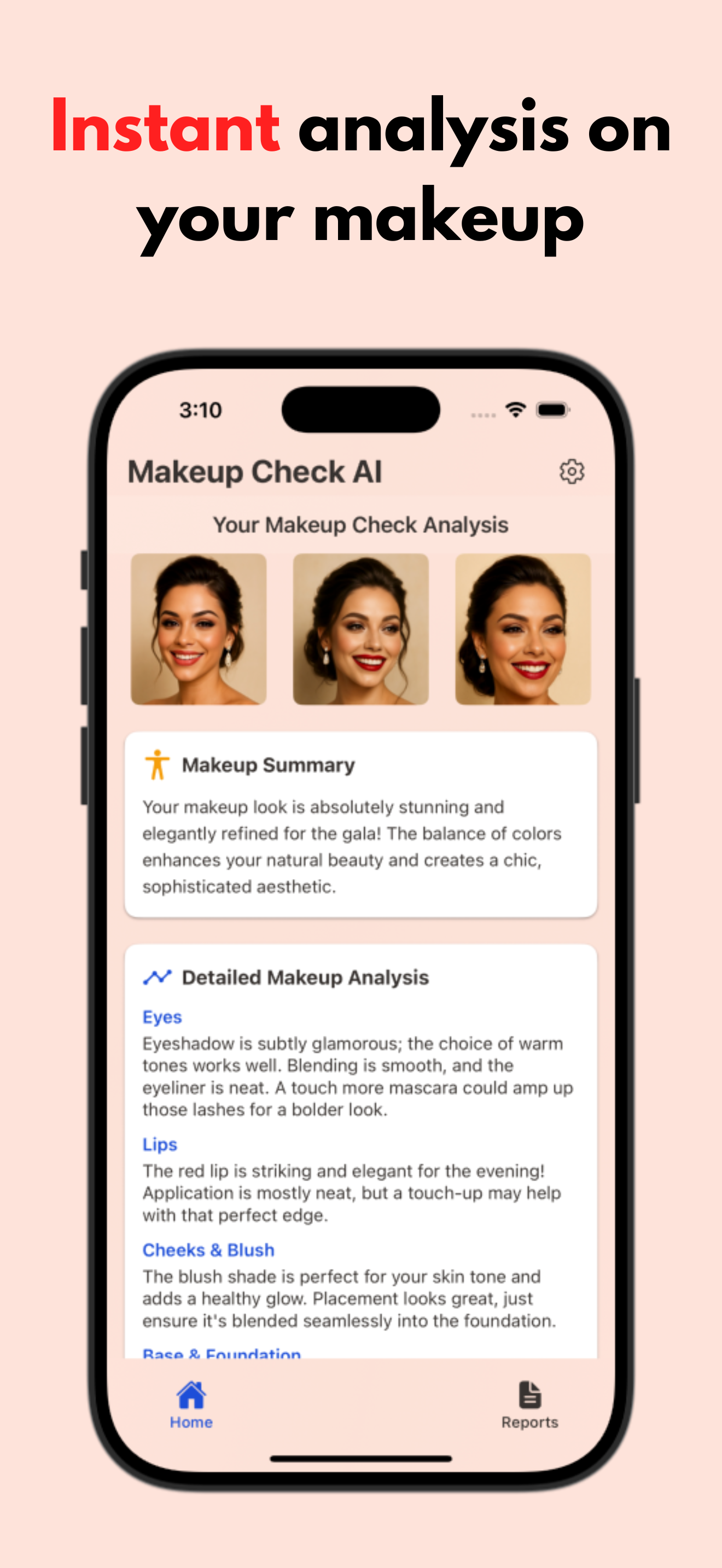
Digital tools like Makeup Check AI can scan ingredient lists and flag potential pore-cloggers instantly, making evaluation easier than ever.
Source: Healthline
4. Makeup Application & Care for Sensitive Skin
Skin Preparation
- Cleanse with a gentle, non-comedogenic face wash. In 2026, micellar gel cleansers with microbiome-friendly formulas are popular.
- Apply a lightweight, oil-free moisturizer with ceramides or squalane.
- Finish with broad-spectrum, non-comedogenic SPF (look for mineral-based, blue light-protective options now common in 2026).
Application Best Practices
- Use clean tools: brushes, sponges, or sanitized fingertips. See our guide on how to clean makeup brushes. In 2026, UV-sanitizing brush holders are affordable and widely available.
- “Less is more”: Build coverage gradually in thin layers. Airbrush-style applicators are now accessible for home use and give a seamless finish with minimal product.
- Spot-conceal rather than full-face heavy coverage, especially if using prescription acne treatments.
Makeup Removal
- Thoroughly remove all makeup each night with your gentle cleanser. In 2026, oil-free micellar balms are a top choice for sensitive skin.
- Double-cleanse if wearing long-wear or waterproof formulas. New enzyme-based cleansers help dissolve stubborn pigments without irritation.
Aftercare Routine
- Tone with a soothing, alcohol-free toner containing ingredients like centella asiatica or panthenol.
- Apply a hydrating serum or gel-cream containing hyaluronic acid, niacinamide, or polyglutamic acid (a newer, ultra-hydrating ingredient in 2026).
5. Top Non-Comedogenic Makeup Picks (2026)
Foundation
- bareMinerals Original Loose Foundation
Mineral-based, breathable, and non-comedogenic. Formulated for sensitive, redness-prone skin.
Source: bareMinerals blog - Neutrogena SkinClearing Liquid Makeup (2026 Formula)
Contains encapsulated salicylic acid for time-released acne care and new, lighter pigments for improved blendability. Dermatologist-tested and oil-free.
Source: Neutrogena product page - ILIA Super Serum Skin Tint SPF 40
Clean, mineral SPF, hydrating, and non-comedogenic. Now reformulated in 2026 to include blue light protection and a broader shade range.
Powder & Blush
- Laura Mercier Translucent Loose Setting Powder
Ultra-lightweight, controls shine, and sets makeup without clogging pores.
Source: Laura Mercier - Clinique Cheek Pop
Cream-to-powder finish, dermatologist-tested, and allergy-tested. Updated in 2026 with new non-comedogenic pigments. Source: Clinique - bareMinerals Gen Nude Blonzer
Hybrid blush-bronzer, talc-free, and non-comedogenic. Popular for a natural sun-kissed look.
Concealer
- IT Cosmetics Bye Bye Under Eye (2026)
Full-coverage, oil-free concealer with collagen, peptides, and added niacinamide for calming redness. Now in a fragrance-free, allergy-tested formula. - Maybelline Fit Me Concealer (New Formula)
Lightweight, non-comedogenic, and available in 30+ shades. Reformulated in 2026 for better blendability and fewer potential irritants.
For personalized ingredient analysis, try Makeup Check AI:
6. Further Reading & Professional Advice
- Healthline non-comedogenic guide
- Medical News Today article
- Search PubMed for “non-comedogenic formulations acne prevention” to find peer-reviewed trials.
- Consult a licensed dermatologist or skincare specialist for personalized recommendations. In 2026, many offer virtual consultations and AI-powered product analysis.
FAQ
What does non-comedogenic mean?
Non-comedogenic indicates a formula designed to avoid blocking pores, helping reduce blackheads, whiteheads, and acne. In 2026, many brands provide lab-backed evidence of these claims.
How do I spot non-comedogenic products?
Look for explicit “non-comedogenic” or “oil-free” claims, then cross-check the ingredient list for known occlusive agents. Use ingredient analysis tools like Makeup Check AI for extra confidence.
Are all oil-free products non-comedogenic?
Not necessarily. While oil-free formulas avoid certain ingredients, they can still contain other pore-clogging components. Always review the full list and check for recent reformulations.
Can non-comedogenic makeup still cause breakouts?
Yes. Individual sensitivities vary, so patch testing and proper hygiene are essential even with pore-friendly products. Also, improper removal or expired products can still lead to irritation or breakouts.