The Ultimate Mood-Enhancing Makeup Color Guide
Discover how the mood-enhancing makeup color guide uses color psychology to boost your mood with expert tips and practical techniques for daily routines.
Estimated reading time: 8 minutes
Key Takeaways
- Color can influence emotion and mood, making makeup a potential tool for self-expression.
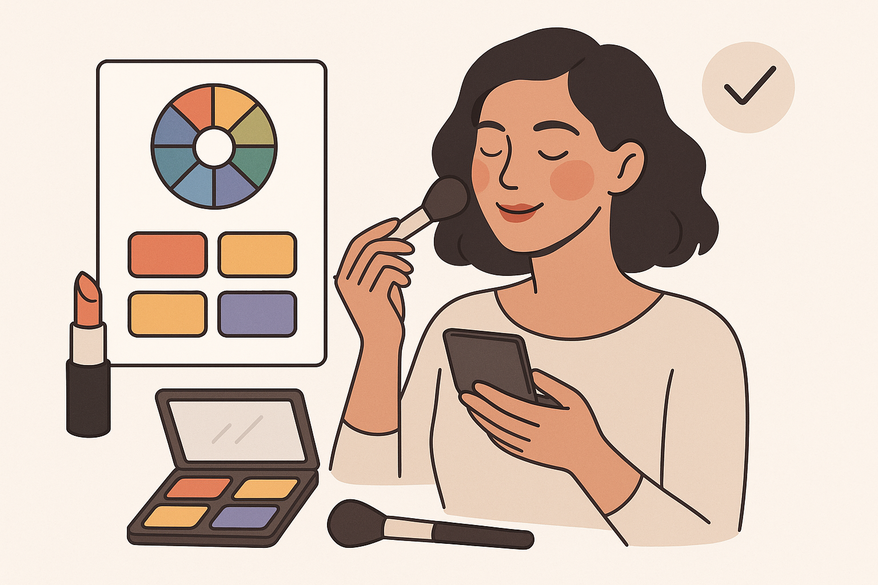
- Warm tones (reds, oranges, yellows) are often associated with energy; cool tones (blues, greens, purples) with calmness.
- Consider matching shades to your skin undertone and desired emotional effect.
- Simple techniques—like focusing on one feature or layering—can help build confidence in application.
- Expert insights and anecdotal examples suggest possible mood benefits.
Table of Contents
- Section 1: Understanding Color Psychology in Makeup
- Section 2: Analyzing Mood-Enhancing Makeup Colors
- Section 3: Practical Tips and Techniques
- Section 4: Expert Insights and Case Studies
- Conclusion
Section 1: Understanding Color Psychology in Makeup
Color psychology explores how colors may interact with the brain and influence mood and motivation. Understanding these basics can help you select shades with intention.
Key Concepts
- Limbic system response: Colors can evoke emotional responses, potentially affecting mood regulation.
- Warm vs. cool tones:
- Warm (reds, oranges, yellows) often linked to excitement, energy, passion.
- Cool (blues, greens, purples) often linked to calmness, creativity, serenity.
- Individual and cultural factors: Age, gender, cultural background, and personal experiences influence color perception and emotional response.
Why It Matters
- Foundation for choice: Understanding tone effects can help avoid mismatched looks and support emotional intent.
- Informed self-care: You move from “What looks good?” to “What feels good?”—a mindful approach to beauty routines.
Section 2: Analyzing Mood-Enhancing Makeup Colors
Below is a breakdown of popular hues and their commonly associated emotional benefits. Use these as inspiration to craft looks that align with your mood goals.
Red: Passion and Confidence
- Symbolism: Often associated with passion, energy, confidence.
- How to use: Bold red lipstick or a flush of red blush; formulas with moisturizing ingredients like hyaluronic acid can enhance comfort during wear.
- Best on: Warm and neutral undertones; deeper reds often complement darker skin tones.
Pink: Youthful Playfulness
- Symbolism: Commonly linked to youthfulness, self-love, playfulness.
- How to use: Soft pink on cheeks or lips for a gentle lift; rose and mauve variants suit a wide range of undertones.
Blue: Calm and Trust
- Symbolism: Often associated with calm, serenity, trust.
- How to use: Blue eyeshadow or liner on cool undertone skin; navy or pastel blue shades can be subtle or bold choices.
Green: Renewal and Balance
- Symbolism: Linked to renewal, balance, tranquility.
- How to use: Moss or sea-green accents on lids; neutral undertones may find these flattering; metallic or shimmer finishes add dimension.
Yellow: Optimism and Energy
- Symbolism: Often connected to optimism, happiness, energy.
- How to use: Tiny yellow inner-corner highlight or subtle yellow eyeshadow to brighten eyes; cream-based formulas can aid blendability.
Purple: Creativity and Mystery
- Symbolism: Associated with creativity, mystery, imagination.
- How to use: Deep plum lip or lavender shadow for an artistic touch; violet-based mascaras offer a modern twist.
Earthy Neutrals: Grounded Authenticity
- Symbolism: Often linked to groundedness, authenticity, stability.
- How to use: Taupe browns on eyes or brows for a natural, reliable look; matte and satin finishes work well.
Shade-Selection Tips
- Match undertone: Warm skin tones often suit reds, oranges, yellows; cool skin tones may prefer blues, purples, greens. See the lipstick shade finder guide for ideas.
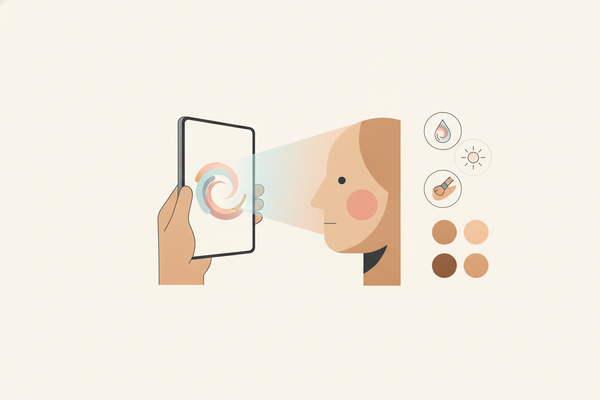
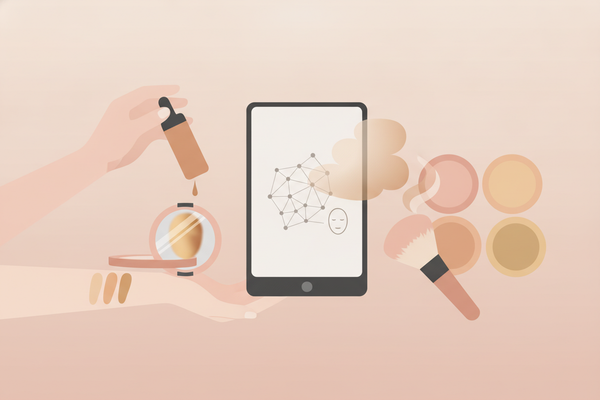
- Align emotion: Choose energizing tones for motivation, soothing hues for relaxation, playful shades for joy. You can also explore AI-driven color selection tips for personalized recommendations based on your preferences.
Section 3: Practical Tips and Techniques
This section offers ways to apply mood-boosting shades with ease and confidence.
Focus on One Feature
- Choose either lips or eyes for your mood color to keep your look balanced.
- Avoid using multiple bright hues simultaneously; balance vibrant lips with neutral eyes or vice versa.
Layering Method
- Apply a neutral base on lids or lips to create a smooth canvas.
- Add a vibrant pop—inner or outer corners of eyes, or center of lips—to draw attention and add dimension.
Benefit: Creates a balanced look with a targeted emotional lift that can be customized for day or night.
Seasonal Adjustments
- Summer: Bright oranges, yellows, corals for vitality and glow; lightweight, long-wear formulas with SPF protection are recommended.
- Autumn/Winter: Warm browns, muted reds, soft purples for cozy comfort; cream or velvet textures add warmth.
Mindful Application Ritual
- Treat makeup time as self-care to enhance emotional connection.
- Focus on each brush stroke to cultivate presence and reduce stress.
- Reinforce positive mindset with deep breaths and affirmations during application.
For subtle guidance as you experiment with shades, Makeup Check AI can analyze your look and offer personalized color suggestions using AI algorithms trained on diverse skin tones and trends.
Section 4: Expert Insights and Case Studies
Examples and expert opinions related to color and mood.
Expert Quote
“Colors carry meanings shaped by culture and individual experience, and can influence mood and behavior.”
— Dr. Clara Jenkins, makeup psychologist
Case Study 1: Red Lip Confidence
- Subject: Reported feeling low energy and self-doubt before social events.
- Action: Applied classic red lipstick with moisturizing formula daily.
- Result: Subjective reports indicated increased confidence and social engagement over several weeks.
Case Study 2: Blue for Calm
- Subject: Experienced daily anxiety related to work stress.
- Action: Incorporated soft blue eyeliner into morning ritual with mindfulness breathing.
- Result: Subjective reports suggested reduced stress on hectic days; further research is needed to confirm physiological effects.
Conclusion
This guide covered:
- Basics of color psychology and potential limbic system effects.
- Popular mood-boosting hues and their commonly associated symbolism.
- Practical application tips for different seasons and features, including mindful rituals.
- Expert perspectives and anecdotal case examples.
Using color thoughtfully in your routine may help you lift your mood intentionally. Experiment with these shades, adjust to your skin tone, and observe how color choices can influence your day.
Share your favorite mood-boosting makeup colors or experiences in the comments below. Subscribe for more beauty guides blending color psychology and self-care, updated regularly.
FAQ
- What is color psychology in makeup? The study of how colors may influence emotion by engaging brain processes.
- How do I pick the right shades for my skin tone? Determine your undertone (warm, cool, neutral) then select hues that feel energizing or soothing to you; AI-powered shade finders can assist.
- Can makeup colors really boost my mood? Many people find that certain shades increase confidence or calmness, though individual experiences vary and more research is needed.
- How do I start experimenting without overwhelming myself? Focus on one feature—like a bold lip or subtle eye accent—or try layering for a balanced pop of color.