Makeup Check AI Influencer Tips: The Ultimate Guide for Beauty Creators
Explore Makeup Check AI influencer tips to revolutionize your beauty content with data-driven insights and personalized enhancements.

Estimated reading time: 6 minutes
Key Takeaways
- Makeup Check AI leverages machine learning and computer vision models to deliver tailored beauty feedback.
- Influencers can harness AI for personalized makeup recommendations, objective product reviews, and trendspotting powered by available data.
- Best practices emphasize clear AI disclosure, integrating AI insights with professional expertise, and measuring KPI improvements using analytics dashboards.
- Some case studies suggest engagement lifts and increased brand partnership opportunities.
- Tools like Makeup Check AI support content creators with scalable, data-driven content creation workflows.
Table of Contents
- 1. Understanding Makeup Check AI
- 2. The Role of AI in Influencer Marketing
- 3. Influencer Strategies Using Makeup Check AI
- 4. Best Practices and Tips
- 5. Case Studies and Examples
- 6. Conclusion & Key Takeaways
- 7. FAQ
1. Understanding Makeup Check AI
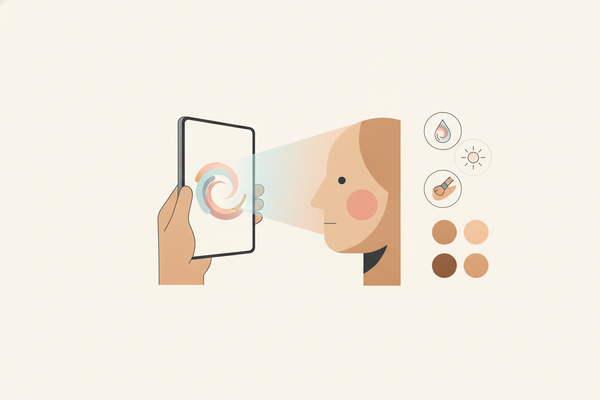
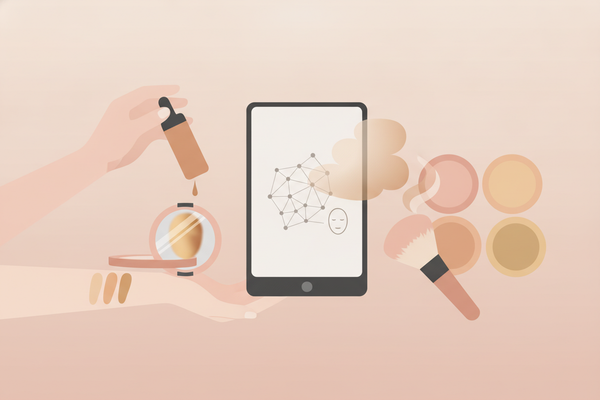
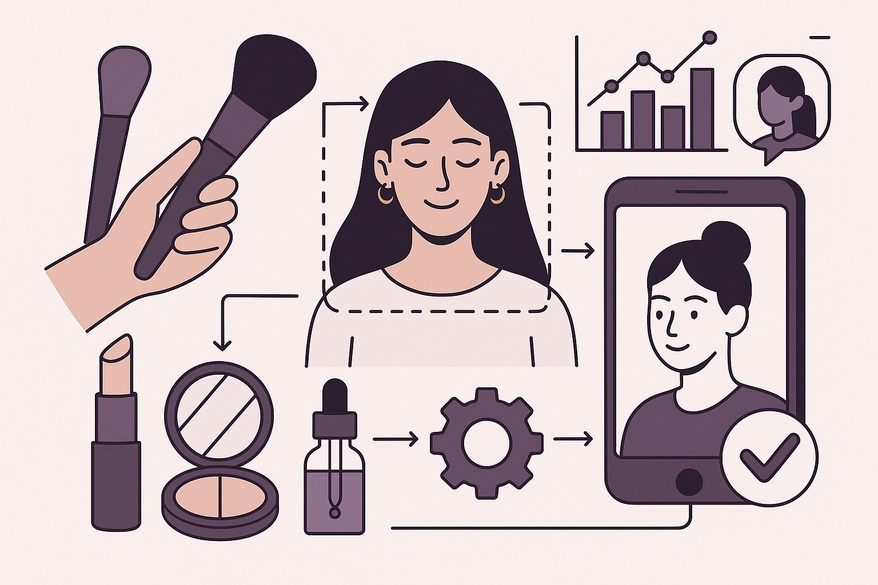
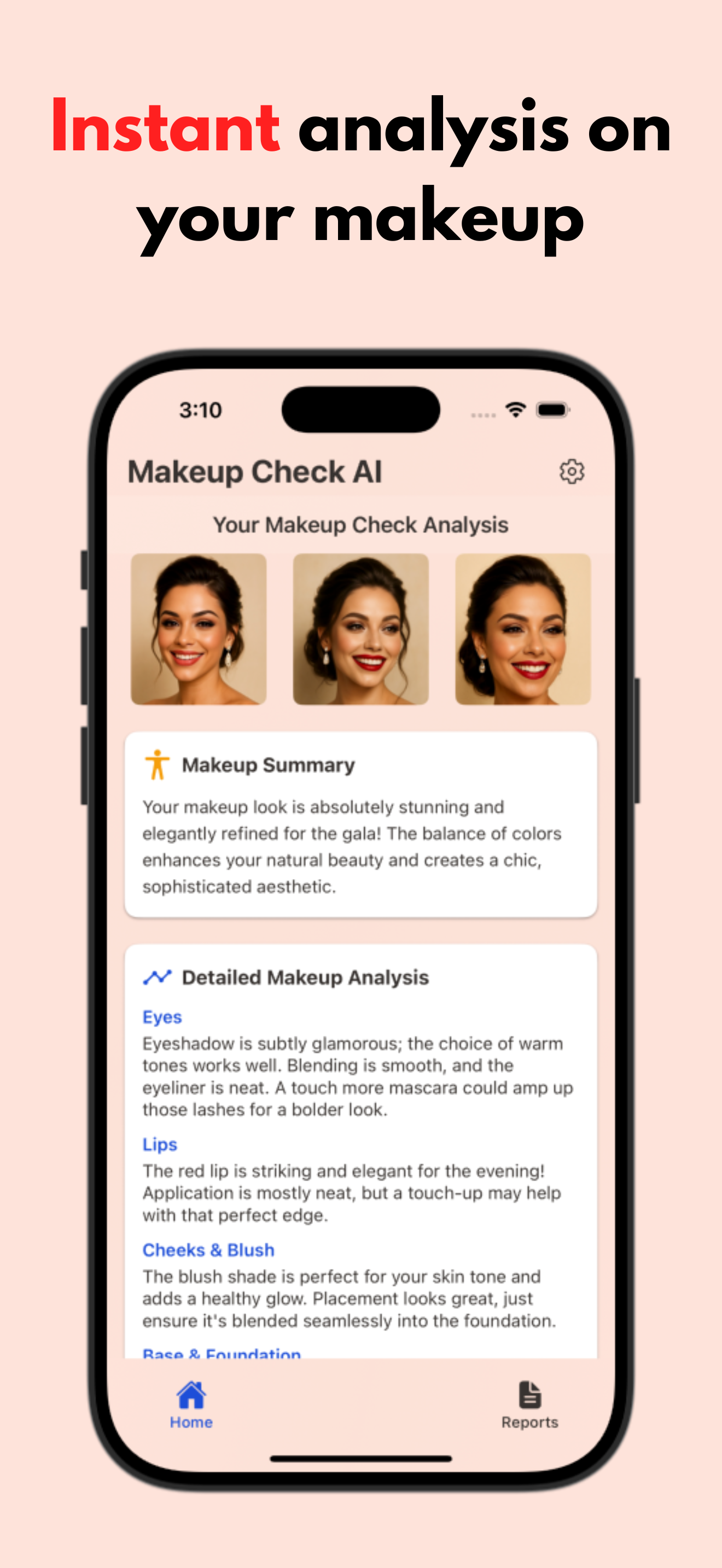
Makeup Check AI platforms combine computer vision powered by transformer-based models and machine learning updates to analyze photos or videos. They detect facial landmarks, assess skin undertones, adjust for lighting conditions, and offer makeup suggestions tailored to individual features. For more details, see the overview AI Makeup Coach: Future of Beauty Tech.
Key Benefits
- Precision & Consistency: Provides reproducible recommendations using AI models trained on diverse datasets. (AI Influencer)
- Personalization: Matches foundation and color palettes to undertones and facial morphology, including seasonal and lighting context. (Rate My Makeup Online Guide)
- Scalability: Processes many looks globally, supporting multi-platform integrations. (Beauty Brands Using AI)
2. The Role of AI in Influencer Marketing
AI-powered tools are increasingly used to enhance creator-audience engagement by leveraging follower analytics, sentiment analysis, and cross-platform behavioral insights. AI can assist with content theme suggestions, trend forecasting, posting schedule optimization, and campaign ROI estimation. Platforms like AI Influencer Marketing Platforms support these capabilities.
Benefits for Influencers
- Audience Alignment: Suggests relevant topics and makeup trends tailored to follower demographics and preferences.
- Automated Analytics: Tracks metrics such as viewer retention, engagement heatmaps, and conversion funnels.
- ROI Predictions: Uses models to estimate engagement and sales outcomes based on historical data.
Compared to traditional influencer marketing approaches, AI offers algorithmic assistance, quality control, and ongoing feedback.
3. Influencer Strategies Using Makeup Check AI
Enhance your content with these tactics:
Strategy #1: Personalized Makeup Recommendations
- Upload high-resolution, well-lit photos or short videos to your AI tool, with multiple angles for analysis.
- Present side-by-side before and after visuals in reels, carousels, or TikTok videos, highlighting AI-driven suggestions.
- Explain how each AI recommendation aims to improve color harmony, skin luminosity, and facial balance, referencing AI metrics.
Strategy #2: AI-Verified Product Reviews
- Evaluate makeup product attributes such as pigmentation, blendability, wear time, and finish using AI scoring systems.
- Include AI-generated scores and insights in captions, voice-overs, or overlay graphics for transparency.
- Link to AI report summaries or dashboards where followers can explore data behind your reviews.
Strategy #3: Trendspotting & Tutorial Optimization
- Use AI to identify emerging makeup trends (e.g., graphic liner, frosted shadows, holographic highlights) using data from Virtual Makeup Try-On Beauty Tech and social listening tools.
- Create tutorials tailored for diverse skin tones, including fair, medium, deep, and undertone-specific variations.
- Incorporate captions such as “AI analysis suggests this coral hue enhances skin brightness on medium tones” to engage your audience.
Pro tip: Disclose “AI-powered insights” prominently to foster trust and encourage followers to share their AI-enhanced makeup results.
4. Best Practices and Tips
Step-by-Step Integration
- Choose a reputable AI tool updated for 2026, such as YouCam Makeup, Perfect Corp, or Makeup Check AI, ensuring data privacy compliance.
- Record raw and AI-enhanced takes consecutively to highlight differences.
- Overlay AI feedback using visual elements like charts, color swatches, heatmaps, and concise annotations.
- Pair AI insights with your commentary, providing context and professional nuance.
Dos & Don’ts
- Do disclose AI usage transparently to maintain authenticity and comply with advertising guidelines.
- Do blend AI data with your creative expertise to keep content engaging and relatable.
- Don’t rely solely on AI outputs; maintain your unique creative flair and human touch.
- Don’t overstate AI accuracy; present it as a helpful enhancement rather than an infallible solution.
Measuring Success
- Analyze engagement on AI-enhanced posts compared to baseline metrics.
- Use KPI dashboards from platforms like Ultimate Guide to Influencer Marketing for Beauty Brands to track click-through rates, conversions, and follower growth.
- Conduct audience sentiment surveys through polls, Q&As, and comment analysis for qualitative feedback.
5. Case Studies and Examples
Success Story
A beauty creator branded a tutorial as “AI-approved makeup look” in early 2026 and reported:
- Increased engagement metrics such as likes, shares, and comments.
- Growth in inbound brand collaboration proposals within three months.
Source: Ultimate Guide to Influencer Marketing for Beauty Brands.
Brand Campaign Example
A fashion label integrated virtual influencers with advanced Beauty Brands Using AI analytics, achieving higher ROI compared to previous campaigns by optimizing audience targeting and content personalization.
Creative Content Idea
Host an interactive “AI Rates My Makeup Look” challenge where followers submit selfies, receive live AI feedback during streams, and are encouraged to recreate AI-suggested tweaks, fostering community engagement and content virality.
6. Conclusion & Key Takeaways
Makeup Check AI continues to influence beauty content creation by blending artistry with data science. To summarize:
- Definition & Benefits: AI analyzes facial features, skin tones, and lighting to provide personalized makeup tips.
- Content Boost: Personalized recommendations and AI-verified reviews can enhance audience trust and engagement.
- Strategies: Use personalized tips, AI-verified reviews, and data-driven trendspotting for optimized content.
- Best Practices: Disclose AI use clearly, integrate insights with your style, and measure content impact.
- Real Results: Some case studies report engagement increases and improved ROI for creators and brands.
Call-to-Action: Experience a personalized session on Makeup Check AI, share your AI-enhanced look on Instagram or TikTok, and tag #MakeupCheckAI to join the community.
FAQ
- How does Makeup Check AI work?
It uses computer vision and machine learning to scan images or videos, assess skin tones and lighting, then generates tailored product and technique suggestions based on current beauty science. - Is AI makeup advice reliable?
AI provides data-driven insights grounded in diverse datasets, but should be combined with your creative expertise for authentic and effective results. - Can I use AI tools for free?
Many platforms offer free trials or limited-feature versions; full access to advanced features typically requires a subscription or pay-per-use. - Do I need technical skills?
Most AI makeup tools have user-friendly interfaces; basic photography and content editing skills are sufficient to get started. - How do I disclose AI usage?
Mention “AI-powered insights” or similar phrases in captions or voice-overs to maintain transparency and build audience trust.