Makeup Check AI Influencer Case Studies: Leveraging AI for Beauty Content Success
Explore how top beauty creators utilize Makeup Check AI influencer case studies to optimize content, boost engagement, and increase campaign ROI.

Estimated Reading Time: 8 minutes
Key Takeaways
- Makeup Check AI combines computer vision and machine learning algorithms to analyze and optimize makeup looks.
- AI enhances influencer content with quality checks, personalized recommendations, virtual try-ons, and trend analysis.
- Creators use data-driven reviews, content optimization, and niche targeting to improve engagement.
- Case studies—from Lookfantastic’s AI-powered campaigns to Lil Miquela’s virtual presence—illustrate potential ROI and audience growth.
- A 7-step guide helps influencers integrate AI insights, monitor performance metrics, and disclose AI use to build trust.
Table of Contents
- What Is Makeup Check AI?
- The Role of AI in the Makeup Industry
- Influencer Strategies with Makeup Check AI
- In-Depth Case Studies
- Step-by-Step Guide for Influencers
- Future Trends and Considerations
- Conclusion
- FAQ
What Is Makeup Check AI?
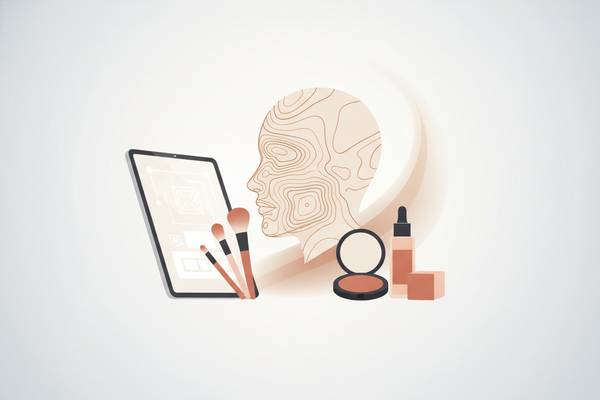
Makeup Check AI is a platform leveraging computer vision and machine learning to analyze makeup looks across photos and videos. It helps influencers and brands identify trending colors, verify application techniques, and recommend products tailored to users.
- Computer Vision Analysis: Detects multiple makeup parameters including foundation undertones, contour angles, eyeshadow layering, and lip texture nuances.
- Machine Learning Models: Trained on a large database of user-generated looks to capture trends, cultural variations, and common application mismatches.
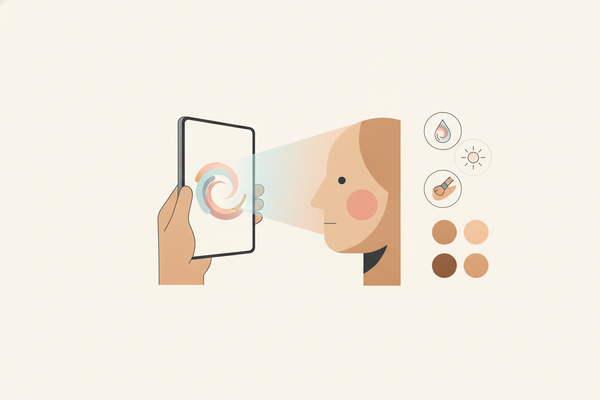
- Real-Time Feedback Loop: Processes selfies and video frames with suggestions such as “Try a warmer blush tone for your undertone” or “Blend contour softly along cheekbones for natural effect.”
Benefits: Accelerated trend detection, automated quality control, and personalized product recommendations (personalized makeup tips AI).
Source: Firework: Beauty Brands Using AI
The Role of AI in the Makeup Industry
Artificial intelligence is increasingly used by beauty brands and influencers to design, analyze, and optimize content. AI’s role includes:
- Quality Checks: Automated scanning to help ensure consistent application across photo and video content.
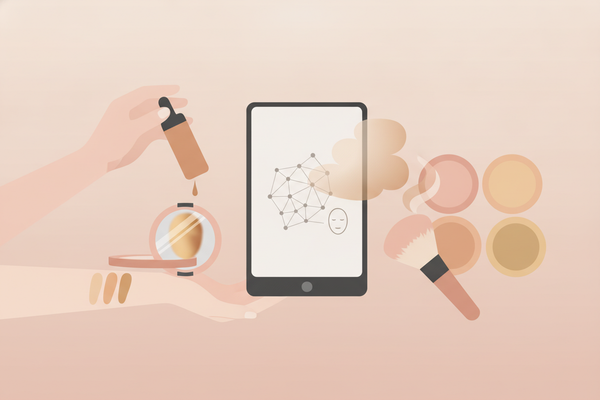
- Personalized Recommendations: Uses filtering and skin-type clustering to suggest products matching individual skin tones and preferences.
- Virtual Try-On: Augmented reality overlays powered by AI facial landmark detection and 3D modeling for product trials.
- Trend Analysis: Uses natural language processing and social listening tools to analyze social media content and detect emerging styles.
Brand & User Benefits: Improved efficiency with faster feedback, data-backed insights, and scalability across diverse demographics.
Sources:
Influencer Strategies with Makeup Check AI
Beauty creators use AI to improve content accuracy, engagement, and ROI. Key strategies include:
- Enhancing Content Accuracy: Validate tutorial techniques via AI-generated overlays to increase viewer trust.
- Data-Driven Reviews: Present AI-derived scores for hydration, coverage, longevity, and finish.
- Personalized Engagement: Segment followers by skin profiles and run targeted campaigns to boost relevance.
- Real-Time Optimization: Adjust captions, thumbnails, hashtags, and posting times based on engagement analytics.
Metrics: Some creators report engagement lifts and conversion improvements; however, exact figures can vary widely.
Source: influencer makeup check AI
In-Depth Case Studies
Examples illustrate how influencers and brands use AI-powered campaigns.
Example 1: Lookfantastic’s AI-Powered Campaign
- Strategy: AI-driven influencer selection based on demographic and engagement data.
- Execution: Coordinated unboxings, tutorials, and product trials with KPI monitoring enabling content refinements.
- Outcomes: Reported increases in engagement and conversion rates, and return on ad spend.
- Lesson: Aligning AI data with creative content can support effective campaigns.
Source: AI in Influencer Marketing
Example 2: Virtual Influencer Lil Miquela
- Strategy: AI-generated persona using deep learning for visuals and natural language generation for engagement.
- Execution: Content calendar with machine-learning-powered moderation; style adapts based on audience feedback.
- Outcomes: Millions of followers, consistent brand voice, and reduced content production costs.
- Lesson: Virtual influencers offer brand control and continuous audience interaction.
Source: Firework: Beauty Brands Using AI
Example 3: Micro-Influencer Micro-Targeting
- Strategy: Niche creators used AI insights to engage mature-skin and darker-tone communities with tailored content.
- Execution: Developed tutorials addressing specific concerns; AI identified top-performing posts.
- Outcomes: Increased engagement in targeted communities and repeat collaboration offers.
- Lesson: Niche targeting can be effective for engagement and ROI.
Sources:
Step-by-Step Guide for Influencers
- Define Objectives: Set clear goals such as increasing watch time or conversions.
- Select AI Platform: Evaluate media compatibility, user experience, API integrations, and data privacy.
- Onboard & Configure: Connect social accounts; calibrate skin tone and texture settings; input brand guidelines and disclosure preferences.
- Monitor & Interpret Data: Analyze engagement trends and performance dashboards to guide content adjustments.
- Integrate Into Content: Refine scripts, adjust camera angles, and craft calls to action tailored to audience segments.
- A/B Test & Iterate: Experiment with thumbnails, captions, and posting times; use AI analytics to optimize.
- Disclose Transparently: Include clear disclosures such as “Powered by AI insights” to foster audience trust.
Try Makeup Check AI for data-driven makeup insights.
Future Trends and Considerations
AI innovation in makeup and influencer marketing continues. Trends for 2026 include:
- Next-Gen Virtual Influencers: Personalization engines enabling virtual personas to adapt to follower preferences and cultural shifts.
- AR-Powered Try-Ons: Live-stream overlays using AI face mapping for immersive experiences.
- Responsible AI: Efforts to reduce bias in skin-tone and age detection models, with strong data privacy protocols.
- Inclusivity: Models trained on diverse datasets to foster authenticity and trust.
Predicted evolutions include personalized micro-communities, transparent AI dashboards, and AI-driven co-creation tools for influencer-follower collaboration.
Sources:
Conclusion
AI is transforming makeup marketing and influencer content creation. From quality checks to trend analysis, Makeup Check AI case studies suggest potential gains in engagement, accuracy, and ROI. Influencers adopting data-driven reviews, real-time optimization, and niche strategies are advancing in the space. Brands can learn from Lookfantastic’s AI campaigns and Lil Miquela’s virtual persona. Consider piloting Makeup Check AI, monitoring your metrics, and sharing your experiences. Embrace AI to make your makeup content more personalized and impactful.
FAQ
What is Makeup Check AI?It’s a platform using computer vision and machine learning to analyze makeup looks, detect trends, and provide application feedback.How can influencers benefit from AI-driven reviews?By showcasing AI-generated scores for coverage, longevity, hydration, and finish, influencers can provide data-backed insights that may enhance credibility.What metrics should I track?Metrics include engagement lift, click-through rate, conversion rate, and viewer retention; improvements vary depending on use.Are virtual influencers as effective as human creators?Virtual personas like Lil Miquela offer consistent branding, cost-efficient production, and continuous audience engagement, though effectiveness can vary.How do I disclose AI use to my followers?Include a clear note such as “Powered by AI insights” in your video description and explain how AI informed your content to foster transparency.