Makeup Art Therapy: Transform Your Beauty Routine into an Expressive, Creative Journey
Discover how makeup art therapy can turn your beauty routine into a creative and expressive journey. Explore expressive beauty techniques for self-care and emotional relief.
Estimated reading time: 8 minutes
Key Takeaways
- Makeup art therapy transforms routine application into a creative, potentially healing ritual.
- Develop a creative makeup routine by choosing tools, colors, and personal symbolism.
- Expressive beauty techniques like bold colors, graphic shapes, and embellishments may boost mood and self-esteem.
- A step-by-step guide helps you set intentions, experiment freely, and reflect on your process.
- Regular practice can offer benefits such as stress reduction, mindfulness, and emotional empowerment.
Table of Contents
- Introduction to Makeup Art Therapy
- What Is Makeup Art Therapy?
- Understanding a Creative Makeup Routine
- Exploring Expressive Beauty Techniques
- Step-by-Step Guide to Developing Your Routine
- Additional Tips
- Benefits of Embracing Makeup Art Therapy
- Real-Life Examples and Tips
- Conclusion
Introduction to Makeup Art Therapy
Imagine opening your makeup drawer and feeling more than just routine. Each brush stroke becomes an artful, mindful act. This is makeup art therapy in action. With this approach, you turn a mundane session into creative self-expression. You’ll learn how to build a creative makeup routine and explore expressive beauty techniques that may nurture your mind and boost your mood.
For digital inspiration, tools like Makeup Check AI continue to evolve in 2026, now offering AI-powered personalized color palette suggestions and real-time augmented reality try-ons, helping you generate fresh color combinations and prompt new creative shapes in your routine.
What Is Makeup Art Therapy?
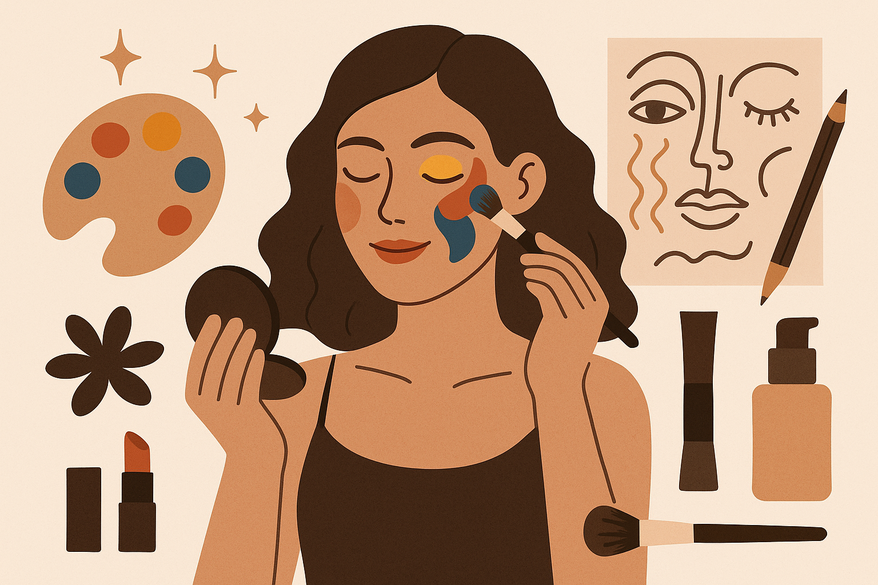
In makeup art therapy, you use cosmetic tools like an artist uses paint and brushes. It blends art therapy principles with cosmetic artistry, offering a playful yet meaningful way to explore feelings.
Roots and Definition
- Similar to traditional art therapy but focused on cosmetic tools as creative media.
- Combines therapeutic ideas—like reflection and emotional release—with makeup artistry techniques.
- Turns your face into a canvas for personal storytelling and self-discovery.
Psychological Benefits
- Process Emotions: Abstract shapes or bold colors may help you work through feelings nonverbally.
- Improve Mood: Some studies suggest that creative makeup routines can trigger dopamine release and enhance emotional well-being. Learn more about emotional benefits.
- Reduce Stress: Focusing on color choice and brushwork may shift your mind away from worries, supported by mindfulness research integrating beauty routines.
- Empowerment: Choosing your own design can give a sense of control and pride. Discover confidence-boosting routines updated with 2026 techniques.
Real-World Example
A woman dealing with work anxiety tried blue shadow strokes each morning to evoke calm. She reported feeling less stressed and more focused over several weeks, as shared in follow-up interviews in 2026.
Understanding a Creative Makeup Routine
A creative makeup routine values originality over perfection. You trade cookie-cutter beauty rules for playful exploration and personal symbolism.
Definition
An approach that prioritizes originality, exploration, and personal symbolism over flawless uniformity.
Typical vs. Creative Routines
Typical routine:
- Follows standard techniques (contour, highlight).
- Driven by current trends and magazine looks.
- Aims for a polished, uniform finish.
Creative routine:
- Emphasizes experimental color combos and textures.
- Guided by emotion, imagination, and personal stories.
- Celebrates irregular lines, abstract shapes, and bold statements.
Mindful Play
By treating makeup as mindful play, you turn daily grooming into a ritual of self-care. You engage your senses, stay present in each stroke, and honor your feelings through color and form. In 2026, mindfulness apps increasingly integrate with beauty routines, offering guided sessions to deepen this practice.
Exploring Expressive Beauty Techniques
Your face becomes a canvas for abstract and symbolic design. Try these three methods:
- Mix Bold or Unconventional Colors
- Blue for calm, green for growth, red for strength.
- Layer shades to create custom hues that match your mood, using modern cream-to-powder formulas for blendability.
- Blend with fingers or brushes in wide, sweeping motions.
- Create Graphic Shapes or Asymmetry
- Draw lines, triangles, or dot patterns around eyes and cheeks.
- Try asymmetrical designs: one eye bold, the other minimal.
- Use tape as a stencil for sharp edges or freehand for organic shapes, with new precision gel liners available in 2026.
- Incorporate Embellishments
- Add face gems, sequins, or glitter for tactile interest. Eco-friendly biodegradable glitters are recommended for sustainability.
- Mix small beads or metallic leaf into a gel base for texture.
- Secure with lash glue or cosmetic adhesive.
Each technique highlights your unique style and can encourage positive feedback, potentially boosting self-assurance.
Step-by-Step Guide to Developing Your Routine
Follow these six steps to craft your own makeup art therapy session. Remember: no mistakes—only discoveries.
- Set Your Intention
- Reflect on a mood, theme, or personal story you want to express. Write it down or sketch quick color ideas.
- Choose Tools and Colors
- Pick brushes, sponges, and palettes that feel right. Select pigments that resonate: pastels for softness, neons for energy. In 2026, many brands offer refillable palettes to support sustainability.
- Prep Your Canvas
- Cleanse, tone, and prime your skin. View your face as a blank surface, ready for art. New primers with skincare-infused ingredients can enhance both look and skin health.
- Experiment Freely
- Blend with fingers, layer shades, sketch shapes. Embrace “happy accidents”—intended smudges or color drips. Consider using apps like Makeup Check AI for instant feedback and suggestions.
- Document and Reflect
- Photograph your look in natural light. Note how each design made you feel: calm, bold, playful. Use journaling apps or digital mood trackers to deepen reflection.
- Share or Archive
- Post on social media for feedback or inspiration. Create a private gallery to track your creative growth. Platforms like Instagram and TikTok remain popular, with new communities dedicated to makeup art therapy.
Additional Tips
- Avoid self-criticism; treat each look as creative play.
- Watch tutorials from expressive beauty influencers for fresh ideas. In 2026, many creators focus on mental health and creativity in makeup.
- Rotate color themes and techniques to sustain inspiration.
Benefits of Embracing Makeup Art Therapy
Painting your face with intention offers more than a pretty finish. It may nurture mind and spirit.
- Personal Growth: Self-discovery through color and form.
- Stress Reduction: Creative focus shifts attention from worries.
- Mood Enhancement: Self-chosen designs can boost happiness.
- Mindfulness: You stay present, stroke by stroke.
- Self-Acceptance: Celebrating imperfections and uniqueness.
Psychological Gains
- Elevated Self-Esteem: Showcasing your own art can build pride.
- Authentic Self-Representation: Your face reflects your true mood.
- Anxiety Relief: Creative play may lower tension and racing thoughts.
- Depression Support: Art-focused tasks have been linked to improved mental health, with some studies in 2025 exploring this connection.
Real-Life Examples and Tips
Case Study 1: Exam Stress Relief
A university student used pastel shades and face gems to calm nerves before finals. She reported improved focus and felt more in control during exams, supported by her daily makeup art therapy journal.
Case Study 2: Signature Graphic Routine
An illustrator developed a jagged-line eyeliner look to express her bold identity. Feedback from clients and followers boosted her confidence and bookings, demonstrating the professional benefits of expressive makeup.
Practical Tips
- Follow relatable creators on Instagram, TikTok, or Lemon8 for daily inspiration.
- Join online communities (Facebook groups, forums) for feedback and tips.
- Read art therapy studies for deeper context on creative healing.
Conclusion
Makeup art therapy blends artistry with self-care. By crafting a creative makeup routine and using expressive beauty techniques, you open a path to self-discovery, mindfulness, and emotional relief. There’s no right or wrong way to play—only opportunities to connect with your inner artist.
Try these methods today. Share your makeup art therapy journey on social media or in the comments below. Your face is waiting to become your canvas for growth and joy.
FAQ
- What is makeup art therapy? A practice that uses makeup application as a medium for self-expression, emotional exploration, and reflection.
- How do I start a creative makeup routine? Set an intention, choose tools and colors, prep your skin, then experiment freely without judging the outcome.
- Which expressive techniques are best for beginners? Start with bold color layering or simple geometric shapes before adding embellishments.
- Can makeup art therapy really improve my mood? Some studies and real-life examples suggest that focused, creative routines can reduce stress and boost positive emotions.
- How often should I practice? Daily or weekly sessions may help cultivate mindfulness, but even occasional play can offer emotional benefits.