How to Improve Glow with AI Recommendations: A Comprehensive Guide
Unlock your skin's radiance with AI recommendations through personalized skincare plans and real-time feedback for naturally glowing skin.

Estimated reading time: 5 minutes
Key Takeaways
- Personalized Insights: AI can analyze your unique skin data to help tailor routines.
- Science-Driven Plans: Recommendations are informed by current research and available data sets.
- Real-Time Feedback: Some tools offer continuous monitoring that adapts to your skin’s evolving needs.
- Potential Benefits: Users may experience improvements such as fewer breakouts, better hydration, enhanced radiance, and improved skin barrier health.
Table of Contents
- Introduction
- Understanding AI in Beauty
- How AI Recommendations Work
- Top AI-Powered Tools
- Benefits of AI for Skin Glow
- Step-by-Step Guide
- Conclusion
- FAQ
Introduction to Improve Glow with AI Recommendations
Improve glow with AI recommendations is an emerging approach to unlocking your skin’s natural luminosity in 2026. “Glow” generally refers to visible brightness, vitality, and healthy skin texture, which can be influenced by skincare, lifestyle, and aesthetic choices. AI technologies are increasingly used to provide personalized and evidence-informed insights that go beyond generic advice.
- AI-driven apps can analyze your skin data, lifestyle, and other factors to help craft customized routines.
- You receive actionable steps that are informed by research and tailored to your skin’s current condition and goals.
- Some AI tools adapt dynamically as your skin changes, aiming to support ongoing improvements.
For a comprehensive guide on integrating AI into your beauty regimen, see How to Build a Digital Beauty Routine with Makeup Check AI, updated for 2026.
Understanding AI: Improve Glow with AI Recommendations
What Is AI in Beauty?
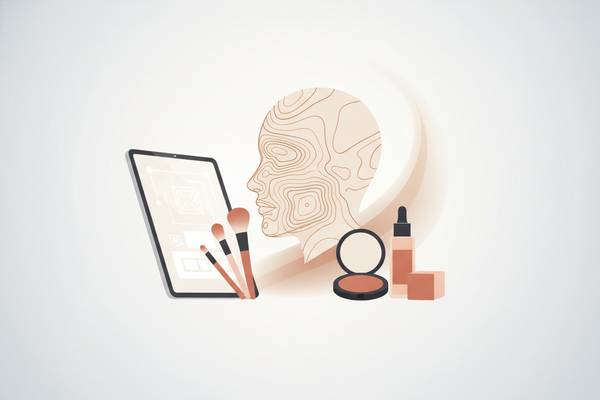
Artificial Intelligence (AI) uses machine learning algorithms, neural networks, and image recognition to analyze datasets, identify skin patterns, and generate personalized skincare recommendations. In 2026, some AI platforms incorporate multimodal data inputs, including 3D skin mapping and biochemical markers, to enhance analysis.
Evolution of AI Recommendations
While early beauty routines were often uniform, modern AI tools may:
- Analyze your skin’s condition, including texture, elasticity, and microbiome balance.
- Integrate lifestyle data such as diet, sleep quality, stress levels, pollution exposure, and hormonal cycles.
- Offer suggestions for hydration, pigmentation correction, barrier repair, and anti-aging based on data.
This shift—from generic regimens to more personalized plans—aims to help improve glow with AI recommendations, though individual results can vary.
Role AI Plays Today
Contemporary AI tools may utilize:
- High-precision selfies and 3D scans to evaluate pores, fine lines, pigmentation, erythema, and skin firmness.
- Tracking over time to compare baseline and progress photos with AI-driven metrics.
- Real-time analysis that can complement expert evaluations in speed and consistency.
AI-driven recommendations often combine deep learning, neural networks, and image analysis with biochemical and environmental data to support regimen effectiveness.
How AI Recommendations Work to Improve Glow with AI Recommendations
Data Collection
AI tools gather skin and lifestyle data through:
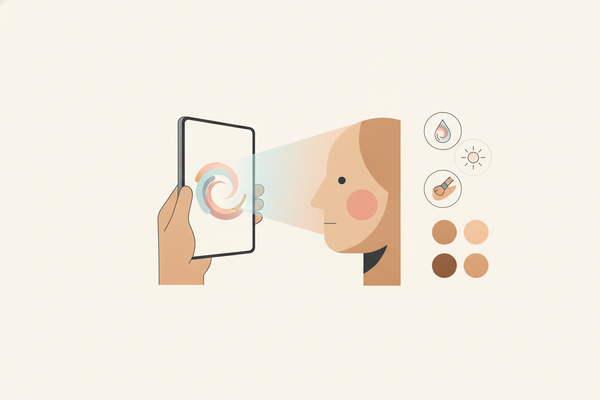
- High-resolution selfies and 3D facial scans captured under standardized natural lighting conditions.
- Questionnaires covering skin type, product history, diet, sleep, hormonal cycle, and stress levels.
- Environmental data such as UV index, pollution levels, humidity, and temperature.
- Optional integration with wearable devices to monitor sleep patterns and stress biomarkers.
Deep Analysis
Algorithms may assess:
- Texture: pore size, smoothness, microrelief, and elasticity.
- Tone: redness, pigmentation, vascular lesions, and overall evenness.
- Hydration: moisture levels, transepidermal water loss (TEWL), and barrier integrity.
- Additional parameters: sebum production, sensitivity markers, and microbiome diversity.
These insights can be cross-referenced against skin health databases to suggest interventions, including ingredient-level recommendations and lifestyle adjustments.
Personalized Routines
Based on analysis, AI may recommend:
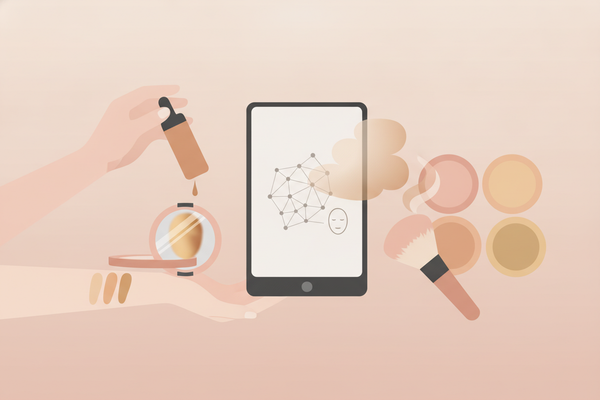
- Specific skincare products and active ingredients such as hyaluronic acid, niacinamide, peptides, ceramides, and bakuchiol.
- Optimized application order and timing for serums, moisturizers, sunscreens, and treatments, including layering techniques.
- Lifestyle modifications—antioxidant-rich diet plans, circadian rhythm-aligned sleep schedules, mindfulness practices for stress reduction, and pollution defense strategies.
Examples of AI-Powered Tools
- L’Oréal Skin Genius – Selfie-based skin mapping with AI-driven product recommendations and AR try-ons.
- Perfect Corp Skin Pro – Examines multiple parameters including wrinkles, pores, hydration, and elasticity with AI-powered progress tracking.
- Neutrogena Skin360 – Tracks skin health over time, integrating environmental and lifestyle data for dynamic routines.
- Cosmi AI Cosmetologist – Provides tips on ingredient efficacy, routine sequencing, and lifestyle optimization.
- Makeup Check AI – Offers customized insights blending makeup and skincare guidance based on selfie analysis and AI diagnostics.
Beauty enthusiasts interested in AI-driven personalization can explore Makeup Check AI for science-based insights aligned with 2026 skincare innovations.
The Benefits of Using AI to Improve Glow with AI Recommendations
- Personalization: Routines tailored to your skin history, genetic factors, and current needs.
- Efficiency & Insight: Data-driven analysis can save time and reduce trial-and-error.
- Potential Results: Users may notice fewer breakouts, plumper skin, more even tone, improved barrier function, and sustained radiance.
- Accessible Expertise: Expert-level advice available anytime, anywhere, reducing the need for frequent clinic visits.
Step-by-Step Guide to Improve Glow with AI Recommendations
- Select a reputable AI skincare tool that prioritizes data privacy and uses updated 2026 algorithms.
- Complete the initial assessment with high-quality images and detailed lifestyle questionnaires.
- Review your personalized report, focusing on ingredient recommendations and lifestyle advice.
- Implement your routine consistently, following AI-suggested product order and timing.
- Track progress regularly using the app’s monitoring features, including photo comparisons and skin metrics.
- Adjust and iterate your regimen based on updated AI feedback and changing skin conditions.
Conclusion and Next Steps: Improve Glow with AI Recommendations
AI personalization in 2026 offers tools to support improving glow with tailored recommendations. By selecting trusted platforms, providing accurate inputs, and following evidence-informed routines, you can work toward a radiant complexion. For personalized, cutting-edge beauty insights, explore Makeup Check AI.
FAQ
How is my data protected?
Choose platforms that comply with data privacy regulations (e.g., GDPR, CCPA), delete images after analysis, encrypt data in transit and at rest, and anonymize personal information.
Are AI recommendations accurate?
Accuracy depends on consistent, high-quality inputs—good lighting, clear images, and honest questionnaires are important. Advances in 2026 AI models have improved precision, but user diligence remains key.
Can I combine AI advice with traditional skincare?
Yes. AI can augment professional care by providing personalized insights but does not replace medical advice, especially for serious dermatological conditions.
How do I verify AI tips?
Cross-check AI recommendations with peer-reviewed dermatological studies, trusted skincare experts, and reputable beauty resources to ensure safety and efficacy.