Debunking Makeup Misconceptions: Essential Facts for Your Beauty Routine
Debunking makeup misconceptions helps you choose products wisely, protect skin health, and boost confidence. Discover factual insights for smarter routines.

Estimated reading time: 10 minutes
Key Takeaways
- Myths vs. Science: Many makeup beliefs stem from marketing or anecdote rather than robust clinical research.
- Ingredient Truths: Both natural and synthetic ingredients are subject to safety assessments; non-comedogenic formulas are designed to minimize breakouts.
- Application Tips: Correct shade matching, tool sanitation, and proper layering can contribute to better results.
- Expert Insights: Dermatologists, cosmetic chemists, and makeup artists provide guidance based on current knowledge.
- Consumer Empowerment: Use credential checks, INCI lists, and patch tests to help evaluate beauty claims critically.
Table of Contents
- Section 1: Defining the Scope of Makeup Misconceptions
- Section 2: Top 7 Common Makeup Misconceptions – Myth vs. Fact
- Section 3: The Impact of Misinformation on Consumers
- Section 4: How to Identify and Avoid Misleading Makeup Information
- Section 5: Expert Opinions and Scientific Evidence
- Section 6: Practical Consumer Advice for Flawless, Informed Makeup Use
- Conclusion
- Additional Resources
Section 1: Defining the Scope of Makeup Misconceptions
Makeup misconceptions are inaccurate beliefs—often rooted in anecdote rather than comprehensive science—about product safety, ingredient efficacy, application techniques, and long-term skin effects. They typically fall into three categories:
- Ingredient Myths: Beliefs such as “harmful chemicals” always lurk in cosmetics or that “natural” always equals safe.
- Application Myths: Strict layering rules or erroneous shade-matching advice.
- Long-Term Effects Myths: Claims that makeup causes premature aging or permanent skin damage.
Many false claims originate from marketing hype and viral trends rather than rigorous lab tests or dermatology consensus. Clarifying these ideas can help support skin health, avoid unnecessary expenses, and improve confidence.
Section 2: Top 7 Common Makeup Misconceptions – Myth vs. Fact
Here are seven common myths, their origins, and the current understanding based on available industry testing and skin science:
- “Expensive makeup is always better.”
Origin: Luxury branding and high price tags.
Fact: Formula quality and suitability matter most—many drugstore brands now use advanced pigment technologies and skin-nourishing ingredients comparable to luxury lines. Price often reflects packaging, marketing, and brand prestige rather than efficacy.
Research: ClothesColorGuide | Makeup by Kiley Smith | Debunking Common Makeup Myths - “Makeup causes acne.”
Origin: Personal stories blaming foundation or concealer.
Fact: Acne is primarily caused by pore congestion, bacteria, and hormonal factors. Many formulations are designed to be non-comedogenic and oil-free, which may reduce the risk of breakouts. Proper hygiene and product choice are important factors.
Research: Makeup by Kiley Smith - “Natural ingredients are always safer.”
Origin: Clean beauty marketing.
Fact: Both natural and synthetic ingredients can cause irritation or allergic reactions depending on individual sensitivity. Safety and efficacy depend on formulation and concentration rather than origin alone.
Research: ClothesColorGuide - “Pumping your mascara wand retrieves more product.”
Origin: Trying to squeeze out every drop.
Fact: Pumping can introduce air into the tube, which may dry out the formula faster and potentially increase bacterial contamination risk. Many modern mascaras use packaging designed to minimize this.
Research: ClothesColorGuide - “Red lipstick suits only certain skin tones.”
Origin: Oversimplified beauty guides.
Fact: Most skin tones can wear red lipstick beautifully. Undertones such as cool blue-based reds or warm orange-based reds can help personalize the look, but preferences vary widely.
Research: ClothesColorGuide | Makeup by Kiley Smith - “Matte lipsticks are always drying.”
Origin: Early matte formulas used waxy bases.
Fact: Some modern matte lipsticks include hydrating ingredients such as hyaluronic acid, squalane, and vitamin E to help maintain moisture, though individual experiences may vary. - “You shouldn’t wear makeup daily.”strong>
Origin: Fear of clogged pores and breakouts.
Fact: Daily makeup use can be safe with proper removal routines, including thorough cleansing and regular tool sanitation. Using non-comedogenic and breathable formulations supports skin health, but individual skin responses differ.
Research: ClothesColorGuide
Section 3: The Impact of Misinformation on Consumers
Misinformation in the beauty world often comes from marketing hype, influencer posts, and viral social media trends. These stories spread quickly but frequently lack scientific proof. Potential effects include:
- Wasted Spending – Buying hype-driven products that may not meet your needs.
- Poor Skin Routines – Using formulas that may irritate or dry out skin.
- Lowered Self-Esteem – Feeling pressured to follow every trend.
- Unhealthy Standards – Chasing unrealistic looks that may affect confidence.
L’Oréal data from 2025 suggests that routine myths can lead consumers to add unnecessary steps or skip essentials like SPF. Psychologists note confirmation bias and decision fatigue as factors in misinformation persistence.
Section 4: How to Identify and Avoid Misleading Makeup Information
Use these four tips to help evaluate beauty claims:
- Verify Credentials
Seek licensed dermatologists, certified makeup artists, or cosmetic chemists. Check for degrees, board certifications, or industry experience on their profiles. - Scrutinize Product Claims
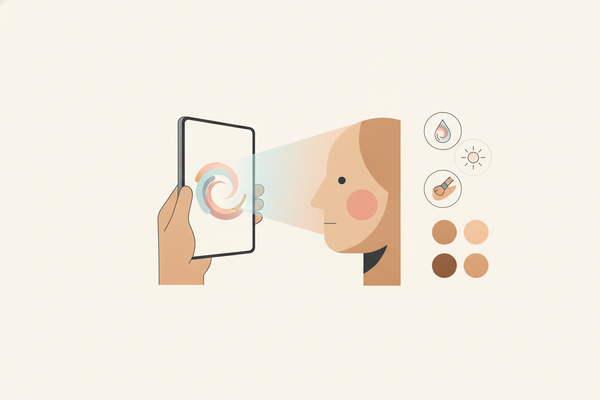
Read the INCI list (full ingredient list). Be cautious of “miracle” or “overnight” language without study references. Look for peer-reviewed clinical tests or precise percentage details on actives. Apps like Makeup Check AI can assist in label scanning and provide safety and efficacy summaries. - Consult Professionals
Book a patch test or virtual consultation with a skincare specialist. Use their advice to select formulas suited to your skin type. - Cross-Reference Multiple Sources
Compare information from ClothesColorGuide and Makeup by Kiley Smith. Check peer-reviewed journals or AAD guidelines. Learn tool usage from the Makeup Check AI Tutorial.
Section 5: Expert Opinions and Scientific Evidence
Insights from professionals help clarify these topics:
Dermatologist Insights (Ingredient Safety & Skin Health)
- Natural vs. Synthetic: Both can cause irritation or benefit skin; individual compatibility varies.
- Daily SPF: Wearing broad-spectrum sunscreen under makeup helps protect against UV-induced aging. Some formulations include SPF without compromising finish.
- Tool Sanitation: Cleaning brushes and sponges regularly with appropriate cleansers reduces bacteria and may help prevent breakouts. UV sanitizers are increasingly accessible.
- Sources: ClothesColorGuide, Makeup by Kiley Smith
Cosmetic Chemist Notes (Formula Stability & Efficacy)
Emollients, Humectants, Preservatives:
- Emollients smooth skin and improve spread (e.g., isododecane, squalane).
- Humectants draw moisture into skin (e.g., glycerin, sodium hyaluronate).
- Preservatives prevent mold and bacteria growth (e.g., phenoxyethanol, ethylhexylglycerin).
- Safe Actives: Retinol up to 1%; AHAs like glycolic acid at 5–10% may be used cautiously; encapsulated vitamin C derivatives can improve stability.
- Example INCI for non-comedogenic foundation: Aqua, Cyclopentasiloxane, Glycerin, Dimethicone, Iron Oxides, Phenoxyethanol, Caprylyl Glycol.
Professional Makeup Artist Tips (Application & Color Theory)
- Foundation Matching: Test along your jawline or neck in natural light; the back of your hand may not be representative.
- Color Theory:
– Warm undertones often pair with yellow or peach primers.
– Cool undertones often pair with pink or lavender primers. - Customized Techniques: Highlight jawline and cheekbones based on face shape and lighting, rather than fixed rules.
- Source: ClothesColorGuide
Section 6: Practical Consumer Advice for Flawless, Informed Makeup Use
Follow these steps to help avoid myths and support skin health:
Patch Test Protocol
- Apply a small dot of product on your inner forearm.
- Wait 24–48 hours for redness, itching, or irritation.
- Discard if you observe a reaction.
Product Selection Checklist
- Skin Type: oily, dry, combination, or sensitive.
- Lifestyle Needs: long-wear vs. breathable, sweat-resistant formulas.
- Ingredient Sensitivities: fragrance-free, non-comedogenic, hypoallergenic options.
Hygiene Best Practices
- Clean brushes weekly with a microbiology-approved cleanser or use UV sanitizers.
- Discard mascara after 3–6 months; replace foundation after 12–18 months to reduce bacterial risk.
Routine Maintenance
- Remove makeup nightly with an appropriate cleanser.
- Double-cleanse if wearing waterproof or long-wear cosmetics.
Ongoing Education
- Subscribe to AAD newsletters and cosmetology journals.
- Follow peer-reviewed beauty science blogs like ClothesColorGuide and Makeup by Kiley Smith.
- Attend virtual masterclasses from certified experts and use AI tools like Makeup Check AI for personalized advice.
Conclusion
Debunking makeup misconceptions can help you develop smarter, safer beauty routines. By clarifying myths, you may save money, support your skin's health, and boost self-esteem. You also gain creative freedom to express yourself without unnecessary worry. Share your own makeup myths and experiences in the comments below, and bookmark this guide as your fact-based beauty check.
Additional Resources
- Makeup Myths Debunked: Separating Fact from Fiction
- Makeup Myths Debunked by a Professional Makeup Artist
- L’Oréal Paris – Makeup Routine Myths
- American Academy of Dermatology (AAD)
- Journal of Cosmetic Dermatology
- Debunking Common Makeup Myths
- Makeup Check AI Tutorial
FAQ
- Q: Can I trust “clean” or “natural” beauty labels? A: Look for transparency—read the full INCI list and check for peer-reviewed safety tests. “Natural” does not always mean non-irritating or safer.
- Q: How often should I sanitize my makeup brushes? A: Weekly cleaning with a microbiology-approved cleanser or use of UV sanitizers can help prevent bacterial buildup and breakouts.
- Q: Is it safe to layer multiple makeup products every day? A: Generally yes—provided you remove everything thoroughly at night, double-cleanse if needed, and use non-comedogenic formulas.
- Q: How do I know if a product is non-comedogenic? A: Check the label or ingredient list for terms like “non-comedogenic.” Look for oil-free and lightweight emollients in the INCI.
- Q: What’s the best way to test a new foundation shade? A: Swatch along your jawline or neck in natural light. Allow the formula a minute to settle before judging the match.