Comparing Makeup Assessment Techniques: How AI Generators Transform Beauty Evaluations
Discover how comparing makeup assessment techniques, including AI makeup generators, redefines beauty evaluations by enhancing accuracy and personalization.

Estimated reading time: 6 minutes
Key Takeaways
- Traditional vs. modern: Expert-led trials offer nuance but lack scale, while digital methods deliver speed and consistency.
- AI makeup generators: Use facial detection and machine learning for personalized, photorealistic virtual try-ons.
- Balanced approach: Combining AI efficiency with human creativity yields optimal beauty evaluations.
- Inclusivity matters: Diverse training data is essential to mitigate algorithmic bias and ensure cultural sensitivity.
Table of Contents
- Overview of Makeup Assessment Techniques
- Deep Dive into Traditional vs. Modern Techniques
- Evaluating the AI Makeup Generator
- Comparative Analysis of Tools
- Expert Opinions and User Testimonials
- Practical Applications and Use Cases
- Conclusion
Section 1: Overview of Makeup Assessment Techniques
Comparing makeup assessment techniques involves evaluating traditional in-person methods against modern digital approaches to identify accuracy, consistency, and user experience.
Traditional Methods
- Manual evaluations by expert makeup artists
- In-person consultations with face-to-face feedback
- Visual rating scales for coverage, color match, and overall appeal
- Strengths: nuanced feedback, expert judgment
- Weaknesses: subjective bias, slow turnaround, limited volume
Source: PLOS ONE article
Modern Digital Approaches
- High-resolution digital imaging and photography
- Facial recognition software to identify landmarks
- AI-driven tools for automated analysis and virtual try-on simulation
- Strengths: objective measurements, scalable UX, rapid feedback
- Weaknesses: potential data bias, lacks creative nuance
Source: Labellerr blog post
Section 2: Deep Dive into Traditional vs. Modern Techniques
Traditional Makeup Assessment
- Experts score attributes using standardized rating scales
- Artists assess undertones, face shape, and lighting in real time
- Limitations: subjective bias, time-consuming, limited scalability
Source: PLOS ONE article
Modern Digital Tools
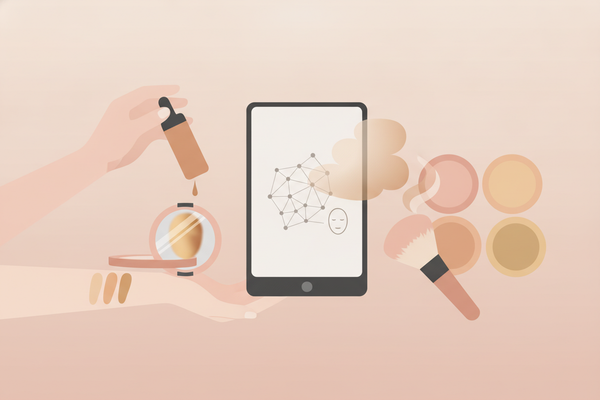
- Software maps facial landmarks and identifies skin features
- Virtual try-on overlays that adjust dynamically
- Machine learning models match and render makeup looks automatically
- Advantages: objective analysis, engaging UX, at-home accessibility
For further insights on AI vs. human assessment, refer to this comparison guide.
Section 3: Evaluating the AI Makeup Generator
Technical Workflow
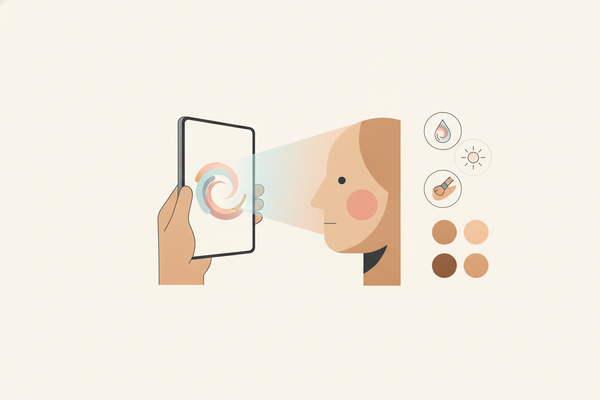
- Face Detection: Locates facial boundaries using computer vision
- Facial Feature Analysis: Measures eye shape, lip contour, and skin tone
- Algorithmic Matching & Simulation: Renders photorealistic previews of recommended looks
Source: Labellerr blog post
Benefits & Limitations
- Benefits: speed, scalability, personalization, consistency
- Limitations: risk of algorithmic bias, lack of human nuance
For an example of an AI-driven assessment tool, check out Makeup Check AI, which analyzes facial features and generates personalized makeup suggestions in seconds.
Section 4: Comparative Analysis of Tools
- Accuracy: expert judgment vs. AI trained on diverse datasets
- Consistency: art-based variability vs. standardized algorithmic outputs
- Ease of Use: scheduled appointments vs. on-demand app access
- Cost-Effectiveness: high labor costs vs. low marginal cost at scale
- Scalability: limited by expert availability vs. virtually unlimited AI capacity
Scenario Call-Outs:
- Large-Scale Retail: AI-driven virtual try-ons outperform manual demos
- High-Fashion Shoots: Human expertise still delivers bespoke artistry
Section 5: Expert Opinions and User Testimonials
“AI democratizes beauty guidance, making professional-level advice accessible to everyone.” – Senior Makeup Artist, BeautyTech Conference 2026
“Dataset diversity is key. Without balanced training sets, AI risks reinforcing colorism and cultural bias.” – Data Scientist, Cosmetic Research Lab
Source: Labellerr blog post
User Case Study: An online retailer saw a 35% increase in conversions after integrating AI-powered try-ons (GoNative AI report).
Section 6: Practical Applications and Use Cases
- Professionals & Salons: hybrid AI previews + expert fine-tuning
- Consumers: at-home virtual try-ons for confident purchases
- Brands & Retailers: data-driven product development and targeted campaigns
2026 Update: Many major beauty retailers now integrate AI try-on at both online and in-store kiosks, with seamless syncing to customer profiles for personalized recommendations. Leading apps, including Makeup Check AI, offer real-time AR overlays with improved accuracy for diverse skin tones and lighting conditions. Most top-tier AI platforms now include privacy-by-design features, ensuring user data is securely processed and deleted after analysis.
Conclusion
Comparing makeup assessment techniques reveals that a blend of AI-driven generators and human artistry delivers superior efficiency, personalization, and creative insight. In 2026, reducing algorithmic bias and expanding AI’s creative capabilities remain essential for inclusive, culturally aware beauty evaluations. With ongoing advances—like the integration of generative AI for custom looks and federated learning for better privacy—users can expect even more tailored and ethical beauty experiences.
FAQ
- Q: What is an AI makeup generator?
A: It’s a digital tool that uses facial detection and machine learning to simulate and recommend makeup looks in real time. As of 2026, leading generators also use generative AI to create unique, personalized looks based on user preferences and occasion. - Q: How do traditional methods differ from AI tools?
A: Traditional methods rely on expert judgment and in-person consultations, while AI tools offer rapid, scalable, and consistent virtual try-ons. Modern AI apps now support real-time AR overlays and can adapt to a broader range of skin tones and lighting environments. - Q: Are AI recommendations accurate?
A: Accuracy has improved in 2026 thanks to more diverse datasets and better algorithms. Top tools now provide high-fidelity suggestions and allow user feedback to refine results, but creative nuance from human artists still adds value. - Q: Can AI replace human makeup artists?
A: AI excels at efficiency and scalability, but human expertise remains vital for creative nuance and personalized artistry. The most effective solutions blend both, letting users preview automated looks and then consult professionals for refinement. - Q: How much do AI makeup assessment tools cost in 2026?
A: Many consumer-facing apps offer free basic try-ons, with premium features (like advanced AR, saved looks, or professional consultations) available via subscription, typically ranging from $5–$20/month. Enterprise solutions for retailers and brands are priced according to usage and customization. - Q: What privacy protections are in place?
A: In 2026, top apps—including Makeup Check AI—employ privacy-by-design frameworks, encrypt user images, and delete them after analysis. Many platforms also offer on-device processing, so photos never leave the user’s phone.