How Community-Driven Makeup Trends Are Reshaping the Beauty Industry
Discover how community-driven makeup trends are reshaping the beauty industry, fostering authenticity and rapid innovation through peer collaboration and social media.

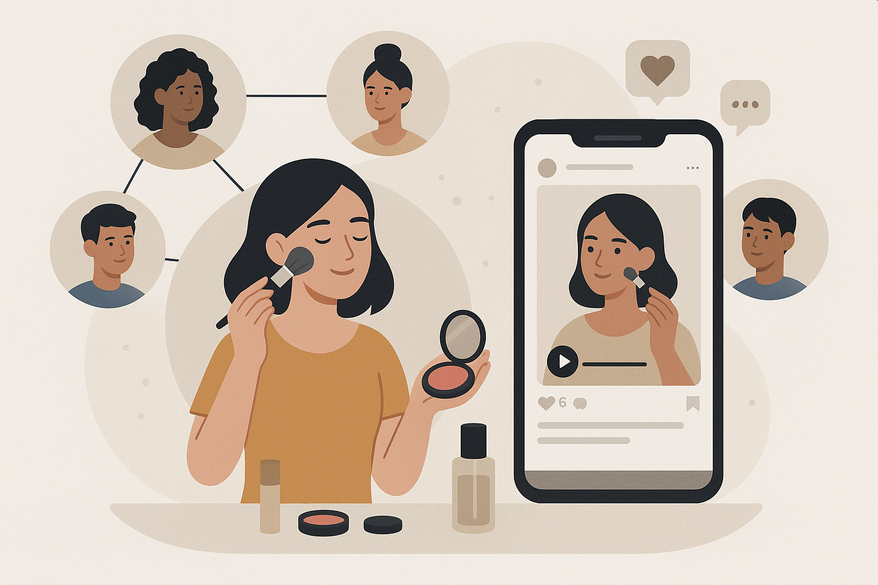
Estimated reading time: 7 minutes
Key Takeaways
- Community-driven trends empower consumers through peer reviews and collaborative co-creation.
- Social platforms like TikTok, Instagram, YouTube, and beauty forums continue to play a significant role in trend discovery and adoption in 2026.
- Authenticity and fast innovation come with challenges: misinformation, oversaturated feeds, and increasing algorithmic complexity.
- Brands leverage community insights for product development and authentic marketing, increasingly exploring AI analytics to identify emerging trends.
- Consumers can engage by spotting genuine trends, contributing tutorials, and joining niche communities across emerging platforms and decentralized social spaces.
Table of Contents
- Section 1: Defining Community-Driven Makeup Trends
- Section 2: How Trends Thrive on Instagram, TikTok, YouTube, Beauty Forums, and Emerging Platforms
- Section 3: Authenticity, Misinformation, and Trend Cycles
- Section 4: Incorporating Trends: Product Development and Marketing
- Section 5: Practical Tips for Consumers
- Conclusion
- FAQ
Section 1: Defining Community-Driven Makeup Trends
Community-driven makeup trends continue to evolve in 2026 as enthusiasts, influencers, and everyday users collectively champion and refine new looks—eschewing traditional top-down directives. As noted by Oona Agency, this democratization of trendsetting places power increasingly in the hands of passionate consumers who utilize digital tools.
Examples of user-shared makeup transformations illustrate how grassroots looks can gain significant visibility within hours, often aided by AI-powered content recommendation engines.
Key Differences from Traditional Trends
- Traditional: Relies on runway shows, celebrity endorsements, and scripted ad campaigns with longer lead times.
- Community-driven: Fueled by viral tutorials, candid peer reviews, co-creation, and real-time social feedback loops.
Core Elements
- Peer Reviews: Honest, detailed feedback on formula performance, shade inclusivity, longevity, and ethical sourcing.
- Influencers & Micro-Influencers: Act as bridges between mainstream brands and niche communities, with micro-influencers often gaining increased trust due to relatability.
- Social Media: Live demos, quick hacks, trend challenges on TikTok and Instagram remain dominant, while newer platforms like BeReal and decentralized social apps gain niche traction.
Armed with smartphones, AI-powered editing tools, and a desire for authenticity, early adopters ignite trends through comments, polls, and video replies—sometimes outpacing traditional media timelines.
Section 2: How Community-Driven Makeup Trends Thrive on Instagram, TikTok, YouTube, Beauty Forums, and Emerging Platforms
Social platforms and online forums remain important for trend discovery, validation, and longevity in 2026.
Platform Roles
- Instagram & TikTok: Continue as hubs for bite-sized tutorials, before-and-after reels, viral challenges, and augmented reality (AR) try-on filters that let users experiment virtually.
- YouTube: Hosts long-form breakdowns, in-depth reviews, comparison videos, and interactive livestreams with real-time Q&A.
- Beauty Forums & Brand Communities: Peer Q&A, group feedback on Reddit’s r/MakeupAddiction, Sephora’s Beauty Insider, and newer decentralized communities on platforms like Mastodon and Discord.
Case Studies & Examples
- Glossier’s “Glossier girl” aesthetic, which originated from user-generated minimal-makeup selfies on Instagram, remains influential and has inspired sustainable beauty initiatives.
- Sephora Beauty Insider Community actively participates in product feedback and hosts influencer-led live tutorials, with some brands exploring AI tools to analyze community sentiment to guide R&D.
- Kruidvat’s co-creation campaign invited creators to submit looks that evolved into limited-edition collections, with some exploration into digital collectibles tied to physical products.
Section 3: Authenticity, Misinformation, and Trend Cycles in Community-Driven Makeup Trends
Benefits for Consumers
- Authenticity: Real-world wear tests, honest opinions, and transparent ingredient disclosures are increasingly valued.
- Relatability: Diverse voices across skin tones, ages, gender identities, and lifestyles continue to enrich the trend landscape.
- Innovation: Rapid emergence of niche hacks like “glass skin,” “soap brows,” and newer trends such as “bio-luminescent makeup” enhanced by cosmetic-grade light-reflecting pigments.
Challenges
- Misinformation: Unverified tips (e.g., unsafe acid mixing, misuse of skincare devices) remain a concern, amplified by the speed of social sharing.
- Rapid Trend Cycles: Oversaturation and algorithm-driven feeds can overwhelm slower adopters and create fleeting hype cycles.
- Algorithmic Bias: There is growing awareness of how platform algorithms may favor certain creators or aesthetics, potentially limiting diversity.
Balancing excitement with safety requires transparent labeling, expert vetting, community moderation, and inclusive practices to mitigate risk while preserving innovation and diversity.
Section 4: Incorporating Community-Driven Trends: Product Development and Marketing
Leading brands in 2026 increasingly harness community insights to co-create and refine products, exploring AI analytics to mine social data for trend signals. See community success stories in community makeup success stories.
- Product Development: Crowdsourcing ingredient preferences, shade-naming contests, packaging feedback, and sustainability input via interactive polls and AI sentiment analysis.
- Marketing: Featuring real consumer content—selfies, tutorial clips, honest reviews—in ads, galleries, and immersive AR/VR experiences.
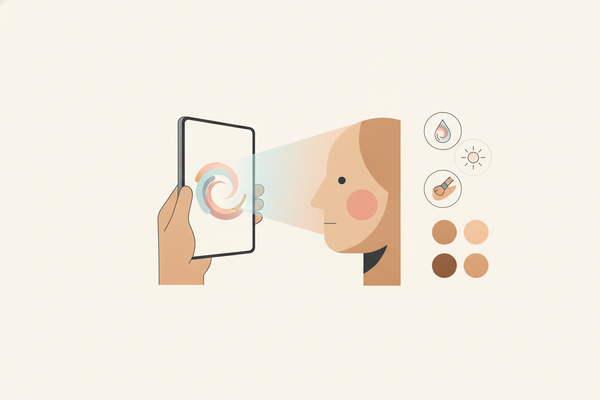
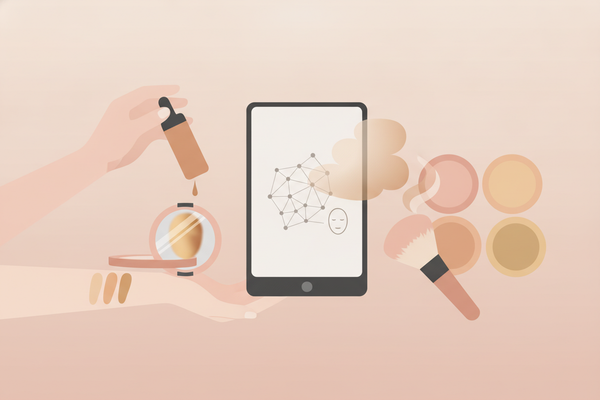
- Technology Integration: AI-powered shade matching and virtual try-ons are increasingly common in e-commerce, enhancing personalization and potentially reducing returns.
Section 5: Practical Tips for Consumers: Engaging with Community-Driven Makeup Trends Online
How to Spot Genuine Trends
- Consistency: Styles mentioned by multiple creators across platforms, supported by diverse, repeat user-generated content.
- Validation: Backed by tutorials, wear tests in varied conditions, and transparent ingredient or technique disclosures.
- Community Endorsement: Engagement through comments, shares, and collaborative remixing of looks.
Ways to Engage
- Follow Reputable Channels: Beauty forums, micro-influencers, brand communities on Facebook, Discord, and emerging decentralized social apps.
- Use & Create Hashtags: Tag posts with #makeupcommunity, #beautytrends, #soapbrows, #glassskin, and new trend-specific tags like #bioluminescentmakeup.
- Contribute Reviews & Tutorials: Share honest feedback, swatches, step-by-step videos, and virtual try-on experiences.
- Leverage AI Tools: Use apps like Makeup Check AI for shade matching and trend analysis to enhance your routine.
Conclusion
Community-driven makeup trends are reshaping the beauty industry by shifting power from top-down campaigns to peer-to-peer collaboration. Embracing this shift can lead to greater authenticity, faster innovation, and a beauty landscape that more closely reflects real people’s needs and creativity. For an easy way to incorporate AI-powered shade matching and trend analysis into your routine, check out Makeup Check AI.
FAQ
What are community-driven makeup trends?
Trends co-created by consumers, influencers, and enthusiasts through peer reviews, tutorials, and social-media sharing—rather than solely brand-led campaigns.
How can I identify authentic trends?
Look for consistency across multiple creators, in-depth tutorials, repeat user-generated content, and real-world wear tests in varied conditions.
What are the risks of following unverified beauty tips?
Unverified advice—like mixing acids or using non-cosmetic tools—can cause skin irritation or damage. Always research, consult professionals, and rely on vetted sources when needed.
How do brands use community insights in product development?
Brands crowdsource ingredient preferences, hold shade-naming contests, gather packaging feedback, and feature real consumer content in marketing to better align products with consumer needs, often exploring AI trend analysis.