Breakdown of Makeup Ingredients: A Guide to Cosmetic Formulations with AI Insights
Explore the breakdown of makeup ingredients using AI-driven insights to choose safer, high-performance cosmetics for skin health and beauty.


Estimated reading time: 8 minutes
Key Takeaways
- Ingredient roles: binders, emollients, pigments, preservatives, emulsifiers, thickeners.
- Ingredient categories: active, inert/base, supportive agents, pigments and colorants.
- AI-driven analysis reads INCI lists, flags potential hazards, decodes scientific names, and estimates concentrations.
- Consumer tips: favor short lists, patch-test, seek hypoallergenic and dermatologically tested labels.
Table of Contents
- Understanding Makeup Formulations
- Detailed Breakdown of Makeup Ingredients
- How AI Assists in Ingredient Analysis
- Consumer Relevance and Safety Concerns
- Conclusion
Understanding Makeup Formulations
Makeup formulation is the precise mix of chemical and natural substances used to create a cosmetic product. It must balance multiple factors to help ensure quality and user satisfaction:
- Stability — aiming for a long shelf life without ingredient separation or degradation, typically 12 to 36 months depending on packaging and preservatives.
- Texture — achieving smooth glide, spreadability, and the desired finish (matte, dewy, satin).
- Safety — utilizing ingredients generally regarded as safe and compliant with current regulatory standards.
- Performance — delivering pigment payoff, hydration, shine, or other functional benefits.
Core components include:
- Binders and Carriers: water, plant oils, and waxes serve as vehicles for actives and pigments, e.g., Aqua (water), Helianthus Annuus Seed Oil (sunflower oil), Cera Alba (beeswax).
- Emollients: silicones such as dimethicone, natural oils, and waxes provide softness and spreadability while improving skin feel.
- Preservatives: commonly used preservatives like phenoxyethanol, ethylhexylglycerin, and benzyl alcohol help prevent microbial growth; some formulas still use parabens within regulated limits.
- Pigments: iron oxides, titanium dioxide, mica, and synthetic pigments provide color and UV protection.
- Emulsifiers: polysorbates, cetyl sulfate, and bio-based emulsifiers stabilize oil-water mixtures for consistent texture.
- Thickeners and Stabilizers: xanthan gum, carbomers, and cellulose derivatives control viscosity and product consistency.
Understanding these building blocks helps explain why a formula feels rich or light, sheer or full-coverage, and how it interacts with your skin.
Detailed Breakdown of Makeup Ingredients
Below are four main ingredient categories, their roles, common examples with typical INCI names, and typical concentration ranges:
- Active Ingredients
Provide targeted benefits such as anti-aging, hydration, or brightening:
• Retinol (INCI: Retinol; 0.1–1.0%) — supports cell turnover and may reduce wrinkles
• Hyaluronic Acid (INCI: Sodium Hyaluronate; 0.1–2.0%) — hydrates and plumps skin
• Vitamin C (INCI: Ascorbic Acid or Ascorbyl Tetraisopalmitate; 5–20%) — antioxidant and brightening effects
• Peptides (e.g., Palmitoyl Tripeptide-1; 0.01–5%) — may stimulate collagen production
• Niacinamide (INCI: Niacinamide; 2–10%) — supports skin barrier and tone - Inert/Base Substances
Serve as carriers, solvents, or texture enhancers:
• Purified Water (INCI: Aqua; 50–80%)
• Propylene Glycol (INCI: Propylene Glycol; 2–10%)
• Sunflower Oil (INCI: Helianthus Annuus Seed Oil; 5–20%)
• Squalane (INCI: Squalane; 1–15%) — lightweight emollient derived from plants or synthetic sources - Supportive Agents (Adjuvants)
Help maintain stability, texture, and preservation:
• Emulsifiers (Polysorbate 20; 1–5%, or bio-emulsifiers like Lecithin)
• Preservatives (Phenoxyethanol; 0.5–1.0%, Ethylhexylglycerin; 0.3–1.0%)
• Thickeners (Xanthan Gum; 0.1–1.0%, Carbomers; 0.2–1.0%)
• Antioxidants (Tocopherol / Vitamin E; 0.1–2%) to help protect formula integrity - Pigments and Colorants
Provide shade, opacity, and special effects:
• Iron Oxides (INCI: CI 77491, CI 77492, CI 77499; 1–15%)
• Titanium Dioxide (INCI: Titanium Dioxide; 2–25%)
• Synthetic Dyes (Red 7 Lake, Blue 1 Lake; 0.1–5%)
• Mica and Glitter (mica derivatives; 1–10%) for shimmer and glow
Comparing these classes can help consumers identify product types—such as high-wax mascaras, pigment-rich foundations, or retinol serums—by their ingredient profiles.
How AI Assists in Ingredient Analysis
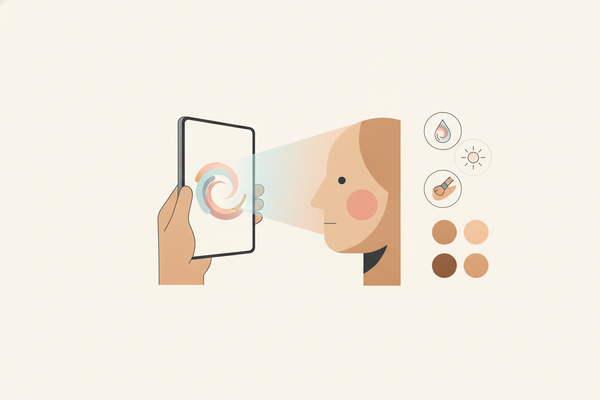
- Automated Ingredient Scanning: AI algorithms read INCI lists from product labels or databases, identifying potential allergens, irritants, and restricted substances.
- Consumer-Friendly Decoding: complex chemical names like “Sodium Laureth Sulfate” are translated into simpler terms such as “foaming agent that may irritate sensitive skin.”
- Predictive Function and Purity: AI estimates ingredient concentrations based on their order in the list and typical formulation data, supporting safety assessments.
- Big-Data Trend Spotting: by analyzing many formulas worldwide, AI can detect emerging risk factors, ingredient popularity, and regulatory changes.
Case Study (Hypothetical): ScanMyShade App
1. The user scans a lipstick label with their smartphone camera.
2. AI parses 30+ ingredients, highlighting “Parabens: potential allergen,” “Titanium Dioxide: physical sunscreen,” “Mica: natural shimmer.”
3. A safety rating appears (e.g., 7/10), factoring in allergen presence and concentration estimates.
4. The app suggests paraben-free, fragrance-free alternatives with similar color and texture profiles.
Watch how AI-powered ingredient analysis works:
For more on AI-led ingredient insights, visit AI cosmetic ingredient analysis.
Try it yourself with Makeup Check AI to decode ingredients and flag potential irritants instantly with an up-to-date database.
Consumer Relevance and Safety Concerns
Ingredient literacy supports informed choices in today’s beauty landscape:
- Irritants and Allergens: watch for parabens (still used in some markets), artificial fragrances, certain synthetic dyes, and sulfates, especially if you have sensitive skin.
- Sensitive and Acne-Prone Skin: prefer products labeled non-comedogenic; some heavy oils like mineral oil or coconut oil may clog pores for some individuals.
- Clean vs. Conventional: “Clean beauty” often means formulations free from sulfates, phthalates, synthetic dyes, and microplastics, but definitions vary; always verify ingredient lists.
Regulatory Overview
• INCI Labeling remains mandatory in most regions, listing ingredients by descending weight concentration (top five ingredients typically constitute the bulk of the formula).
• The EU continues to ban or restrict numerous substances; the FDA emphasizes ingredient transparency and adverse event reporting.
• New regulations emphasize microplastic bans and stricter allergen labeling.
Practical Tips for Consumers
1. Favor short, recognizable ingredient lists with minimal synthetics.
2. Use AI-powered safety apps like Makeup Check AI for ingredient decoding.
3. Check expiration dates and avoid vague terms like “fragrance” or “parfum.”
4. Always patch-test new products, especially if you have sensitive skin.
5. Look for labels such as “Fragrance-free,” “Hypoallergenic,” “Dermatologist tested,” and “Non-comedogenic.”
Conclusion
A clear breakdown of makeup ingredients helps reveal the purpose behind every binder, emollient, active, and pigment. Armed with this knowledge and AI-driven analysis, you can better flag potential allergens, decode complex INCI names, and select products that balance safety and performance. Consider using AI tools to build a personalized, transparent, and informed cosmetic routine.
FAQ
- What does “INCI” stand for?
A: International Nomenclature of Cosmetic Ingredients. - How can AI help me select safer cosmetics?
A: It parses INCI lists, flags potential hazards, estimates concentrations, and suggests safer alternatives quickly. - Are “clean” beauty products always better?
A: Not necessarily; always review the ingredient list for potential irritants and allergens, regardless of marketing claims. - What should I look for on a skincare label?
A: Seek non-comedogenic, hypoallergenic, and dermatologist-tested tags; avoid vague terms like “fragrance.”