How to Build an AI-Enhanced Makeup Showcase: Transform Your Portfolio
Learn how to build an ai-enhanced makeup showcase to transform your portfolio with AI tools. Enhance visuals, improve engagement, and stay ahead in beauty.

Estimated reading time: 12 minutes
Key Takeaways
- AI-driven trend analysis can provide artists with data-backed insights to support creativity.
- AR simulations and generative tools enable virtual try-ons and personalized recommendations.
- Integrated AI features can help streamline portfolio management and enhance client engagement.
- Ethical and inclusive practices are important to ensure diverse representation and maintain artistic authenticity.
- Future outlook: immersive AR and personalization technologies may further evolve makeup showcases.
Table of Contents
- Understanding AI in the Makeup Industry
- Benefits of an AI-Enhanced Showcase
- Implementing AI Tools in Your Portfolio
- Real-World Examples and Case Studies
- Challenges, Considerations, and Best Practices
- Future Trends in AI for Makeup Artistry
- Conclusion
Understanding AI in the Makeup Industry
Artificial intelligence in beauty uses advanced algorithms to analyze social media feeds, runway images, and client feedback. As of 2024, key AI capabilities are being applied to enhance makeup showcases:
- Trend Analysis: AI leverages multimodal data sources including TikTok, Instagram Reels, and other platforms to identify evolving color palettes and makeup techniques (CreativePixel.ai, Miquido).
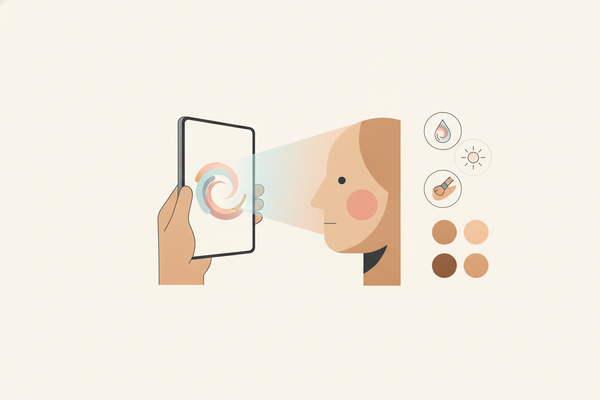
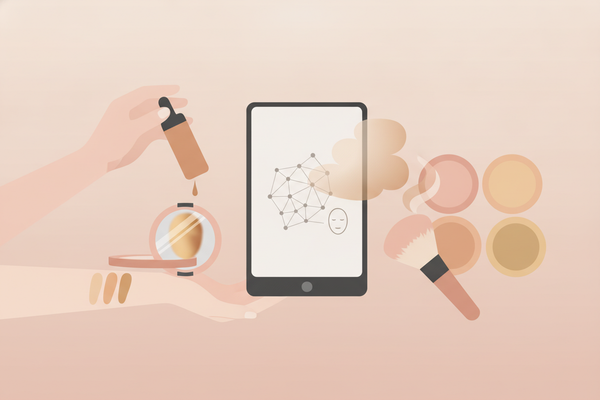
- Personalized Recommendations: Skin-tone mapping technologies integrate imaging and environmental lighting data to offer personalized style suggestions via smart mirrors and mobile apps (Perfect Corp, QC Makeup Academy).
- AR Simulations: Live video and selfie inputs support realistic makeup rendering with dynamic lighting and texture adaptation—see our updated augmented reality makeup tutorial.
Benefits of an AI-Enhanced Showcase
Enhanced Presentation
- Realistic textures and precise blends can elevate portfolio visuals, including micro-detailing such as skin pores and subtle sheen (CreativePixel.ai).
- Virtual test runs allow artists to experiment with looks and lighting conditions before live application (Miquido).
Efficiency and Innovation
- Automated editing tools may include AI-driven color grading and lighting correction tailored to skin undertones, potentially reducing manual retouching time (MakeupCheckAI).
- Instant gallery updates and “try-on” widgets powered by generative AI can keep portfolios fresh and interactive.
Competitive Edge
- Interactive lookbooks with embedded AI analytics can deepen client engagement by tracking preferences and suggesting personalized follow-ups.
- Data-driven insights may help refine content strategy and marketing approaches, potentially improving conversion rates and client retention (MakeupCheckAI).
Implementing AI Tools in Your Portfolio
Consider using Makeup Check AI—an AI Makeup Generator updated with shade analysis, lighting adaptation, and instant look generation features.
Popular AI Tools and Apps
- Modiface (L’Oréal): Photo-real AR try-ons with skin texture mapping and environmental lighting simulation (Source).
- Perfect Corp Suite: Skin-tone analysis, live AR makeovers, and AI-driven product matching (Source).
- Estée Lauder Voice Assistant: Voice-guided tutorials with multilingual support and accessibility improvements (Source).
- AI Portfolio Builders: Platforms like Wix, Squarespace, and Pixpa offer smart galleries with AI-powered analytics and dynamic content optimization (Source).
- Makeup Portfolio Builder AI: Automated layouts, AI-curated suggestions, and integration with social media platforms (Source).
Step-by-Step Integration Guide
- Define Your Concept: Select signature looks that reflect current trends and your unique style, aligning with your brand identity.
- Choose Matching Tools: Prioritize simulation, personalization, and automation features that complement your workflow.
- Curate Assets: Use AI-powered tools to correct color casts, ensure lighting consistency, and enhance image quality.
- Personalize UX: Embed interactive lookbooks, voice-assistant guides, and AI chatbots for client engagement.
- Update & Analyze: Regularly track views, clicks, and client feedback using AI analytics to refine and evolve your showcase.
Real-World Examples and Case Studies
Perfect Corp Collaboration
- Reported increases in e-commerce conversions by integrating AI-powered virtual try-ons and personalized recommendations (Source).
Estée Lauder’s Inclusivity Tools
- Expanded voice-enabled assistant features for visually impaired users with multilingual support and enhanced accessibility (Source).
Independent Artists
- AI-enhanced galleries with dynamic content and analytics have reportedly increased international inquiries and bookings (Source).
Challenges, Considerations, and Best Practices
Challenges
- Technical learning curve can be a barrier; many platforms offer tutorials and community support.
- Subscription costs vary; consider scalability and ROI when selecting tools.
- Preserving your unique style is important—*augment, don’t replace* your artistry with AI (MakeupCheckAI).
Best Practices
- Transparent Simulations: Clearly label AI-rendered images to build client trust and maintain authenticity.
- Ongoing Training: Stay updated on AI features, data privacy regulations, and ethical considerations.
Ethical Note: Ensure AI models are tested on diverse faces to help avoid bias and promote inclusivity (Miquido).
Future Trends in AI for Makeup Artistry
- Immersive AR & AI Video Tutorials: The beauty “metaverse” may expand with voice-guided, interactive lessons and virtual masterclasses accessible globally (QC Makeup Academy).
- Hyper-Personalized Looks: Cross-device try-ons via smart mirrors, wearables, and mobile apps aim to offer seamless, real-time customization (Source).
- Data-Driven Product Development: Integrated feedback loops from AI try-ons and client preferences may accelerate new shade and formula creation.
- AI-Enhanced Sustainability: AI could optimize product usage recommendations to reduce waste and promote eco-friendly beauty routines.
Conclusion
An AI-enhanced makeup showcase combines algorithms, augmented reality, and personalization to support portfolio presentation and client engagement. By choosing appropriate tools, following a clear roadmap, and prioritizing ethical practices, makeup artists can enhance their presence in a competitive and evolving industry. Consider exploring AI integration to complement your artistry.
FAQ
- What is an AI-enhanced makeup showcase?
It’s a portfolio enriched with AI-driven trend analysis, AR simulations, and personalized recommendations that support creativity and client interaction. - Do I need coding skills to use these tools?
Most platforms offer intuitive, user-friendly interfaces requiring no coding experience. - How do I ensure my showcase remains authentic?
Use AI to augment your creativity, clearly label AI-generated content, and maintain manual artistry where it matters most. - Which tool is best for beginners?
Start with Makeup Check AI or AI-powered website builders like Wix or Squarespace for quick, effective setups. - What’s next after launching my AI portfolio?
Leverage analytics to refine your looks, expand your offerings, and explore emerging AR and AI features to stay current.