AI Beauty System Solution: The Ultimate Personalized Beauty Experience
Discover the AI beauty system solution for tailored skincare, makeup, and hair routines. See how AI transforms beauty with personalized reports and tutorials.

Estimated reading time: 16 min
Key Takeaways
- AI beauty system solutions deliver hyper-personalized makeup, skincare, and hair recommendations based on real-time facial analysis.
- Ingredient guides, routine layering, and product comparisons are tailored to your skin type and goals for optimal results.
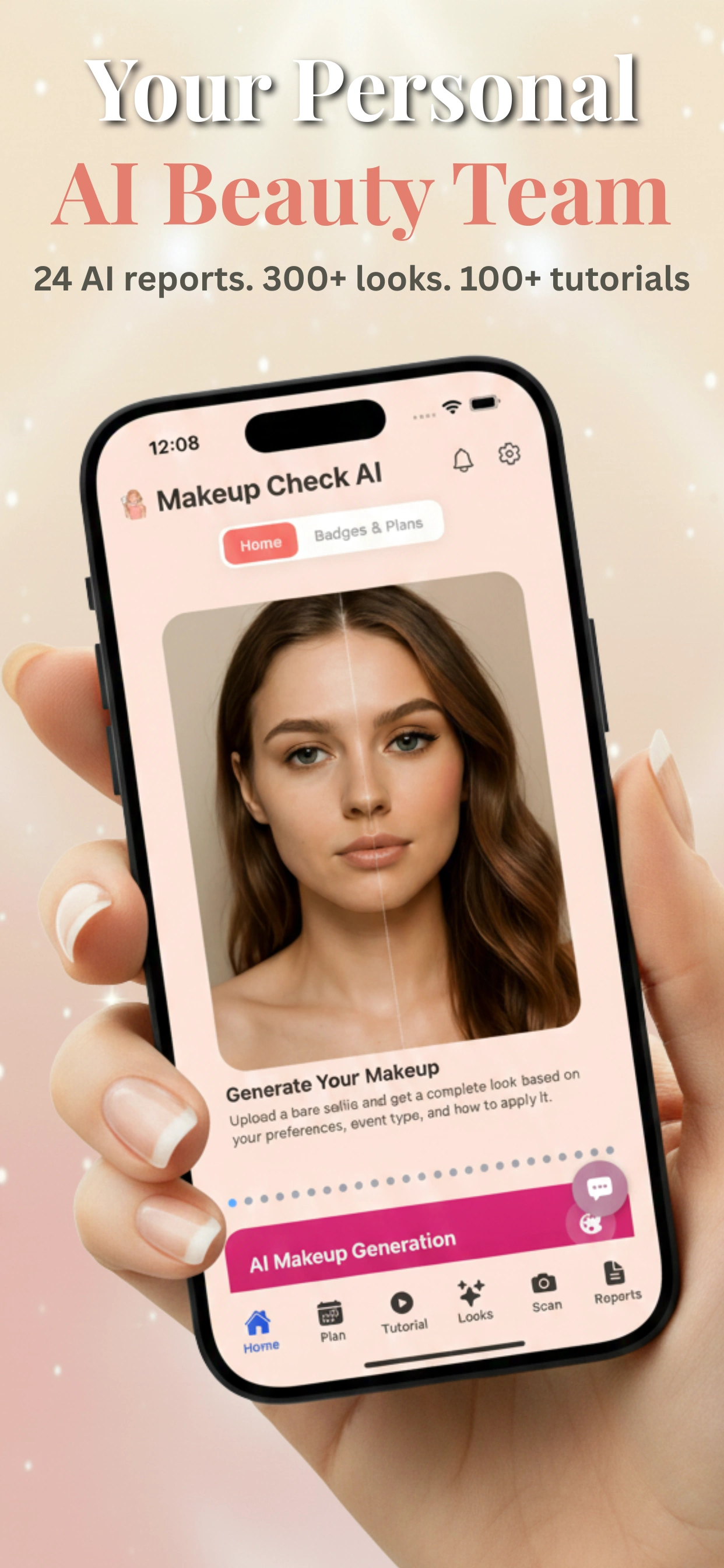
- Makeup Check AI provides 24 AI-powered reports, 300+ look try-ons, and 100+ tutorials for a complete beauty experience.
- The system leverages science-backed data, user reviews, and expert insights to refine your regimen and product choices.
- Built-in trend monitoring and expert FAQ hubs keep your beauty routine fresh, informed, and on point year-round.
Table of Contents
- Section 1: What Is an AI Beauty System Solution?
- Section 2: How AI Transforms Personalized Skincare
- Section 3: Ingredient Guides and Science-Backed Routines
- Section 4: Makeup, Hair, and Fashion Personalization
- Section 5: Routine Layering, Tutorials, and Daily Guidance
- Section 6: Product Comparisons, Reviews, and Buying Advice
- Section 7: Expert Insights, User Content, and Trend Adaptation
- Conclusion
- FAQ
Section 1: What Is an AI Beauty System Solution?
Defining AI Beauty Systems
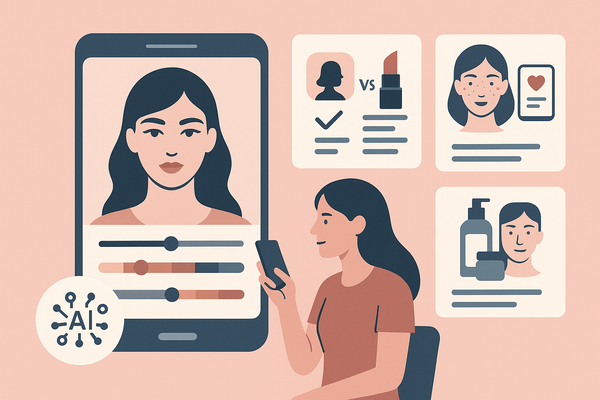
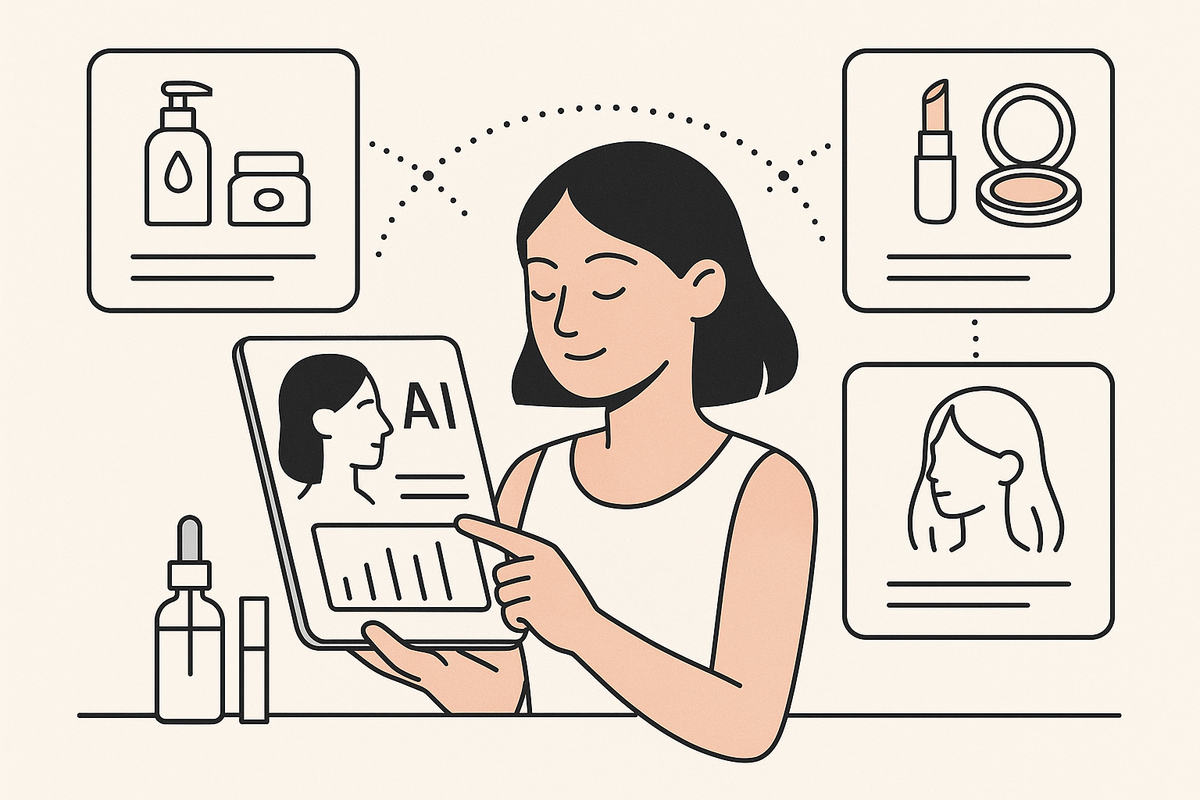
An AI beauty system solution is a comprehensive digital platform that uses artificial intelligence to analyze, recommend, and customize every aspect of beauty routines. These systems scan your face, assess your skin, and consider your preferences to deliver actionable insights for makeup, skincare, and haircare.
- Automated facial scanning for skin analysis, facial symmetry, and color season detection
- Data-driven recommendations for product selection and usage
- Continuous learning from user feedback and community trends
AI beauty system solutions combine several technologies—such as computer vision, deep learning, and big data analytics—to create a seamless experience. For example, by leveraging advanced facial landmark detection, the app can analyze over 50+ facial points to determine face shape, symmetry, and underlying skin conditions. This granular approach allows for an unprecedented level of personalization, going far beyond static quizzes or self-reported surveys. The system also collects anonymized, aggregate data to constantly refine its algorithms—so as more people use the platform, recommendations become smarter and more accurate.
Why AI Is Revolutionizing Beauty
Traditional beauty advice often relies on generic tips or trial and error. In contrast, an AI beauty system solution personalizes advice by considering:
- Skin concerns like acne, hyperpigmentation, or sensitivity
- Ingredient compatibility and routine sequencing
- Real-time imaging for ongoing progress tracking
Apps like Makeup Check AI push this further by offering a full suite of tools: 24 AI-powered reports, 300+ makeup looks, and daily beauty plans. This makes the journey from diagnosis to transformation seamless and data-driven.
AI revolutionizes beauty by eliminating guesswork. Instead of a one-size-fits-all approach, the system dynamically adjusts recommendations as your skin changes due to factors like seasons, hormones, lifestyle, or aging. For instance, if your skin becomes drier in winter, the AI adapts your routine to focus on hydration and barrier repair, and can even send reminders to increase water intake or avoid harsh exfoliants. Over time, the app builds a longitudinal profile of your skin, allowing it to predict and prevent future issues. This is a fundamental leap forward from the static routines of the past.
Key Features of Modern AI Beauty Solutions
- Instant color season analysis and personalized look generation
- Ingredient-level recommendations based on skin type and allergies
- Automated progress tracking and adaptive tutorials
- Community-driven content and expert Q&A hubs
For more background on how AI is revolutionizing the beauty industry, explore Makeup AI: Revolutionizing Beauty with Personalized Technology.
Modern AI beauty solutions are more than just a collection of features—they’re ecosystems. For example, Makeup Check AI integrates a personal dashboard where you can store your favorite looks, keep a running log of your progress photos, and access a library of ingredient research. Users can also interact with a virtual beauty coach, ask questions, and join challenges (such as a 30-day routine consistency challenge) to boost motivation. The social and community aspects foster ongoing engagement, while automated reminders and feedback loops ensure that routines adapt as your needs evolve.
Section 2: How AI Transforms Personalized Skincare
AI-Driven Skin Analysis
AI beauty systems use advanced facial recognition and machine learning to assess:
- Skin texture (pores, fine lines, dryness)
- Color irregularities (redness, hyperpigmentation, dark circles)
- Active breakouts or sensitivity markers
This data is then compared to thousands of anonymized cases, allowing the AI to recommend tailored solutions.
The analysis process typically starts with a high-resolution selfie or video. The AI examines micro-level details—such as pore size, oil distribution, and fine lines—across multiple facial zones (forehead, cheeks, nose, chin). For example, if the system detects an increase in redness around the cheeks and nose, it may interpret this as a sign of barrier disruption or early rosacea, and will adjust recommendations accordingly. The platform can also track changes over time, flagging improvements or new issues before they become visible to the naked eye. This proactive approach helps users maintain optimal skin health and respond quickly to emerging concerns.
Custom Skincare Routines
Once analysis is complete, the system proposes a routine that addresses your specific needs. For example:
- Acne-prone skin: Niacinamide serums, gentle cleansers, non-comedogenic moisturizers
- Hyperpigmentation: Vitamin C, SPF, and exfoliating acids in the right sequence
- Sensitive skin: Fragrance-free hydrating products and barrier-repairing ingredients
AI ensures the routine evolves as your skin changes, based on updated scans and user feedback.
For example, a user dealing with hormonal acne may receive a morning routine focusing on oil control and gentle exfoliation, while the evening routine incorporates calming ingredients like centella asiatica or aloe vera. If the AI detects improvement after two weeks, it may suggest introducing a low-dose retinoid to address post-acne marks. Conversely, if irritation is detected, the system will automatically pare back actives and focus on barrier support. The routines are not static—they evolve with your skin’s progress, lifestyle changes, and environmental factors such as humidity, pollution, or UV exposure.
Solving Real Problems with AI
- Detects subtle changes missed by the naked eye (e.g., early signs of irritation or improvement)
- Flags incompatible product combinations, reducing risk of reactions
- Provides step-by-step instructions and reminders for consistent results
Consider the scenario of a user who begins experiencing flakiness after starting a new exfoliant. The AI cross-references the ingredient list, user skin type, and application frequency to pinpoint the likely cause (e.g., over-exfoliation). It then recommends reducing frequency, adding a ceramide-rich moisturizer, and scheduling a check-in scan after three days. For those with complex routines—such as layering vitamin C, niacinamide, and retinol—the system provides detailed layering diagrams and real-time warnings for ingredient conflicts. Step-by-step reminders help users stay consistent, reinforcing habits that deliver results.
For an in-depth look at the future of personalized routines, see AI Makeup: The Future of Personalized Beauty Routines.
Section 3: Ingredient Guides and Science-Backed Routines
Understanding Ingredients with AI
Choosing the right ingredients is daunting. AI beauty system solutions break down ingredient lists and flag:
- Actives like niacinamide, vitamin C, retinol, and SPF
- Potential irritants (fragrance, alcohol, essential oils)
- Ingredient concentrations and their proven efficacy
This empowers users to select products matched not just to skin type, but also to their unique concerns.
Ingredient analysis goes far beyond surface-level keywords. For instance, if a serum claims "with vitamin C," the AI parses the ingredient list to determine the actual form (L-ascorbic acid, sodium ascorbyl phosphate) and its concentration. It references up-to-date clinical research to assess whether the product is formulated for stability and bioavailability. If you have sensitive skin, the AI flags potential triggers like citrus extracts, essential oils, or denatured alcohol. The result is a data-driven shopping experience that matches the right product to the right user, minimizing trial and error and reducing the risk of irritation or wasted purchases.
Formulation Science for Better Results
The AI leverages up-to-date dermatological research and user data to recommend:
- How to layer actives safely: e.g., vitamin C in the morning with SPF, retinol at night with hydration boosters
- Optimal usage intervals to maximize benefits and minimize irritation
- Switching routines seasonally or with lifestyle changes
Systems like Makeup Check AI include ingredient-by-ingredient breakdowns for over 300 products, making science-backed beauty accessible to everyone.
Layering is critical: for example, using vitamin C and niacinamide together is now supported by research, but pairing retinol with strong acids can increase irritation risk. The AI visualizes your entire routine, flagging potential conflicts and suggesting optimal times for each product. During summer, it might recommend lighter hydrators and emphasize antioxidants and SPF, while winter routines shift to richer emollients and barrier-repair actives. Moreover, if you start a new medication or your lifestyle changes (such as moving to a more humid climate), the AI prompts you to update your profile and adjusts your regimen accordingly. These science-based tweaks ensure maximum results with minimal risk.
Personalized Ingredient Alerts
- Warns of possible allergic reactions or ingredient conflicts (e.g., vitamin C and certain exfoliants)
- Suggests best forms (e.g., L-ascorbic acid vs. magnesium ascorbyl phosphate for vitamin C)
- Adapts recommendations based on trends, new research, and your progress
Suppose the AI detects a pattern of redness after you add a product containing glycolic acid. It will cross-reference clinical studies and user data, then suggest switching to a milder acid (like lactic acid) or using a lower concentration. If you have an allergy to nuts, the system will warn you about products containing almond oil. Ingredient form matters too: for vitamin C, sensitive skin users might benefit from derivatives like tetrahexyldecyl ascorbate, which are less irritating than pure ascorbic acid. The AI also keeps up with research, so if a new ingredient (say, azelaic acid) gains scientific support for treating hyperpigmentation, it will alert you and offer tailored recommendations.
Section 4: Makeup, Hair, and Fashion Personalization
Personalized Makeup Generation
AI beauty system solutions do more than suggest products—they generate complete looks tailored to your face shape, coloring, and preferences. Through advanced AR and AI modeling, you can:
- Virtually try on 300+ curated makeup looks
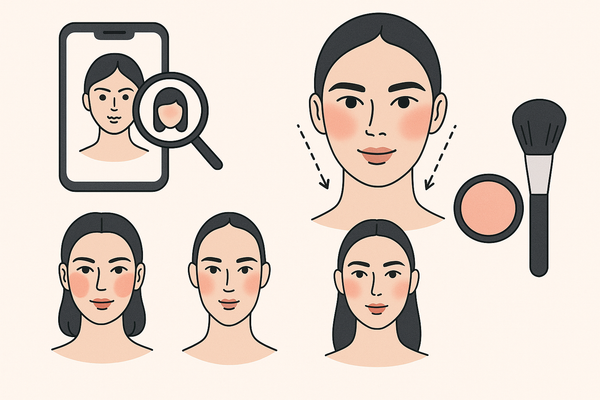
- Receive recommendations for foundation, contour, blush, and eyeshadow suited to your undertone and facial features
- Get instant feedback on how each look complements your unique attributes
This eliminates the guesswork, saving time and money while boosting confidence.
These platforms build a digital model of your face using real-time AR overlays. For example, if you have a cool undertone and oval face, the AI might suggest pink-based blushes, taupe eyeshadows, and highlighters with a silvery sheen. Users can try bold trends like graphic eyeliner or monochrome looks without committing to a purchase. If you’re preparing for a special event, you can see multiple styles—from soft glam to editorial avant-garde—side by side. The app also takes into account your makeup proficiency, offering looks that range from beginner-friendly to advanced, with step-by-step instructions tailored to your skill level.
Hair and Fashion Recommendations
- AI-driven color analysis suggests hair shades and clothing palettes that enhance your natural tones
- Accessory and style reports help complete your look for any occasion
- Fashion tips are updated based on seasonal trends and your personal history
Makeup Check AI integrates these features to provide a truly 360-degree beauty experience.
Beyond makeup, AI evaluates your hair and wardrobe choices. By analyzing your natural hair color, eye color, and skin undertone, the system recommends flattering hair shades—like rich chocolate browns for cool undertones or golden highlights for warm skin. It can also generate a digital color palette for clothing, helping you choose outfits that harmonize with your complexion and season. For accessories, the AI suggests jewelry metals (silver, gold, rose gold) or scarf colors that best complement your features. With seasonal updates, you’ll receive tips on trending shades (such as coral for spring or plum for fall) and suggestions for updating your wardrobe without a full overhaul. All of these recommendations are designed to make you look and feel your best, every day.
From Virtual Try-On to Real-World Results
- Side-by-side comparisons help you decide which look to recreate in real life
- Step-by-step tutorials ensure you can replicate AI-generated styles at home
- Progress tracking documents your transformation over time
Read more about virtual try-ons in AR Beauty Try On: The Future of Virtual Makeup and Skincare.
After selecting a virtual look, users are guided through each step, from prepping the skin to final touches. The AI breaks down complex styles into manageable segments, such as "apply transition shade to crease," "blend contour along jawline," or "add highlighter to cheekbones." Users can save before-and-after photos, track improvements in technique, and receive feedback on symmetry, blending, or color harmony. For those working toward a specific goal (like mastering winged eyeliner), the app offers skill progression modules and celebrates milestones, making the learning process both structured and rewarding.
Section 5: Routine Layering, Tutorials, and Daily Guidance
Mastering Routine Layering with AI
Proper product layering can make or break your results—especially when combining actives like vitamin C, retinol, and SPF. AI beauty system solutions provide:
- Dynamic, step-by-step routine builders that adjust to your changing skin needs
- Warnings for incompatible combinations (e.g., retinol and AHAs in the same routine)
- Seasonal and time-of-day adjustments (morning vs. night routines)
AI-based routine builders visualize your entire regimen, breaking it into precise order and timing. For example, a typical morning routine for combination skin might be: 1) gel cleanser, 2) hydrating toner, 3) vitamin C serum, 4) lightweight moisturizer, and 5) mineral SPF. The app explains why each step matters and how to adapt if you add or remove products. If you introduce a new active—such as azelaic acid—the AI recalibrates the sequence to minimize irritation. Over time, the system learns your preferences and adapts, so if you prefer fewer steps in the morning, it may suggest a multi-tasking product that covers hydration and antioxidants in one.
Interactive Tutorials and Video Analysis
Beyond static instructions, AI apps now analyze your technique via video or photo uploads, offering:
- Technique correction (e.g., blending, contour placement, mascara application)
- Real-time feedback for more professional results at home
- Access to 100+ expert-led tutorials, each personalized to your level and features
Makeup Check AI’s video analysis helps you refine your skills while building confidence.
Interactive tutorials are a game changer. After uploading a video of your makeup routine, the AI can highlight areas where blending is uneven, suggest improvements in eyeliner symmetry, or recommend adjusting blush placement based on your face shape. For skincare, video analysis checks for proper cleansing technique and even application of serums or creams. Tutorials are broken into chapters—such as "mastering brow definition" or "smoky eye in five minutes"—with personalized tips based on your uploaded content. This feedback loop helps you correct mistakes, build muscle memory, and progress from beginner to advanced techniques at your own pace.
Daily Reminders and Progress Motivation
- Automated reminders to follow your routine and track results
- Visual progress logs that highlight improvements and milestone achievements
- Adjustments to plans based on feedback and AI-detected changes in your skin or technique
Consistency is the key to progress in beauty routines. AI systems send reminders to apply sunscreen, rehydrate after exercise, or check in for a progress scan. Visual logs allow you to see improvement in skin clarity, reduction of dark spots, or increased mastery of makeup techniques over weeks and months. The system celebrates milestones—such as "14 days of routine consistency" or "first successful cut crease"—and adapts goals as your needs change. If you report dryness or the AI detects flakiness in a new scan, it automatically adjusts your routine and notifies you, ensuring you always receive up-to-date, relevant advice.
Section 6: Product Comparisons, Reviews, and Buying Advice
AI-Driven Product Comparisons
Deciding between drugstore and luxury? AI beauty system solutions analyze:
- Ingredient quality and concentration
- Price vs. efficacy for maximum value
- User reviews filtered by skin type, concern, and demographic
This helps users make smarter buying decisions, whether searching for the best SPF for oily skin or the top-rated cruelty-free foundation.
The AI compares products side by side, breaking down active ingredients, supporting ingredients, and potential irritants. For example, if you’re choosing between two vitamin C serums, it evaluates not only the concentration and form of vitamin C but also the presence of stabilizers, pH level, packaging (to prevent oxidation), and value for money. Reviews are weighted by relevance—so if you have sensitive skin, the system prioritizes feedback from users with similar profiles. This nuanced approach demystifies the crowded beauty market, empowering you to choose products that deliver real results for your unique needs.
Best-of Lists and Personalized Picks
- Curated lists: "Best for sensitive skin," "Top vitamin C serums without irritation," "Best niacinamide for acne-prone skin"
- AI-matched products based on your scan and preferences
- Structured data: ingredient breakdowns, compatibility, usage instructions, and ratings
For drugstore vs. luxury product insights, AI factors in both clinical data and user-reported outcomes, giving you confidence in your purchases.
The system’s curated lists are dynamic: as new products are launched or user feedback shifts, recommendations update in real time. For instance, if a new fragrance-free moisturizer gains popularity among users with eczema, it may quickly climb the "Best for sensitive skin" list. AI also considers external factors such as local climate, availability, and price changes—so if a product becomes hard to find or increases in cost, the system suggests alternatives. Each product profile includes a breakdown of actives, known allergens, usage instructions, and a summary of user-reported outcomes (e.g., "80% saw improvement in redness after two weeks"). This structured approach saves hours of research and increases the likelihood of satisfaction with each purchase.
Where to Buy and How to Use
- Direct links to verified retailers and cruelty-free options
- Step-by-step usage guides for each recommended product
- Budget optimizer features to maximize results without overspending
Explore additional AI-powered buying advice in AI Makeup App: The Ultimate Guide to Smarter Beauty Routines.
Purchasing guidance is streamlined: the AI provides links to reputable retailers, highlights cruelty-free and vegan options, and warns about out-of-stock or discontinued items. Each recommendation comes with a usage guide (such as "apply a pea-sized amount after toning, before moisturizer, at night only") and visual diagrams to ensure correct application. The budget optimizer feature allows users to set spending limits, and the AI will prioritize products that deliver maximum results per dollar—so you don’t have to choose between quality and affordability. For those interested in sustainable beauty, the system can filter for eco-friendly packaging or brands with strong ethical commitments.
Section 7: Expert Insights, User Content, and Trend Adaptation
Dermatologist and Expert Contributions
Leading AI beauty platforms integrate insights from board-certified dermatologists, chemists, and makeup artists. This ensures recommendations are:
- Science-backed and up-to-date
- Tailored to diverse skin types and backgrounds
- Responsive to new research on ingredients and application techniques
Experts regularly review and update the platform’s knowledge base. For example, if new research suggests a safer approach to using retinoids with exfoliating acids, the system adapts its recommendations and notifies affected users. Video explainers from dermatologists demystify complex topics like "the difference between chemical and mineral sunscreens" or "the science behind barrier repair." Makeup artists contribute tips for adapting trends to different face shapes, skin tones, and ages, ensuring inclusivity across the board. This collaborative approach bridges the gap between professional expertise and accessible, daily beauty routines.
User-Generated Reviews and Social Proof
- Community-driven product ratings and routine outcomes
- Before-and-after galleries with real user stories (e.g., "reduced redness after 2 weeks")
- Advice centers for long-tail beauty queries and troubleshooting
Users help refine the AI’s recommendations, making the system smarter and more inclusive over time.
The value of user content cannot be overstated. Community members share in-depth product reviews, routine tweaks, and personal before-and-after journeys. The advice center functions as a dynamic FAQ, where users ask specific questions (such as "Can I use azelaic acid with benzoyl peroxide?" or "How do I prevent mascara smudging?") and receive crowd-sourced, AI-moderated answers. These contributions help the AI identify emerging issues, such as widespread reactions to a newly launched product, and adjust system recommendations accordingly. The result is a living, breathing resource that evolves with user needs and beauty industry developments.
Adapting to Beauty Trends and Seasons
- Automatic updates for trending ingredients, looks, and techniques
- Seasonal adjustments (e.g., hydration boosters in winter, SPF focus in summer)
- Trend-responsive routine refreshes so your look stays current
With Makeup Check AI, you’ll always have access to the latest in beauty innovation, backed by both expert knowledge and vibrant user communities.
Trend adaptation is built into the system. When "cloud skin" (a soft-matte, blurred complexion trend) goes viral, the AI analyzes its compatibility with your skin type and suggests product swaps to achieve the look. During allergy season, the system prioritizes gentle, barrier-friendly routines. As new ingredients like bakuchiol or tranexamic acid gain traction, the AI provides concise, evidence-based rundowns and recommends products if appropriate for your profile. Users can opt-in to trend alerts, ensuring they never miss out on innovations that could benefit their routine or style. The AI’s responsiveness to seasonal shifts—such as recommending richer moisturizers in winter or sweat-resistant formulas in summer—keeps your regimen relevant and effective year-round.
Conclusion
AI beauty system solutions represent a seismic shift in how we approach makeup, skincare, and overall self-care. By combining real-time facial analysis, science-backed recommendations, and dynamic routine management, these platforms deliver truly personalized beauty at scale. Apps like Makeup Check AI lead the movement, offering a full spectrum of features: 24 AI-powered reports, 300+ looks, 100+ tutorials, and expert-backed advice—all tailored to your goals, skin, and style. Whether you’re seeking to solve specific skin concerns, master new makeup techniques, or stay ahead of beauty trends, an AI-powered solution puts a complete beauty team in your pocket. The result? A smarter, safer, and more confident beauty journey, every day.
FAQ
Q: Which SPF is best for oily or sensitive skin?
A: Look for lightweight, non-comedogenic, and mineral-based SPFs with ingredients like zinc oxide or titanium dioxide. AI beauty systems can recommend products tailored to your skin profile, minimizing breakouts or irritation. For a curated selection, let Makeup Check AI scan your skin and suggest top-rated formulas.
Q: What vitamin C serum works for sensitive skin without irritation?
A: Seek vitamin C serums with gentle derivatives (like magnesium ascorbyl phosphate) and low concentrations (5-10%). Avoid added fragrance and alcohol. AI beauty solutions flag safe options based on your sensitivity and recommend patch testing to ensure compatibility.
Q: How do I layer Vitamin C with Retinol safely?
A: Apply vitamin C in the morning with SPF, and retinol at night. Avoid using both in the same routine to prevent irritation. AI-powered routines provide reminders and adapt if your skin shows signs of stress, ensuring maximum benefit with minimal risk.
Q: Which niacinamide serum is best for acne-prone skin?
A: Choose a serum with 2-5% niacinamide and a non-comedogenic formula. AI beauty system solutions compare ingredient lists and user reviews to match you with the best option for your acne type and severity.
Q: Is luxury foundation worth it compared to drugstore options?
A: Not always. AI beauty platforms analyze ingredient quality, performance, and user outcomes to help you decide. Drugstore foundations often match or exceed luxury brands for specific skin types or concerns—AI-powered comparisons make the choice easier.
Q: What is the best natural treatment for acne scars?
A: Natural options like rosehip oil, centella asiatica, and licorice extract may help fade scars. AI systems recommend evidence-based solutions and flag products with proven efficacy, while also considering your skin’s unique needs and sensitivities.