
Best Makeup for Dry Skin: Top Hydrating Foundations & Tips
Discover the best makeup for dry skin including hydrating foundations, dewy finishes, and expert tips for a flawless, non-cakey look on mature or dry skin.

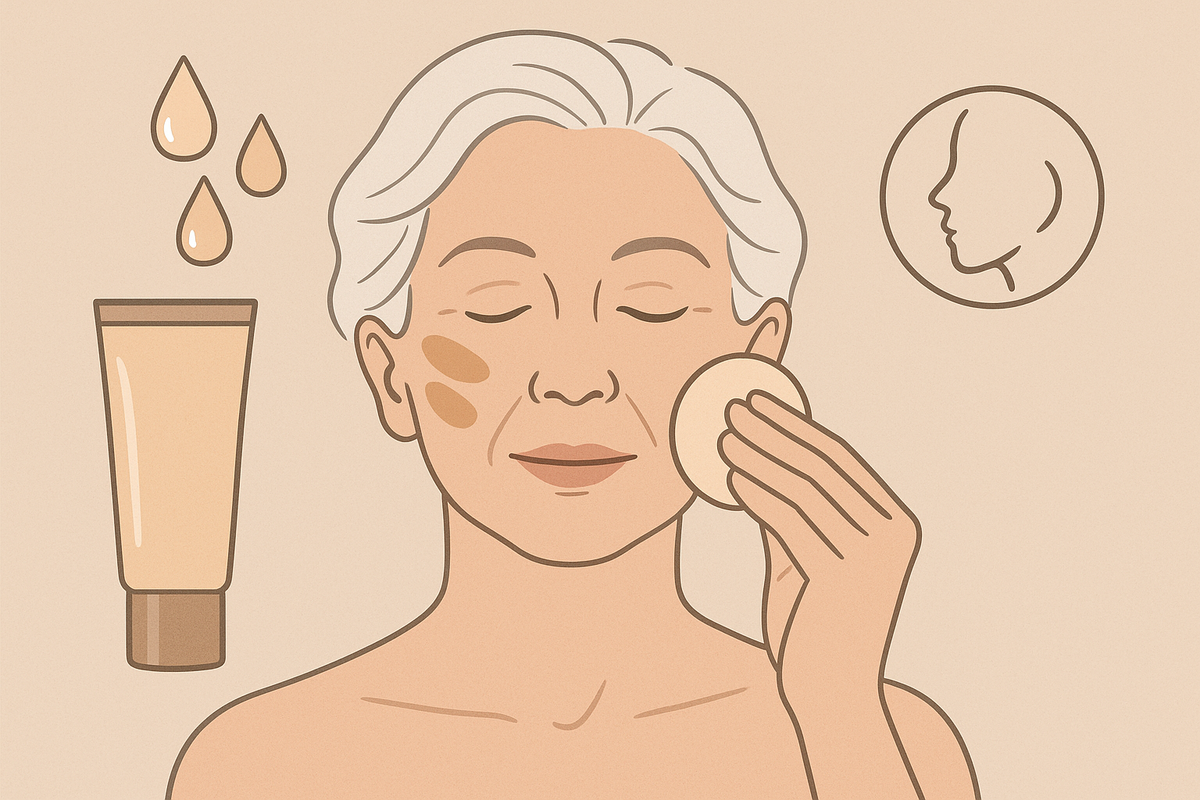
Estimated reading time: 13 min
Key Takeaways
- Hydrating foundations and dewy finishes are essential for dry or mature skin to avoid cakiness and flaking.
- Look for key ingredients like hyaluronic acid, glycerin, and squalane in your makeup products for optimal moisture retention.
- Prepping skin with moisturizer and hydrating primer greatly improves makeup adherence and finish.
- Liquid and cream formulas outperform powders for dry skin, ensuring a smooth, glowing complexion.
- Application tools and techniques—like damp sponges—make a big difference in achieving a non-cakey look.
Table of Contents
- Section 1: Understanding Dry and Mature Skin Needs
- Section 2: Skincare Prep for Flawless Makeup on Dry Skin
- Section 3: Choosing the Best Hydrating Foundation
- Section 4: Primers & Application Techniques for Lasting Hydration
- Section 5: Cream vs. Powder Makeup for Dry Skin
- Section 6: Setting Makeup Without Drying the Skin
- Section 7: Top Product Recommendations & Price Ranges
- Section 8: Extra Tips for Mature & Very Dry Skin
- Conclusion
- FAQ
Section 1: Understanding Dry and Mature Skin Needs
To unlock the best makeup for dry skin, it’s crucial to first understand the unique challenges of dry and mature complexions. Both skin types tend to lack sufficient natural oils, leading to issues like flakiness, tightness, and an accentuation of fine lines and texture. Choosing the right makeup isn’t just about color—it’s about texture, formulation, and, above all, hydration.
How Dry Skin Affects Makeup Application
- Flaking and Patchiness: Dry patches can cause foundation or concealer to cling unevenly, making makeup look uneven.
- Enhanced Fine Lines: Without enough moisture, makeup can settle into lines, aging the appearance.
- Dullness: Dry skin often lacks the natural luminosity that comes from healthy oil production, making matte or powdery finishes look flat or cakey.
Why Mature Skin Needs Extra Hydration
Mature skin typically produces less sebum and loses elasticity over time. This means:
- Hydrating, non-cakey foundation is a must for a youthful glow.
- Dewy foundation for mature skin can minimize the look of wrinkles and restore radiance.
- Layering matte or drying products can emphasize texture and lines.
Key Makeup Goals for Dry Skin
- Choose hydrating formulas to keep skin comfortable all day.
- Opt for satin or dewy finishes instead of matte.
- Use minimal powder and focus on cream or liquid products.
Understanding these needs is the foundation for choosing products that enhance, rather than fight against, dry or mature skin.
Section 2: Skincare Prep for Flawless Makeup on Dry Skin
Prepping your skin before makeup is as important as the products you use. For those seeking the best makeup for dry skin, a thorough skincare routine ensures your foundation and other products glide on smoothly and last longer.
Step 1: Gentle Cleansing
- Choose a hydrating cleanser that doesn’t strip natural oils. Look for formulas with ceramides or fatty acids.
- Skip harsh exfoliants—opt for a soft washcloth or a gentle enzymatic exfoliator 1-2 times weekly to remove flakes.
Step 2: Moisturizer with SPF
- A rich moisturizer is non-negotiable. Seek ingredients like hyaluronic acid, squalane, and glycerin for deep hydration.
- Always use a broad-spectrum SPF (30+). Many moisturizers now include SPF, streamlining your routine and providing a smooth base for makeup.
- Let moisturizer absorb for at least 5-10 minutes before moving to primer or makeup—this step prevents pilling and ensures a supple canvas.
Step 3: Targeted Treatments
- Apply hydrating serums (like hyaluronic acid) to lock in moisture beneath your moisturizer.
- For mature skin, consider peptides or antioxidants to fortify and plump.
Timing Matters
Allowing each product to fully absorb is key. Rushing application leads to separation or uneven makeup wear. A well-prepped face maximizes the performance of your hydrating foundation and other makeup for dry skin.
Section 3: Choosing the Best Hydrating Foundation
The cornerstone of the best makeup for dry skin is a hydrating foundation that provides coverage without dryness, flaking, or settling into fine lines. The right formula delivers a smooth, luminous finish that enhances your natural beauty.
What to Look For in a Foundation
- Hydrating Ingredients: Hyaluronic acid draws moisture into the skin. Glycerin and squalane lock that hydration in place, keeping foundation comfortable all day.
- Liquid and Cream Formulas: These are far superior to powders for dry or mature skin, as they melt in and move with your complexion.
- Dewy or Satin Finish: Avoid matte, as it can make skin look dull and accentuate dryness. Dewy finishes reflect light, creating a youthful glow.
- Non-Cakey Foundation: Seek buildable coverage that doesn’t cake, even with layering. Many hydrating foundations are designed to be touched up without heaviness.
Top Foundation Types for Dry Skin
- Serum Foundations: Lightweight, packed with skincare ingredients, and offer sheer to medium coverage—ideal for a natural look.
- Cushion Compacts: Infused with moisture, portable, and perfect for touch-ups.
- Cream Foundations: Offer more coverage, blendable, and suitable for both dry and mature skin.
Popular Hydrating Foundations (2024)
- L’Oréal True Match Hyaluronic Tinted Serum ($15-20): Infused with hyaluronic acid for plumping effect.
- Giorgio Armani Luminous Silk ($69): Iconic dewy foundation for mature skin, lightweight feel, buildable coverage.
- Maybelline Fit Me Dewy + Smooth ($7-10): Drugstore favorite with glycerin for hydration.
- IT Cosmetics Your Skin But Better CC+ Cream ($44): Hyaluronic acid, peptides, and SPF—ideal for dry and mature skin.
For a personalized recommendation, scanning your face with Makeup Check AI can help you identify the most compatible foundation formulas based on your skin type and needs.
Section 4: Primers & Application Techniques for Lasting Hydration
A hydrating primer is the secret weapon in any routine focused on the best makeup for dry skin. It boosts moisture, smooths texture, and creates the ideal base for non-cakey foundation.
Why Hydrating Primer Matters
- Fills Fine Lines: Plumps and minimizes the look of wrinkles, especially crucial for makeup for mature skin.
- Prevents Makeup Separation: Keeps foundation from clinging to patches or settling into dry areas.
- Boosts Dewy Finish: Locks in moisture and amps up natural radiance.
Top Ingredients to Seek in Primers
- Hyaluronic acid
- Glycerin
- Squalane
- Niacinamide (for barrier support)
How to Apply Primer on Dry Skin
- Use a pea-sized amount, smoothing it over clean, moisturized skin with fingertips. The warmth of your hands helps product absorb deeply.
- Focus on drier areas—cheeks, under eyes, and around the mouth. Let it sit for 1-2 minutes before foundation.
Application Tools: Damp Sponge vs. Brushes
- Damp Makeup Sponge: Essential for dry skin. Soaks up less product, delivers sheer, even coverage, and presses foundation into the skin for a fresh, non-cakey look.
- Fingers: For cream products, the warmth of fingers melts product into the skin.
- Brushes: Use soft, synthetic brushes for gentle blending; avoid stiff bristles that may irritate or lift dry patches.
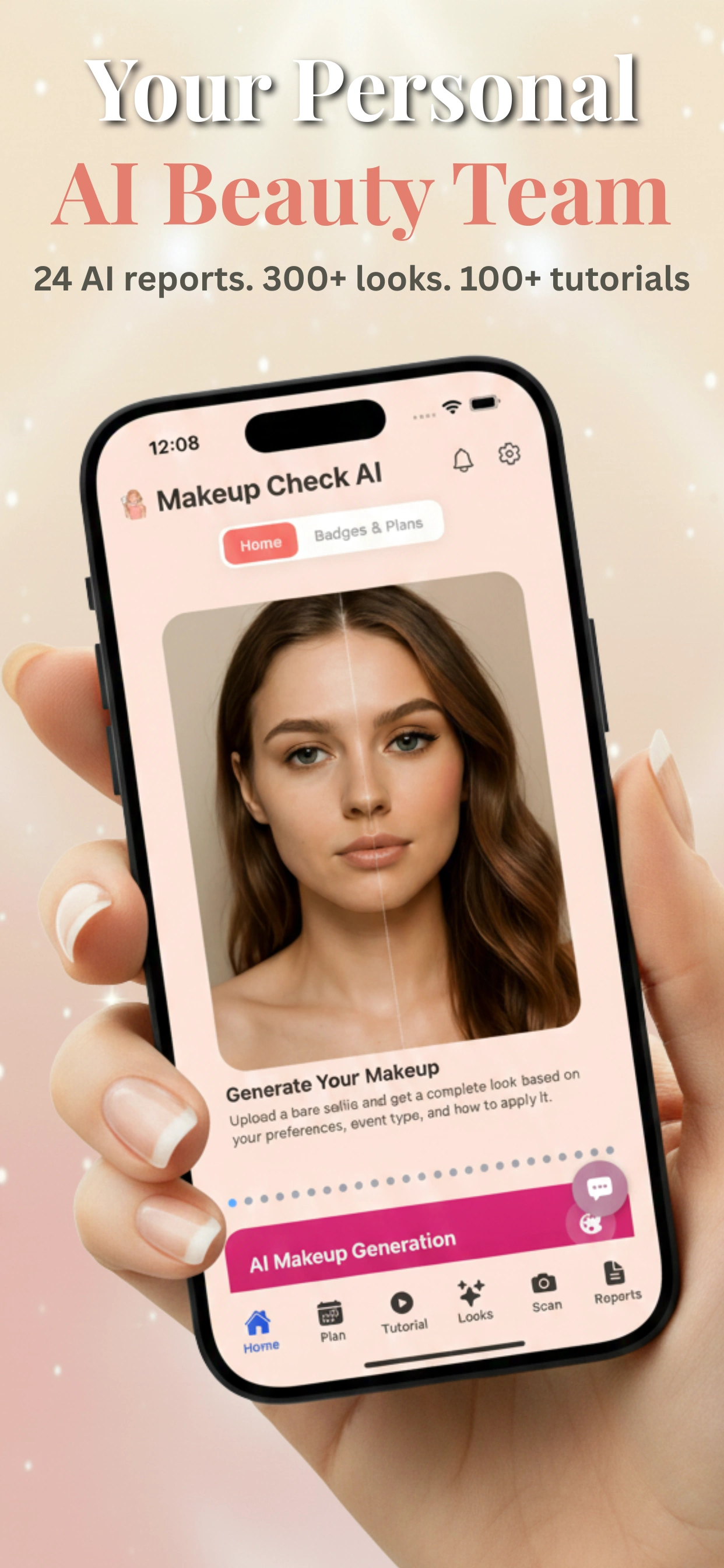
For those who want to perfect their technique, AI Makeup Tutorial: Your Guide to Smart Beauty Routines offers step-by-step guidance tailored to dry skin.
Section 5: Cream vs. Powder Makeup for Dry Skin
The right texture makes all the difference in achieving smooth, glowing makeup for dry skin. Powders can be tempting for setting makeup, but they often accentuate dryness and flakes. Cream and liquid formulas are the best makeup for dry skin, offering flexibility and hydration.
Foundation, Blush, and Bronzer: Cream Wins
- Cream Blush: Melts into the skin, providing a natural flush without emphasizing texture. Easy to blend with fingers or a damp sponge.
- Cream Bronzer: Adds warmth and dimension without dryness. Look for formulas with nourishing oils for extra blendability.
- Cream Eyeshadow: Glides on smoothly, resists creasing, and is less likely to accentuate dry eyelids than powder.
Why Avoid Powders for Dry Skin?
- Powders absorb oil and moisture, leaving skin looking flat or flaky.
- They can settle into fine lines, especially on mature skin.
- If powder is used, stick to a minimal, targeted application (such as T-zone only), and only choose finely milled, hydrating formulas.
Application Techniques for Cream Products
- Use fingers or a damp sponge for seamless blending.
- Tap, don’t drag—press product into the skin for natural, buildable color.
- Layer slowly; cream products can be built up for intensity without cakiness.
For more on advanced makeup technology that helps you try different cream and liquid looks virtually, explore AR Beauty Try On: The Future of Virtual Makeup and Skincare.
Section 6: Setting Makeup Without Drying the Skin
Setting your makeup is important for longevity, but traditional powders can undermine all your hydrating efforts. Here’s how to lock in your look while keeping dryness at bay.
Setting Sprays Over Setting Powders
- Hydrating Setting Sprays: Look for ingredients like aloe, glycerin, and vitamin E. These set makeup, reduce powdery residue, and add a dewy finish.
- Minimal Powder: If necessary, use a tiny amount of finely milled, hydrating powder only on areas prone to creasing (under eyes, around the nose).
Best Practices for Dry Skin
- Spritz setting spray as the final step of your routine for a fresh, luminous look.
- For touch-ups, mist again rather than layering on more powder.
- Choose sprays labeled as "dewy" or "hydrating" rather than "matte" or "oil-control."
Top Setting Sprays for Dry Skin
- Urban Decay All Nighter Ultra Glow ($33): Adds a radiant finish and boosts makeup wear.
- Milani Make It Dewy Setting Spray ($10-12): Affordable, hydrates, and imparts a soft sheen.
- Tatcha Luminous Dewy Skin Mist ($49): Luxury option with botanical oils for deep hydration.
By prioritizing spray over powder, you lock in your best makeup for dry skin without sacrificing comfort or radiance.
Section 7: Top Product Recommendations & Price Ranges
The market is rich with options for every budget. Here are the best makeup products for dry skin, from foundation to blush, that deliver hydration and a non-cakey finish.
Hydrating Foundations
- Drugstore: Maybelline Fit Me Dewy + Smooth ($7-10), L’Oréal True Match Hyaluronic Tinted Serum ($15-20)
- Mid-range: IT Cosmetics Your Skin But Better CC+ Cream ($44), NARS Sheer Glow Foundation ($47)
- Luxury: Giorgio Armani Luminous Silk ($69), Charlotte Tilbury Beautiful Skin Foundation ($49)
Cream Blush & Bronzer
- Drugstore: e.l.f. Putty Blush ($7), Milani Cheek Kiss Cream Blush ($10)
- Mid-range: Fenty Beauty Cheeks Out Freestyle Cream Blush ($24)
- Luxury: Chanel Les Beiges Healthy Glow Cream Bronzer ($60)
Hydrating Primers
- Drugstore: NYX Hydra Touch Primer ($14), e.l.f. Power Grip Primer ($10)
- Mid-range: Milk Makeup Hydro Grip Primer ($38)
- Luxury: Laura Mercier Pure Canvas Hydrating Primer ($42)
Cream Eyeshadow
- Maybelline Color Tattoo Cream Eyeshadow ($8)
- Charlotte Tilbury Eyes to Mesmerise ($34)
Setting Sprays
- Milani Make It Dewy ($10-12)
- Urban Decay All Nighter Ultra Glow ($33)
For a personalized routine and advice on which products suit your unique skin profile, try the Makeup Check AI app, which offers 24 AI-powered beauty reports and instant recommendations for your needs.
Section 8: Extra Tips for Mature & Very Dry Skin
Mature and extremely dry skin requires not just hydrating products, but also specific application strategies. Here’s how to maximize your glow and minimize texture:
Minimal Layering
- Apply thin layers of foundation and concealer, building coverage as needed instead of starting heavy.
- Mix foundation with a drop of facial oil for extra comfort and glow.
- Use concealer only where absolutely necessary (under eyes, around nose), blending well to avoid settling into fine lines.
Skip Cakey Coverage
- Choose non-cakey foundation labeled as hydrating and lightweight.
- Use a damp sponge to press products into the skin, not drag them across the surface.
Emphasize Dewy, Youthful Finishes
- Avoid matte formulas, which can age the appearance and emphasize roughness.
- Look for dewy foundation for mature skin—these reflect light and soften the look of wrinkles.
Focus on Skincare-Infused Makeup
- Products with hyaluronic acid, peptides, or squalane provide ongoing moisture benefits.
- Consider foundation-serum hybrids for a true skin-care-meets-makeup effect.
Routine Review
Reassess your makeup every few months—seasonal changes or age-related shifts in skin can affect how products perform. For ongoing, personalized advice, the AI Makeup App: The Ultimate Guide to Smarter Beauty Routines can help you adapt and refine your approach.
Conclusion
Finding the best makeup for dry skin means prioritizing hydration at every step—from your skincare prep to your final setting spray. Embrace liquid and cream formulas, dewy and satin finishes, and nourishing ingredients like hyaluronic acid, glycerin, and squalane. Whether you’re shopping for a drugstore gem or luxury staple, always test for comfort and blendability. For those with mature skin, minimal layering and a focus on radiance will keep your look fresh and youthful.
If you’re ready to discover your most flattering routine and try out new, AI-personalized looks, Makeup Check AI is your ultimate beauty assistant—offering 24/7 guidance, 300+ looks, and tailored makeup advice for dry and mature skin.
FAQ
Q: What is the best makeup foundation for dry skin that doesn’t look cakey?
A:
Look for hydrating foundations with dewy or satin finishes, such as Giorgio Armani Luminous Silk, IT Cosmetics Your Skin But Better CC+ Cream, or Maybelline Fit Me Dewy + Smooth. These provide moisture, blend well, and avoid a cakey appearance.
Q: Which hydrating ingredients should I look for in makeup for dry skin?
A:
Seek out hyaluronic acid, glycerin, and squalane. These ingredients attract and retain moisture, keeping your makeup comfortable and your skin looking plump.
Q: Should I use powder or cream blush if I have dry skin?
A:
Cream blush is best for dry skin. It blends seamlessly, adds a dewy finish, and avoids emphasizing dry patches—unlike powders, which can appear flaky.
Q: What primer is best for dry skin before applying foundation?
A:
Choose a hydrating primer containing ingredients like hyaluronic acid, glycerin, or squalane. These smooth the skin and lock in moisture, helping foundation apply evenly.
Q: How do I prep my skin for makeup if it’s very dry?
A:
Start with a gentle hydrating cleanser, follow with a rich moisturizer (preferably with SPF), allow it to absorb, and apply a hydrating primer. Let each layer fully absorb before applying makeup.
Q: Are matte foundations bad for dry skin, and what finish should I choose instead?
A:
Matte foundations can exaggerate dryness and texture. For dry or mature skin, opt for dewy or satin finishes—they reflect light and create a smooth, radiant look.