Mastering Your Thick Curly Hair Routine: Frizz Prevention & Style Tips
Learn how to master your thick curly hair routine with tips on frizz prevention, maintaining waves, choosing curly hair salons, and fixing bad haircuts.

Estimated reading time: 7 minutes
Key Takeaways
- Hydration is everything: Gentle, infrequent washing with sulfate-free cleansers and co-washes preserves moisture and curl definition.
- Layer and lock: The LOC (Leave-in, Oil, Cream) method on soaking-wet hair, plus plopping and scrunching, ensures soft, frizz-free coils.
- Refresh, don’t reset: Mist and revive waves on non-wash days for long-lasting style without overloading your curls.
- Find a curl specialist: Seek curl-certified salons trained in dry-cut techniques to maintain your natural pattern.
- Keep color vibrant: Weekly color maintenance and clarifying treatments help blue tones stay true on porous curls.
- Fix bad layers: Targeted trims, dry re-layers, or styling hacks can correct uneven lengths without a full cut.
Table of Contents
- Introduction
- Frizz Prevention
- Waves Between Washes
- Curly Hair Salons
- Addressing Color Challenges: Blue Hair Not Showing Fix
- Fixing Haircuts: Bad Layers Haircut Fix
- Conclusion
- FAQ
Introduction
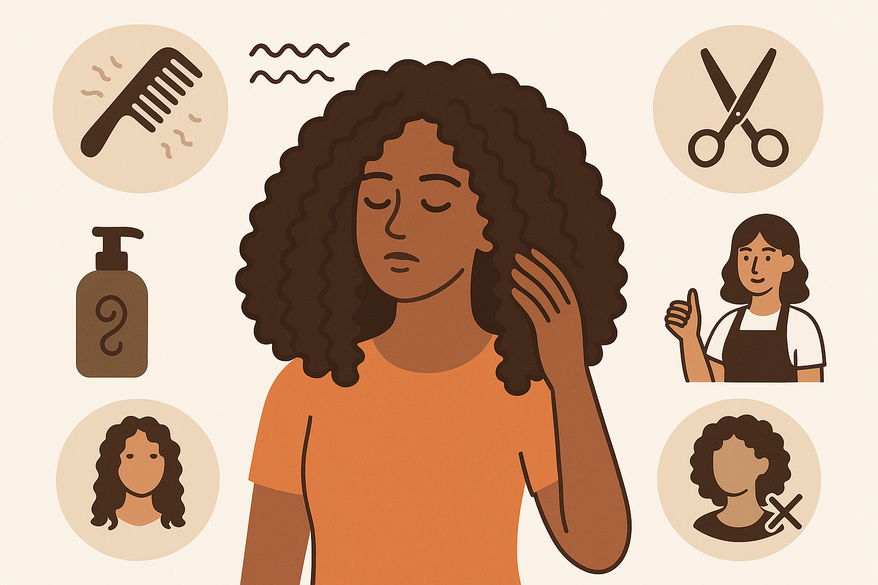
A thick curly hair routine is a structured regimen designed to counter dryness, frizz, and breakage caused by the spiral shape of curls that impedes moisture retention. Thick curls often feel coarse, look puffy, and lose definition when deprived of consistent hydration and protective styling. As the Curl & Beauty Diary notes, “Thick curls are prone to dryness, frizz, and loss of definition due to their structure…” and the Cosmopolitan Curly Girl Method overview stresses gentle cleansing and product layering to nourish every coil.
Our comprehensive guide, expanded in the Ultimate Thick Curly Hair Routine for Defined, Frizz-Free Style, offers hands-on tips for frizz prevention, wave revival, salon selection, color fixes, and haircut corrections.
For those looking to integrate cutting-edge AI into their beauty regimen, Makeup Check AI analyzes hairstyles and curates haircare routines alongside makeup and skincare. Whether testing new styles or enhancing your curly hair routine, the app provides personalized insights and tutorials at your fingertips.
Frizz Prevention
Frizz in dense coils stems from gaps in sebum distribution, mechanical friction, and environmental stressors. Here’s an actionable routine to tame flyaways:
- Gentle cleansing (2–3× weekly)
- Use a sulfate-free shampoo paired with a hydrating conditioner to cleanse without stripping.
- Example: Essential Moisture Shampoo
- Co-washing on off days
- Skip shampoo; apply conditioner only to refresh moisture and slip.
- LOC method on soaking-wet hair
- Leave-in conditioner to hydrate each strand.
- Oil (jojoba or coconut) to lock in moisture.
- Cream or gel for definition—ideal for Type 3–4 coils.
- Gentle drying
- Blot excess water with a microfiber towel or cotton T-shirt.
- Plop for 5–10 minutes to boost clump formation.
- Air-dry or diffuse on low heat without touching curls until set.
- Scrunch out the gel cast
- Once hair is 100% dry, flip head upside down and gently scrunch to reveal soft, frizz-free curls.
Waves Between Washes
Maintaining waves between washes is vital to extend your thick curly hair routine without extra styling. Try misting with a lightweight leave-in blend, using the “pineapple” method at night, or refreshing hold with a curling wand on fallen curls. These quick fixes revive pattern and bounce until your next wash day.
Curly Hair Salons
Specialty curly hair salons cater to textured hair with techniques that preserve coil pattern. Look for stylists certified in dry-cut methods, who will cut curls individually when dry, ensuring even length and encouraging natural volume.
Addressing Color Challenges: Blue Hair Not Showing Fix
Blue or cool tones can vanish on porous thick curls as dye fades or underlying pigments surface. Combat this by using a color-depositing conditioner weekly, clarifying monthly, and scheduling regular gloss or toner appointments to keep your shade true.
Fixing Haircuts: Bad Layers Haircut Fix
Bad layers on curly hair often result from wet cutting, which stretches coils and creates uneven lengths once dry. Opt for a dry re-layering session or use twist-and-coil styling techniques to manually even out lengths before your next salon visit.
Conclusion
- Follow a gentle, sulfate-free wash schedule and co-wash to preserve moisture.
- Layer products (LOC) on wet hair, then plop and scrunch for long-lasting definition.
- Refresh waves on non-wash days with simple misting or styling tools.
- Choose curl-certified salons that specialize in dry cuts.
- Maintain blue tones with deposit masks and clarifying treatments.
- Fix uneven layers with targeted trims, dry re-layers, or styling hacks.
Now it’s your turn to apply these frizz prevention, wave-revival, salon selection, blue hair fix, and haircut correction tips. Share your results or questions in the comments below, and transform your routine today!

FAQ
- How often should I wash my thick curly hair? Curly hair thrives on gentle cleansing—aim for 2–3 washes weekly, using co-washes on alternate days to preserve natural oils.
- What’s the best way to refresh curls between wash days? Mist hair with a water-leave-in mix, pineapple at night, or gently reheat fallen curls with a diffuser or curling wand.
- How do I choose a salon for curly hair? Seek stylists certified in dry-cut techniques; they’ll cut individual coils dry, preserving your natural pattern and avoiding shrinkage surprises.
- Why does blue hair fade so quickly on my curls? Thick, porous curls absorb and release pigment unevenly. Combat fading with color-depositing conditioners and regular gloss treatments.
- Can I fix bad layers at home? You can even out uneven curls with twist-and-coil styling or by trimming small sections dry, but a professional dry re-layer session yields the best results.